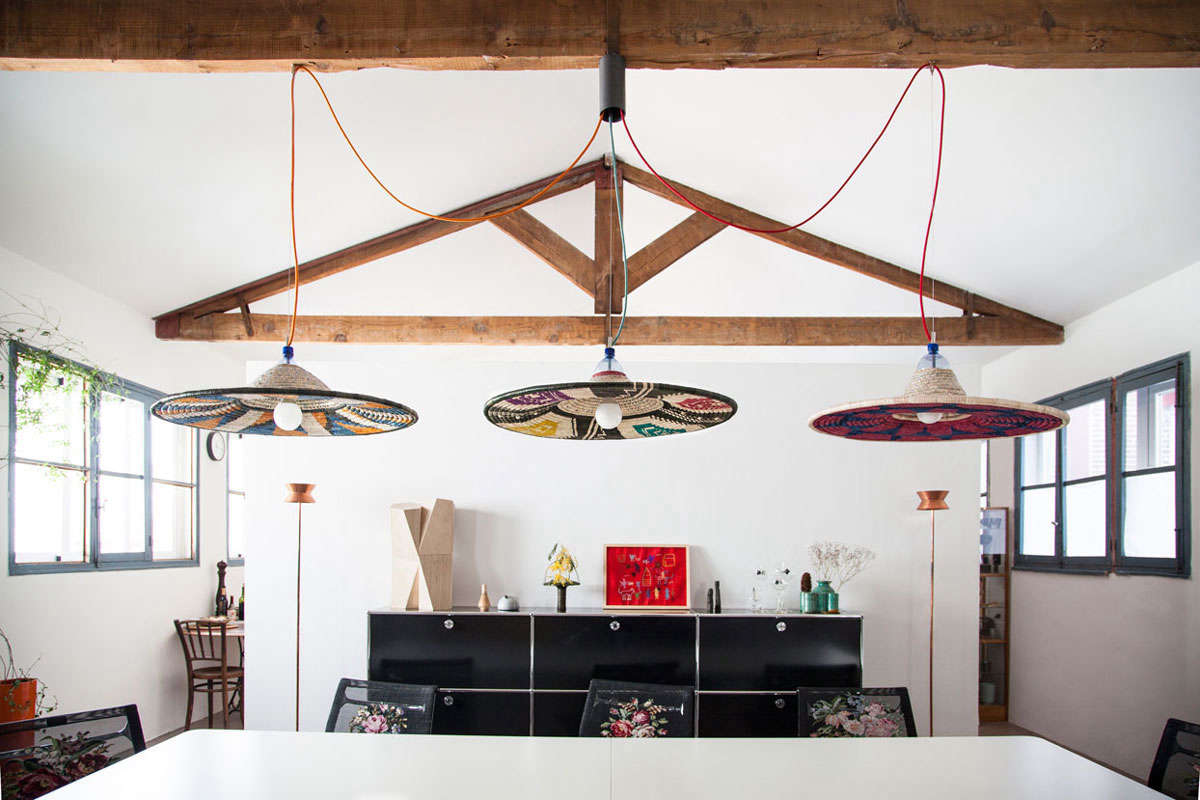

Some rooms need a fresh coat of paint. Others need a new rug. And then there are rooms that simply need one delightfully odd pendant light dangling from the ceiling like it has somewhere fabulous to be.
Madcap pendant lights are not about being messy, random, or visually loud for the sake of loudness. They are about choosing lighting with personality: a scalloped shade, a candy-colored metal dome, a striped fabric lantern, a plump globe, or a brass fixture that looks like it may have escaped from a very stylish 1970s hotel lobby.
In a world full of beige kitchens and cautious ceiling fans, a playful pendant can do the work of an entire decorating spree. It brings color, texture, scale, and a little bit of theater to the room without requiring you to replace every cabinet pull, sofa pillow, and unsuspecting houseplant.
The trick is balance. A madcap pendant light should feel charming, not like your ceiling joined a circus without telling you. Here are 10 easy pendant-light directions that bring joyful energy into kitchens, dining rooms, bedrooms, entryways, and anywhere else that could use a little more glow and a little less “builder-grade sadness.”
What Makes a Pendant Light Feel Madcap?
A madcap pendant is playful but intentional. It usually has one memorable feature: an unusual silhouette, an expressive material, a bright color, a decorative pattern, or a nostalgic reference. Think of it as jewelry for the ceiling. It does not have to match every finish in the room, but it should relate to something nearby, such as cabinet hardware, artwork, chair upholstery, tile, or a favorite ceramic bowl that has somehow become the emotional center of the kitchen.
Good pendant lighting also earns its keep. It can provide task light over an island, softer ambient light above a dining table, or a welcoming beacon in an entry. Decorative fixtures work best when they are scaled to the room, placed at a useful height, and supported by other layers of light. One beautiful pendant cannot be expected to illuminate a kitchen, flatter dinner guests, and rescue a midnight snack mission all by itself.
10 Easy Pieces: Madcap Pendant Light Ideas
1. The Candy-Colored Metal Dome
A metal dome pendant is one of the easiest ways to introduce playful color without committing to a full kitchen renovation. Look for tomato red, butter yellow, forest green, cobalt blue, or a slightly weird shade of orange that makes you smile every time you walk in the room. The familiar dome shape keeps the look grounded, while the color gives it a jolt of personality.
This style works especially well over a kitchen island, breakfast nook, mudroom bench, or compact dining table. Choose a glossy finish for a retro diner mood or a matte finish for something more relaxed and modern. Pair it with neutral walls and let the fixture do the talking. It has been waiting all day.
2. The Opal Glass Globe
An opal glass globe is proof that playful lighting does not always need to shout. The soft white sphere has a moon-like quality that feels sculptural during the day and warmly luminous at night. It is an excellent choice for people who want an artful fixture without turning their dining room into a costume party.
Use one oversized globe over a small round table, or hang several smaller globes in a loose cluster above an island. The key is to keep the surrounding materials simple: warm wood, painted cabinetry, brass accents, or a few stoneware pieces. The globe becomes the room’s quiet little celestial celebrity.
3. The Scalloped Shade
Scallops are having a moment because they make almost anything feel happier, including lighting. A scalloped pendant shade adds movement and softness to a room full of straight lines. This is especially useful in kitchens, where cabinets, counters, tile, and appliances can start behaving like they are attending a corporate meeting.
Choose a scalloped metal shade for a crisp, graphic effect, or a fabric version for a softer, more romantic look. Cream, dusty blue, olive, peach, and striped patterns all work beautifully. A scalloped pendant over a breakfast table can make everyday cereal feel a little more ceremonial, which is frankly the least oatmeal deserves.
4. The Pleated Fabric Lantern
A pleated fabric pendant brings instant warmth to rooms that feel too sleek or echoey. The folds create gentle shadows, soften the light, and add enough texture to make a plain ceiling look intentional. Linen, cotton, silk-look fabric, and patterned shades all offer different levels of drama.
For a bedroom, choose a pale fabric pendant with a warm bulb and a dimmer. For a dining room, try a bolder pattern or contrast trim. Pleated pendants are particularly effective in spaces with hard surfaces, such as kitchens with stone counters and wood floors, because the fabric visually softens the room before your ears even get a chance to notice the acoustics.
5. The Industrial Bell in an Unexpected Color
Industrial pendants are usually associated with black, gray, and “I own a very serious workshop.” But a bell-shaped fixture in persimmon, sage, pale blue, mustard, or glossy white can feel cheerful rather than severe. The wide opening gives useful downward light, making it a smart option for food prep, homework stations, and kitchen islands where everyone mysteriously gathers even when there are chairs elsewhere.
Choose a larger bell for a high-ceilinged space or use two or three smaller versions in a row. Keep the cords or stems neat and evenly spaced. A playful pendant can be whimsical, but crooked installation is not whimsy. It is just an argument waiting to happen.
6. The Striped Pendant
Stripes give a pendant light instant confidence. A striped fabric shade, painted ceramic fixture, or wrapped-paper lantern can make a room feel collected and spirited. Vertical stripes tend to feel taller and more tailored, while horizontal stripes read as more casual and graphic.
Use this style in a breakfast nook, child’s room, guest room, or entryway where you want a hit of pattern without covering the walls. A striped pendant also works beautifully with solid-color cabinetry because it creates visual interest without competing with every drawer front in the room.
7. The Lantern with a Twist
Lantern pendants have staying power because they bridge traditional and modern interiors. For a more madcap version, look for unusual geometry, colored glass, a painted frame, woven panels, or an exaggerated silhouette. A lantern can feel refined, quirky, coastal, vintage, or slightly theatrical depending on its material.
Hang one in an entryway to create a welcoming focal point. Over a dining table, choose a lantern with enough openness to avoid blocking sightlines. Clear glass creates sparkle, while frosted glass gives a softer glow. Either way, the fixture should feel like it belongs in your house, not in a haunted inn where the wallpaper has opinions.
8. The Woven Rattan or Natural Fiber Pendant
Natural fiber pendants bring texture, shadow, and an easygoing energy to a room. Rattan, wicker, bamboo, raffia, and woven grass shades can make a kitchen or dining area feel more relaxed without becoming overly beach-house themed. The material is especially effective in homes with painted walls, pale wood, ceramic tile, or a mix of vintage furniture.
Choose a tight weave when you need more focused lighting, or an open weave when the priority is atmosphere. Remember that open woven shades cast patterned shadows. That can be beautiful over a dining table, but it may be less useful directly above a countertop where you are trying to determine whether the recipe says one teaspoon or one tablespoon.
9. The Colored Glass Pendant
Colored glass pendants add a little magic because the material shifts with daylight, bulb temperature, and the colors around it. Amber, smoke gray, moss green, cobalt, blush, and milky white glass all create distinct moods. A translucent shade can feel glamorous without being overly formal, especially when paired with a simple brass, bronze, or black fitting.
These pendants look wonderful in clusters over an island or as a pair above bedside tables. Keep the rest of the room restrained so the glass gets room to shimmer. A colored glass pendant does not need ten competing accessories. It already brought its own special effects.
10. The Oversized Paper Lantern
A paper lantern is one of the most affordable ways to make a room feel softer and more artistic. The classic round form is timeless, but oversized lanterns, ribbed silhouettes, sculptural shapes, and grouped clusters can create a more contemporary look. They are light visually and physically, which makes them useful in rooms where a heavy metal fixture would feel too bulky.
Paper lanterns work especially well in bedrooms, studios, casual dining spaces, and rental homes where you want a big visual change without a big emotional event at the checkout counter. Choose a warm LED bulb, keep the shade clean, and enjoy the kind of glow that makes even a Tuesday night feel mildly cinematic.
How to Make Playful Pendant Lighting Look Polished
Start With Scale, Not Shopping Panic
The best pendant light is not automatically the largest, brightest, or most expensive option. It is the one that fits the surface below it and the room around it. For kitchen islands, a useful starting point is to leave enough breathing room at both ends and avoid fixtures that feel crowded together. When using multiple pendants, think of them as a rhythm: evenly spaced, related in size, and visually calm enough that the room can breathe.
As a general guideline, pendants above islands and dining tables often hang about 30 to 36 inches above the surface. This is not sacred law carved into a decorative marble plaque. Adjust for ceiling height, fixture size, the height of the people using the room, and whether the pendant blocks the view across the table.
Use One Big Gesture or Several Small Ones
A single large pendant can work beautifully above a round breakfast table, a long dining table, or a compact island. Multiple smaller pendants can create rhythm and better task lighting across a longer surface. The important thing is to avoid a cluttered “lighting showroom” effect.
In an open-plan home, choose no more than a couple of major lighting personalities within the same sightline. A playful kitchen pendant can coexist with a dramatic dining fixture, but they should share a finish, color family, material, or general mood. Otherwise, the ceiling starts looking like it is collecting souvenirs from several unrelated vacations.
Layer the Light
Pendants are excellent for atmosphere and focused illumination, but they should not be the only source of light in a hardworking room. Add recessed lighting, under-cabinet lighting, sconces, floor lamps, or table lamps as needed. Layered light lets you use the room differently throughout the day: bright for cooking, softer for dinner, and low enough at night that you can find a snack without feeling interrogated by a spotlight.
Choose LEDs and Dimmers Wisely
LED lighting can use significantly less energy than traditional incandescent bulbs and gives you more flexibility in color temperature and brightness. For cozy spaces, warm white bulbs around 2700K often create a relaxed glow. For task-heavy kitchens, a slightly brighter neutral white can improve visibility without making the room feel like a laboratory.
Always confirm that the bulb and dimmer are compatible. A dimmable LED paired with the wrong dimmer can flicker, buzz, or refuse to dim gracefully. That is not a design statement. It is an avoidable annoyance. Also check whether the fixture is rated for dry, damp, or wet locations before using it near bathrooms, covered porches, or moisture-prone areas.
Extended Experience: Living With Madcap Pendant Lights
Living with a playful pendant light is different from merely admiring one in a showroom. In a showroom, every fixture looks heroic because it is surrounded by twenty feet of empty floor and a sales associate who has never seen your pile of mail. At home, a pendant becomes part of your daily routine. It glows over rushed breakfasts, late-night conversations, science projects, grocery lists, birthday candles, and the occasional takeout dinner eaten directly from the container because nobody was emotionally prepared to cook.
The most successful madcap pendants tend to be the ones that make a room feel more like the people who live there. A tomato-red dome over a kitchen island can make a white kitchen feel less sterile. A pleated fabric pendant over a dining table can soften a room that used to feel too formal. A rattan shade can make a condo feel warmer. A colored glass pendant can catch the afternoon sun and turn an ordinary hallway into a place you actually notice instead of simply walk through while looking for your keys.
There is also something satisfying about choosing a fixture that is not trying to please everyone. A safe pendant disappears. A good madcap pendant becomes a conversation starter. Guests notice it. Children point at it. Someone asks where it came from. Someone else says they would never have been brave enough to choose it, which is often the highest compliment a light fixture can receive. You do not need every object in your home to be bold, but one joyful choice overhead can make the whole room feel more alive.
Practical experience matters, too. A pendant that looks charming but hangs too low will become a forehead hazard. A shade that creates beautiful shadows may be annoying over a chopping board. A dramatic opaque fixture may need supplemental lighting nearby. The best way to avoid regret is to test height before installation, consider how the room is used at night, and look at the fixture from several angles. Stand at the sink. Sit at the table. Walk in from the hall. Let the pendant audition for the role.
Over time, these lights often become part of a home’s memory. You remember the lamp over the first apartment table, the striped pendant above family breakfasts, or the lantern in the entry that welcomed everyone home. That is why playful lighting matters. It is not only decoration. It is atmosphere, identity, and a tiny daily reminder that your home does not have to behave itself all the time.
Final Glow
Madcap pendant lights are an easy way to make a room feel more personal, layered, and memorable. Whether you choose a glossy metal dome, a sculptural globe, a striped shade, or an oversized paper lantern, the goal is the same: bring a little joy into the everyday view.
Choose a pendant that suits the scale of the room, supports how you use the space, and gives you a small burst of happiness every time you turn it on. Because the ceiling is valuable real estate, and it deserves better than being ignored.
Editorial research basis: This article synthesizes current U.S. lighting guidance and product-design information from ENERGY STAR, UL Solutions, Lutron, Lumens, Rejuvenation, Schoolhouse, Visual Comfort & Co., Houzz, Better Homes & Gardens, and Architizer. Pendant placement, scaling, LED efficiency, dimming, and damp-location advice reflect these references.