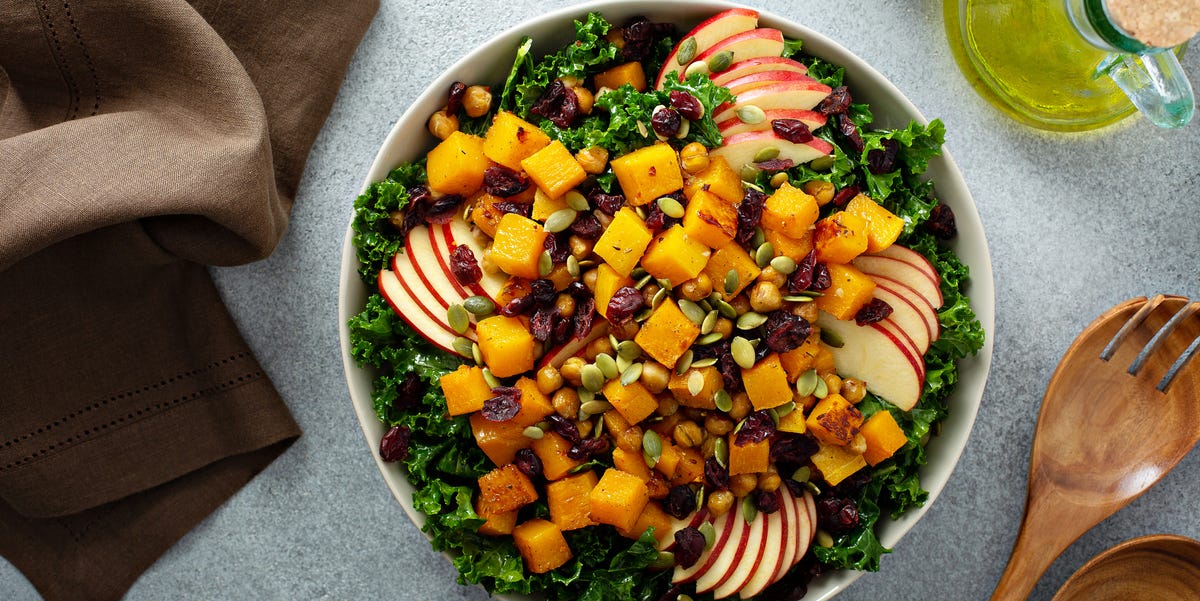

Fall has a sneaky way of making us crave everything warm, cozy, and cinnamon-adjacent. The good news? This season also brings a farmer’s market full of nutritional all-stars. While summer gets applause for berries and tomatoes, autumn quietly walks in wearing a plaid scarf and carrying pumpkins, apples, sweet potatoes, kale, cranberries, oats, and other foods that can help support energy, digestion, immunity, heart health, and everyday resilience.
The term “superfood” is not a magic wand. No single food can cancel out a week of drive-thru dinners or turn you into a glowing woodland creature overnight. But nutrient-dense fall foods can absolutely upgrade your plate. They bring fiber, antioxidants, vitamins, minerals, slow-digesting carbohydrates, healthy fats, and plant compounds that work best when eaten regularly as part of a balanced diet.
Below are 11 fall superfoods worth adding to your meals this season, plus practical ways to enjoy them without turning your kitchen into a competitive cooking show.
Why Fall Superfoods Deserve a Spot on Your Plate
Fall produce is often rich in color, and color usually means nutrition. Orange foods like pumpkin and sweet potatoes contain beta-carotene, a plant pigment your body can convert into vitamin A. Deep red foods like cranberries, beets, and pomegranates bring polyphenols and antioxidants. Dark leafy greens offer vitamin K, vitamin C, folate, carotenoids, and fiber. Whole grains such as oats provide soluble fiber that supports fullness and heart-friendly eating patterns.
Another advantage is comfort. Fall foods are built for soups, roasted sheet-pan dinners, oatmeal bowls, salads with crunch, and warm sides that make healthy eating feel satisfying rather than stern. Nobody wants a lecture from lunch. Fall superfoods simply make wholesome meals taste like they belong in the season.
1. Pumpkin: The Orange Icon With Real Nutrition
Pumpkin is more than porch décor and pie filling. Plain pumpkin puree is low in calories, naturally rich in water, and a useful source of fiber and carotenoids. Its bright orange color comes largely from beta-carotene, which supports normal vision, immune function, and skin health when included as part of a nutrient-rich diet.
How to eat it
Stir unsweetened pumpkin puree into oatmeal, chili, pancakes, smoothies, or pasta sauce. For a savory option, blend pumpkin with low-sodium broth, garlic, onion, black pepper, and a splash of milk or coconut milk for a creamy soup. Just keep an eye on canned pumpkin pie filling, which often includes added sugar and spices. Plain pumpkin gives you control; pie filling grabs the steering wheel.
2. Sweet Potatoes: Comfort Food With Benefits
Sweet potatoes taste indulgent, but they are loaded with useful nutrients. Orange-fleshed sweet potatoes are especially known for beta-carotene. They also provide fiber, potassium, vitamin C, and complex carbohydrates that offer steady energy. Their natural sweetness makes them a smart choice when you want something cozy without reaching straight for dessert.
How to eat it
Roast sweet potato wedges with olive oil, paprika, cinnamon, or rosemary. Add cubes to grain bowls, mash them with Greek yogurt instead of heavy cream, or bake one and top it with black beans, salsa, avocado, and lime. That last version is basically a sweater for your stomach.
3. Apples: The Crunchy Everyday Classic
Apples are one of the easiest fall superfoods to love. They contain soluble and insoluble fiber, including pectin, plus vitamin C and plant compounds such as quercetin. A medium apple with the skin offers a satisfying crunch and can help you feel full between meals. The skin matters, so do not peel away the good stuff unless a recipe truly needs it.
How to eat it
Pair apple slices with peanut butter, walnuts, cottage cheese, or cheddar for a snack that includes fiber plus protein or fat. Chop apples into salads, bake them with oats and cinnamon, or add thin slices to turkey sandwiches. Apples also work beautifully in fall slaws with cabbage, carrots, lemon juice, and a little olive oil.
4. Pears: Fiber-Rich and Quietly Powerful
Pears are often overshadowed by apples, which is unfair because pears are juicy, elegant, and packed with fiber. A medium pear can contribute meaningfully to daily fiber intake, which supports digestion, fullness, and healthy blood sugar patterns when paired with balanced meals. Pears are also gentle, naturally sweet, and easy to use in both sweet and savory dishes.
How to eat it
Slice pears into oatmeal, serve them with plain yogurt and cinnamon, or add them to a salad with arugula, pumpkin seeds, and a light vinaigrette. For dessert, bake pears with a sprinkle of cinnamon and chopped nuts. It tastes fancy, but the effort level is “I remembered where the baking dish lives.”
5. Brussels Sprouts: Tiny Cabbages, Big Personality
Brussels sprouts are cruciferous vegetables, related to broccoli, cauliflower, kale, and cabbage. They provide fiber, vitamin C, vitamin K, and antioxidant plant compounds. Their reputation suffered for decades because many people grew up with boiled sprouts that smelled like a science experiment. Roasted properly, they become crispy, nutty, and almost snack-like.
How to eat it
Cut Brussels sprouts in half, toss with olive oil, garlic, black pepper, and a small pinch of salt, then roast until browned. Finish with lemon juice or balsamic vinegar. You can also shred them raw into salads with apples, cranberries, and walnuts. The key is not to overcook them. Brussels sprouts deserve a glow-up, not a steam-room punishment.
6. Kale: The Leafy Green That Earned Its Hype
Kale may have become a wellness cliché, but it did not get famous for nothing. It offers vitamins A, C, and K, along with folate, fiber, carotenoids, and minerals. Dark leafy greens are also a smart addition to heart-conscious and nutrient-dense eating patterns. If raw kale tastes too tough, the problem is usually preparation, not the vegetable’s personality.
How to eat it
Massage chopped kale with olive oil and lemon juice for one minute before using it in salads. This softens the texture and reduces bitterness. Add kale to soups, scrambled eggs, pasta, grain bowls, or smoothies. For a quick side dish, sauté it with garlic and finish with a splash of vinegar. If you take blood-thinning medication, ask your healthcare provider how to keep vitamin K intake consistent.
7. Cranberries: Tart, Bright, and Antioxidant-Rich
Cranberries bring a bold tartness that wakes up fall meals. They contain polyphenols, including proanthocyanidins, which are studied for their relationship with urinary tract health and antioxidant activity. Fresh cranberries are very tart, which is why many cranberry products are sweetened. That does not make them “bad,” but it does mean label reading is your friend.
How to eat it
Simmer fresh cranberries with orange zest, a small amount of maple syrup, cinnamon, and water to make a lower-sugar cranberry sauce. Add dried cranberries sparingly to salads, trail mix, or oatmeal, preferably choosing unsweetened or reduced-sugar versions when available. Cranberries are small, but their flavor walks into the room wearing tap shoes.
8. Pomegranates: Jewel-Like Seeds With Polyphenol Power
Pomegranate arils look like edible rubies, and they bring fiber, vitamin C, potassium, and polyphenols to the plate. The seeds add crunch and sweet-tart flavor, while the juice offers antioxidants but much less fiber. Eating the whole arils gives you more texture and satisfaction than drinking juice alone.
How to eat it
Sprinkle pomegranate arils over yogurt, oatmeal, roasted squash, green salads, or rice pilaf. They are especially good with feta, mint, walnuts, and citrus. To open a pomegranate without turning your kitchen into a crime scene, score the skin, break it apart under water, and separate the arils from the white membrane.
9. Beets: Earthy Roots for Color and Circulation Support
Beets are rich in color because of betalains, natural pigments with antioxidant properties. They also provide folate, fiber, potassium, and dietary nitrates. Nitrates can be converted in the body into nitric oxide, a compound involved in blood vessel relaxation and blood flow. Beetroot juice is often studied in relation to blood pressure and exercise performance, but whole beets bring fiber too.
How to eat it
Roast beets until tender, then slice them into salads with goat cheese, citrus, and greens. Grate raw beets into slaws, blend cooked beets into hummus, or add them to grain bowls. Golden beets are milder and less likely to stain everything you love. Red beets are delicious, but they do have the dramatic flair of a theater major.
10. Oats: The Cozy Whole Grain for Heart-Friendly Mornings
Oats are a fall breakfast hero because they are warm, affordable, and endlessly adaptable. Their standout nutrient is beta-glucan, a type of soluble fiber associated with slower digestion, fullness, and cholesterol-conscious eating. Oats also provide minerals such as magnesium and manganese, plus complex carbohydrates for steady morning energy.
How to eat it
Cook rolled oats with milk or fortified soy milk, then add apples, cinnamon, pumpkin puree, walnuts, or pomegranate arils. For a savory version, cook oats with broth and top with sautéed kale, mushrooms, and an egg. Choose plain oats more often than flavored packets, which can be high in added sugar. Plain oats are a blank canvas; flavored packets are sometimes a candy bar wearing a cardigan.
11. Pumpkin Seeds: Small Seeds With Magnesium Muscle
Pumpkin seeds, also called pepitas when shelled, are a crunchy fall superfood rich in magnesium, zinc, unsaturated fats, protein, and fiber. Magnesium supports normal muscle and nerve function, while zinc is important for immune function and wound healing. Because pumpkin seeds are calorie-dense, a small handful goes a long way.
How to eat it
Sprinkle pumpkin seeds over soups, salads, oatmeal, yogurt bowls, roasted vegetables, or homemade granola. Roast seeds from a fresh pumpkin with olive oil and spices. Try chili powder and lime, cinnamon and a touch of maple, or garlic and smoked paprika. They are crunchy, useful, and far less likely than potato chips to disappear by accident during one episode of your favorite show.
How to Build a Balanced Fall Superfood Plate
The easiest way to use fall superfoods is to combine them, not treat them like separate homework assignments. Aim for a plate that includes colorful vegetables or fruit, a protein source, a high-fiber carbohydrate, and a healthy fat. For example, roasted sweet potatoes, kale, chickpeas, pumpkin seeds, and tahini dressing make a satisfying lunch. Oatmeal with pumpkin, apples, and walnuts makes a balanced breakfast. Roasted Brussels sprouts with salmon and quinoa makes dinner feel restaurant-level without requiring a reservation.
Also, do not forget frozen and canned options. Frozen kale, canned pumpkin, canned beets, and plain oats are convenient and budget-friendly. Choose low-sodium canned vegetables when possible, and rinse canned items to reduce sodium. Healthy eating becomes much easier when your pantry is not depending on your motivation to wash, chop, roast, and emotionally bond with every vegetable after work.
Simple Fall Meal Ideas Using These Superfoods
Fall breakfast bowl
Cook oats with milk, pumpkin puree, cinnamon, and vanilla. Top with diced apples, pumpkin seeds, and a spoonful of Greek yogurt. This gives you fiber, protein, healthy fats, and a flavor profile that says, “I am festive, but I still have errands.”
Autumn power salad
Massage kale with lemon and olive oil. Add roasted sweet potatoes, Brussels sprouts, pomegranate arils, pumpkin seeds, and grilled chicken or chickpeas. Finish with balsamic vinaigrette.
Cozy dinner plate
Serve roasted beets and Brussels sprouts with baked salmon, turkey, tofu, or beans. Add a small baked sweet potato or a scoop of oats cooked savory-style. This kind of plate is colorful, filling, and deeply fall without relying on pumpkin spice alone.
Common Mistakes When Eating Fall Superfoods
Adding too much sugar
Pumpkin, cranberries, oats, and apples often appear in sweet recipes. That is fine, but sugar can quickly turn a nutrient-dense food into dessert. Use cinnamon, ginger, nutmeg, vanilla, citrus zest, or a small amount of maple syrup to boost flavor without overdoing sweetness.
Forgetting protein
A bowl of fruit or plain roasted vegetables is nutritious, but it may not keep you full for long. Pair fall superfoods with protein sources such as eggs, fish, chicken, tofu, beans, lentils, Greek yogurt, or cottage cheese.
Overcooking vegetables
Roasting, sautéing, steaming, and simmering are all useful methods, but overcooking can make vegetables mushy and less appealing. When vegetables taste good, you eat them more often. That is not shallow; that is strategy.
Conclusion: Let Fall Food Work Harder for You
Fall is one of the best seasons for eating well because the foods are naturally hearty, colorful, and satisfying. Pumpkin, sweet potatoes, apples, pears, Brussels sprouts, kale, cranberries, pomegranates, beets, oats, and pumpkin seeds all bring something valuable to your table. Some support digestion with fiber. Some offer antioxidants and polyphenols. Others provide potassium, magnesium, vitamin C, vitamin K, or beta-carotene.
The real secret is not chasing one miracle ingredient. It is building a repeatable pattern: more plants, more fiber, more color, more whole foods, and fewer ultra-processed shortcuts. Start with one or two fall superfoods this week. Add pumpkin to oatmeal. Roast Brussels sprouts. Snack on apples with peanut butter. Sprinkle pumpkin seeds on soup. Small choices, repeated often, can become the most powerful nutrition habit of the season.
Personal Experience: What Eating Fall Superfoods Can Feel Like in Real Life
One of the best things about fall superfoods is that they do not feel like “diet food” when prepared well. A bowl of pumpkin oatmeal on a chilly morning feels comforting, not restrictive. Roasted sweet potatoes smell like dinner before dinner is even ready. Apples are crisp enough to wake you up at 3 p.m. when your brain starts negotiating for a cookie. These foods fit naturally into the rhythm of the season, which makes them easier to keep eating.
In real life, the biggest challenge is usually not knowing that vegetables are healthy. Everyone knows that. The challenge is making them convenient, flavorful, and normal. A helpful approach is to prep two or three fall ingredients at once. Roast a tray of sweet potatoes, Brussels sprouts, and beets on Sunday. Cook a pot of oats or portion out overnight oats. Wash and chop kale. Keep apples and pears visible on the counter. When healthy choices are ready before hunger turns dramatic, you are much more likely to use them.
Another practical experience is learning which combinations actually satisfy you. For example, an apple alone may be refreshing, but an apple with peanut butter or Greek yogurt is more filling. Kale by itself may feel like chewing a houseplant, but kale massaged with lemon, olive oil, salt, and topped with roasted squash becomes a real meal. Cranberries may be too tart raw, but simmered with orange and cinnamon, they become a bright sauce for turkey, oats, yogurt, or sandwiches.
Fall superfoods also help with the “healthy but bored” problem. If your meals are repetitive, add contrast. Put crunchy pumpkin seeds on creamy soup. Add pomegranate arils to roasted vegetables. Pair earthy beets with tangy goat cheese or citrus. Mix sweet pears with peppery greens. These small upgrades make nutritious food more exciting without requiring complicated recipes.
Finally, eating more seasonal foods can change how you think about health. Instead of treating wellness like a strict list of rules, fall eating can feel like participation in the season. You are not forcing yourself to eat better; you are enjoying what is naturally abundant. That mindset matters. A healthy routine is more likely to last when it feels generous, flexible, and delicious. Fall superfoods make that easier because they bring comfort and nutrition to the same plate. In other words, your sweater can be cozy, your soup can be cozy, and yes, your nutrition can be cozy too.
SEO Tags