
If your middle back suddenly feels like it lost a wrestling match with your office chair, gym bag, or one wildly ambitious grocery haul, you are not alone. A muscle strain in the middle of your back can show up after lifting, twisting, reaching overhead, sleeping in a position that seemed smart at the time, or simply doing too much after doing too little. The good news is that many mild to moderate back strains improve with simple home care, a little patience, and a much more respectful relationship with your muscles.
The tricky part is not doing too much too soon. The middle back, also called the thoracic area, helps support posture, breathing, lifting, and all the glamorous daily activities like turning to grab your phone or leaning over to tie a shoe. When those muscles get overstretched or irritated, every normal movement can feel rude. Healing usually goes better when you calm the area down first, keep your body moving in smart ways, and gradually rebuild flexibility and support.
This guide breaks recovery into three easy, realistic steps. No miracle gadget. No dramatic “pop your spine back into place” nonsense. Just practical advice that actually makes sense for real life.
What a Middle Back Muscle Strain Usually Feels Like
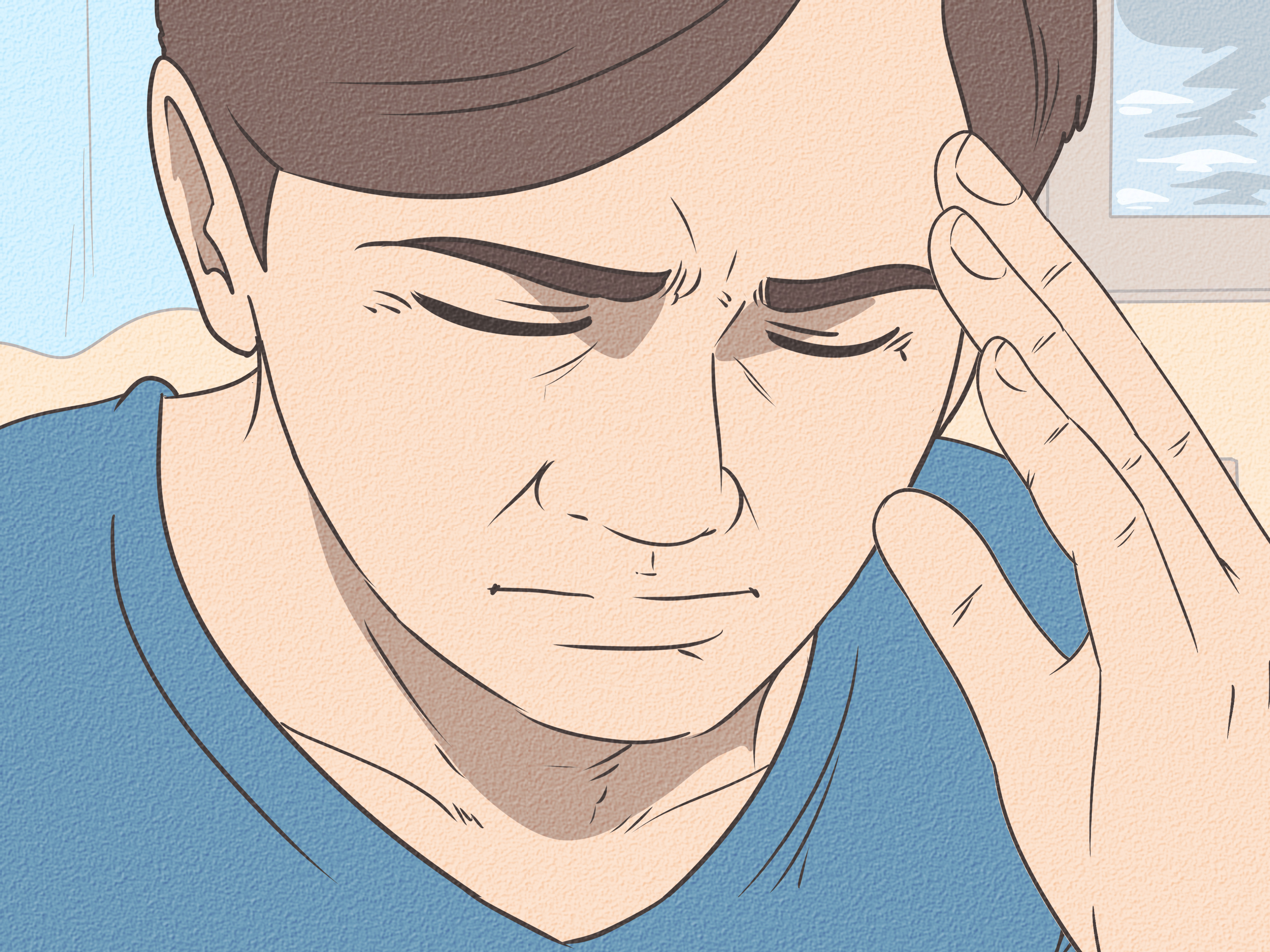
Before jumping into treatment, it helps to know what you are probably dealing with. A muscle strain in the middle of your back often causes soreness, tightness, tenderness, or spasms around the shoulder blades or along the thoracic spine. The pain may feel worse when you twist, lift, reach, cough, laugh, or sit in one position too long. Some people describe it as a sharp pull at first, followed by an achy, stubborn stiffness that hangs around like an uninvited guest.
That said, not every middle back pain is “just a strain.” If the pain started after a fall or accident, wraps around your chest, comes with numbness, tingling, weakness, fever, trouble breathing, bladder or bowel changes, or gets steadily worse instead of better, you need medical care. The middle back is less likely than the lower back to ache for no reason, so new or severe thoracic pain deserves a little extra respect.
Easy Way #1: Calm the Injury Down First
Use relative rest, not total bed rest
One of the biggest recovery mistakes is going all the way to one extreme. Some people try to “push through it” like nothing happened. Others declare permanent residence on the couch. Neither strategy wins awards. In the first couple of days, the goal is relative rest. That means reducing movements that clearly aggravate the strain, such as heavy lifting, repeated bending, hard twisting, or intense workouts, while still doing gentle daily movement.
Total bed rest can actually backfire. Your back muscles stiffen up, your joints get cranky, and getting up afterward feels like your body has become a rusty folding chair. Instead, think short walks, light house movement, and position changes throughout the day. Your muscles need a chance to settle down, but they also like circulation and reasonable activity.
Ice early if the strain is fresh
If the strain is recent, cold therapy can help reduce pain and quiet the irritated tissue. Wrap an ice pack or a bag of frozen vegetables in a cloth and place it on the sore area for about 15 to 20 minutes at a time. Do not put ice directly on the skin, and do not leave it on long enough to turn yourself into a human popsicle. During the first day or two, several short sessions usually work better than one long, heroic session.
Cold is especially useful when the area feels inflamed, tender, or freshly aggravated. Some people also notice that muscle spasms calm down a bit after icing. If cold feels terrible after the early stage passes, that is your cue to stop trying to force a treatment that your back is clearly not voting for.
Consider simple pain relief if needed
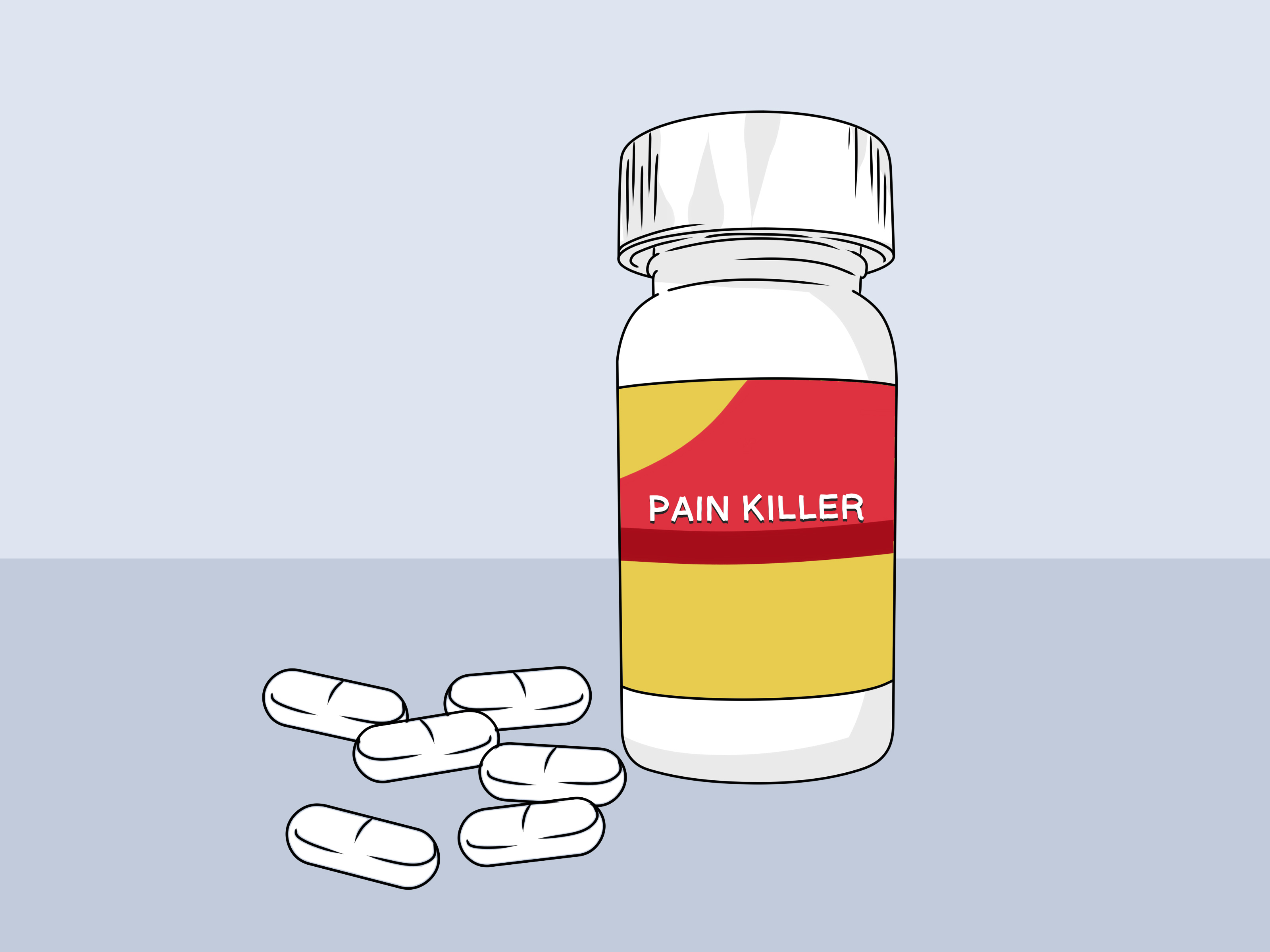
If the pain is keeping you from sleeping, moving, or functioning like a person, over-the-counter pain relievers may help. Acetaminophen or nonsteroidal anti-inflammatory drugs such as ibuprofen or naproxen are common options, but they are not a free-for-all. Follow the label directions, consider your personal medical history, and ask a clinician or pharmacist if you have stomach, kidney, liver, bleeding, or other medication concerns.
The point of pain relief is not to fool yourself into lifting a couch on day two. It is to make normal movement, sleep, and recovery more manageable.
Easy Way #2: Keep Moving Gently So You Don’t Stiffen Up
Walking is underrated and weirdly effective
Once the sharpest pain settles, gentle movement becomes one of the best tools you have. Walking is often the least dramatic and most useful option. It increases blood flow, keeps your joints from getting stiff, and helps your back remember that movement is not a threat. You do not need to march like you are training for a parade. Start with five to ten minutes at an easy pace and build up as tolerated.
If walking feels okay, that is a good sign. If every step makes the pain spike sharply, scale back and reassess. Recovery likes consistency more than intensity.
Change positions before your back protests
Staying in one position too long can make a middle-back strain feel worse, especially if you work at a desk or drive for long periods. Try standing up, stretching lightly, or walking around every 30 to 60 minutes. Small adjustments often help more than one giant stretch session at the end of the day.
Your setup matters, too. If you are slumping over a laptop like a question mark, your irritated muscles are doing extra work. Sit with your feet supported, shoulders relaxed, and screen closer to eye level. Good posture does not mean sitting like a board with military-level tension. It means stacking your body in a way that does not ask your middle back to do overtime.
Try easy range-of-motion moves
When the pain starts to ease, add a few gentle movements to keep the area from getting stuck. Think soft and controlled, not deep and dramatic. A few options include shoulder rolls, squeezing your shoulder blades together lightly, or doing a gentle thoracic extension over the back of a chair. If any movement creates sharp pain, numbness, or more spasm, back off.
This is also the stage where many people learn an annoying but important truth: stretching too aggressively can absolutely make a back strain worse. Your muscles are injured, not auditioning for a flexibility contest.
Easy Way #3: Switch to Heat and Rebuild Support
Use heat when stiffness becomes the bigger issue
After the early injury stage, heat often feels better than ice. A heating pad, warm shower, or warm compress can help relax tight muscles and make movement less miserable. Use heat for short sessions, usually up to 15 to 20 minutes, and never sleep on a heating pad unless you enjoy terrible ideas.
Heat is especially helpful before gentle stretching or light activity. It does not “cure” the injury by itself, but it can make your muscles more cooperative, which is a real quality-of-life upgrade.
Add gentle stretching gradually
Once you are past the very acute phase and basic movement feels more tolerable, gradually add stretching. Good middle-back-friendly options may include a doorway chest stretch, child’s pose if it feels comfortable, seated thoracic rotation within a pain-free range, and a cat-cow style spinal mobility move. None of these should feel like punishment. Aim for mild tension, steady breathing, and smooth movement.
A good rule is simple: stretching should leave the area feeling looser, not angrier. If you finish and your back starts sending strongly worded complaints, ease up next time.
Strengthen the muscles that support your spine
As healing continues, the long game is building support around your spine so the strain is less likely to return. That usually means strengthening your core, upper back, and postural muscles. Exercises like wall angels, rows with light resistance, bird-dog variations, and guided core work can all play a role, depending on your starting point and symptoms.
This does not have to turn into a full fitness identity shift. You do not need to become the kind of person who says “posterior chain” at brunch. You just need enough support and mobility that daily tasks stop ambushing your back.
If you are unsure where to start, physical therapy can be extremely helpful. A good physical therapist can identify movement habits, weakness, and posture patterns that may have contributed to the strain in the first place, then build a plan that fits your body and routine.
Mistakes That Can Slow Healing
- Doing too much too soon: Feeling slightly better is not the same as being fully healed.
- Staying completely inactive: Too little movement can increase stiffness and delay recovery.
- Stretching aggressively: More intensity is not always more progress.
- Ignoring posture and body mechanics: The same habits that irritated your back can keep re-irritating it.
- Treating severe or unusual pain like a routine strain: Red-flag symptoms should not be brushed off.
When to See a Doctor for Middle Back Pain
Home treatment is reasonable for a mild strain that is already starting to improve. But you should get medical help if your pain is severe, follows an injury or fall, lasts more than a few weeks without improvement, or interferes with normal daily activities. You should also seek prompt care if you have pain with fever, night sweats, unexplained weight loss, weakness, tingling, numbness, trouble urinating, loss of bladder or bowel control, or pain that radiates into the arms or legs.
In other words, if your back pain seems to be telling a much bigger story than “I lifted something awkwardly,” listen.
How Long Does a Middle Back Strain Take to Heal?
Recovery time depends on how severe the strain is, your general health, your activity level, and whether you keep re-aggravating the area. Mild strains may improve within several days, while more noticeable ones can take a few weeks. If symptoms linger beyond that, a professional evaluation is worth it. Sometimes the issue is still muscular. Sometimes it is posture-related. Sometimes it is not a strain at all. Your back does love a plot twist.
What Recovery Often Feels Like in Real Life
Reading medical advice is useful. Living through a middle-back strain is a different sport. In real life, recovery rarely feels like a straight line. One day you think, “Great, I’m basically fixed.” The next day you reach into the back seat for a water bottle and suddenly remember every bad decision you have ever made with your spine.
A common experience is the desk-worker strain. It usually starts after too many hours hunched over a laptop, followed by one random movement that tips the whole thing over the edge. The pain sits between the shoulder blades, posture feels impossible, and even taking a deep breath can remind you that your muscles are not thrilled. People in this situation often do best when they stop expecting one magical stretch to solve everything. What helps is a boring but effective combination of walking breaks, screen-height fixes, gentle shoulder and thoracic mobility work, and not sitting frozen for three hours at a time.
Then there is the weekend-warrior version. This is the classic “I moved furniture like I was on a home renovation show” strain. At first, it feels like a quick pull. By evening, the middle back locks up, twisting becomes dramatic, and putting on a shirt turns into interpretive dance. These people often improve when they respect the first 48 hours instead of trying to “work it out” with another hard workout. Ice, relative rest, short walks, and later heat plus gentle mobility tend to work better than pretending pain is a personality trait.
Parents and caregivers often describe another pattern: they cannot fully rest because life keeps happening. Kids still need to be lifted, groceries still exist, and laundry continues its campaign against humanity. For them, healing usually depends on tiny adjustments rather than perfect recovery conditions. That may mean bending with the legs more often, holding loads closer to the body, asking for help with heavier tasks, and using five-minute movement breaks whenever possible. Recovery becomes less about escaping daily life and more about moving through daily life more intelligently.
Emotionally, back strains can be surprisingly frustrating. Because pain shows up during normal movements, people start guarding every turn, reach, and breath. That tension can make the muscles even tighter. Many people feel better once they realize that cautious movement is usually helpful and that soreness does not automatically mean damage is getting worse. Respect the pain, yes. Worship it, no.
Another very real part of the experience is overconfidence. Once the pain drops by 50 percent, the temptation is immediate: deep-clean the house, return to full workouts, carry the giant backpack, or prove to yourself that you are “back.” This is usually the moment the strain taps you on the shoulder and says, “Absolutely not.” Gradual return is not glamorous, but it is often what separates a one-week annoyance from a month-long rerun.
Most people who recover well learn the same lesson in the end: the best healing plan is usually simple, consistent, and much less dramatic than the internet wants it to be. Calm it down. Move a little. Add heat and gentle strength as it improves. Repeat. Your middle back is not asking for a miracle. It is asking for sane decisions.
Final Thoughts
If you have a muscle strain in the middle of your back, start simple. First, calm the irritated tissue with relative rest, cold therapy, and sensible pain relief if needed. Second, keep moving with easy walking and gentle position changes so you do not stiffen into a cardboard statue. Third, switch to heat and gradual stretching and strengthening as the pain settles down. That three-part approach is simple because it works, not because your back enjoys being easy.
And if your symptoms seem severe, unusual, or stubborn, let a healthcare professional take a look. Sometimes a strain is just a strain. Sometimes your body is waving a larger red flag. Either way, listening early usually beats regretting it later.
SEO Tags