
Getting an injection is one of life’s least glamorous plot twists. One minute you’re being brave in a paper gown or rolling up your sleeve like a champion, and the next your arm, thigh, or injection site is acting like it has been personally betrayed. The good news is that mild soreness after an injection is common, and in many cases, it fades with simple home care.
Whether you just had a vaccine, a vitamin shot, a steroid injection, or a prescribed medication under the skin, post-injection discomfort usually comes from two things: the tiny bit of tissue irritation caused by the needle and the body’s natural inflammatory response. In plain English, your body noticed that something happened and has decided to file a small complaint. Most of the time, that complaint sounds like tenderness, mild swelling, redness, stiffness, or a dull ache that lasts a day or two.
If the pain is mild to moderate, there are a few easy ways to feel better without turning your day into a dramatic medical saga. Below are three practical, evidence-based strategies that can help reduce pain after an injection, plus a few smart reminders about when soreness is normal and when it deserves a call to your healthcare provider.
Why Injection Pain Happens in the First Place
Before fixing the problem, it helps to know what you’re dealing with. Injections can hurt for different reasons depending on the type of shot, where it was given, how tense the muscle was, and how your body reacts afterward. A vaccine in the upper arm may leave you with that famous “I suddenly regret sleeping on my left side” soreness. A steroid injection can produce tenderness for a short time before the medicine starts doing its job. A subcutaneous medication can cause redness, a small lump, or localized irritation.
In many routine cases, mild pain after an injection is not a sign that anything went wrong. It simply means the tissue is temporarily irritated. That said, pain that becomes intense, keeps getting worse, or comes with major swelling, fever, trouble breathing, or spreading redness should not be brushed off. More on that in a minute.
1. Use a Cold Compress Early
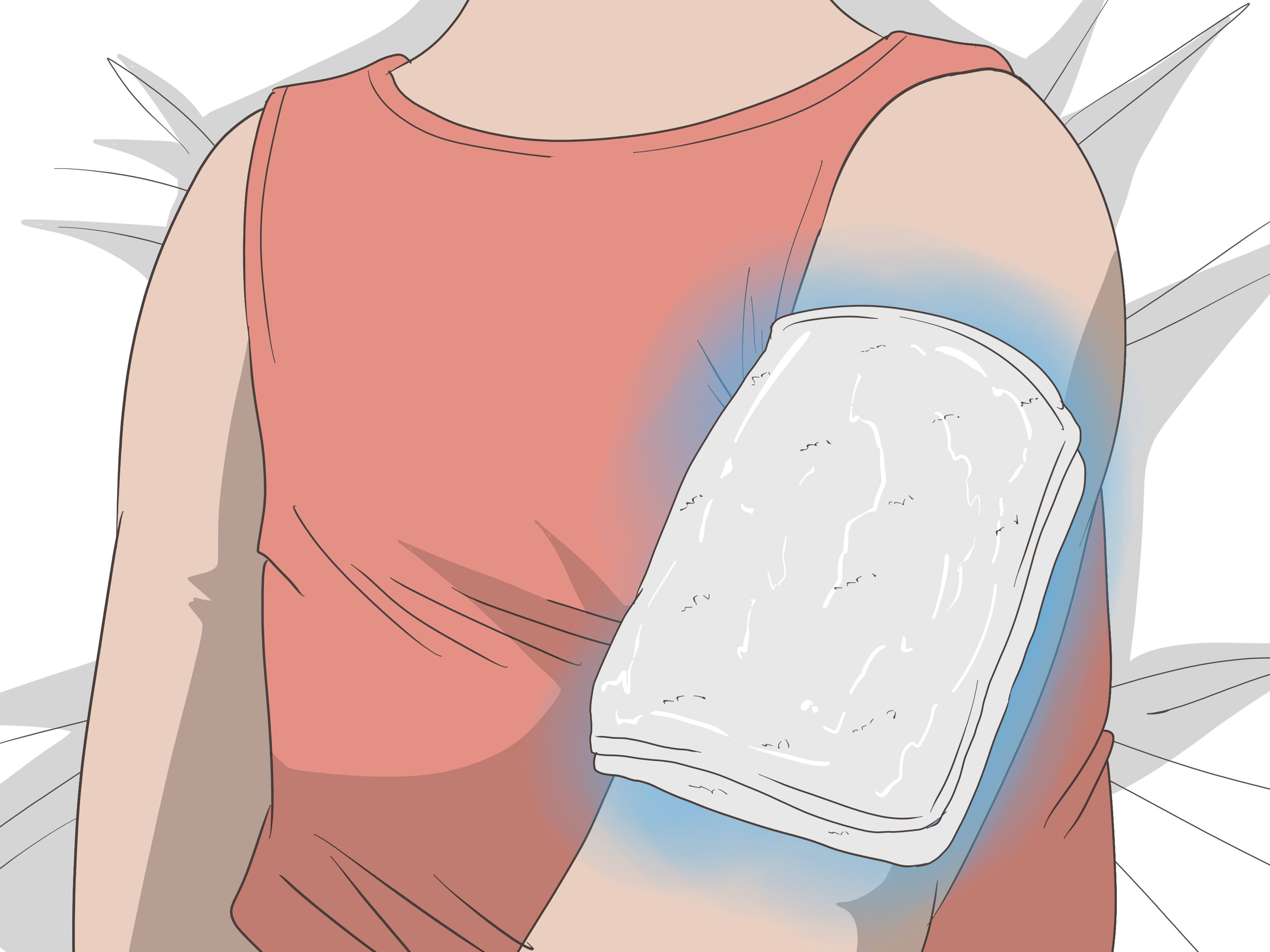
If you want one simple trick that does a lot of heavy lifting, this is it: apply a cold compress to the sore area soon after the injection. Cold helps calm inflammation, reduce swelling, and dull the aching sensation that can build up in the hours after a shot.
How to do it the right way
Wrap an ice pack or cold pack in a thin towel or cloth. Then place it on the injection site for about 10 to 20 minutes at a time. Do not put ice directly on bare skin unless you enjoy avoidable irritation, which would be a strange hobby. Give your skin breaks between sessions, and repeat as needed during the first day.
This method works especially well for an arm that feels hot, puffy, or tender after a vaccine or other injection. It can also be helpful after certain medication injections that cause local irritation. If the area is swollen, cooling it early often makes the rest of the day much more comfortable.
What to avoid
- Do not leave ice on for too long.
- Do not place frozen items directly on the skin.
- Do not massage a very sore or inflamed area aggressively right away.
Some people find that warmth feels better later, especially once the sharp soreness has settled and what remains is stiffness. A warm, damp cloth can be soothing after the first phase of swelling has calmed down. Think of cold as the early firefighter and warmth as the later cleanup crew.
2. Keep the Area Gently Moving
When something hurts, the natural instinct is often to freeze like a statue and protect it at all costs. That makes emotional sense. Unfortunately, it is not always the best strategy for post-injection soreness.
Gentle movement can help keep the surrounding muscles from stiffening up, improve circulation, and reduce that tight, locked-up feeling that sometimes shows up after a shot. If the injection was in your arm, simple movements such as slowly bending and straightening the elbow, making circles with the shoulder, or casually using the arm during light daily activities can help. If the injection was in the thigh, an easy walk around the house may feel better than turning yourself into a couch fossil.
What “gentle movement” actually means
You do not need a heroic workout montage. You do not need to do push-ups to prove you are stronger than soreness. You just need enough movement to prevent stiffness.
- Take a short walk.
- Use the arm or leg normally for light tasks.
- Try a few slow stretches if they feel comfortable.
- Stop if the movement causes sharp pain.
There is a difference between helpful movement and overdoing it. Heavy lifting, intense upper-body exercise, or repetitive strain right after an injection may make the area angrier instead of calmer. The sweet spot is light use, not punishment.
Why this works
After an injection, the surrounding tissue may become a little inflamed. When you keep the area completely still, it can feel more stiff and achy. Gentle motion helps the muscle stay loose and can make the soreness feel less dramatic by the end of the day. For many people, this is the difference between “I notice it” and “Why does my arm feel like I arm-wrestled a tractor?”
3. Use Smart Pain Relief and Aftercare
Sometimes cold packs and light movement are enough. Sometimes your body decides to be extra theatrical. When soreness is more annoying than alarming, smart aftercare can help you stay comfortable while the injection site settles down.
Consider over-the-counter pain relief if it is safe for you
Acetaminophen or ibuprofen may help reduce discomfort after an injection, but only use them if your healthcare provider says they are appropriate for you. Not every pain reliever is right for every person. Age, pregnancy, allergies, stomach problems, kidney disease, liver disease, blood thinners, and other medications can all matter.
That is why the safest rule is simple: use over-the-counter pain medicine only according to the label and only if it is considered safe for your situation. Do not stack medications randomly like you are improvising chemistry. If you are giving a child medicine, always follow the clinician’s guidance and dosing instructions.
Try a few low-effort comfort measures
- Wear loose-fitting clothing if fabric rubbing the site makes it worse.
- Keep the area clean and avoid scratching or rubbing it.
- Rest if you feel run-down, but do not stay completely immobile.
- Drink fluids if you also feel mildly achy or feverish after a vaccine.
These small details matter more than people think. Tight sleeves, constant touching, or friction from a waistband can turn a mildly irritated site into one that feels tender all day. Good aftercare is not fancy. It is just practical.
If this is a recurring issue, plan ahead next time
If you always seem to get a sore arm after a shot, there are a few things worth remembering for the future. Try to relax the muscle before the injection instead of tensing it like you are bracing for a shark attack. Ask whether the non-dominant arm is a good choice for a vaccine. And schedule the shot on a day when you do not need to do heavy physical work immediately afterward.
These steps will not make every injection painless, but they can reduce the odds of feeling miserable later.
When Post-Injection Pain Is Normal and When It Is Not
Mild pain, soreness, slight redness, and a little swelling at the injection site are all common after many shots. Symptoms often improve within a few days. That is the normal, boring, non-dramatic version of events, and boring is good here.
However, you should contact a healthcare provider if any of the following happens:
- The pain gets worse instead of better.
- The redness spreads or there are red streaks.
- The area becomes very warm, very swollen, or increasingly hard.
- You develop a fever or feel significantly unwell.
- You have a rash, hives, or itching that seems more than mild irritation.
- You have trouble moving the limb because of severe pain.
- You notice drainage, pus, or signs of infection.
- You have swelling of the lips, mouth, or throat, or trouble breathing.
Those symptoms can point to a more serious reaction, infection, or allergy. They are not the time for guesswork or “let’s see what happens by next Tuesday.” If breathing trouble, facial swelling, or a severe allergic reaction occurs, seek emergency help right away.
Common Mistakes That Can Make Injection Pain Worse
Sometimes the problem is not the injection. It is the follow-up. Here are a few surprisingly common mistakes:
1. Doing nothing at all
If the area is sore and swollen, a cold pack can help. Skipping that easy step may leave you needlessly uncomfortable.
2. Overusing the muscle immediately
Light movement helps, but intense exercise can backfire, especially if the injection was intramuscular and the muscle is already irritated.
3. Using medicine carelessly
More is not better. Mixing products without checking ingredients, doubling up on acetaminophen, or taking a medicine that is not safe for you is not a pain-management strategy. It is a future regret.
4. Ignoring red flags
Normal soreness fades. Worsening pain, expanding redness, a hard painful lump that keeps growing, or systemic symptoms deserve medical attention.
Experiences People Commonly Have After an Injection
One reason post-injection pain feels so annoying is that it can be unpredictable. You may feel almost nothing at the appointment, stroll out feeling victorious, and then later that evening realize your arm has become weirdly opinionated. That delayed soreness is common. For some people, the discomfort starts within a few hours. For others, it shows up the next morning when they reach for a coffee mug and suddenly remember every life choice that led to “upper arm shot day.”
A very typical experience is this: the injection itself feels like a quick pinch, then the site is mostly fine for a while. Later, the area starts to feel tender when touched. Sleeping on that side becomes a terrible idea. Pulling on a shirt turns into a minor event. Reaching into a cabinet feels oddly dramatic. None of this is usually dangerous, but it can be inconvenient enough to make people think something unusual happened, even when it did not.
Another common experience is mild redness or a small firm area around the site. With some injections, especially those given under the skin, people may notice a little lump, itching, or localized irritation. That can be unsettling if you were expecting the site to look completely normal. In many cases, it settles down on its own. The key is to watch the direction things are moving. If the area is gradually improving, that is reassuring. If it is getting hotter, redder, more swollen, or much more painful, that is different.
Parents also notice that kids can respond in ways that are less verbal and more theatrical. A child may be clingy, cranky, tired, or suddenly convinced that the injected leg or arm has retired from all responsibilities forever. Gentle comfort, fluids, light movement, and clinician-approved pain relief can help. Adults, for the record, are not always more dignified. Many grown people quietly become very dramatic about sore arms while pretending to be completely fine.
People who get recurring injections often become surprisingly strategic. They wear loose sleeves, choose a time when they do not need to lift anything heavy, keep a cold pack ready at home, and remember not to tense the muscle during the shot. That is not overthinking. That is wisdom earned the hard way.
Perhaps the most reassuring experience of all is the most boring one: the soreness fades. The arm loosens up. The swelling settles. The area becomes less noticeable by the day. That is the usual pattern. Injection pain can be annoying, inconvenient, and rude, but it is often temporary. Knowing what is normal, what helps, and what should not be ignored makes the whole experience much easier to manage.
Conclusion
If you are dealing with pain after an injection, the simplest fixes are often the best ones. Start with a cold compress, keep the area gently moving, and use safe pain relief and sensible aftercare if needed. Those three steps can make a real difference without requiring anything fancy.
Just as important, pay attention to how the site changes over time. Mild soreness that gradually improves is usually part of the normal post-injection experience. Pain that becomes severe, spreads, or comes with fever, drainage, major swelling, or breathing problems is a different story and should be evaluated promptly.
In other words, treat mild soreness with calm confidence, treat worsening symptoms with appropriate caution, and maybe do not schedule intense upper-body gym day right after a shot. Your future self may thank you very much.