
Mineral deposits are the tiny villains of a clean home. They do not kick down the door. They do not announce themselves with dramatic music. They simply wait for hard water to dry on your faucet, shower door, kettle, coffee maker, sink, toilet, or dishwasher, and then they leave behind that chalky white crust that makes everything look older than it is. Charming? Not exactly. Persistent? Absolutely.
The good news is that cleaning mineral deposits does not require a science degree, a hazmat suit, or a shopping cart full of mysterious cleaners with names that sound like rejected superhero villains. Most household mineral buildup comes from hard water, which contains minerals such as calcium and magnesium. When water evaporates, the minerals stay behind. Over time, those leftovers become limescale, calcium deposits, hard water stains, cloudy film, and faucet crust.
This guide breaks down 3 ways to clean mineral deposits using practical, surface-safe methods: a vinegar soak, a citric acid or lemon treatment, and a gentle scrub-and-prevent routine. Each method works best in different situations, so the trick is not cleaning harder. It is cleaning smarter. Your wrists will thank you.
What Are Mineral Deposits?
Mineral deposits are the residue left behind when mineral-rich water dries. In many homes, the main culprits are calcium and magnesium. These minerals are not usually dangerous in household water, but they are excellent at making faucets look crusty, glass look cloudy, showerheads spray sideways like a confused garden sprinkler, and coffee taste like it was brewed through a sidewalk.
Hard water stains usually appear as white, gray, or cloudy marks. On metal fixtures, they can form a rough ring around faucet bases or aerators. On glass shower doors, they create a foggy film that refuses to disappear with regular soap. In toilets, they may show up as rings or streaks. In appliances, mineral scale can reduce efficiency, clog spray holes, and make heating elements work harder than they should.
Before You Start: A Few Safety Rules
Before cleaning mineral deposits, pause for one tiny but important household safety speech. Do not mix cleaners. In particular, never mix vinegar, lemon juice, citric acid, or other acidic products with bleach. That combination can release dangerous fumes. Cleaning should make your bathroom sparkle, not turn it into a chemistry lab with poor ventilation.
Also, check the surface before using acidic cleaners. Vinegar and lemon juice are useful because they are acidic, but that same acidity can damage natural stone such as marble, limestone, travertine, and some stone sealers. Avoid acids on these surfaces unless the manufacturer or stone professional says it is safe. When in doubt, test in a hidden spot first and use the gentlest method possible.
Now, gloves on. Microfiber cloth ready. Let us evict the crust.
Way 1: Use a White Vinegar Soak for Faucets, Showerheads, and Glass
White vinegar is the classic hard water cleaner because it contains acetic acid, a mild acid that helps dissolve calcium-based buildup. It is affordable, easy to find, and surprisingly effective for many mineral deposits on glass, chrome, stainless steel, porcelain, and plastic fixtures. Think of vinegar as the polite guest who quietly does the work while stronger cleaners are still reading their warning labels.
Best For
This method works well for faucet tips, showerheads, sink fixtures, glass shower doors, tile, porcelain sinks, and light to moderate hard water stains. It is especially useful when mineral deposits are blocking water flow, such as on a faucet aerator or showerhead nozzles.
What You Need
- Distilled white vinegar
- Warm water
- Plastic bag or bowl
- Rubber band or twist tie
- Microfiber cloth
- Soft toothbrush or non-scratch sponge
- Gloves
How to Clean Mineral Deposits With Vinegar
For a showerhead, fill a plastic bag with equal parts white vinegar and warm water. Slip the bag over the showerhead so the nozzles are submerged, then secure it with a rubber band. Let it soak for 30 minutes to an hour. For heavy buildup on a durable finish, you may need longer, but avoid extended soaking on delicate finishes such as brass, oil-rubbed bronze, or specialty coatings.
After soaking, remove the bag and run hot water through the showerhead for a minute. Use a soft toothbrush to loosen any remaining deposits around the spray holes. Wipe dry with a microfiber cloth. If your showerhead was spraying in twelve directions before, this is the moment when it remembers its actual job.
For faucets, soak a cloth in a 50/50 vinegar and warm water solution. Wrap the cloth around the mineral-crusted area and let it sit for 15 to 30 minutes. Then gently scrub with a soft sponge or toothbrush, rinse thoroughly, and dry. For faucet aerators, unscrew the aerator if possible, soak it in vinegar solution, rinse, and reinstall.
For glass shower doors, spray a 50/50 mixture of vinegar and water onto the stained glass. Let it sit for 10 to 15 minutes for mild stains or up to 30 minutes for tougher deposits. Wipe with a non-scratch sponge, rinse well, and dry completely. The drying step matters. Leaving water behind is like inviting the mineral deposits back for brunch.
When Vinegar Is Not Enough
If vinegar improves the stain but does not remove it completely, repeat the soak rather than attacking the surface with aggressive scrubbing. Mineral deposits usually respond better to dwell time than brute force. Scratching your faucet while trying to clean it is a tragic plot twist nobody asked for.
Way 2: Use Citric Acid or Lemon for Kettles, Coffee Makers, and Small Fixtures
Citric acid is another mild acid that works well on mineral scale. It is commonly used for descaling kettles, coffee makers, and small appliances because it dissolves mineral buildup without the strong vinegar smell. Lemon juice also contains citric acid, although it is usually less concentrated than powdered citric acid. Lemon smells fresher, but powdered citric acid is often more predictable for cleaning.
Best For
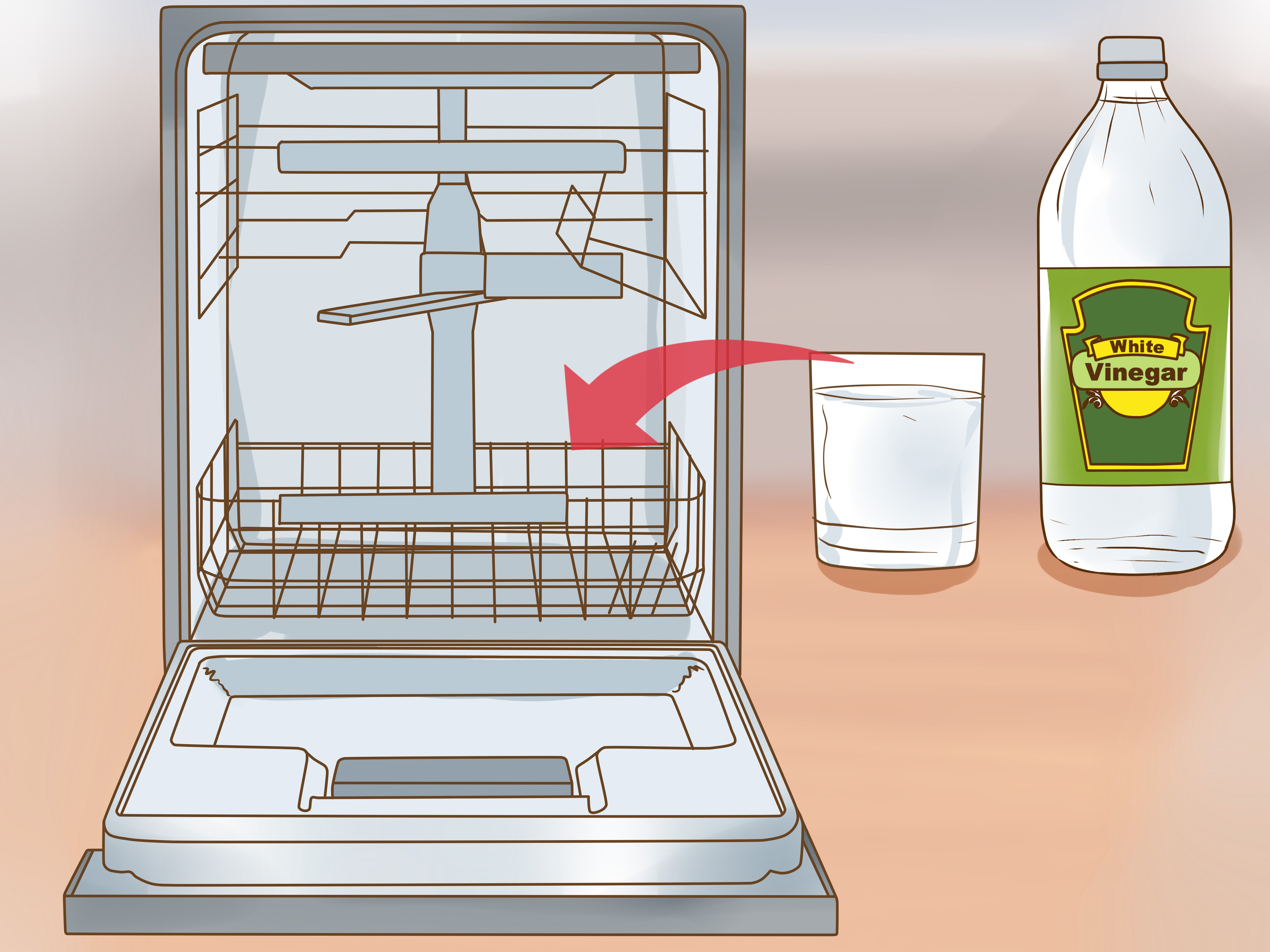
Use citric acid for electric kettles, coffee makers, tea kettles, humidifier tanks, removable faucet parts, glassware with cloudy film, and dishwasher interiors when the appliance manual allows it. Always check manufacturer instructions first, especially for appliances with rubber seals, specialty coatings, or internal components.
What You Need
- Food-grade citric acid powder or fresh lemon juice
- Warm water
- Measuring spoon
- Microfiber cloth
- Soft sponge
How to Clean Mineral Deposits With Citric Acid
For a kettle, add about one tablespoon of citric acid to one cup of water, or use a stronger solution for heavy scale if the appliance manual allows it. Fill the kettle enough to cover the mineral deposits, bring the solution to a boil, then turn it off and let it sit for 15 to 30 minutes. Pour it out, rinse several times, and boil a fresh batch of plain water before using the kettle for drinks.
For a coffee maker, follow the manufacturer’s descaling directions. Many drip coffee makers can be descaled with a water-and-descaler solution, and some allow vinegar or citric acid. Run the descaling cycle, then run two or more cycles with clean water to rinse the system. Nobody wants coffee with notes of “cleaning day” and “regret.”
For small removable parts, dissolve citric acid in warm water and soak the item for 15 to 30 minutes. Rinse thoroughly and dry. This can work on sink stoppers, aerators, removable showerhead pieces, and cloudy glass items. Use a soft brush only after soaking has loosened the deposits.
Can You Use Lemon Instead?
Yes, lemon can help with light mineral deposits. Cut a lemon in half and rub it over the stained area, or squeeze lemon juice onto a cloth and press it against the deposit. Let it sit briefly, scrub gently, rinse, and dry. Lemon works nicely for small stains around faucets and fresh spots on glass. For heavy buildup, powdered citric acid or vinegar is usually more efficient.
Way 3: Use a Gentle Baking Soda Scrub and Prevent New Buildup
Baking soda is not an acid, so it does not dissolve mineral deposits the same way vinegar or citric acid does. Its strength is gentle abrasion. Once an acidic soak has loosened the scale, baking soda can help lift the remaining residue without scratching many durable surfaces. Used carefully, it is the cleanup crew after the acid has done the diplomatic negotiations.
Best For
This method is useful for sinks, tubs, tile, porcelain toilets, shower glass, faucet bases, and stubborn leftover mineral film after soaking. It is also helpful for areas where mineral deposits mix with soap scum, body oils, or grime. That combination is common on shower doors and tubs, where hard water and soap residue team up like a deeply annoying buddy comedy.
What You Need
- Baking soda
- Water
- White vinegar or citric acid solution
- Non-scratch sponge
- Soft toothbrush
- Microfiber cloth
How to Use the Scrub Method
First, treat the mineral deposits with vinegar or citric acid and let the cleaner sit long enough to loosen the buildup. Rinse lightly. Then make a paste with baking soda and a small amount of water. Apply the paste to the stained area and scrub gently in circular motions with a non-scratch sponge or soft toothbrush. Rinse thoroughly and dry.
For toilets, pour vinegar into the bowl and let it sit, especially around the mineral ring. Sprinkle baking soda onto the stained area, scrub with a toilet brush, and flush. Repeat if necessary. For severe toilet mineral rings, a pumice stone designed for porcelain may help, but use it only on wet porcelain and never on fiberglass, plastic, enamel, or delicate finishes.
For shower glass, use a light touch. Baking soda can help remove residue, but aggressive scrubbing may scratch some surfaces. The goal is gentle polishing, not sanding the glass like you are restoring a pirate ship.
Prevention: The Secret Fourth Step
Cleaning mineral deposits is satisfying. Preventing them is better. After cleaning, dry surfaces with a microfiber cloth. Use a squeegee on shower glass after each shower. Wipe faucet bases before water dries. Clean showerheads monthly if your area has hard water. Use rinse aid in the dishwasher if dishes come out spotty. If mineral deposits are constant and severe, consider testing your water hardness or asking a plumbing professional about water softening options.
Small habits make a big difference. A ten-second wipe after using the sink can save a thirty-minute cleaning session later. Hard water is patient, but you can be more consistent.
Where Mineral Deposits Hide Around the Home
Mineral deposits are sneaky. They do not limit themselves to the obvious places. Check faucet aerators, showerhead nozzles, sink drains, tub spouts, toilet bowls, dishwasher interiors, refrigerator water dispensers, coffee makers, kettles, humidifiers, glassware, tile grout lines, and the base of fixtures. Anywhere water sits, splashes, drips, or evaporates can become a mineral deposit landing zone.
If you notice weak water flow from a faucet, unscrew the aerator and inspect the screen. It may be packed with tiny mineral particles. If your shower pressure has dropped, the showerhead may not be broken; it may simply be scaled over. If your dishwasher leaves cloudy film on glasses, hard water minerals may be part of the problem. Cleaning the appliance and using rinse aid can help, but recurring problems may require a broader water-quality solution.
What Not to Use on Mineral Deposits
Avoid harsh abrasive pads on shiny metal, glass, acrylic, fiberglass, and specialty finishes. Steel wool may remove the deposit, but it can also leave scratches or metal particles that rust. Avoid acidic cleaners on marble, limestone, travertine, and other acid-sensitive stone. Avoid mixing products, especially bleach with vinegar or other acids. Avoid letting any cleaner sit longer than the label or manufacturer recommends.
Commercial calcium, lime, and rust removers can be effective for stubborn mineral deposits, but read the label carefully. These products are often stronger than household vinegar and may not be safe for every surface. Use gloves, ventilate the area, and rinse well. More powerful does not always mean better. Sometimes it just means “more likely to damage the thing you were trying to rescue.”
Real-Life Experience: What Actually Works When Mineral Deposits Get Stubborn
In real homes, mineral deposits rarely behave like the neat before-and-after photos online. A faucet may clean up beautifully in 15 minutes, while the shower door stares back at you like it has signed a long-term lease. The most important lesson from cleaning hard water stains is that dwell time beats scrubbing. When people say vinegar “didn’t work,” they often sprayed it on, wiped immediately, and expected the calcium deposits to surrender. Mineral scale is stubborn. It needs time to soften.
One practical approach is to treat mineral deposits like a layered problem. First, remove ordinary dirt and soap scum with warm water and a little dish soap. This clears away the oily film that can block vinegar or citric acid from reaching the mineral layer. Next, apply the acidic cleaner and keep the area wet. On vertical surfaces like shower glass, soaked paper towels can hold the solution in place. On faucets, a vinegar-soaked cloth wrapped around the base works better than repeatedly spraying and watching the cleaner run down the drain like it has somewhere better to be.
For showerheads, the bag method is a favorite because it is simple and oddly satisfying. Secure the vinegar solution around the showerhead, leave it alone, then come back and brush the nozzles. The first hot-water flush afterward often sends out little bits of loosened scale. It is not glamorous, but it is effective. If the spray pattern improves, you know the minerals were blocking the flow.
For glass shower doors, patience is everything. A quick vinegar spray can brighten light spots, but older hard water stains may need repeated treatments. The best results usually come from a sequence: clean with dish soap, soak with vinegar, gently polish with baking soda paste, rinse, then dry with microfiber. The final drying step is not optional. If droplets remain, new mineral spots begin forming almost immediately. It is like cleaning the kitchen and then making spaghetti sauce without a lid.
Another experience-based tip is to match the tool to the surface. A toothbrush is great around faucet seams and aerator threads. A non-scratch sponge is better for glass and porcelain. A microfiber cloth is best for finishing metal because it removes moisture without leaving lint. Old T-shirts can work in a pinch, but microfiber usually wins for shine.
Finally, prevention is the real hero. Once a surface is clean, wiping it dry takes far less energy than removing scale later. Keep a small microfiber cloth near the sink or a squeegee in the shower. Use it daily, even casually. You do not have to become a cleaning influencer with labeled bottles and a suspiciously perfect pantry. Just remove standing water before it dries. Mineral deposits cannot form where minerals do not get left behind.
Conclusion
Cleaning mineral deposits is really about understanding the enemy. Hard water leaves behind calcium and magnesium residue when it dries. Mild acids such as white vinegar and citric acid help dissolve that residue. Gentle scrubbing with baking soda can remove loosened buildup. Drying surfaces afterward helps keep the problem from coming back too quickly.
The best method depends on the surface. Use vinegar soaks for faucets, showerheads, and glass. Use citric acid for kettles, coffee makers, and small removable parts when allowed by the manufacturer. Use baking soda as a gentle finishing scrub after the scale has softened. Avoid acids on natural stone, never mix cleaners, and always rinse thoroughly.
Mineral deposits may be persistent, but they are not invincible. With the right cleaner, enough contact time, and a little prevention, your fixtures can stop looking like they spent the winter at the bottom of a cave. Clean water spots, smoother faucets, clearer glass, and better-flowing showerheads are all within reach. The crust has had its moment. Now it is your turn.