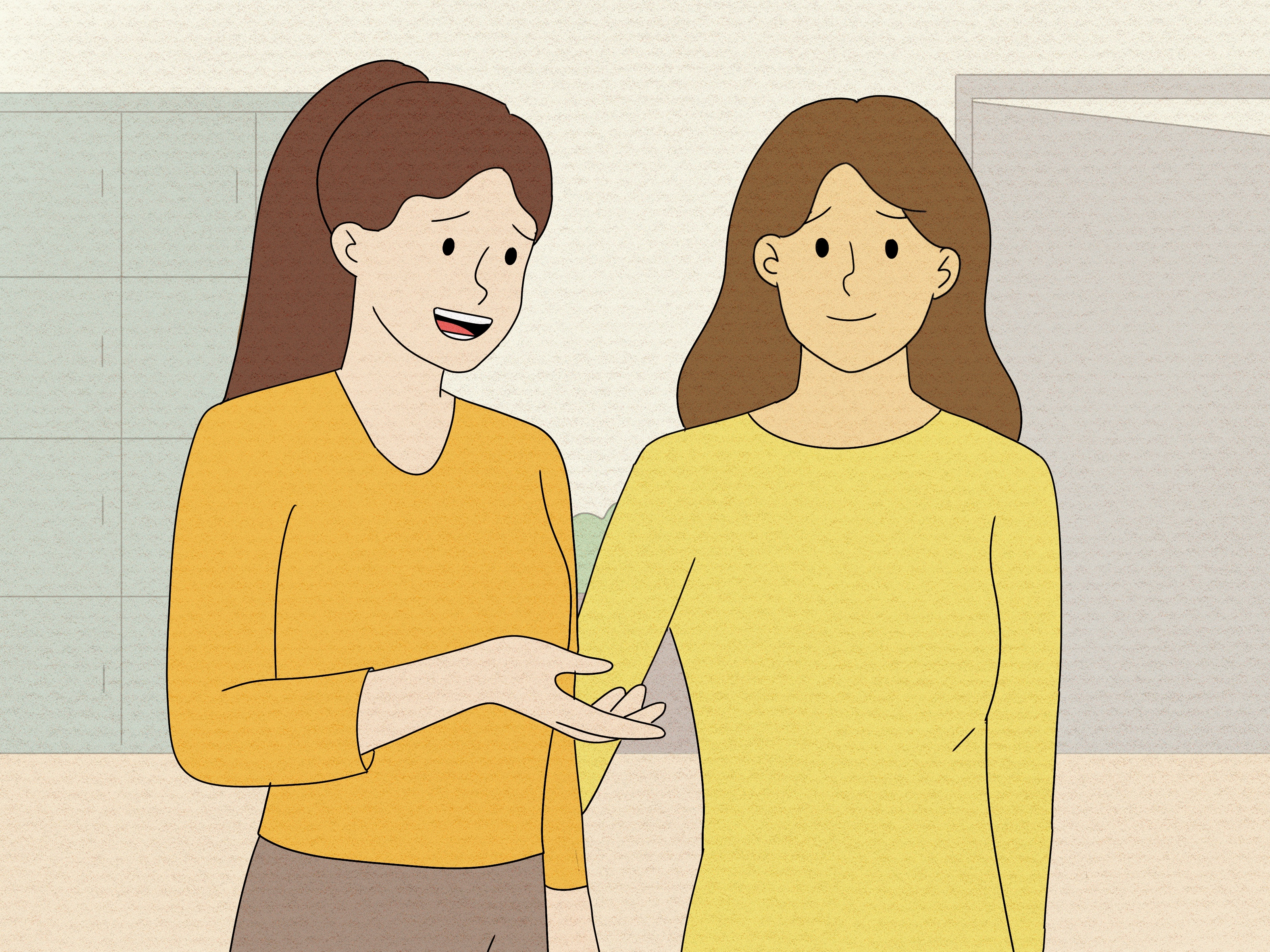

Adult temper tantrums are not just toddler behavior wearing business casual. They can show up in kitchens, conference rooms, parking lots, family group chats, customer service lines, and relationships where one person suddenly turns a normal disagreement into a full-volume emotional weather event. One minute you are discussing dinner plans; the next minute someone is slamming doors, throwing accusations, or announcing that nobody has ever understood them since 1998.
Here is the important part: an adult tantrum is not the same as ordinary anger. Anger can be reasonable, informative, and even useful. It tells us something feels unfair, unsafe, ignored, or violated. A tantrum, however, is anger or distress expressed in a way that overwhelms conversation. It often includes yelling, blaming, sarcasm, threats, crying, stomping away, interrupting, name-calling, or refusing to listen. In short, anger says, “Something is wrong.” A tantrum says, “Something is wrong, and now everyone within a twelve-foot radius must suffer the soundtrack.”
This article breaks down 3 ways to deal with an adult’s temper tantrum using practical, research-informed communication strategies: stay calm and safe, set boundaries without feeding the fire, and repair the conversation after emotions cool down. These methods do not require you to become a therapist, a hostage negotiator, or a human stress ball. They do require patience, emotional self-control, and the courage to stop rewarding bad behavior with unlimited attention.
What Is an Adult Temper Tantrum?
An adult temper tantrum is an intense emotional outburst that seems bigger than the situation calls for. It may involve explosive anger, dramatic withdrawal, verbal attacks, tears, threats, or a refusal to communicate respectfully. Sometimes the person is trying to control a situation. Sometimes they are emotionally overwhelmed and lack the tools to regulate themselves. Sometimes it is both, because human beings are complicated and rarely come with a neat instruction manual.
Adult tantrums can be connected to stress, anxiety, trauma, poor communication habits, substance use, sleep problems, relationship conflict, depression, ADHD, personality disorders, or long-standing patterns learned in childhood. But while understanding the possible cause can build compassion, it does not excuse harmful behavior. A person may have a reason for losing control; that does not mean they get a lifetime membership card to the “I Yell, Therefore I Win” club.
Why Adults Have Temper Tantrums
Most adult tantrums happen when a person feels blocked, embarrassed, powerless, rejected, criticized, or misunderstood. The trigger may look small from the outside, but internally it can feel enormous. For example, a partner asking, “Did you pay the bill?” might be heard as “You are irresponsible.” A coworker offering feedback might be heard as “You are incompetent.” A family member saying no might be heard as “You do not love me.”
When the brain senses threat, the body can shift into fight-or-flight mode. Heart rate rises, muscles tense, and clear thinking becomes harder. That is why trying to win a logical debate during a tantrum usually goes about as well as teaching algebra to a raccoon in a thunderstorm. The person may not be ready for problem-solving yet. Your first goal is not to prove your point. Your first goal is to prevent escalation.
1. Stay Calm and Protect Your Safety First
The first way to deal with an adult’s temper tantrum is to regulate yourself before trying to regulate the room. This sounds simple, but it is not easy. When someone raises their voice, insults you, or acts dramatically, your nervous system may want to fight back, freeze, defend, over-explain, or flee. That reaction is normal. Still, matching their intensity usually pours gasoline on the emotional barbecue.
Lower Your Volume and Slow the Pace
Speak more slowly than usual. Keep your voice low and steady. Use short sentences. Avoid sarcasm, eye-rolling, mocking, or dramatic sighs, even if the person is behaving like a malfunctioning smoke alarm. Calm body language matters too. Keep your hands relaxed, leave space between you, and avoid blocking exits. The goal is to communicate, “I am not here to attack you, but I am also not here to be attacked.”
Try phrases like:
- “I can see you are really upset.”
- “I want to understand, but I cannot do that while we are yelling.”
- “Let’s slow this down.”
- “I am going to give us both a minute.”
Notice that these statements do not agree with the tantrum. They simply acknowledge emotion and create a path away from chaos. Validation does not mean surrender. You can recognize that someone is upset without accepting their version of events, their insults, or their demand that the entire planet reorganize itself around their mood.
Do a Quick Safety Check
Before you think about communication techniques, ask yourself: “Is this safe?” If the person is throwing objects, blocking your exit, threatening violence, driving recklessly, intoxicated, harming themselves, or frightening children or pets, this is no longer a communication problem. It is a safety problem.
In unsafe situations, leave if you can. Go to a room with an exit, call a trusted person, contact emergency services if there is immediate danger, or reach out to a crisis or domestic violence support resource. Do not stay in a dangerous situation because you are trying to be “nice.” Nice is for birthday cards and holding doors open. Safety comes first.
Do Not Try to Out-Tantrum the Tantrum
When someone is mid-outburst, it is tempting to correct every exaggeration. They say, “You never listen!” and you want to present Exhibit A through Exhibit Z proving that you listened last Tuesday at 7:42 p.m. Resist the urge. During a tantrum, detailed rebuttals often become more material for the fire.
Instead of arguing with every accusation, respond to the pattern:
“I am willing to talk about what upset you. I am not willing to be yelled at.”
This keeps the focus on behavior, not character. You are not saying, “You are a terrible person.” You are saying, “This way of communicating is not acceptable.” That distinction matters.
2. Set Firm Boundaries Without Feeding the Drama
The second way to deal with an adult’s temper tantrum is to set clear boundaries. Boundaries are not punishments. They are instructions for what you will and will not participate in. Think of them as emotional guardrails. Without them, every disagreement can turn into a demolition derby.
Use the Formula: Acknowledge, Boundary, Choice
A useful structure is: acknowledge the emotion, state the boundary, offer a choice.
For example:
- “I hear that you are angry. I will talk with you when your voice is lower.”
- “I understand this matters to you. I am not going to continue if you call me names.”
- “We can take ten minutes and come back, or we can talk tomorrow.”
- “I want to solve this, but I will leave the room if things stay disrespectful.”
This approach works because it avoids two common mistakes: attacking back or giving in just to end the noise. Giving in may bring short-term peace, but it can teach the person that tantrums work. If every explosion earns attention, control, apologies, or special treatment, the tantrum becomes a very loud vending machine: insert rage, receive reward.
Keep Boundaries Specific
Vague boundaries are easy to ignore. “Stop being dramatic” is vague and insulting. “I will talk when you stop yelling” is specific and enforceable. “You need to respect me” is true, but broad. “Do not call me stupid” is clear.
Good boundaries describe observable behavior. They also include your action, not just the other person’s responsibility. You cannot control whether someone yells. You can control whether you stay in the conversation while they yell.
Compare these two statements:
Weak boundary: “You need to calm down right now.”
Stronger boundary: “I am going to step outside for ten minutes. I will come back when we can speak calmly.”
The stronger version gives you control over your response. It also prevents the classic trap where you demand calm, they get angrier, and suddenly the argument has grown a second argument about whether they are calm enough. Nobody needs that sequel.
Do Not Reward Verbal Abuse
An adult tantrum can cross into emotional or verbal abuse when it includes intimidation, humiliation, threats, controlling behavior, repeated insults, or efforts to make you feel afraid or trapped. In that case, the solution is not simply better communication. The solution may involve outside support, safety planning, counseling, separation, workplace reporting, or legal help depending on the situation.
It is especially important to take patterns seriously. Everyone has bad moments. But if someone repeatedly explodes, apologizes, behaves well for a while, and then explodes again, you are not dealing with one bad day. You are dealing with a cycle. A sincere apology includes changed behavior, not just sad eyes and a promise delivered after the emotional furniture has already been knocked over.
3. Revisit the Issue After the Tantrum Ends
The third way to deal with an adult’s temper tantrum is to return to the issue after the emotional storm passes. This step is often skipped because everyone is relieved the yelling stopped. But if you never revisit the problem, the tantrum becomes the end of the conversation instead of the interruption it really was.
Wait Until the Person Is Regulated
Do not attempt a serious conversation while the person is still red-faced, pacing, insulting, crying uncontrollably, or firing off dramatic texts with suspiciously fast thumbs. Wait until both of you can speak normally. That might be twenty minutes later, several hours later, or the next day.
Then start with a calm opener:
“I want to talk about what happened earlier. I care about solving the issue, and I also need us to talk without yelling.”
This makes two things clear: the original problem still matters, and the tantrum behavior also matters. You are not sweeping either one under the rug. Rugs are for floors, not unresolved emotional debris.
Separate the Feeling From the Behavior
A powerful repair conversation separates emotion from behavior. You might say:
“It is okay to be angry that I changed the plan. It is not okay to call me selfish and slam the door.”
Or:
“I understand that you felt embarrassed in the meeting. But yelling at the team made it harder to fix the problem.”
This approach avoids shaming the person for having feelings. It focuses on accountability for actions. Adults are allowed to feel overwhelmed, hurt, disappointed, jealous, anxious, or angry. They are not allowed to weaponize those feelings against everyone nearby.
Ask for a Better Plan Next Time
The best repair conversations look forward. Ask, “What can we do differently next time?” This question turns the conversation from blame into problem-solving. A person who genuinely wants to improve may agree to use timeouts, lower their voice, write down their thoughts, go for a walk, attend therapy, practice breathing exercises, or signal when they are becoming overwhelmed.
You can also create a simple agreement:
- Either person can call a timeout.
- The timeout is not abandonment; it is a pause.
- The conversation resumes at a specific time.
- No name-calling, threats, or door-blocking.
- If safety is at risk, the conversation ends immediately.
This kind of plan is useful because it removes guesswork. When emotions are high, people do not rise to the level of their best intentions. They fall to the level of their practiced habits. So practice better habits before the next conflict arrives wearing tap shoes.
Examples of Adult Temper Tantrums and How to Respond
Example 1: The Partner Who Explodes Over Small Frustrations
Your partner cannot find their keys and suddenly accuses you of moving everything, ruining the morning, and never helping. A helpful response might be: “I know you are stressed. I will help look, but I will not be blamed or yelled at.” If the yelling continues, step away and say, “I am taking five minutes. We can continue when this is calmer.”
Example 2: The Coworker Who Melts Down During Feedback
A coworker receives a small correction and reacts as if the office printer personally betrayed their ancestors. They interrupt, raise their voice, and accuse everyone of targeting them. A professional response might be: “I can see this feedback is frustrating. Let’s pause and return to the specific project issue. We need to keep this conversation respectful.” If needed, involve a manager or HR rather than trying to absorb repeated blowups alone.
Example 3: The Adult Family Member Who Uses Guilt
You say no to a request, and the person responds, “Fine, I guess I do not matter to anyone.” This is not always loud, but it can still function like a tantrum. Try: “I love you, and my answer is still no. I am not going to argue about my care for you because I cannot do this favor.” This keeps compassion and firmness in the same sentence, where they belong.
What Not to Do During an Adult Tantrum
Even smart, kind people make mistakes when someone else is emotionally explosive. Avoid these common responses:
- Do not mock them. It may feel satisfying for three seconds, then make everything worse.
- Do not over-explain. Long explanations often become debate fuel.
- Do not diagnose them mid-fight. “You are acting narcissistic” is not a de-escalation strategy; it is a grenade with grammar.
- Do not give in just to stop the tantrum. Peace purchased through fear is not real peace.
- Do not ignore danger signs. Threats, stalking, physical intimidation, weapon access, and self-harm comments should be taken seriously.
When Professional Help Is Needed
Professional support may be needed when tantrums happen often, become more intense, involve threats or violence, damage relationships, interfere with work, include substance misuse, or leave others walking on eggshells. Therapy can help people identify triggers, challenge distorted thoughts, practice emotional regulation, and learn healthier communication. Cognitive behavioral therapy, dialectical behavior therapy skills, anger management programs, couples therapy, family therapy, or trauma-informed therapy may be useful depending on the person and situation.
If someone is in immediate danger, emergency help is appropriate. If someone is in emotional crisis, talking about self-harm, or unable to stay safe, crisis support is important. If the tantrums are part of an abusive relationship, prioritize safety and confidential support over trying to improve the other person’s communication style.
Personal Experiences and Real-Life Lessons About Adult Temper Tantrums
One of the most common experiences people have with adult tantrums is the shock of realizing that the loudest person in the room can make everyone else feel responsible for their feelings. Imagine a family dinner where one adult dislikes a harmless comment, pushes back their chair, raises their voice, and turns a discussion about mashed potatoes into a courtroom drama. Everyone freezes. Someone tries to soothe them. Someone else changes the subject. Another person apologizes just to make it stop. By dessert, the explosive person is calm, but everyone else is emotionally exhausted. The lesson? A tantrum does not end when the yelling stops. It ends when the pattern stops being rewarded.
Another experience often happens in romantic relationships. One partner may learn to scan the other person’s mood before speaking. They soften normal requests, hide concerns, or avoid certain topics because they fear the reaction. Over time, this creates resentment. The relationship may look peaceful from the outside, but inside it is being managed like a museum full of laser alarms. A healthier path begins when the calmer partner stops organizing life around the tantrum. This does not mean becoming cold. It means saying, “I care about you, but I will not shrink myself to manage your outbursts.”
Workplace tantrums bring their own special flavor of awkwardness. A manager who yells during deadlines may call it “passion.” A coworker who snaps at feedback may call it “high standards.” But a stressful job does not magically turn disrespect into leadership. Many people discover that documenting incidents, keeping communication professional, and asking for structured meetings can reduce the chaos. Instead of confronting the person in the heat of the moment, it may be more effective to say later, “When the discussion became personal, the team stopped focusing on the project. Next time, let’s keep feedback specific and task-related.” Calm accountability is much harder to dismiss than emotional retaliation.
There is also the experience of dealing with public tantrums: the angry customer berating a cashier, the driver screaming in traffic, the stranger melting down in an airport line. In these situations, your responsibility is limited. You do not need to fix a stranger’s emotional plumbing. A safe response is usually brief, calm, and non-engaging. Step back, avoid insults, get help from staff if needed, and protect vulnerable people nearby. Sometimes the most powerful de-escalation technique is not having the last word. This is difficult, especially when the perfect comeback arrives in your brain wearing sunglasses. Let it pass. Your peace is worth more than a clever sentence.
Finally, many people realize they have thrown adult tantrums themselves. That realization can be uncomfortable, but it is also useful. Maybe you slammed a cabinet, sent a dramatic text, interrupted someone, or used silence as punishment. The goal is not to drown in shame. The goal is to build a better repair process. A strong apology sounds like: “I was angry, but yelling was not okay. I am sorry. Next time I will take a break before continuing.” Then the behavior has to change. Without change, an apology is just a receipt for damage already done.
The biggest lesson from real-life experience is this: adult tantrums improve when people stop treating them as mysterious disasters and start treating them as patterns that require boundaries, skills, and accountability. You cannot control another adult’s nervous system. You cannot force maturity into someone through perfect wording. But you can control your own response, protect your safety, refuse disrespect, and choose conversations that are calm enough to be productive. That is not weakness. That is emotional adulthood and frankly, it looks good on everyone.
Conclusion
Learning how to deal with an adult’s temper tantrum is really learning how to stay grounded when someone else becomes emotionally unsteady. The three best strategies are simple but powerful: stay calm and safe, set firm boundaries, and revisit the issue when the storm has passed. These steps help you avoid escalation while still holding the other person accountable.
Remember, compassion and boundaries are not enemies. You can care about someone’s pain without volunteering to be the punching bag for it. You can listen without surrendering. You can pause a conversation without abandoning it. And you can love someone while still saying, “No, this behavior is not okay.”
Adult tantrums thrive in confusion, fear, and reaction. They shrink in the presence of calm limits, clear consequences, and honest repair. The next time an adult meltdown enters the room like it paid rent, take a breath, lower your voice, protect your space, and respond like the grown-up the situation clearly needs.
Note: This article is informational and is not a substitute for professional mental health, legal, or emergency advice. If a tantrum involves threats, violence, self-harm, or danger, seek immediate help from emergency services or a qualified crisis support resource.