
A basic ponytail is one of those hairstyles that seems easy until you catch your reflection at 2:47 p.m. and discover that it has quietly transformed into a lopsided shrub. The good news: a great ponytail does not require a salon appointment, twelve styling products, or a degree in hair engineering. With a brush, a comfortable hair elastic, and a few small adjustments, you can create a ponytail that looks intentional instead of “I tied this while sprinting toward the elevator.”
This guide covers three easy ponytail hairstyles: a classic high ponytail, a polished low ponytail, and a relaxed textured ponytail. Each version is beginner-friendly, adaptable for different hair textures, and useful for everyday life, from school and work to errands, workouts, and last-minute video calls.
Before You Start: What You Need for an Easy Ponytail
You do not need a drawer full of styling tools to learn how to do a ponytail. A few basics will make the process smoother and save you from repeatedly chasing loose strands around your head like they owe you money.
- A soft hair elastic, spiral tie, or fabric scrunchie
- A paddle brush, detangling brush, or wide-tooth comb
- A mirror, preferably one that lets you check the back of your head
- Bobby pins for short layers or flyaways
- Optional: dry shampoo, light styling cream, hair serum, mousse, or flexible-hold hairspray
Start With Detangled Hair
Brushing out knots before creating your ponytail makes everything easier. Start at the ends and gradually work upward, especially if your hair is long, curly, coily, color-treated, or prone to tangling. Pulling a brush aggressively from roots to ends may feel efficient, but so does running down stairs in socks. Neither is usually the best plan.
Choose the Right Hair Tie
A soft elastic without a sharp metal clasp is usually kinder to hair than an old-school rubber band. Thin hair may need a smaller elastic for grip, while thick or textured hair often benefits from a larger tie, bungee elastic, or scrunchie that can hold more volume without excessive pulling.
Note: Your ponytail should feel secure, not painful. If your scalp feels sore, your eyebrows feel like they are being promoted to a higher position, or you get a headache, loosen the style and try again.
1. How to Do a Classic High Ponytail
The classic high ponytail is energetic, clean, and endlessly useful. It keeps hair away from your face, adds visual lift, and can make a simple T-shirt look like you had a plan all along. This is the ponytail for workouts, warm weather, busy mornings, and those days when your hair has decided to negotiate rather than cooperate.
Best For
- Medium to long hair
- Workout days and active schedules
- Straight, wavy, curly, and coily hair textures
- Creating a lifted, youthful silhouette
Step-by-Step: Classic High Ponytail
- Brush or finger-detangle your hair. Smooth the top and sides while keeping your natural texture intact if you prefer a softer finish.
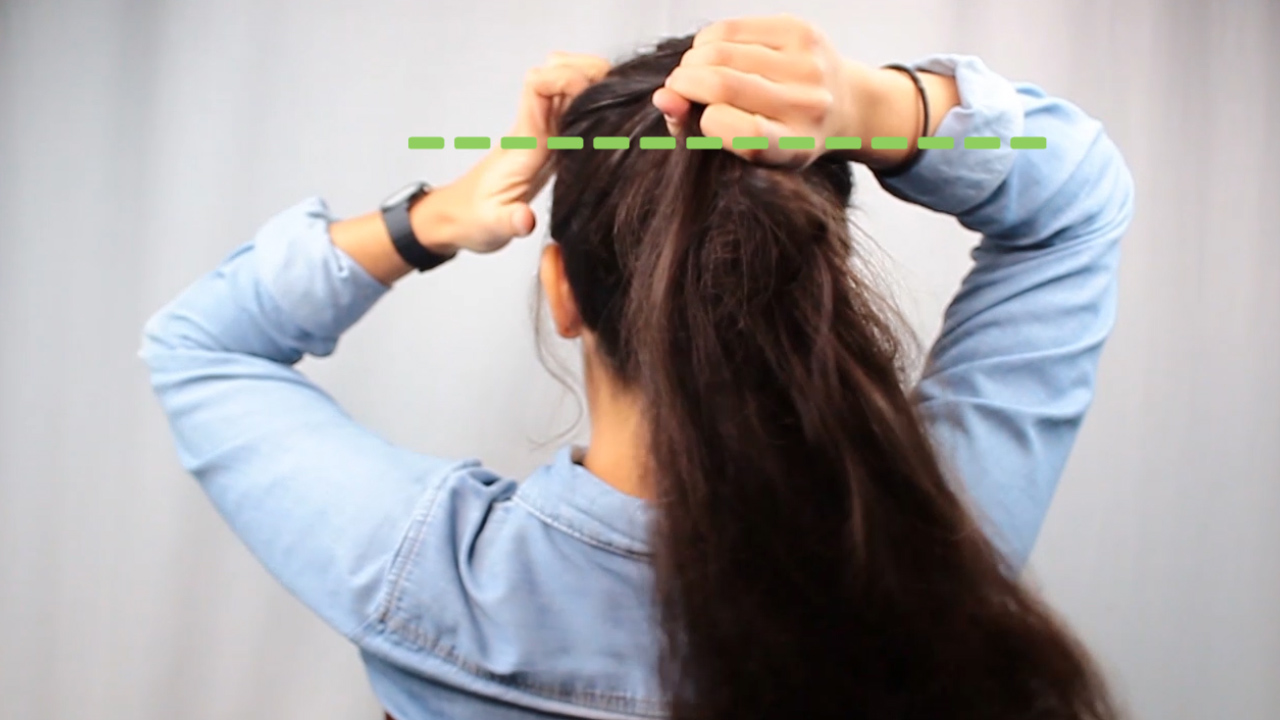
- Decide where the ponytail should sit. A flattering starting point is around the crown, roughly in line with the upper part of your ears.
- Gather your hair with both hands. Tilt your chin slightly upward as you collect the hair. This can help prevent the ponytail from sagging when you lower your head later.
- Brush upward toward the crown. Use a brush for a sleek look or your fingers for a more relaxed version.
- Secure with an elastic. Wrap the tie enough times to feel stable, but do not crank it down like you are securing cargo on a ship.
- Check the balance. Look at the front, both sides, and the back. Adjust bumps gently by lifting small sections with the end of a comb or your fingertips.
- Finish the tail. Leave it natural, add waves, define curls, or lightly tease the underside if you want more volume.
How to Make a High Ponytail Look Fuller
If your ponytail looks a little flatter than expected, do not panic. Many people assume a dramatic ponytail requires extensions, a celebrity stylist, and a wind machine. Usually, a few small tricks are enough.
- Use dry shampoo or texture spray at the roots before styling for extra grip.
- Gently tug small sections at the crown after securing the ponytail to create softness and lift.
- Backcomb the underside of the ponytail, not the top, so the style keeps a neat surface.
- Slide one or two bobby pins vertically beneath the elastic to prop up the ponytail base.
- Wrap a tiny strand of hair around the elastic and pin it underneath for a polished finish.
High Ponytail Mistakes to Avoid
The most common mistake is placing the ponytail too high and too tight at the same time. A high ponytail can look fantastic, but when the scalp is under constant tension, the style becomes uncomfortable quickly. Another mistake is using too much gel or hairspray. You want control, not a helmet that could qualify for its own weather forecast.
2. How to Do a Polished Low Ponytail
The low ponytail is the quiet overachiever of easy hairstyles. It is simple, elegant, and suitable for almost every setting. A low ponytail can look professional for work, refined for dinner, and intentionally casual for weekend errands. It also works well when your hair is not freshly washed, because a little natural texture can help it stay in place.
Best For
- Workdays, interviews, meetings, and events
- Medium, long, or layered hair
- Second-day hair that needs a sleek reset
- People who prefer less scalp tension than a high ponytail
Step-by-Step: Polished Low Ponytail
- Create a part. Choose a center part for a clean, symmetrical look or a side part for a softer, more romantic feel.
- Apply a small amount of styling product if needed. A lightweight cream, serum, or mousse can help control frizz and make hair easier to gather.
- Brush hair toward the nape of your neck. Keep the movement gentle and smooth. The goal is sleek, not painfully pulled back.
- Gather the hair just above the nape. Position it low enough to look relaxed but not so low that it disappears into your collar.
- Secure with a hair elastic. Use a tie that matches your hair color for a subtle appearance or choose a scrunchie, ribbon, or decorative cuff for personality.
- Refine the top layer. Smooth the crown lightly with your palms, a soft brush, or a small amount of product.
- Hide the elastic if desired. Take a narrow strand from underneath the ponytail, wrap it around the tie, and pin the end underneath.
How to Make a Low Ponytail Look More Elegant
A low ponytail becomes more polished when you pay attention to the details. A crisp part, smooth crown, and tidy elastic create a clean look without making the style feel stiff. For a dressier version, curl the ends of the ponytail or run a flat iron lightly through the tail. For a softer version, leave two small face-framing pieces loose near the temples.
You can also create a little volume at the crown before gathering your hair. Lift a small section at the top of your head, gently tease underneath it, then smooth the surface over the top. This gives the ponytail shape without turning it into a time-travel experiment from the 1980s.
Low Ponytail Tips for Curly and Coily Hair
A low ponytail does not have to mean flattening every curl into submission. If you love your natural texture, use your fingers or a wide-tooth comb instead of a dense brush. You can define curls in the ponytail with a leave-in conditioner, curl cream, or lightweight oil. For a smoother front section, apply product gradually and work in small areas rather than piling everything on at once.
3. How to Do a Relaxed Textured Ponytail
The relaxed textured ponytail is ideal when you want your hair to look casual but still put together. Think of it as the ponytail equivalent of a well-worn denim jacket: comfortable, easygoing, and somehow better when it is not trying too hard. This style works especially well with waves, curls, layered cuts, and second- or third-day hair.
Best For
- Wavy, curly, coily, or naturally textured hair
- Layered cuts and medium-length hair
- Casual outings, travel days, and relaxed weekends
- Creating a fuller, softer ponytail appearance
Step-by-Step: Relaxed Textured Ponytail
- Skip the overly precise brush routine. Use your fingers or a wide-tooth comb to separate and arrange the hair while preserving texture.
- Add grip if needed. A small amount of dry shampoo, mousse, or texturizing spray can help the ponytail hold its shape.
- Gather hair at a medium or low height. A relaxed ponytail usually looks best around the middle of the back of your head or near the nape.
- Secure loosely with an elastic or scrunchie. Do not pull every strand perfectly smooth. Slight unevenness is part of the charm.
- Lift the crown gently. Pull up tiny sections around the crown with your fingertips for soft volume.
- Loosen the ponytail itself. Tug the tail gently from side to side or upward to create a fuller shape.
- Release a few face-framing pieces. Keep them intentional and balanced. Two soft strands can look chic; seventeen random strands can look like you lost an argument with a leaf blower.
How to Add Texture Without Using Heat
You can create a fuller, messier ponytail without reaching for a curling iron. Try braiding your hair loosely before bed, using a texturizing spray, or twisting sections while the hair air-dries. If your hair is naturally straight and silky, a little dry shampoo at the roots can add grip and make the ponytail less likely to slide down over the day.
For curly or coily hair, refreshing the ponytail with water and a small amount of leave-in conditioner can revive definition. Avoid repeatedly brushing through dry curls if you want to maintain their pattern. Instead, use your fingers to shape the ponytail and place the hair where you want it.
Quick Fixes for Common Ponytail Problems
My Ponytail Has Bumps
Try gathering the hair in sections. Smooth one side first, then the other, then bring both sections together at the back. You can also use the pointed end of a comb to lift and smooth small bumps after the ponytail is secured.
My Ponytail Keeps Sliding Down
Very clean hair can be slippery. Add a little dry shampoo, texture spray, mousse, or lightweight styling cream before tying your hair back. A smaller elastic, bungee tie, or double-looped tie may also provide better grip.
My Short Layers Keep Falling Out
Use bobby pins near the nape and behind the ears. Insert the wavy side of the pin against the scalp for a more secure hold. If you have a bob or shorter layers, try a half ponytail instead of forcing every strand into one elastic.
My Scalp Feels Tight
Loosen the ponytail immediately. Reposition it lower, use a softer scrunchie, or leave more give around the hairline. A ponytail should make your day easier, not turn your forehead into a suspension bridge.
Final Thoughts: The Best Ponytail Is the One You Will Actually Wear
Learning how to do a basic ponytail is less about perfection and more about finding a version that works with your hair, schedule, and personal style. The high ponytail gives you lift and energy, the low ponytail offers polished simplicity, and the relaxed textured ponytail brings effortless movement. Start with one method, practice it a few times, and adjust the placement until it feels like your own signature look.
Real-World Ponytail Experiences: Lessons From Everyday Mornings
Most people do not learn ponytail skills in a calm room with perfect lighting, a clean mirror, and unlimited patience. They learn them while running late, holding a coffee in one hand, searching for an elastic with the other, and wondering why every hair tie in the house has apparently joined a secret witness-protection program.
The first real-life lesson is that ponytail placement changes everything. A ponytail that sits too high can feel sporty and playful, but it may also become uncomfortable after a few hours. A ponytail that sits too low can feel elegant, but it may flatten against a collar or disappear beneath a jacket. The sweet spot is personal. Some people love a ponytail centered at the crown, while others look and feel best with a low style at the nape. The only way to know is to try different positions and pay attention to what feels balanced.
Another common experience is discovering that freshly washed hair and ponytails do not always get along. Clean hair can be soft, shiny, and dramatically uninterested in staying where you put it. The elastic slides, the crown loosens, and suddenly your “sleek ponytail” is slowly migrating toward your shoulders. This is where a little texture becomes helpful. A small amount of dry shampoo, mousse, or styling cream can make hair easier to gather without making it stiff.
People with thick hair often learn a different lesson: one tiny elastic may be emotionally supportive, but it is not always physically qualified for the job. A larger scrunchie, strong hair tie, or bungee elastic can make a big difference. Thick hair can also feel heavy in a high ponytail, so a medium-height style may be more comfortable for a full workday or long commute.
For people with fine hair, the struggle is often volume. A ponytail can look smaller than expected, especially when the hair is very smooth. The useful trick is not necessarily to pull it tighter. Instead, add volume before or after securing it. Light teasing underneath the ponytail, dry shampoo at the roots, or a few hidden bobby pins at the base can create a fuller look without putting extra stress on the scalp.
Curly and coily hair brings its own wonderful set of ponytail experiences. Brushing every curl into a perfectly smooth shape may not be the goal, and it does not need to be. A ponytail can celebrate texture rather than erase it. Finger-styling, adding leave-in conditioner, and using a soft scrunchie can help create a shape that feels natural and comfortable. A high “pineapple” ponytail can also be a practical choice for keeping curls lifted and off the neck.
Perhaps the most useful real-world lesson is that a ponytail does not need to survive a hurricane to be successful. It only needs to work for your day. A school ponytail may need to handle recess, a workout ponytail may need to survive sweat, and a dinner ponytail may only need to look polished for a few hours. Match the style to the moment, keep the tension comfortable, and remember that a few flyaways are not a failure. They are proof that you are a human being, not a decorative mannequin in a department-store window.