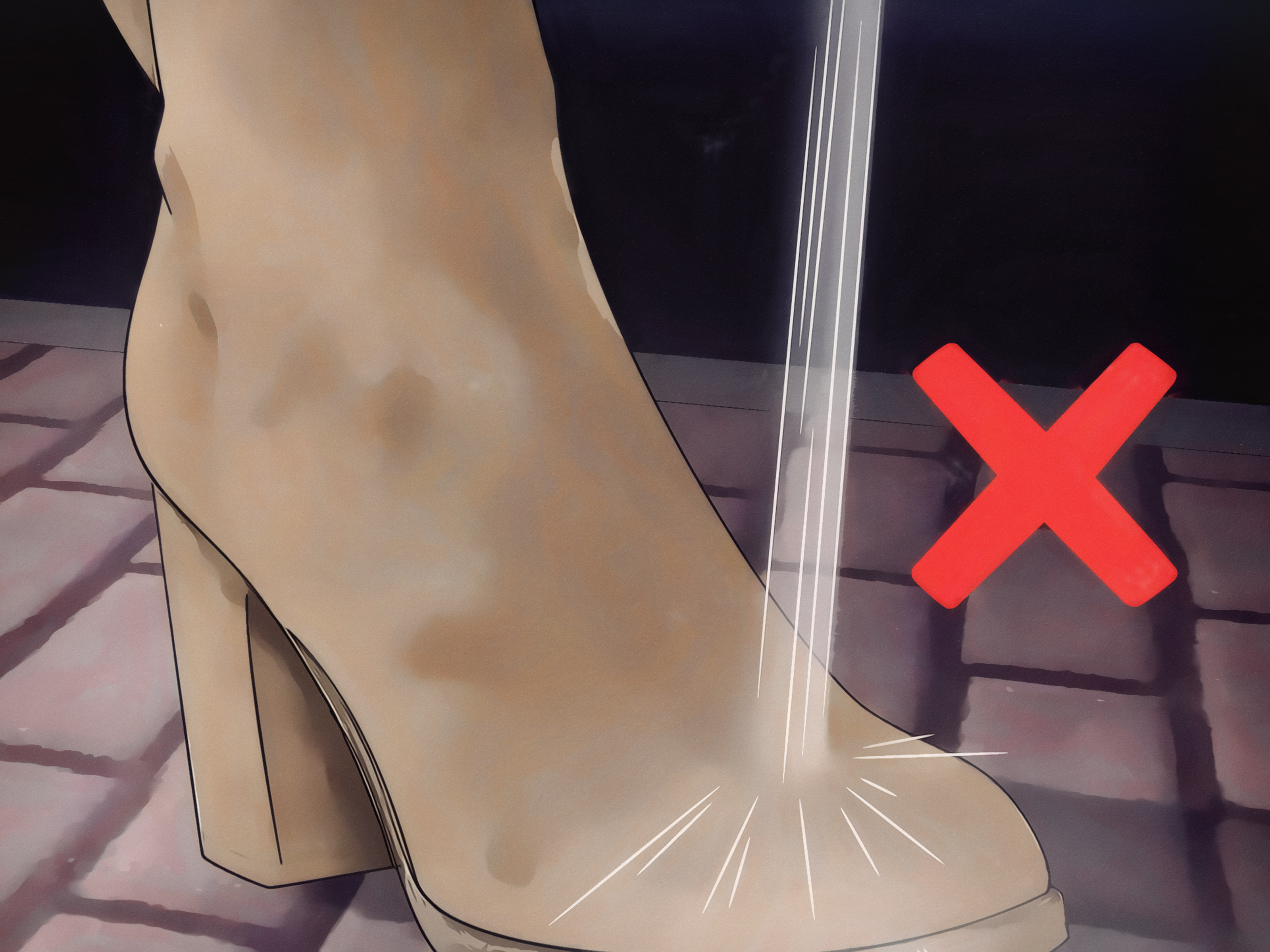

Suede boots are the charming, slightly dramatic friend of your shoe closet. They look effortlessly stylish, make jeans feel intentional, and can turn a plain fall outfit into something that says, “Yes, I own a steamer and maybe read design magazines.” But suede also has a reputation for being delicate. A splash of rain, a smear of sidewalk grime, or one heroic dash through a muddy parking lot can leave your boots looking less “quiet luxury” and more “survived a camping trip.”
The good news? Protecting suede boots is not complicated. You do not need a professional shoe-care laboratory, a magnifying glass, or a cobbler named Giuseppe who works only by candlelight. What you do need is a simple routine: prevent stains before they happen, clean and refresh the nap regularly, and store your boots in a way that keeps their shape and texture intact.
In this guide, we will cover three practical ways to protect suede boots so they stay soft, structured, and wearable season after season. Whether you own classic suede ankle boots, shearling-lined winter boots, Western-inspired suede booties, or sleek knee-high pairs, these tips will help you defend your footwear from water, dirt, salt, scuffs, and the tiny tragedies of everyday life.
Why Suede Boots Need Special Protection
Suede is made from the underside of leather, which gives it that soft, velvety surface known as the nap. That texture is exactly what makes suede beautiful, but it is also what makes it more vulnerable than smooth leather. The tiny fibers can absorb moisture, trap dust, flatten under pressure, and show stains more easily.
Unlike coated leather, suede usually does not have a smooth protective surface. That means water can leave dark marks, oils can cling to the fibers, and mud can settle into the nap if it is not removed correctly. The goal of suede care is not to make suede indestructible. Let’s be honest: suede will never become rain boots. The goal is to create a protective barrier, maintain the texture, and respond quickly when accidents happen.
Think of suede boot care like skincare for shoes. Prevention matters, gentle treatment wins, and aggressive scrubbing is usually where regret enters the chat.
Way 1: Protect Suede Boots Before You Wear Them
The best time to protect suede boots is before their first outing. This is the golden moment when the boots are clean, dry, and blissfully unaware of puddles, coffee shops, gravel driveways, and the mysterious sticky spot on every city sidewalk.
Use a Suede Protector Spray
A suede protector spray creates a water- and stain-resistant barrier over the fibers. It does not make suede completely waterproof, but it can help moisture bead on the surface instead of sinking in immediately. It also gives you more time to blot spills, brush away dirt, and prevent stains from becoming permanent.
Choose a protector labeled specifically for suede, nubuck, or sheepskin. Avoid wax, heavy leather conditioners, and oily products unless the manufacturer specifically says they are safe for suede. Wax can darken suede, flatten the nap, and create patchy marks that are much harder to fix than the original problem.
How to Apply Suede Protector Correctly
Start with boots that are clean and completely dry. If your boots have laces, remove them so you can reach the tongue and seams. Brush the boots gently with a suede brush to lift dust and align the nap. Then test the spray on a hidden area, such as the inside edge or back of the shaft, to check for color changes.
Apply the spray outdoors or in a well-ventilated area. Hold the bottle about six to eight inches from the boot and mist evenly over the surface. Do not soak the suede. A light, even coat is better than a dramatic monsoon. Pay special attention to seams, toe boxes, heel counters, and areas that get the most exposure.
Let the boots dry naturally in a cool, airy place. Avoid direct sunlight, heaters, hair dryers, radiators, and any other heat source that seems helpful but secretly wants to ruin your shoes. Once dry, brush the nap gently in one direction to restore the soft finish.
How Often Should You Reapply Protector?
Reapply suede protector after a full cleaning, before wet seasons, and any time water no longer beads on the surface. For boots worn frequently in fall or winter, a monthly refresh is often helpful. If you only wear your suede boots occasionally, protecting them at the start of the season may be enough.
A simple test can help: place a tiny drop of water on an inconspicuous area. If it beads up, the protection is still working. If it darkens quickly and sinks in, your boots are politely begging for another coat.
Way 2: Keep Suede Clean, Dry, and Brushed
Protection spray is important, but it is not a force field. Dirt, dust, and moisture still need to be handled correctly. The second way to protect suede boots is to maintain them regularly with gentle brushing, quick stain response, and proper drying.
Brush After Wearing
A suede brush is the most useful tool in your boot-care kit. It removes surface dirt, lifts the nap, and keeps suede from looking shiny or flattened. Brush lightly after each wear, especially around the toe, heel, and sides where dust tends to collect.
Use short, gentle strokes. For routine care, brush in one direction to smooth the nap. For scuffs or flattened areas, you can brush back and forth lightly to lift the fibers. The key word is lightly. Suede is not a grill grate. It does not need battle-level scrubbing.
Let Mud Dry Before Cleaning
If your boots get muddy, resist the urge to wipe them immediately. Wet mud spreads easily and can push dirt deeper into the suede. Instead, let the mud dry completely at room temperature. Once dry, knock off the larger pieces gently and use a suede brush to remove the remaining dirt.
This feels counterintuitive, especially when your boots look like they lost a duel with a garden path, but dry mud is much easier to remove than wet mud. Patience saves suede.
Handle Water Spots the Right Way
If your suede boots get wet, blot the moisture with a clean microfiber cloth or towel. Do not rub aggressively. Stuff the boots with plain white paper or clean towels to help them hold their shape and absorb moisture from the inside. Avoid newspaper because ink can transfer, especially on lighter suede.
Let the boots air-dry slowly in a cool, ventilated space. Once dry, brush the nap to restore texture. If a water ring remains, lightly dampening the entire affected panel with a sponge and then drying it evenly can sometimes help blend the mark. Use minimal water and always test first.
Treat Scuffs, Salt, and Oil Quickly
For scuffs, use a suede eraser or a clean art gum eraser. Rub gently, then brush away residue. For salt stains, use a suede-safe cleaner or a very lightly damp cloth, working carefully to avoid soaking the boot. For oil stains, sprinkle a small amount of cornstarch or baking soda on the spot, let it sit for several hours, then brush it away. Oil is stubborn, so deep stains may need professional cleaning.
The faster you respond, the better your odds. Suede stains are like gossip: easier to manage before they spread.
Way 3: Store and Wear Suede Boots Strategically
The third way to protect suede boots is less about products and more about habits. Where you wear them, how often you rotate them, and how you store them can make a major difference in how long they last.
Check the Weather Before Wearing Suede
Suede can handle normal life, but it is not the ideal choice for heavy rain, slush, or deep snow. If the forecast looks dramatic, choose waterproof boots instead. Your suede boots do not need to prove anything. They are beautiful, not amphibious.
That said, treated suede can usually survive light moisture better than untreated suede. The key is prevention and quick drying. If you know you will be walking long distances, crossing wet grass, or dealing with salted sidewalks, choose footwear built for those conditions.
Rotate Your Boots
Wearing the same suede boots every day gives them no time to dry, breathe, or recover their shape. Rotate between pairs when possible. This is especially important for shearling-lined or winter suede boots, which can absorb interior moisture from feet during cold weather.
Let boots rest at least 24 hours between heavy wears. This helps reduce odor, preserve structure, and prevent the nap from becoming permanently crushed in high-pressure areas.
Use Boot Trees or Stuffing
Boot trees help maintain shape, reduce creasing, and improve airflow. Cedar shoe trees can also help absorb moisture and control odor. For tall suede boots, use boot shapers or clean rolled towels to keep the shafts upright. Letting tall boots flop over in the closet can create creases that are difficult to remove.
If boot trees are not available, stuff the toes with clean white tissue paper or soft cloth. Avoid overstuffing, which can stretch the suede. The goal is support, not making your boots look like they are preparing for a bodybuilding competition.
Store Suede Away From Heat and Sunlight
Store suede boots in a cool, dry place away from direct sunlight. Sun can fade suede, while heat can dry it out and alter the texture. Avoid plastic bags, which can trap moisture. A breathable cotton shoe bag or original dust bag is a better choice.
Before storing boots for the season, clean them, let them dry fully, brush the nap, apply protector if needed, and make sure they are completely moisture-free. Putting damp suede into storage is an invitation for odor, mildew, and sadness.
Common Mistakes That Can Damage Suede Boots
Even careful people make suede mistakes. The problem is that suede often punishes enthusiasm. Too much water, too much cleaner, too much heat, or too much scrubbing can turn a small issue into a larger one.
Using Regular Leather Polish
Leather polish is designed for smooth leather, not suede. It can stain suede, flatten the nap, and leave a greasy finish. Use suede-specific products only.
Drying Boots With Heat
A hair dryer may seem like a quick fix, but direct heat can stiffen suede, shrink materials, and cause uneven texture. Always air-dry suede naturally.
Soaking the Boots
Suede should never be saturated during routine cleaning. Use minimal moisture and blot excess liquid quickly. If the entire boot becomes soaked, stuff it with paper, let it dry slowly, and brush it once dry.
Skipping the Patch Test
Suede dyes can react differently to sprays and cleaners. Always test new products on a hidden area before treating the entire boot. This tiny step can prevent a very large footwear tantrum.
What You Need in a Suede Boot Care Kit
You do not need a giant collection of shoe-care products. A small, well-chosen kit is enough for most suede boots.
- A suede brush or nubuck brush
- A suede eraser or art gum eraser
- A suede and nubuck protector spray
- A microfiber cloth
- Plain white paper or clean towels for stuffing
- A suede-safe cleaner for occasional deep cleaning
- Boot trees, cedar shoe trees, or boot shapers
Keep these items together so you can handle small issues quickly. A scuff that takes thirty seconds to fix today may become a “why did I ignore this?” project next month.
Seasonal Suede Boot Protection Routine
At the start of fall or winter, inspect your suede boots before wearing them. Brush away dust, check for stains, clean if necessary, and apply a fresh coat of protector. Let the boots dry completely before wearing.
During the season, brush after every few wears and more often if you walk through dust, salt, or wet sidewalks. Reapply protector after deep cleaning or when water stops beading on the surface.
At the end of the season, clean the boots thoroughly, let them dry, restore the nap with a brush, insert boot trees or stuffing, and store them in breathable bags. This routine takes a little time, but it can add years to the life of your boots.
Real-World Experiences: What Actually Works When Protecting Suede Boots
The most useful suede boot lessons usually come from ordinary moments: the unexpected rainstorm, the coffee shop spill, the winter sidewalk covered in salt, or the day you confidently wore tan suede boots to an outdoor event and immediately regretted every decision that led you there.
One common experience is discovering that protector spray works best before trouble happens. People often buy suede spray only after their boots already have a water stain. While it can still help prevent future damage, it cannot always erase old marks. Treating new boots before the first wear is like putting a phone case on before dropping the phone. It is not glamorous, but future you will be grateful.
Another real-life lesson: brushing matters more than most people think. A quick suede brushing can make worn boots look refreshed in minutes. Dust and flattened fibers are often mistaken for permanent damage, but a suede brush can lift the nap and bring back that soft, even look. The trick is consistency. Brushing once a season is better than nothing, but brushing lightly after regular wear keeps dirt from settling in.
Salt stains are another classic suede boot villain. If you live somewhere with icy sidewalks, you know the white chalky marks that appear near the toe and lower sides of boots. The best defense is avoiding salted slush when possible and using protector before winter starts. If salt does appear, handle it quickly and gently. Let the boots dry, brush off loose residue, and use a suede-safe cleaner or lightly damp cloth. Do not soak the area. Salt plus too much water can create a bigger stain than the one you started with.
There is also the “I dried them by the heater” mistake. Many people learn this one the hard way. Wet suede boots placed near direct heat may dry faster, but they can become stiff, misshapen, or patchy. Slow drying is boring, but boring is good for suede. Stuff the boots, let them air-dry, and brush them afterward. Suede rewards calm behavior.
Storage habits also make a visible difference. Tall suede boots that are left folded over in a closet often develop creases across the shaft. Ankle boots tossed into a pile can collect dust and scuffs. Using boot shapers, tissue paper, or clean rolled towels keeps the structure intact. Even a simple breathable shoe bag helps protect suede from dust without trapping moisture.
Finally, the best experience-based advice is to match the boot to the day. Suede boots are perfect for dry fall afternoons, dinners out, office outfits, weekend errands, and crisp weather walks. They are not the best choice for heavy rain, muddy fields, or surprise snowbanks. The smartest suede owners are not afraid of wearing their boots; they simply know when to give them the day off.
Protecting suede boots is really about small habits. Spray before wearing. Brush regularly. Dry slowly. Store properly. Avoid obvious disasters when you can. Do these things, and your suede boots can keep looking polished, soft, and stylish long after the first compliment.
Conclusion
Suede boots may look high-maintenance, but protecting them is surprisingly simple once you build the right routine. Start with a suede protector spray before the first wear, keep the nap clean and lifted with regular brushing, and store your boots in a cool, dry place with proper support. Add quick stain response and smart weather choices, and you will avoid most of the problems that make suede seem intimidating.
The secret is not perfection. It is prevention. A few minutes of care can save your boots from water spots, salt marks, scuffs, fading, and closet-related collapse. Treat suede kindly, and it will reward you with texture, comfort, and style that smooth leather can only admire from across the room.