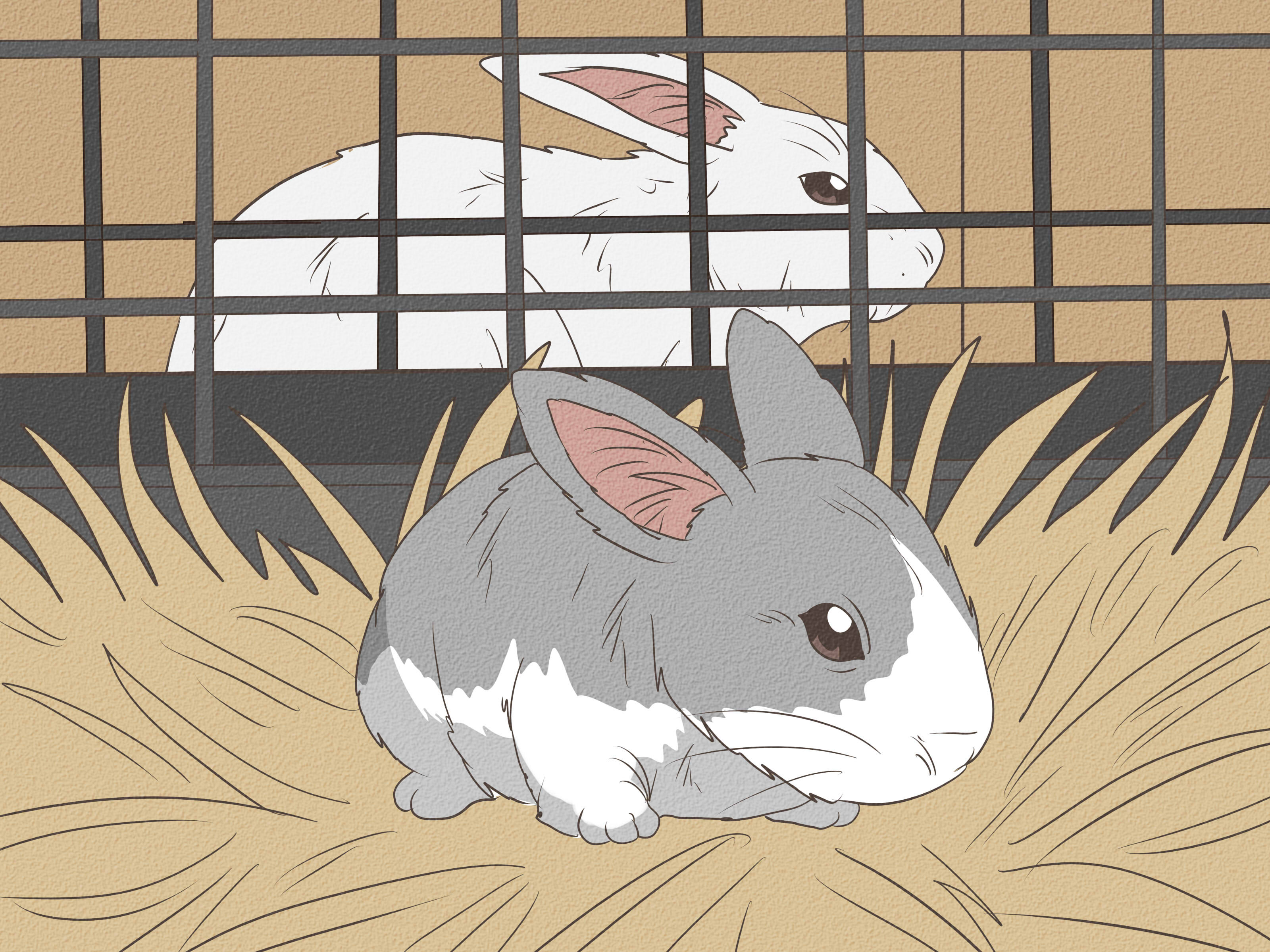

A pregnant rabbit does not need a nursery painted in pastel colors, a tiny stroller, or a playlist of soothing woodland sounds. She does, however, need excellent nutrition, a secure nesting area, minimal stress, and a caregiver who knows when to observe quietly and when to call a veterinarian.
Rabbit pregnancy moves quickly. A typical gestation lasts approximately 31 to 33 days, and some does show few obvious physical changes until the final week. False pregnancy is also common, so nest building, territorial behavior, or fur pulling does not automatically confirm that kits are on the way. A rabbit-experienced veterinarian may confirm pregnancy through an examination, imaging, or careful palpation at the appropriate stage. Owners should never squeeze or press the abdomen themselves.
The following three approaches cover the essentials of pregnant rabbit care: provide suitable food and water, create a safe and peaceful environment, and monitor the doe closely before and after kindlingthe rabbit-keeping term for giving birth.
Before You Begin: Confirm the Pregnancy and Make a Plan
If an unspayed female rabbit has been housed with an intact male, pregnancy is possible even if no mating was witnessed. Rabbits can reach sexual maturity surprisingly early, with the exact age varying by breed and body size. Separate the intact male promptly while maintaining a calm environment. A doe can become pregnant again very soon after giving birth, so leaving the pair together can result in another litter before the first one has finished nursing.
Contact a veterinarian who regularly treats rabbits and other exotic companion mammals. A general dog-and-cat practice may be wonderful but still lack the specialized knowledge needed for rabbit reproduction. Ask the clinic whether it handles rabbit pregnancy complications and emergency deliveries. Save its regular and after-hours phone numbers before labor begins, not while standing beside a worried rabbit at midnight and discovering that your phone battery is at 3 percent.
Record the Important Dates
Write down the known or suspected mating date. Count forward approximately 31 days and mark days 28 through 33 as the likely kindling window. If the mating date is unknown, record the dates when you first noticed weight gain, nesting behavior, enlarged mammary glands, or fur pulling. These notes can help a veterinarian estimate the stage of pregnancy.
Do Not Treat a False Pregnancy at Home
A pseudopregnant rabbit may build a convincing nest, guard her enclosure, pull fur, and behave as though babies are imminent. Do not administer hormones, supplements, calcium products, or home remedies in an attempt to “help.” A veterinarian should evaluate persistent symptoms, appetite loss, mammary swelling, discharge, pain, or repeated false pregnancies.
1. Feed the Pregnant Rabbit a Fiber-Rich, Balanced Diet
Good pregnant rabbit care begins in the hay rack. Pregnancy and nursing increase nutritional demands, but that does not mean filling the enclosure with sugary fruit, seed mixes, bread, or enough carrots to open a vegetable stand. Rabbits need a high-fiber diet that keeps the digestive tract moving and supports normal dental wear.
Keep Hay Available Around the Clock
Provide unlimited fresh, clean hay every day. Timothy, orchard grass, oat hay, and other quality grass hays can remain the foundation of the diet. Pregnant and nursing rabbits may benefit from more nutrient-dense alfalfa hay or an alfalfa-based pellet, but the amount should be selected with a rabbit-savvy veterinarian. Alfalfa contains more protein and calcium than most grass hays and may be useful during high-demand life stages, yet suddenly replacing the entire diet can upset digestion.
Check hay before serving it. It should smell fresh and grassy rather than dusty, damp, or musty. Discard anything moldy. Place hay where the doe can reach it easily without jumping onto a shelf or squeezing into an awkward feeder.
Adjust Pellets Gradually
Offer a plain, high-fiber rabbit pellet without colorful cereal pieces, seeds, nuts, dried corn, or mystery shapes that resemble breakfast marshmallows. Depending on the rabbit’s size, body condition, usual diet, and stage of pregnancy, a veterinarian may recommend gradually increasing the pellet portion during late pregnancy and lactation.
Avoid making a dramatic increase overnight. Rabbits have sensitive digestive systems, and a rapid diet change can reduce hay consumption or cause abnormal stool. Make adjustments over several days while watching appetite, fecal output, and body condition.
Continue Familiar Leafy Greens
If the doe already eats leafy vegetables, continue offering washed, rabbit-safe greens in familiar portions. Romaine lettuce, cilantro, basil, parsley, carrot tops, endive, and dandelion greens are common choices. Do not introduce a salad-bar-sized collection of new vegetables during the final week of pregnancy. Add unfamiliar foods individually and in small quantities so that any digestive reaction is easier to identify.
Fruit and carrots should remain occasional treats rather than major energy sources. Chocolate, avocado, onions, rhubarb, meat, dairy products, processed snacks, fruit pits, and moldy food should never be offered. Supplements should be used only when prescribed by a veterinarian. A balanced diet generally provides what a healthy rabbit needs without turning the food bowl into a chemistry experiment.
Make Hydration Effortless
Fresh water must always be available. Many rabbits drink more easily from a heavy ceramic bowl than from a bottle, although providing both can create a useful backup. Wash the bowl daily, test bottle valves for blockages, and position the water close to the feeding and resting areas.
Track how much the doe appears to drink. A completely untouched water bowl, unusually intense thirst, wet fur around the mouth, or difficulty urinating deserves veterinary attention.
Monitor Eating and Droppings Every Day
Rabbits should eat frequently and produce many dry, rounded fecal pellets. A noticeable decline in hay consumption, smaller or fewer droppings, diarrhea, a swollen abdomen, tooth grinding, or complete refusal of food can indicate pain or gastrointestinal trouble. Because a rabbit’s condition can deteriorate rapidly, appetite loss should be treated as an urgent veterinary concern rather than a problem to “check again tomorrow.”
2. Build a Quiet, Clean, and Secure Maternity Space
A pregnant doe needs room to move, stretch, eat, and rest without feeling exposed. Her enclosure should be indoors or otherwise fully protected from predators, direct sun, rain, drafts, temperature extremes, loud machinery, cigarette smoke, and constant traffic from people or pets.
Reduce Stress Without Eliminating Exercise
Keep the daily routine predictable. Feed and clean at approximately the same times, approach slowly, and avoid rearranging the entire room. Pregnancy is not an illness, so a healthy doe should still have gentle opportunities to walk, explore, and stretch. However, remove tall platforms, slippery surfaces, unstable ramps, and anything that encourages dangerous leaps.
Use solid, nonslip flooring covered with rabbit-safe bedding or washable mats. Wire flooring can be uncomfortable and may contribute to foot injuries. Clean soiled areas regularly, but do not flood the enclosure with perfumes or strong chemical cleaners. A rabbit’s nose is far more impressive than ours, and “spring meadow hurricane” is not a natural scent.
Limit Unnecessary Handling
Let the rabbit keep all four feet on the ground whenever possible. If moving her is necessary, support the chest and hindquarters securely and never place pressure on the abdomen. Do not allow children to carry her. Even a normally social rabbit may become more defensive as hormones change and nesting instincts develop.
Provide a covered hideout separate from the nest box. This gives the doe a place to retreat when she wants privacy without forcing her to sit inside the future nursery all day.
Add the Nest Box at the Right Time
Place a nest box in the enclosure around day 28 or 29 after mating, or approximately three days before the expected birth. Adding it too early can encourage the doe to use it as a litter box. The box should be slightly larger than her body, large enough for her to enter and turn around but not so enormous that newborn kits become scattered.
A low entrance lip helps the mother step inside while keeping babies contained. Position the box in a quiet corner away from the area she normally uses for urination. Make sure it cannot tip, slide, or trap a leg.
Choose Safe Nesting Materials
Fill the box with clean grass hay or straw. Some caregivers place an absorbent layer beneath the nesting material, but loose fibers, scented litter, dusty sawdust, fabric scraps, yarn, gauze, and towels with holes or frayed threads should be avoided. Fine threads can wrap around a kit’s delicate legs or neck.
Near kindling, the doe may carry hay in her mouth and pull fur from her chest, belly, or dewlap to line the nest. This can look alarmingly dramatic, but it is usually normal maternal behavior. Allow her to arrange the nest rather than repeatedly redesigning it. Her decorating style may be chaotic, but she is the client.
Separate the Male Safely
An intact male should not share the maternity enclosure. Use a secure separate pen that prevents mating through gaps. When a bonded pair becomes distressed by complete separation, side-by-side housing may allow visual and scent contact while preventing physical access. Ask a veterinarian or experienced rabbit rescue for guidance if either rabbit stops eating or becomes severely anxious.
3. Monitor the Doe and Prepare for Kindling
Most rabbits give birth without human assistance, frequently when the household is quiet. Your main role is preparation and observation, not acting as an enthusiastic but unqualified obstetrician.
Recognize Normal Pre-Birth Behavior
During the final days, the doe may become restless, dig, rearrange hay, guard her space, eat more, eat slightly less immediately before labor, or pull fur. Her abdomen and mammary glands may appear larger. Some rabbits show almost none of these signs, so the absence of a theatrical nesting performance does not rule out pregnancy.
Check on her calmly from a distance. Constantly opening the nest box, moving furniture, inviting visitors, or hovering over the enclosure can make her feel unsafe.
Know the Emergency Warning Signs
Contact a rabbit-experienced veterinarian immediately if the doe shows persistent straining without producing a kit, heavy bleeding, foul-smelling discharge, collapse, labored breathing, severe weakness, obvious pain, a hard or dramatically swollen abdomen, or prolonged refusal of food. Veterinary advice is also important if a confirmed pregnancy extends beyond the expected delivery window. Do not give oxytocin, calcium, pain medication, antibiotics, or other drugs without direct veterinary instruction.
Check the Nest After Delivery
Once the doe has finished and appears calm, inspect the nest briefly with clean, warm hands. Count the kits, remove any deceased kits or soiled afterbirth, and confirm that the babies are grouped together, warm, and covered with fur. Healthy newborns should have warm skin and rounded bellies after feeding.
A mother rabbit usually does not sit with her babies continuously. She may nurse only once or twice a day, often during quiet hours, and each feeding can last just a few minutes. Seeing her outside the nest is therefore not proof that she has rejected the litter. In fact, standing over the nest all afternoon shouting, “Please be maternal!” is more likely to stress her than improve the situation.
Inspect the kits once or twice daily without dismantling the nest. Contact a veterinarian or rabbit rescue promptly if they remain cold, appear wrinkled or weak, have sunken bellies, are repeatedly scattered, are injured, or have not apparently been fed. Hand-rearing newborn rabbits has a high failure rate and should not be attempted without professional instruction.
Continue Supporting the Mother
After birth, keep unlimited hay and clean water within easy reach. Lactation places substantial demands on the doe, so follow the veterinarian’s feeding plan and monitor her weight, appetite, droppings, mammary glands, and behavior. Swollen, hot, painful mammary tissue, abnormal discharge, feverish behavior, or refusal to nurse requires veterinary assessment.
Keep the nesting area dry. Replace wet or heavily soiled bedding while preserving clean fur and familiar nest material. Avoid unnecessary handling of the mother and babies, but do not neglect daily welfare checks under the mistaken belief that touching a kit automatically causes rejection. Domestic rabbits generally tolerate brief, careful nest inspections.
A Practical Pregnant Rabbit Care Checklist
- Record the suspected mating date and expected kindling window.
- Arrange care with a rabbit-experienced veterinarian.
- Separate the intact male securely.
- Provide unlimited fresh hay and constant access to water.
- Make dietary changes gradually and only when appropriate.
- Check appetite, water intake, urine, and droppings every day.
- Maintain a calm, clean, nonslip living area.
- Add a secure nest box around day 28 or 29.
- Keep an emergency carrier, clinic number, and transportation plan ready.
- Inspect newborn kits briefly each day for warmth and full bellies.
Caregiver Experience: What a Rabbit’s First Pregnancy Can Teach You
The following composite experience reflects situations commonly reported by rabbit caregivers. It is not a substitute for veterinary guidance, but it illustrates why careful observation usually matters more than constant intervention.
Imagine discovering that a recently adopted female rabbit, Maple, had spent several days with an intact male before arriving at her new home. She looked perfectly ordinary: bright eyes, healthy appetite, and absolutely no interest in discussing her personal life. Her caregiver called an exotic-animal veterinarian, separated the male, and recorded the last possible mating date.
During the first two weeks, almost nothing happened. Maple ate hay, explored her pen, and flopped beside her water bowl as though preparing for an afternoon nap competition. The temptation to feel her abdomen was strong, especially after reading online comments claiming that pregnancy was “easy to check.” The veterinarian advised against home palpation because inexperienced pressure could injure the doe or developing kits.
By the third week, Maple became more protective of her favorite corner. Instead of treating the behavior as disobedience, her caregiver stopped reaching into the enclosure while Maple was inside. Food and water were placed near the entrance, and cleaning was completed while she exercised in a separate rabbit-proofed area.
Her familiar grass hay remained available at all times. Following veterinary advice, her pellet portion was increased gradually, and a small amount of alfalfa was introduced. Because the changes were slow, her droppings remained large and consistent. A notebook beside the enclosure recorded whether she had eaten hay, finished her greens, emptied her water bowl, and produced normal fecal pellets. This simple log proved more useful than trying to judge her health from one sleepy facial expression.
On day 28, a wooden nest box filled with hay was added. Maple ignored it for most of the day, which caused mild human panic but no rabbit panic whatsoever. That evening, she carried hay from one end of the enclosure to the other, dropped half of it, retrieved it, and eventually built a nest that looked like a small tornado had received an interior-design license.
Late on day 31, she pulled fur and covered the nest. The next morning, the caregiver found Maple eating breakfast outside the box. At first, this seemed suspiciously unmotherly. A brief inspection revealed several warm kits with rounded bellies tucked beneath the fur. Maple had already nursed them and returned to her normal routine.
The biggest lesson was that rabbit motherhood does not resemble dog or cat motherhood. The doe did not cuddle with her litter all day, and she did not need an audience. She needed privacy, food, water, clean bedding, and short daily health checks.
Another lesson was the value of preparation. The carrier was ready, the emergency clinic had been contacted in advance, and safe transportation was available. Fortunately, none of it was needed. That did not make the preparation excessive; it made the quiet outcome easier to enjoy.
Finally, the experience showed why appetite and droppings are such powerful health clues. Rabbits often conceal discomfort. A caregiver who knows the rabbit’s normal eating, drinking, resting, and bathroom habits is more likely to notice trouble early. The goal is not to stare at the doe every minute. It is to recognize when an ordinary day stops looking ordinary.
Conclusion
The best way to care for a pregnant rabbit is to focus on three dependable priorities. First, support her with unlimited hay, clean water, familiar greens, and an appropriately adjusted pellet plan. Second, provide a quiet, secure environment with a properly timed nest box and safe bedding. Third, monitor her appetite, droppings, behavior, labor, and newborn kits while keeping a rabbit-experienced veterinarian within reach.
Most does handle pregnancy and kindling successfully when their basic needs are met. Calm preparation is more helpful than constant interference. Give the mother privacy, respect her instincts, and remain ready to act when genuine warning signs appear.
Note: This article provides general educational information and does not replace diagnosis or treatment from a qualified rabbit-experienced veterinarian. Pregnancy complications, appetite loss, abnormal discharge, breathing difficulty, severe pain, or problems during labor require prompt professional care.