
Note: This original article is written in clean, copy-ready HTML and synthesizes reputable U.S. guidance on household dust, indoor air quality, allergy control, and practical cleaning habits.
The Tiny Household Victory Nobody Warned You About
There are dramatic victories in life: getting a promotion, finishing a marathon, finally opening a jar after three other people failed. Then there are the quiet victories, the ones that happen under the couch, behind the door, or beside the baseboard. One of the strangest and most satisfying? When dust gets so big you can pick it up with your hand.
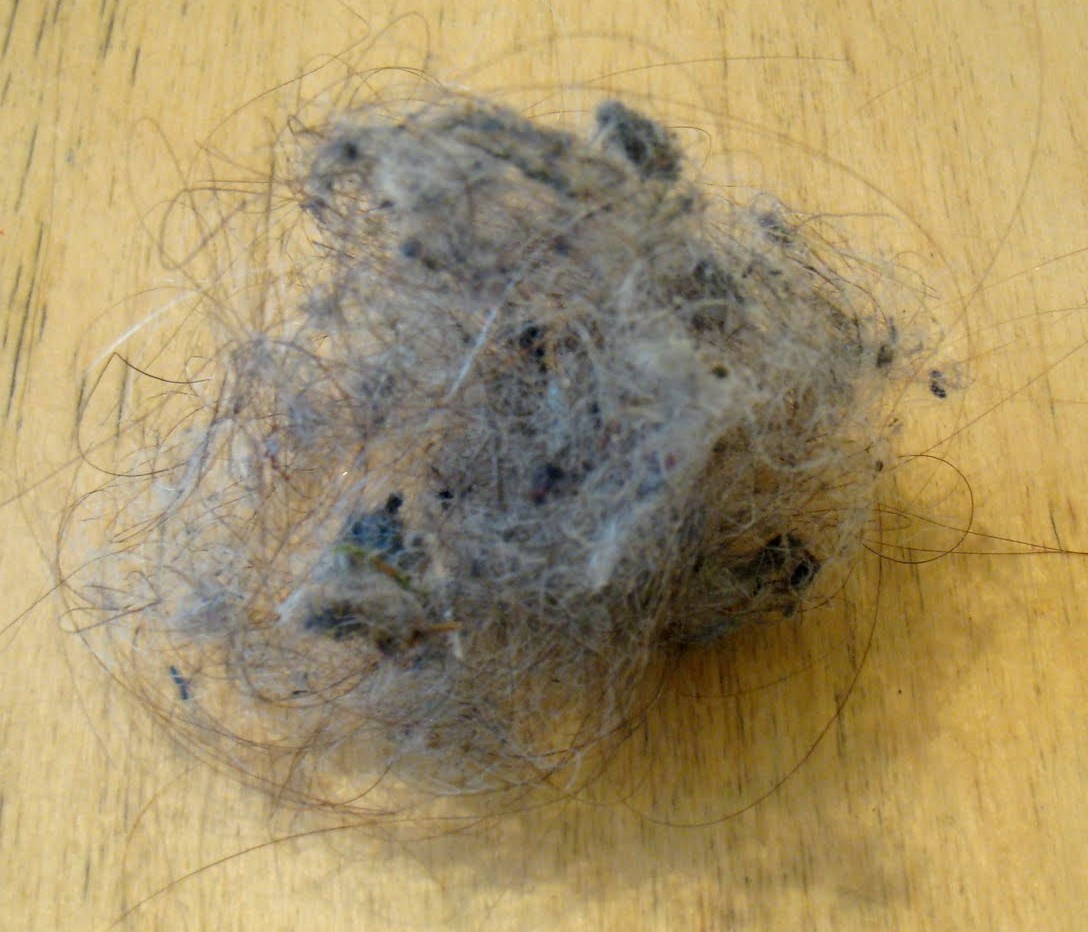
Yes, we are talking about the humble dust bunny: that soft, gray, mysterious household tumbleweed that rolls out from under the bed like it has been living there rent-free since the Clinton administration. It is not glamorous. It will not win a design award. But in the grand spirit of 1000 Awesome Things, this tiny domestic moment deserves applause. Because when dust becomes large enough to grab, you are no longer chasing invisible specks. You are removing a full-blown villain from your home with one heroic pinch.
The main keyword here is simple: big dust you can pick up with your hand. But the bigger idea is better: the oddly satisfying joy of cleaning, the science of household dust, and why even a fuzzy gray clump can remind us that progress sometimes looks like a weird little lint creature.
What Is That Big Dust Clump, Really?
Household dust is not just “dirt.” It is more like a scrapbook of your indoor life, except instead of vacation photos it contains skin flakes, textile fibers, pet dander, hair, pollen, soil, tiny insect fragments, and particles that drift in from outside. Charming, right? Your home is basically writing a memoir in lint.
When these particles collect in corners, under furniture, along baseboards, or near vents, they can cling together. Hair and fabric fibers act like tiny ropes. Static electricity helps the particles grab each other. Airflow pushes everything into cozy hiding places. Over time, the loose dust becomes a visible clump. Eventually, it becomes large enough to pick up by hand, which is the domestic equivalent of catching a Pokémon.
These clumps are often called dust bunnies, and the name is perfect. They are soft, sneaky, and somehow appear to multiply when no one is watching. Unlike actual bunnies, however, they are not cute enough to keep. They belong in the trash, not under your dresser building a tiny civilization.
Why Picking Up Big Dust Feels So Satisfying
Cleaning can feel endless because dust is usually invisible until it is embarrassing. You wipe a table, blink twice, and somehow a new layer appears. It feels personal. But a large dust clump gives you something rare: instant proof.
You see it. You grab it. It is gone.
That quick feedback loop is deeply satisfying. Your brain loves visible results. A sparkling sink, a vacuum line in carpet, a freshly made bed, and a dust bunny removed from under the sofa all give the same little reward: “Yes, I did something. The world is slightly less chaotic now.”
There is also a comic element. Dust is usually delicate and annoying, but when it gets huge, it becomes ridiculous. It stops being a fine layer of shame and becomes an object. You do not need a cloth, mop, spray, broom, app subscription, or motivational podcast. You just pick it up. For one beautiful second, cleaning becomes caveman-simple: see fuzz, grab fuzz, throw fuzz away.
The Hidden Places Where Giant Dust Likes to Party
Big dust clumps do not usually gather in the middle of the room like polite guests. They prefer the hidden zones of the house where air moves, feet rarely go, and cleaning tools fear to tread.
Under the Bed
The space under the bed is dust bunny headquarters. Fabric fibers from sheets, skin flakes, hair, and pet dander all drift downward while you sleep. Add poor airflow and limited vacuuming, and you have the perfect luxury resort for dust clumps.
Behind Doors
Doors create little pockets where air currents push dust into corners. That is why you can swing a bedroom door open one day and discover a gray fluff nugget sitting there like it owns the deed.
Near HVAC Vents
Heating and cooling systems move air through your home, and air carries particles. If filters are dirty or vents are dusty, particles can settle nearby. This is why changing air filters and cleaning vent covers can help reduce visible dust buildup.
Behind Electronics
Televisions, computers, gaming consoles, and power strips are dust magnets. Static charge, heat, and tangled cords make the area behind electronics a five-star dust hotel. Bring a microfiber cloth and emotional strength.
Under Sofas and Chairs
Upholstered furniture sheds fibers. People shed skin and hair. Pets contribute fur with the confidence of tiny indoor snow machines. Put all of that under a couch, add time, and congratulations: you have grown a dust potato.
Is Big Dust a Problem or Just Gross?
Most household dust is not an emergency. A single dust bunny is not going to kick down your door and ruin your life. However, dust can affect indoor comfort, especially for people with allergies, asthma, or respiratory sensitivity.
Dust may contain dust mite allergens, pet dander, mold fragments, pollen, and fine particles. Dust mites themselves are microscopic and feed on shed skin cells, especially in bedding, carpets, and upholstered furniture. Their waste and body fragments can trigger sneezing, congestion, itchy eyes, coughing, or asthma symptoms in sensitive people.
That does not mean you need to turn your home into a sterile laboratory where nobody is allowed to breathe without a permission slip. It simply means that regular dust control matters. A cleaner home is not just prettier; it can also feel easier to live in.
How to Reduce Big Dust Without Becoming a Cleaning Robot
The goal is not perfection. Perfection is suspicious and usually smells like too much bleach. The goal is maintenance: small, realistic habits that keep dust from forming tumbleweeds large enough to apply for citizenship.
Use a Damp or Microfiber Cloth
Dry dusting often sends particles back into the air, where they float around dramatically and resettle five minutes later. A damp cloth or microfiber cloth traps dust more effectively. Think of it as giving dust a one-way ticket to the laundry basket.
Vacuum Slowly and Regularly
Fast vacuuming may feel productive, but slow passes give the machine more time to lift particles from carpets and rugs. If possible, use a vacuum with a HEPA filter, especially if someone in the home has allergies or asthma.
Clean From Top to Bottom
Gravity is not just a law of physics; it is also a cleaning strategy. Dust ceiling fans, shelves, blinds, and high surfaces first. Then clean furniture. Vacuum or mop floors last. Otherwise, you are basically sprinkling dust onto surfaces you already cleaned, which is rude behavior from both you and gravity.
Wash Bedding Weekly
Beds collect skin flakes, hair, sweat, dust mites, and fabric fibers. Washing sheets and pillowcases regularly helps control dust mite allergens and keeps your bedroom fresher. If hot water is safe for your fabrics, it can be especially helpful for reducing dust mites.
Reduce Clutter
Clutter gives dust more surfaces to land on and more hiding places to gather. You do not need to become a minimalist monk with one chair and a spoon, but fewer exposed knickknacks, paper piles, and fabric-heavy decorations can make dusting much easier.
Change HVAC Filters
Your heating and cooling system can circulate dust if filters are overloaded or poorly maintained. Follow the manufacturer’s recommendations and consider changing filters more often if you have pets, allergies, nearby construction, or heavy seasonal pollen.
Take Shoes Off Indoors
Outdoor soil, pollen, and debris enter the home on shoes. A no-shoes habit, plus a sturdy doormat, can reduce tracked-in particles. It also gives you a good excuse to wear ridiculous house slippers shaped like sharks.
The Best Tools for Dust Bunny Control
You do not need an entire closet of gadgets to manage dust. A few reliable tools can do most of the work.
Microfiber Cloths
Microfiber cloths are excellent for shelves, electronics, furniture, and baseboards. Keep several on hand so you are not using the same sad cloth from the TV stand to the bathroom counter.
Vacuum With Attachments
A crevice tool helps reach baseboards, corners, couch edges, and the mysterious gap between the fridge and the cabinet where crumbs go to retire.
Extendable Duster
Ceiling fans, tall shelves, vents, and light fixtures are easy to ignore because they require effort and sometimes balance. An extendable duster lets you clean high spots without performing circus work.
Damp Mop
Hard floors may look clean while still holding a thin layer of dust. A damp mop traps particles better than a dry sweep alone, especially in kitchens, hallways, and entryways.
Air Cleaner
A portable air cleaner with the right capacity for the room can help reduce airborne particles. It will not magically eliminate every dust bunny hiding behind the couch, but it can support better indoor air quality when used correctly.
Why Dust Always Comes Back
Dust is not a sign that you failed. Dust is a sign that life is happening. People move. Pets shed. Clothes release fibers. Windows open. Cooking produces particles. Outdoor air sneaks in. Paper breaks down. Carpets fluff. The universe continues its slow campaign to cover every horizontal surface.
That is why the real trick is not eliminating dust forever. That would be like trying to eliminate email forever: noble, impossible, and likely to end with you muttering in the kitchen. The trick is managing dust before it becomes overwhelming.
When you find a large dust clump, take it as useful information. It tells you where airflow is pushing particles. It shows which corners need attention. It reveals which furniture legs, baseboards, and hidden spaces are quietly collecting debris. In a weird way, big dust is a map.
The Life Lesson Hiding in a Dust Bunny
The charm of #332 When dust gets so big you can pick it up with your hand – 1000 Awesome Things is not just about cleaning. It is about noticing the tiny, funny, ordinary pleasures that make life more entertaining.
Big dust is not beautiful, but the moment is oddly wonderful. It transforms an annoying chore into a tiny win. It turns invisible buildup into something manageable. It reminds us that progress does not always arrive with fireworks. Sometimes progress is a gray fuzzy clump between your fingers and the satisfying thunk of it landing in the trash.
There is a reason people enjoy before-and-after cleaning videos, organizing shows, pressure-washing clips, and fridge restocking reels. We like watching chaos become order. We like seeing mess turn into calm. Picking up a giant dust bunny gives you that same feeling in miniature.
How to Make Dust Cleaning Feel Less Miserable
Cleaning becomes easier when it feels less like punishment and more like a quick reset. Try pairing dusting with music, a podcast, or a timer. Set a ten-minute “dust hunt” and focus only on visible surfaces and corners. You will be surprised how much you can remove before the timer rings.
Another trick is to clean by category instead of room. Dust all shelves in the house. Then vacuum all rugs. Then wipe all baseboards. This can feel more efficient than fully cleaning one room while the rest of the house looks like it hosted a raccoon meeting.
You can also build dust control into daily habits. Wipe the kitchen counter after dinner. Shake out doormats once a week. Toss blankets into the wash. Vacuum under the couch every so often before the dust bunnies evolve into dust buffalo.
When Big Dust Means You Should Investigate
A little big dust is normal. Constant heavy dust may mean something else is going on. If your home feels dusty shortly after cleaning, consider possible causes: dirty HVAC filters, leaky windows or doors, nearby construction, lots of carpeting, shedding pets, dry indoor air, or cluttered surfaces.
Pet owners may need to vacuum more often and wash pet beds regularly. Homes near busy roads or dusty outdoor areas may benefit from stronger entryway mats and better window sealing. Allergy-prone households may want washable curtains, smooth flooring, allergen covers for bedding, and a consistent cleaning routine.
The goal is not to panic. The goal is to get curious. Dust is annoying, but it is also honest. It shows you exactly where your home needs a little attention.
of Real-Life Experience: The Great Dust Bunny Encounter
Almost everyone has had a moment when they moved a piece of furniture and discovered something that looked less like dust and more like a forgotten household pet. Maybe it happened during spring cleaning. Maybe you dropped a pen behind the desk. Maybe you were searching for a missing sock and found a fuzzy gray object that seemed to be guarding it.
The experience usually begins with disbelief. You crouch down, look into the dark space under the furniture, and think, “Surely that cannot be from my house.” But it is. It is absolutely from your house. It has your hair, your sweater fibers, your pet’s contribution, and probably a crumb from a snack you promised yourself you would not eat in bed.
Then comes the decision. Do you go get the vacuum? Do you pretend you did not see it? Do you poke it with a tissue like a cautious scientist discovering a new species? Finally, you reach in and pick it up. And there it is: a whole clump of dust, large enough to hold, light enough to feel fake, and weirdly satisfying to remove.
That moment is funny because it makes cleaning feel direct. Many chores do not offer instant rewards. Laundry becomes more laundry. Dishes return like a sequel nobody requested. Email multiplies in the night. But a giant dust clump is different. It is a visible enemy. Once it is gone, the space is better. Not perfect, but better.
There is also a strange sense of accomplishment. You may not have cleaned the entire room, reorganized your closet, or finally dealt with the mystery drawer full of batteries, receipts, and one birthday candle shaped like a question mark. But you removed something real. You changed the room in a way you can see.
Over time, these tiny experiences can build a better relationship with cleaning. Instead of thinking, “My home is dusty because I am failing,” you can think, “My home is dusty because homes collect life.” The dust under the couch means people sat there. The lint near the laundry room means clothes were worn. The pet hair under the table means an animal loved the warm spot by your feet. The crumbs near the sofa mean somebody enjoyed a snack with reckless confidence.
Of course, sentimentality has limits. Dust bunnies still belong in the trash. But seeing them as part of normal living makes the chore feel less shameful. You are not battling filth because you are messy. You are maintaining a living space because life leaves traces.
And when the dust gets so big you can pick it up with your hand, you get a rare cleaning shortcut. No scrubbing. No soaking. No complicated instructions. Just pinch, lift, toss, and enjoy the tiny glow of victory. It is not fancy. It is not Instagram-perfect. But it is real, oddly funny, and absolutely awesome.
Conclusion: Celebrate the Small Clean Wins
Big dust may not be the first thing most people celebrate, but that is exactly why it belongs in the world of awesome little moments. It is ordinary, slightly gross, instantly recognizable, and secretly satisfying. It reminds us that cleaning does not always have to be a dramatic weekend project. Sometimes it is one small action that makes a space feel better.
The next time you spot a dust bunny large enough to pick up by hand, do not just groan. Appreciate the absurdity. You have caught household chaos in physical form. You have removed a tiny gray monster from its hiding place. You have made your home a little cleaner, your air a little fresher, and your day a little more victorious.
That is the magic of small awesome things: they turn ordinary life into something worth noticing. Even dust, apparently, can have its moment.