
Ferns are the quiet overachievers of the plant world. They do not bloom like roses, shout like sunflowers, or demand center stage like a fiddle-leaf fig having a dramatic moment in the living room. Instead, they bring texture, movement, softness, and that “tiny woodland vacation” feeling wherever they grow. Whether you want to freshen up a shady garden corner, brighten a bathroom shelf, soften a patio, or make your front porch look like it belongs in a Southern gardening magazine, there is probably a fern ready for the job.
The best part? There are many types of fern for nearly every style and space. Some are delicate and lacy, some are bold and architectural, some stay compact for containers, and others spread into lush green carpets under trees. Most ferns prefer shade or filtered light, rich soil, consistent moisture, and protection from harsh afternoon sun. But they are not all identical little green divas. A Boston fern in a hanging basket has very different needs from a Christmas fern tucked into a woodland border or a staghorn fern mounted on a board like botanical wall art.
This guide walks through 35 types of fern to freshen up your home or garden, with practical notes on appearance, growing conditions, and best uses. Think of it as speed dating for fern loversminus the awkward small talk and with much better foliage.
Why Ferns Are Perfect for Homes and Gardens
Ferns bring a rare combination of elegance and usefulness. Outdoors, they thrive in places where many flowering plants sulk: shaded beds, damp woodland edges, north-facing foundations, under trees, and quiet corners that need texture rather than bright color. Indoors, tropical ferns can make bathrooms, kitchens, and bright rooms feel calmer and greener, provided they receive indirect light and steady moisture.
Most true ferns reproduce by spores rather than flowers or seeds, which explains why you will not see petals or fruit. Their beauty comes from frondsthe leafy structures that may be arching, upright, divided, leathery, ruffled, silver, blue-green, or finely feathered. Some ferns are evergreen in mild climates, while others are deciduous and disappear in winter before returning with charming fiddleheads in spring.
How to Choose the Right Fern
Match the Fern to the Light
Most ferns prefer part shade to full shade. Indoors, bright indirect light is usually ideal. Direct sun can scorch tender fronds, while too little light can lead to weak, stretched growth. A north- or east-facing window is often a friendly spot for indoor ferns, while outdoor ferns usually appreciate dappled light under trees.
Think About Moisture
Many ferns like evenly moist soil, but “moist” does not mean “swamp in a pot.” Overwatering can cause root problems, especially indoors. Water thoroughly, let excess water drain, and avoid leaving containers sitting in soggy saucers. Garden ferns generally perform best in soil enriched with compost, leaf mold, or other organic matter.
Consider Size and Spread
A compact button fern can sit on a shelf, while ostrich fern can form a dramatic colony in the landscape. Before planting outdoors, check whether your chosen fern forms clumps, spreads by rhizomes, or needs room to expand. Ferns are charming, but some are not shy about taking up space when they are happy.
35 Types of Fern to Freshen Up Your Home or Garden
1. Boston Fern
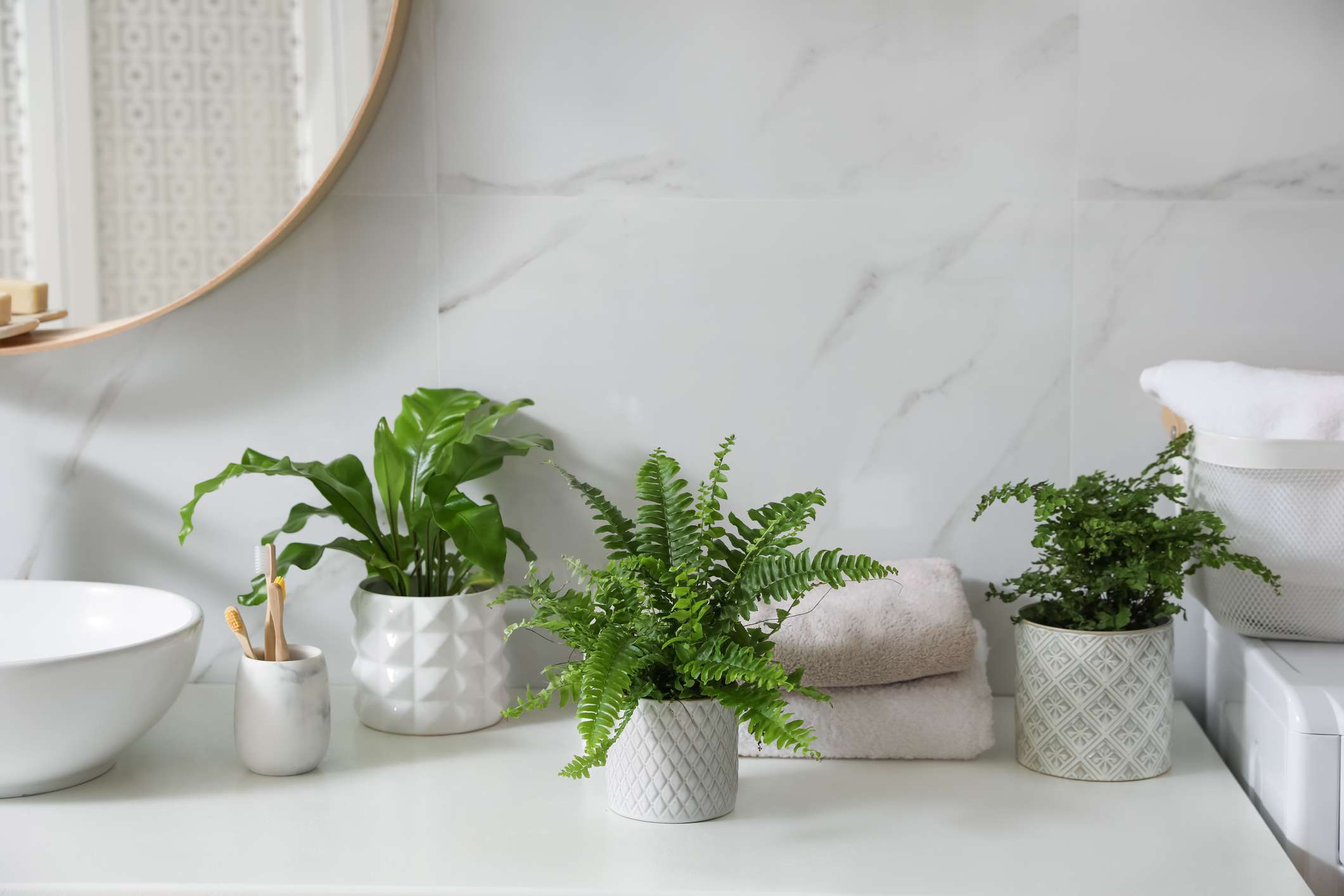
Boston fern is the classic porch and hanging basket fern. Its arching, bright green fronds spill beautifully over containers, making it ideal for patios, balconies, and indoor plant stands. It prefers bright indirect light, high humidity, and consistently moist but well-drained potting mix. If the tips turn brown, dry air or inconsistent watering may be the culprit.
2. Bird’s Nest Fern
Bird’s nest fern has broad, glossy, wavy fronds that grow from a central rosette. It looks more like living sculpture than lacework, making it perfect for modern interiors. Give it bright indirect light, humidity, and loose, rich soil. Avoid pouring water directly into the center crown, where moisture can linger and cause rot.
3. Maidenhair Fern
Maidenhair fern is famous for its delicate, fan-shaped leaflets on thin dark stems. It is stunning, but it has standards. This fern prefers steady moisture, high humidity, and indirect light. Let it dry out too long and it may crisp faster than toast. Outdoors, native maidenhair ferns can be lovely in moist shade gardens.
4. Staghorn Fern
Staghorn fern is the cool art-school cousin of the fern family. It grows as an epiphyte, often mounted on wood or grown in hanging displays. Its antler-like fertile fronds create a bold tropical look. It likes bright indirect light, warmth, humidity, and excellent drainage. Do not remove the brown shield fronds; they help protect and anchor the plant.
5. Rabbit’s Foot Fern
Rabbit’s foot fern gets its name from the fuzzy rhizomes that creep over the edge of the pot. Those “feet” are part of the charm, not a sign your plant is escaping. It prefers moderate indirect light, humidity, and light, frequent watering. It is a fun choice for hanging containers where the rhizomes can show off.
6. Kangaroo Paw Fern
Kangaroo paw fern has glossy, irregularly shaped fronds that bring a tropical feel indoors. It is more forgiving than some ferns and adapts well to containers. Use bright indirect light, a well-draining mix, and regular moisture. It can also work outdoors in warm, protected climates.
7. Lemon Button Fern
Lemon button fern is a compact fern with tiny rounded leaflets and a fresh green look. Some gardeners notice a light lemony scent when brushing the fronds. It is excellent for desks, terrariums, small shelves, and mixed indoor plant displays. Keep it in indirect light with even moisture and good drainage.
8. Button Fern
Button fern has small, round, leathery leaflets on wiry stems. Compared with more delicate ferns, it can tolerate slightly drier indoor conditions, though it still appreciates humidity. Its tidy shape makes it a good choice for small pots, windowsills, and plant groupings.
9. Blue Star Fern
Blue star fern has blue-green fronds with a soft, matte finish. It is a favorite for plant lovers who want something unusual but not impossible. It prefers indirect light, moderate humidity, and a chunky, well-draining mix. Its color looks especially beautiful against white walls, wood shelves, or neutral ceramic pots.
10. Kimberly Queen Fern
Kimberly Queen fern grows upright rather than spilling dramatically like Boston fern. It is often used in patio containers, entryway planters, and shaded outdoor displays. It tolerates heat better than many indoor ferns, but still needs regular watering and protection from intense sun.
11. Macho Fern
Macho fern lives up to its name with large, bold fronds and a strong tropical presence. It is perfect when you want a fern that says, “Yes, I came here to decorate the whole porch.” Give it space, shade or filtered light, and consistent moisture. It can be grown in large containers or warm-climate landscapes.
12. Holly Fern
Holly fern has glossy, leathery fronds with pointed leaflets that resemble holly leaves. It is useful outdoors in partial to full shade and grows best in loose, fertile, moist soil. Its sturdy texture makes it a handsome choice for foundation plantings and shaded borders.
13. Christmas Fern
Christmas fern is a hardy, evergreen native fern in many eastern U.S. landscapes. Its dark green, leathery fronds remain attractive through winter in many areas, adding structure when softer plants have vanished. It works well in woodland gardens, slopes, shaded paths, and naturalized areas.
14. Japanese Painted Fern
Japanese painted fern brings color to the shade with silvery, gray-green fronds and burgundy stems. It is one of the most decorative garden ferns and pairs beautifully with hostas, coral bells, astilbe, and dark mulch. It grows best in rich, moist, well-drained soil and light shade, where its colors stay vibrant.
15. Lady Fern
Lady fern is graceful, lacy, and adaptable in moist shade. Its soft green fronds create a classic woodland look without feeling heavy. It can be used in borders, native plant gardens, and naturalized shady areas. In the right setting, it may slowly form a lush colony.
16. Ostrich Fern
Ostrich fern is tall, dramatic, and plume-like. Its upright fronds can reach impressive heights in cool, moist conditions. It is excellent for large shade gardens, rain garden edges, and woodland borders. Give it room, because when ostrich fern is pleased, it may spread enthusiastically.
17. Cinnamon Fern
Cinnamon fern is known for its tall green sterile fronds and separate cinnamon-colored fertile fronds that rise from the center. It likes moist to wet soil and can be a standout in rain gardens, pond edges, and damp woodland settings. It brings height and seasonal interest to shady landscapes.
18. Royal Fern
Royal fern has broad, elegant fronds and a softer, almost shrub-like shape. It thrives in consistently moist or boggy soil and tolerates part sun if moisture is reliable. This fern is excellent near streams, rain gardens, and damp low spots where ordinary perennials might complain loudly.
19. Sensitive Fern
Sensitive fern has bright green, broadly lobed fronds and spreads well in moist soil. Its name refers to its sensitivity to frost, not its emotional state, although gardeners have been known to apologize to it anyway. It works well in rain gardens, naturalized areas, and damp shade.
20. Hay-Scented Fern
Hay-scented fern forms soft, light green colonies and releases a hay-like fragrance when crushed. It can spread vigorously, making it useful as a groundcover in larger woodland areas. Use it where you want a naturalistic fern carpet, not in tiny beds where every inch is already spoken for.
21. New York Fern
New York fern is a fine-textured native fern that creates a soft, airy effect in shade. Its fronds taper at both ends, giving it a distinctive look. It works nicely in woodland gardens and naturalized plantings with moist, acidic, organic soil.
22. Marginal Wood Fern
Marginal wood fern is a tough evergreen fern with blue-green to dark green fronds. It tolerates dry shade better than many ferns once established, making it useful under trees and on shaded slopes. It is a handsome, low-maintenance option for native-style gardens.
23. Male Fern
Male fern is a robust, vase-shaped fern with bold green fronds. It brings a traditional woodland look to shady beds and borders. It prefers moist, humus-rich soil but is often more adaptable than extremely delicate ferns. Use it as a medium-sized anchor plant in shade gardens.
24. Autumn Fern
Autumn fern is loved for its coppery-pink new growth, which matures to glossy green. This changing color gives it more seasonal interest than many green-only ferns. It performs well in part shade with moist, well-drained soil and is especially attractive near rocks, paths, and shaded entries.
25. Japanese Shield Fern
Japanese shield fern offers glossy texture and dependable structure in shade. It pairs beautifully with other foliage plants and can help make shady beds look designed rather than forgotten. Keep the soil enriched and lightly moist for best performance.
26. Soft Shield Fern
Soft shield fern has finely divided, elegant fronds that remain semi-evergreen or evergreen in many climates. It is useful in borders, woodland gardens, and shaded containers. Its soft texture contrasts well with broad-leaved shade plants such as hostas and hellebores.
27. Western Sword Fern
Western sword fern is a strong evergreen fern native to western North America. It has upright, arching fronds that create bold texture in woodland landscapes. It prefers shade, organic soil, and consistent moisture, though established plants can handle seasonal dryness better than many tropical ferns.
28. Japanese Holly Fern
Japanese holly fern has glossy, rigid fronds that create a clean, architectural look. It works well in shaded beds, containers, and foundation plantings in suitable climates. Because the foliage is firm and shiny, it provides a different texture from featherier ferns.
29. Crested Japanese Painted Fern
Crested Japanese painted fern offers the silver and burgundy tones of Japanese painted fern with extra frilled or crested tips. It is a jewel-box plant for shade gardens. Plant it where visitors can admire the details up close, such as along a path or near a seating area.
30. Silver Falls Japanese Painted Fern
Silver Falls is a popular Japanese painted fern cultivar known for especially silvery fronds. It brightens dark corners and looks striking with purple, black, or deep green foliage companions. Like other painted ferns, it prefers light shade and soil that does not dry out completely.
31. Ghost Fern
Ghost fern is a hybrid fern with pale, silvery fronds and an upright habit. It has an ethereal look, hence the name. Use it to brighten shade gardens without relying on flowers. It is especially beautiful when repeated in small groups.
32. Hart’s Tongue Fern
Hart’s tongue fern stands out because its fronds are long, strap-like, and undivided rather than feathery. This gives it a bold, clean silhouette. It prefers shaded, moist, well-drained conditions and is ideal for gardeners who want a fern that looks refreshingly different.
33. Tree Fern
Tree ferns, such as Australian tree fern, create a tropical canopy effect with a trunk-like stem and large fronds at the top. They are best suited to warm, humid climates or protected container culture. Give them shade, moisture, and shelter from cold winds.
34. Brake Fern
Brake ferns include several species used as houseplants and garden ornamentals. Many have narrow, divided fronds and an upright habit. They generally prefer indirect light, good drainage, and regular moisture. Some types tolerate indoor conditions better than fussier humidity-loving ferns.
35. Asparagus Fern
Asparagus fern is not a true fern, but it often sneaks into fern conversations because of its airy, fern-like foliage. It is commonly grown as a houseplant or outdoor annual in cooler regions. Its feathery texture is excellent in containers, but handle it carefully because some types have small thorns and can spread aggressively in warm climates.
Best Ferns for Indoors
For indoor growing, start with Boston fern, bird’s nest fern, lemon button fern, blue star fern, rabbit’s foot fern, kangaroo paw fern, button fern, and staghorn fern. These types are widely available and bring different textures to the home. The most important indoor care factors are indirect light, proper watering, drainage, and humidity. A bathroom with a bright window can be fern paradise. A dark corner near a heating vent is more like fern purgatory.
Group ferns with other houseplants to raise local humidity, use pots with drainage holes, and water with room-temperature water. Trim brown fronds at the base to encourage fresh growth. If your fern sheds or browns after being moved, do not panic immediately. Ferns dislike sudden changes, and some need time to adjust to a new home.
Best Ferns for Outdoor Shade Gardens
For outdoor landscapes, Christmas fern, lady fern, Japanese painted fern, ostrich fern, cinnamon fern, royal fern, sensitive fern, marginal wood fern, autumn fern, and western sword fern are excellent candidates depending on your region. In general, outdoor ferns prefer organic-rich soil, mulch that mimics leaf litter, and protection from drying winds.
Use larger ferns as anchors in the back of a shade bed, medium ferns along paths, and colorful varieties like Japanese painted fern where their silver tones can catch the eye. Ferns combine beautifully with hostas, heucheras, hellebores, foamflower, astilbe, Solomon’s seal, sedges, and spring bulbs.
Simple Fern Care Tips That Actually Work
Water Deeply, Not Randomly
Ferns prefer consistent moisture, but shallow sprinkles are not very helpful. Water thoroughly so the root zone is moistened, then allow excess water to drain. Indoor pots should never sit in standing water for long periods.
Use Organic Matter Outdoors
Compost, leaf mold, and shredded leaves help create the humus-rich soil that many ferns love. A natural mulch layer also keeps roots cooler and helps retain moisture.
Keep Fertilizer Gentle
Ferns are not heavy feeders. Too much fertilizer can burn roots or brown frond tips. For houseplants, use a diluted balanced fertilizer during active growth. For outdoor ferns, compost is often enough.
Prune at the Right Time
Remove dead or damaged fronds when they look messy. For evergreen outdoor ferns, trim tattered old fronds in late winter or early spring before new growth unfurls. For deciduous ferns, let foliage die back naturally, then clean up when needed.
Common Fern Problems and How to Fix Them
Brown tips usually mean dry air, inconsistent watering, too much fertilizer, or heat stress. Yellow fronds may indicate too much sun, overwatering, or poor drainage. Pale, stretched growth often points to insufficient light. Crispy fronds are commonly caused by underwatering or exposure to direct sun. Mushy crowns or sour-smelling soil suggest too much water and too little oxygen around the roots.
The good news is that ferns are often honest communicators. They show stress quickly, but many recover when conditions improve. Move the plant to better light, adjust watering, trim damaged foliage, and give it time. Plants do not read calendars, so recovery may take weeks rather than days.
Design Ideas for Decorating With Ferns
Use Boston ferns in matching hanging baskets for a classic porch look. Place bird’s nest fern in a simple ceramic pot for a clean indoor statement. Mount staghorn fern on wood for a living wall accent. Combine Japanese painted fern with dark-leaved coral bells for a moody shade garden. Plant Christmas fern along a woodland path for year-round greenery. Use ostrich fern in the background of a large bed for height and movement.
Ferns are especially effective when repeated. One fern is nice; five ferns in a sweeping curve look intentional. In containers, mix a fern with trailing plants and shade-tolerant annuals for texture. In gardens, let fallen leaves remain as natural mulch where possible. Ferns evolved long before weekend garden trends, and they still appreciate old-fashioned forest floor comfort.
Real-Life Experience: What Growing Ferns Teaches You
Growing ferns is a gentle lesson in paying attention. Many plants announce their needs with flowers, fruit, or dramatic wilting. Ferns are subtler. A Boston fern may begin with just a few dry tips before turning into a full shaggy protest. A maidenhair fern may look perfect on Monday and resemble a tiny haunted broom by Friday if the soil dries out. At first, this can feel frustrating. Then you realize the fern is training you to notice the small things.
One of the best experiences with ferns is learning how much location matters. Move a fern three feet away from a harsh window, and suddenly it stops crisping. Place a bird’s nest fern in a bright bathroom instead of a dry living room corner, and it may push out glossy new fronds like it just signed a lease. Outdoors, a Japanese painted fern that looks dull in deep shade may glow silver in light shade with morning sun. The same plant can behave completely differently depending on light, moisture, air movement, and soil.
Ferns also teach patience. Unlike annual flowers that give instant color, many hardy ferns take time to settle in. The first season may look modest. The second season often looks better. By the third season, a well-placed fern can turn into the kind of plant that makes visitors ask, “What is that?” This is especially true for woodland ferns such as Christmas fern, lady fern, cinnamon fern, and royal fern. They reward gardeners who think in years, not just weekends.
Another practical experience: mulch matters. In a shade garden, a thin layer of shredded leaves or compost can make ferns look healthier with less effort. It keeps soil cooler, reduces moisture swings, and creates the woodland conditions ferns naturally enjoy. This is not glamorous gardening. Nobody throws a party for leaf mulch. But ferns absolutely notice.
Indoors, the most helpful habit is checking soil before watering. Many new fern owners water on a strict schedule, then wonder why the plant is either crispy or soggy. A better approach is to touch the soil. If the top is beginning to dry but the pot still has some moisture, you are in the fern-friendly zone. If the whole pot is bone dry, water thoroughly. If it is still wet several days later, improve drainage or reduce watering.
Ferns also look best when groomed. Removing brown fronds is not just cosmetic; it redirects attention to fresh growth and helps you spot problems early. A cleaned-up fern instantly looks more expensive, even if you bought it from the clearance rack while pretending you were “just browsing.”
Perhaps the most rewarding part of growing ferns is the atmosphere they create. A shady corner becomes cooler and calmer. A porch feels more welcoming. A bathroom feels spa-like without the spa bill. A garden path feels softer, older, and more natural. Ferns do not need flowers to make a space feel alive. They do it with texture, rhythm, and quiet confidence.
If you are new to ferns, start with forgiving types like Boston fern, bird’s nest fern, Christmas fern, autumn fern, or marginal wood fern. Once you understand their moisture and light preferences, experiment with more delicate beauties like maidenhair fern or colorful varieties like Japanese painted fern. The experience becomes less about collecting plants and more about creating small, green microclimates where each fern can thrive.
Conclusion
Ferns are some of the most versatile plants you can grow, whether your goal is to freshen up your home, soften a shady garden, add texture to a porch, or create a woodland-inspired retreat. From bold macho fern and elegant bird’s nest fern to hardy Christmas fern and shimmering Japanese painted fern, the right fern can transform awkward spaces into lush, calming corners.
The secret is choosing the fern that matches your conditions. Give indoor ferns bright indirect light, steady moisture, humidity, and drainage. Give outdoor ferns shade, organic-rich soil, mulch, and enough water while they establish. Do that, and these ancient, flowerless wonders will reward you with fronds that make your home or garden feel fresher, cooler, and beautifully alive.