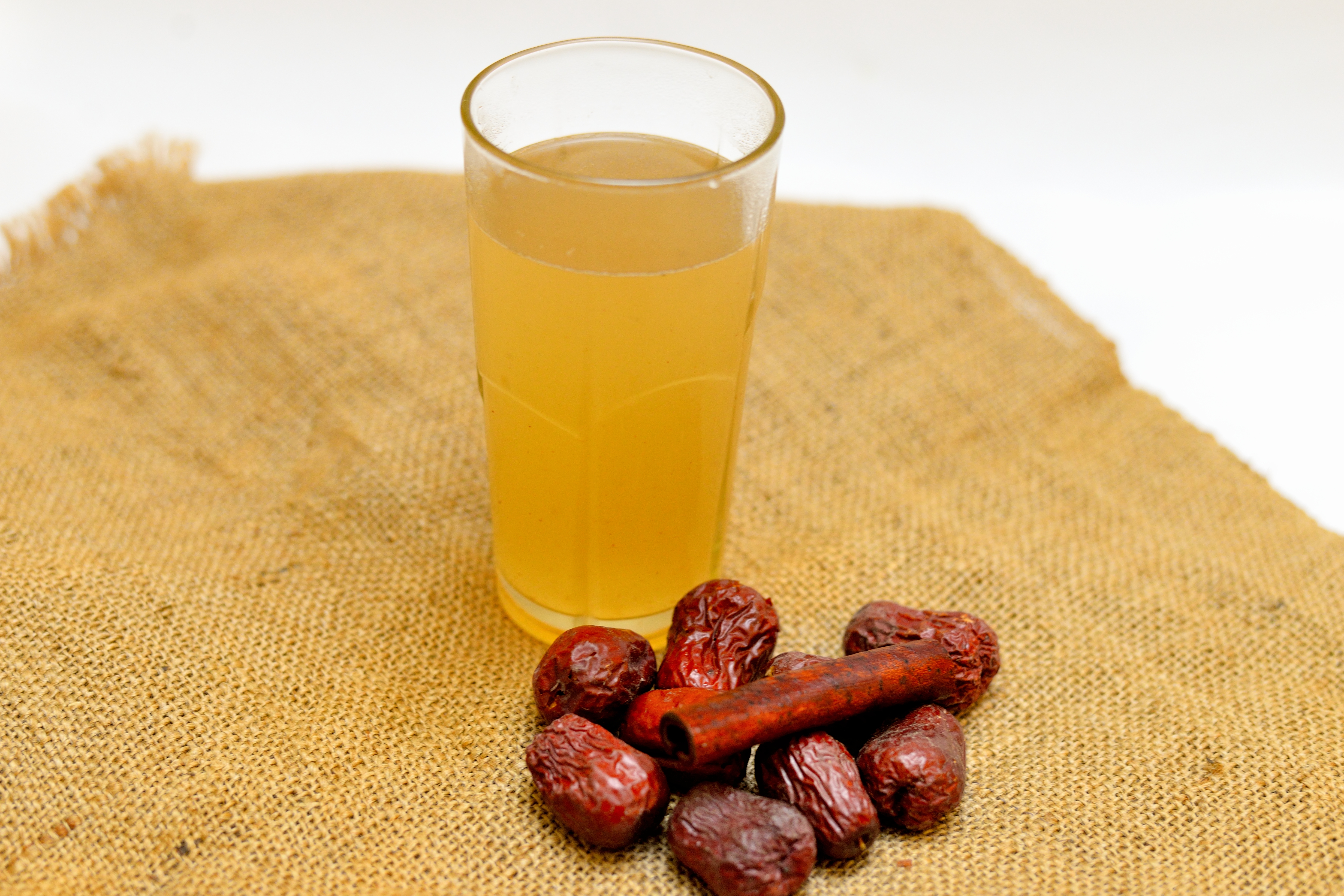

Jujubes sound like something you sneak into a movie theater, but the real jujube is not the chewy candy from childhood. It is a small stone fruit also known as the Chinese date, red date, or Ziziphus jujuba. Fresh jujubes are crisp, lightly sweet, and apple-like. Dried jujubes are wrinkly, chewy, deeper in flavor, and naturally date-like, which makes them one of the most underrated ingredients hiding in plain sight at Asian markets, specialty produce stores, and increasingly, American farmers markets.
If you have ever bought a bag of dried red dates and then stared at it like it might require a culinary passport, welcome. Jujubes are wonderfully flexible once you understand their personality. They can sweeten tea, add gentle fruitiness to soups, thicken into jam, perfume rice dishes, and sneak into desserts like they were born wearing an apron. They are not loud like lemon, buttery like avocado, or dramatic like blue cheese. Jujubes are more of a cozy cardigan ingredient: subtle, useful, and surprisingly comforting.
This guide breaks down 4 ways to cook with jujubes, including practical tips for fresh and dried fruit, easy recipe ideas, flavor pairings, and storage advice. Whether you want jujube tea, jujube jam, a savory braise, or a naturally sweet breakfast bowl, this article will help you put those charming little fruits to work.
What Are Jujubes?
Jujubes are small fruits that grow on hardy trees and are especially popular in Chinese, Korean, Vietnamese, Middle Eastern, and South Asian cooking traditions. Fresh jujubes can look like tiny apples or olives, with thin edible skin and a single hard pit in the center. As they ripen, their skin shifts from greenish-yellow to reddish-brown, and when dried, they become wrinkled, chewy, and sweet.
In the kitchen, the most important distinction is fresh jujubes versus dried jujubes. Fresh jujubes are crunchy and refreshing, so they work well sliced into salads, eaten out of hand, or lightly cooked. Dried jujubes are denser and more concentrated, so they are better for simmering, braising, tea, porridge, fillings, syrups, and sauces. Think of fresh jujubes as apple’s quiet cousin and dried jujubes as the date’s less sticky, slightly earthier relative.
How to Prepare Jujubes Before Cooking
Before you cook with jujubes, rinse them well. Fresh jujubes can be sliced around the pit, much like you would slice a small stone fruit. The skin is edible, although some cooks peel it for smoother jams or sauces. Dried jujubes should also be rinsed, especially if they came from a bulk bin or a large dried-goods bag. Many recipes use dried jujubes whole, but cutting a few slits into the fruit helps release flavor into tea, broth, and soup.
For desserts, jams, and pastes, remove the pits after soaking or simmering the fruit until soft. Do not toss whole dried jujubes into a blender unless you enjoy the sound of kitchen equipment asking for legal representation. The pit is hard, and it needs to go.
1. Simmer Jujubes into Tea, Tonics, and Warm Drinks
The easiest way to cook with dried jujubes is to make jujube tea. This is a classic use for Chinese red dates and Korean daechu. The method is beautifully simple: rinse the dried jujubes, cut slits in them, simmer them in water, and let time do the heavy lifting. The resulting drink is lightly sweet, amber-colored, and soothing without needing much sugar.
Basic Jujube Tea Method
For a simple pot of jujube tea, use about 10 to 15 dried jujubes for 4 cups of water. Rinse the fruit, slice each one open or cut a few slits around the skin, then simmer for 20 to 30 minutes. You can drink it plain or add ginger, cinnamon, goji berries, honey, or a small piece of dried orange peel. Ginger gives the tea warmth, cinnamon makes it smell like a holiday candle in the best possible way, and goji berries add a gentle tart-sweet note.
If you prefer a stronger drink, simmer the tea longer or mash the softened jujubes against the side of the pot before straining. Some cooks leave the fruit in the cup and nibble it after drinking the tea. The texture becomes soft and plump, almost like a tea-soaked dried apple.
Flavor Pairings for Jujube Tea
Jujubes pair naturally with ginger, cinnamon, star anise, dried longan, honey, pear, apple, lemon, and black tea. For an American pantry version, try dried jujubes with cinnamon sticks and a few apple slices. It tastes like a mild apple cider that went to a spa and came back emotionally balanced.
Jujube tea is also a smart way to use older dried jujubes that have become a little too firm for snacking. Simmering revives them and pulls out their sweetness. Serve it hot in cold weather or chill it for a lightly sweet iced tea. Add lemon after cooling if you want brightness, but avoid boiling lemon for too long, or the flavor can turn bitter.
2. Add Jujubes to Porridge, Oatmeal, Rice, and Grain Bowls
Jujubes shine in soft, starchy dishes because they release sweetness slowly. Dried jujubes can be simmered with rice, oats, millet, barley, or quinoa. As the grains cook, the fruit softens and perfumes the entire pot. This is one of the most practical ways to use jujubes because it requires almost no special technique.
Jujube Oatmeal
For a quick breakfast, chop 2 or 3 pitted dried jujubes and simmer them with rolled oats, milk or water, a pinch of salt, and a little cinnamon. The jujubes soften as the oats thicken, giving the bowl a natural caramel-like sweetness. Add walnuts or almonds for crunch. If you want more richness, stir in a spoonful of peanut butter or tahini. The result is breakfast that tastes intentional, not like you simply negotiated with your alarm clock and lost.
Jujube Rice Porridge
For a comforting rice porridge, simmer rinsed rice with extra water or broth, a few dried jujubes, and slices of ginger. Cook until the rice breaks down into a soft, spoonable texture. You can keep it sweet with honey and toasted sesame seeds, or make it savory with shredded chicken, scallions, and a drizzle of sesame oil. The jujubes add gentle sweetness that balances salty and savory ingredients beautifully.
Jujube Grain Bowls
Fresh jujubes can be sliced thin and used in grain bowls the way you might use apples. Try them with farro, roasted squash, arugula, toasted pecans, goat cheese, and a cider vinaigrette. Dried jujubes can also work, but they should be rehydrated first. Soak them in hot water for 15 to 20 minutes, remove the pits, chop them, and fold them into cooked grains with herbs and nuts.
The key is balance. Jujubes are sweet, so they like acidity, salt, spice, and fat. Pair them with lemon juice, vinegar, soy sauce, miso, cheese, roasted nuts, sesame oil, or chile flakes. This prevents the dish from drifting into dessert territory unless dessert territory is exactly where you packed your bags.
3. Use Jujubes in Savory Soups, Stews, and Braises
One of the best ways to cook with jujubes is in savory dishes. Dried jujubes are frequently used in brothy soups, chicken dishes, short rib stews, herbal soups, and braises. They add mellow sweetness, roundness, and a fruity aroma without making the dish taste sugary.
Jujube Chicken Soup
For a simple jujube chicken soup, simmer chicken pieces with dried jujubes, ginger, garlic, scallions, and mushrooms. The jujubes soften and lightly sweeten the broth, while ginger and garlic keep everything savory. Add rice or noodles if you want a fuller meal. This style of soup is especially lovely when you want something warming but not heavy.
If using whole dried jujubes, you can leave them in the soup and let diners eat around the pits, but it is more convenient to buy pitted jujubes or remove the pits after soaking. Pitted jujubes are easier for soups, especially if you are serving children, guests, or anyone who does not want surprise dental adventures.
Jujubes in Braised Meat
Dried jujubes work wonderfully in braised beef, pork, chicken thighs, turkey legs, and short ribs. Their sweetness balances soy sauce, garlic, ginger, chile paste, rice wine, vinegar, and fermented ingredients. Add a handful of jujubes to the braising liquid during the last half of cooking so they soften without completely falling apart.
For a Korean-inspired short rib stew, combine browned short ribs with soy sauce, garlic, ginger, onion, mushrooms, carrots, chestnuts, and dried jujubes. Simmer until the meat is tender. The jujubes absorb the savory sauce and become little pockets of sweet contrast. They are not there to steal the show; they are there to make the whole cast look better.
Vegetarian Savory Ideas
Jujubes are not limited to meat dishes. Add them to mushroom broth, lentil stew, roasted squash soup, or braised cabbage. Their sweetness works especially well with earthy mushrooms, sweet potatoes, carrots, onions, and warming spices. For a vegetarian braise, simmer dried jujubes with shiitake mushrooms, tofu, soy sauce, ginger, and a splash of rice vinegar. Serve over steamed rice and enjoy the kind of dinner that tastes like it required more effort than it did.
4. Turn Jujubes into Jam, Paste, Syrup, and Desserts
If you have a generous supply of jujubes, turn them into something spreadable. Jujube jam, paste, syrup, and dessert fillings are excellent ways to preserve the fruit and concentrate its flavor. Dried jujubes are especially good for this because they already have deep sweetness and a dense texture.
Jujube Jam or Butter
To make a basic jujube jam, soak dried jujubes in hot water until soft, then simmer them with a little fresh water until they become plump. Remove the pits, blend the flesh with some of the cooking liquid, and cook it down until thick. Add sugar, honey, or maple syrup only if needed. Some dried jujubes are already sweet enough, while others taste more earthy and benefit from a little help.
For a smoother texture, press the blended pulp through a fine mesh sieve. For a rustic spread, leave it slightly chunky. Use jujube jam on toast, biscuits, pancakes, yogurt, oatmeal, or cheese boards. It also makes a lovely filling for thumbprint cookies, hand pies, layered cakes, or sandwich cookies.
Jujube Paste for Baking
Jujube paste can be used much like date paste. Blend softened, pitted dried jujubes with enough warm water to create a thick puree. Add a pinch of salt and, if desired, a splash of vanilla. This paste can sweeten muffins, quick breads, energy bites, granola bars, and cakes. It brings fruitiness without the intense stickiness of Medjool dates.
For a simple dessert, stuff pitted dried jujubes with a small piece of mochi dough or nut paste, then steam or simmer them in a light syrup. The texture becomes soft, chewy, and gently sweet. Add osmanthus flowers, orange zest, or ginger to the syrup for fragrance.
Jujube Syrup
Jujube syrup is another useful option. Simmer dried jujubes with water until the liquid becomes flavorful, then strain and reduce it with sugar or honey until lightly thickened. Drizzle it over pancakes, sponge cake, rice pudding, roasted pears, or ice cream. You can also stir it into sparkling water or cocktails for a fruit-forward syrup that feels more interesting than plain simple syrup.
Fresh Jujubes vs. Dried Jujubes: Which Should You Use?
Use fresh jujubes when you want crunch, light sweetness, and apple-like freshness. They are best for salads, slaws, snacks, quick sautés, chutneys, and fresh relishes. Use dried jujubes when you want deeper sweetness, chewiness, and a flavor that can infuse liquids. They are best for tea, soup, stew, jam, porridge, rice dishes, and baked goods.
Fresh jujubes have a shorter shelf life and should be refrigerated if you are not eating them quickly. Dried jujubes last much longer when stored in an airtight container away from heat and light. If they become very firm, soak them before cooking. If they smell musty or show signs of mold, let them retire with dignity in the compost bin.
Nutrition Notes: Are Jujubes Healthy?
Jujubes are valued for their fiber, vitamin C, minerals, and plant compounds. Fresh jujubes are lower in calories than dried ones because they contain more water. Dried jujubes are more concentrated in natural sugars, so a small handful goes a long way. That does not make them “bad”; it simply means they behave more like dried dates, raisins, or figs than fresh fruit.
As with any ingredient connected to traditional wellness uses, it is best to keep health claims realistic. Enjoy jujubes as food first. If you take medication, manage blood sugar, are pregnant, or use jujube supplements rather than whole fruit, ask a qualified health professional for guidance. A bowl of oatmeal with jujubes is dinner-table wisdom; a mystery capsule from the internet is a different department entirely.
Smart Tips for Cooking with Jujubes
Remove the Pit When Texture Matters
For tea and long-simmered soups, whole jujubes are fine. For jams, cakes, sauces, and anything blended, remove the pit. Pitted dried jujubes save time, but whole ones often have excellent flavor.
Rehydrate Before Chopping
Dried jujubes can be tough to chop when very dry. Soak them in hot water for 15 to 30 minutes first. They will soften, slice more easily, and blend into recipes better.
Balance Sweetness with Acid and Salt
Because jujubes are naturally sweet, they benefit from lemon, vinegar, yogurt, cheese, soy sauce, miso, toasted nuts, ginger, or chile. Even a pinch of salt can make their flavor taste fuller.
Do Not Overcrowd a Recipe
Jujubes are flavorful but subtle. In savory dishes, use them as an accent rather than the main event. A handful in soup or stew is usually enough.
Easy Recipe Ideas Using Jujubes
Jujube Ginger Tea
Simmer 12 dried jujubes, 4 slices of ginger, and 1 cinnamon stick in 4 cups of water for 25 minutes. Strain and sweeten lightly with honey if desired.
Jujube Breakfast Oats
Cook rolled oats with chopped pitted jujubes, cinnamon, milk, and a pinch of salt. Top with toasted almonds and a spoonful of yogurt.
Jujube Chicken Broth
Simmer chicken thighs with garlic, ginger, scallions, mushrooms, and 6 to 8 dried jujubes. Season with salt or soy sauce. Serve with rice.
Jujube Jam Toast
Blend softened, pitted dried jujubes with a little cooking liquid. Cook until thick, then spread on toast with butter, cream cheese, or ricotta.
Common Mistakes to Avoid
The first mistake is confusing jujube fruit with jujube candy. The fruit is the ingredient you want for cooking. The candy is for nostalgia, dental commitment, and possibly Halloween bowls. The second mistake is using too many dried jujubes in a savory recipe. They are sweet, so moderation matters. The third mistake is forgetting the pit. A jujube pit in a smoothie is not rustic; it is chaos.
Another common issue is expecting dried jujubes to taste exactly like Medjool dates. They are similar but not identical. Jujubes are often lighter, less sticky, and sometimes more herbal or apple-like. This makes them excellent in broths and teas, but if you use them in a dessert, you may want extra vanilla, spice, or citrus to build a rounder flavor.
Experience: What Cooking with Jujubes Actually Feels Like in a Real Kitchen
The first time you cook with jujubes, the experience may feel slightly mysterious. You rinse the dried fruit, drop it into a pot, and wonder whether anything dramatic will happen. At first, not much does. The jujubes float around like tiny wrinkled life rafts. Then the water begins to change color. The kitchen picks up a soft, fruity smell. It is not loud or perfumed; it is gentle, like apples, dates, and warm wood had a quiet meeting.
Jujube tea is usually the recipe that converts people. It is forgiving, inexpensive, and almost impossible to ruin unless you completely forget the pot, which, to be fair, has happened to better cooks and worse roommates. The tea tastes light at first, then grows more satisfying as it cools slightly. Add ginger, and it becomes brighter. Add cinnamon, and suddenly it feels like sweater weather, even if you are standing in a kitchen wearing shorts and arguing with humidity.
Cooking jujubes in oatmeal is another small revelation. The fruit softens just enough to become chewy, and the oats pick up a natural sweetness that does not taste like plain sugar. It feels like a breakfast upgrade without the fuss of making a compote. On busy mornings, chopped dried jujubes can turn a basic bowl of oats into something that tastes planned. This is useful because most weekday breakfasts are less “culinary vision” and more “please let this spoonful count as adulthood.”
In savory cooking, jujubes are more subtle. Add them to chicken soup or a braise, and you may not immediately identify their flavor. Instead, the broth tastes rounder. The sauce tastes less sharp. Ginger seems warmer, soy sauce seems deeper, and mushrooms seem earthier. That is the quiet magic of jujubes: they do not always announce themselves, but they improve the room.
Making jujube jam or paste is the most hands-on experience. You soak, simmer, pit, blend, and taste. The flavor can vary from batch to batch, so it teaches you to adjust. Some jujubes need lemon. Some need honey. Some need only a pinch of salt. The finished paste is excellent on toast, but it also works in baking, especially if you like desserts that are sweet but not aggressively sugary. A jujube-filled cookie has the cozy charm of a fig bar, a date cookie, and a little bakery secret all at once.
The biggest lesson from cooking with jujubes is that they reward patience. They are not instant fireworks. They are slow flavor builders. They simmer well, soak well, blend well, and play nicely with ingredients already in many American kitchens: oats, chicken, rice, apples, cinnamon, ginger, nuts, honey, and citrus. Once you learn that, the bag of dried jujubes in your pantry stops looking confusing and starts looking like possibility.
Conclusion
Learning 4 ways to cook with jujubes opens the door to a surprisingly versatile fruit. Simmer them into tea, stir them into porridge and grains, use them in savory soups and braises, or turn them into jam, paste, syrup, and desserts. Fresh jujubes bring crisp apple-like texture, while dried jujubes offer deeper sweetness and slow-cooked comfort.
The best part is that jujubes do not demand complicated techniques. They ask only for rinsing, soaking when needed, pitting when necessary, and a little flavor balance. Pair them with ginger, cinnamon, rice, chicken, mushrooms, nuts, honey, citrus, or soy sauce, and they will do what great ingredients do: make ordinary food taste more thoughtful. Not bad for a fruit many people first mistake for candy.
Note: This article is for culinary and general informational purposes. Whole jujube fruit can be enjoyed as part of a balanced diet, but supplement use or medical concerns should be discussed with a qualified health professional.