
Crayons are wonderful when they stay on paper. They are less charming when they melt into a favorite shirt, decorate a school uniform, or sneak into the dryer like a tiny waxy villain. The good news? A crayon stain on fabric is not automatically a laundry funeral. With the right method, a little patience, and a firm refusal to panic, you can often remove crayon from clothes without replacing the entire wardrobe.
The trick is understanding what you are dealing with. Crayon is usually a mix of wax and pigment. That means the stain has two personalities: the greasy waxy part that clings to fibers and the colorful dye-like part that leaves a mark behind. To get crayon out of clothes, you need to loosen the wax, lift the color, wash correctly, and avoid one giant mistake: putting the garment in the dryer before the stain is gone.
Below are four practical ways to remove crayon stains from clothes, including fresh marks, melted crayon, heat-set crayon, and the dreaded “a crayon went through the dryer” disaster. Grab the dish soap, check the care label, and let’s rescue that laundry pile.
Before You Start: Read This or Regret It Later
Before trying any crayon stain removal method, scrape off as much solid crayon as possible. Use a dull butter knife, spoon edge, old credit card, or plastic scraper. Do not use anything sharp enough to slice, snag, or fuzz the fabric. Your goal is to remove extra wax sitting on top of the cloth, not perform surgery on a T-shirt.
Next, check the garment care label. If the item says “dry clean only,” treat it gently and consider taking it to a professional cleaner, especially if it is silk, wool, acetate, rayon, or a structured garment. If the clothing is washable cotton, polyester, denim, or a sturdy blend, you can usually try home treatment safely.
Always test stain removers on a hidden area first. Dish soap, oxygen bleach, laundry stain remover, rubbing alcohol, or any stronger product may react differently depending on dye, fabric finish, or garment quality. A quick spot test inside a hem can save you from turning one crayon stain into a modern art tragedy.
Most importantly, do not machine dry the clothing until the crayon stain is completely gone. Heat can melt wax deeper into the fibers and make pigment more stubborn. Air-dry the item after washing, inspect it in good light, and repeat the treatment if needed.
Way 1: Use Dish Soap for Fresh Crayon Stains
This is the best first method when the crayon mark is fresh, small, or not fully melted into the fabric. Liquid dish soap works well because it is designed to cut grease, and crayon wax behaves a lot like a greasy stain. Think of dish soap as the polite but determined bouncer escorting wax out of the fabric party.
What You Need
- Liquid dish soap
- A dull knife, spoon, or plastic card
- A soft toothbrush or laundry brush
- Warm water
- Heavy-duty laundry detergent
- Oxygen-based stain remover, if safe for the garment
Step-by-Step Instructions
First, scrape away loose crayon. Work slowly and gently so you do not push more pigment into the fibers. If the crayon is soft, place the garment in the freezer for 10 to 20 minutes to firm up the wax, then scrape again.
Next, apply a small amount of liquid dish soap directly to the stain. Work it in with your fingers or a soft toothbrush. Do not scrub like you are sanding a deck. Gentle pressure is enough. Let the soap sit for five to ten minutes so it can loosen the waxy residue.
Rinse the stained area under warm running water from the back of the fabric. This helps push the loosened crayon out instead of driving it deeper in. If the mark fades but does not disappear, repeat the dish soap treatment once more.
Finally, wash the garment using the warmest water allowed by the care label, a good laundry detergent, and an oxygen-based stain booster if appropriate. Choose a heavy soil cycle for sturdy fabrics. After washing, inspect the clothing carefully. If you still see color or a greasy shadow, do not dry it. Treat again and air-dry.
Best For
This method is ideal for washable clothes with fresh crayon marks, school clothes, play clothes, cotton shirts, jeans, and everyday family laundry. It is also the safest place to start because dish soap is widely available and usually gentle when used correctly.
Way 2: Use the Heat-and-Blot Method for Waxy Crayon Buildup
If there is a thick waxy patch on the garment, washing alone may not remove it. In fact, tossing heavy wax directly into the washer may spread the residue. The heat-and-blot method helps transfer softened wax out of the fabric and onto paper towels or a brown paper bag.
This method needs care. Too much heat can set pigment or damage delicate fabrics. Use it only on washable, heat-tolerant materials and keep the iron temperature low to medium. If the fabric is delicate, skip this method and use a professional cleaner or a gentler stain remover.
What You Need
- White paper towels or a plain brown paper bag
- An iron
- A clean towel
- Liquid dish soap or laundry stain remover
- Laundry detergent
Step-by-Step Instructions
Place a clean towel on your work surface. Put a few white paper towels underneath the stained area, then place another paper towel or plain brown paper over the top of the stain. Avoid printed paper, colored napkins, or anything with ink that could transfer to the fabric. Your laundry already has enough drama.
Set the iron to low or medium heat with no steam. Press the iron briefly over the covered stain for a few seconds. Lift it, check the paper, and move to a clean section as wax transfers. Repeat slowly. The goal is to soften the crayon just enough for the paper to absorb it.
Once the waxy buildup is reduced, treat the remaining color stain with liquid dish soap or a laundry stain remover. Let it sit for several minutes, rinse from the back of the fabric, and wash using the warmest water allowed by the care label.
After washing, air-dry and inspect. If there is still color remaining, move to the oxygen bleach soaking method below.
Best For
This method works well for thick crayon deposits, melted crayon spots, and waxy patches that feel slightly raised or stiff. It is especially useful before washing because it removes some of the wax load first.
Way 3: Soak With Oxygen Bleach for Lingering Color
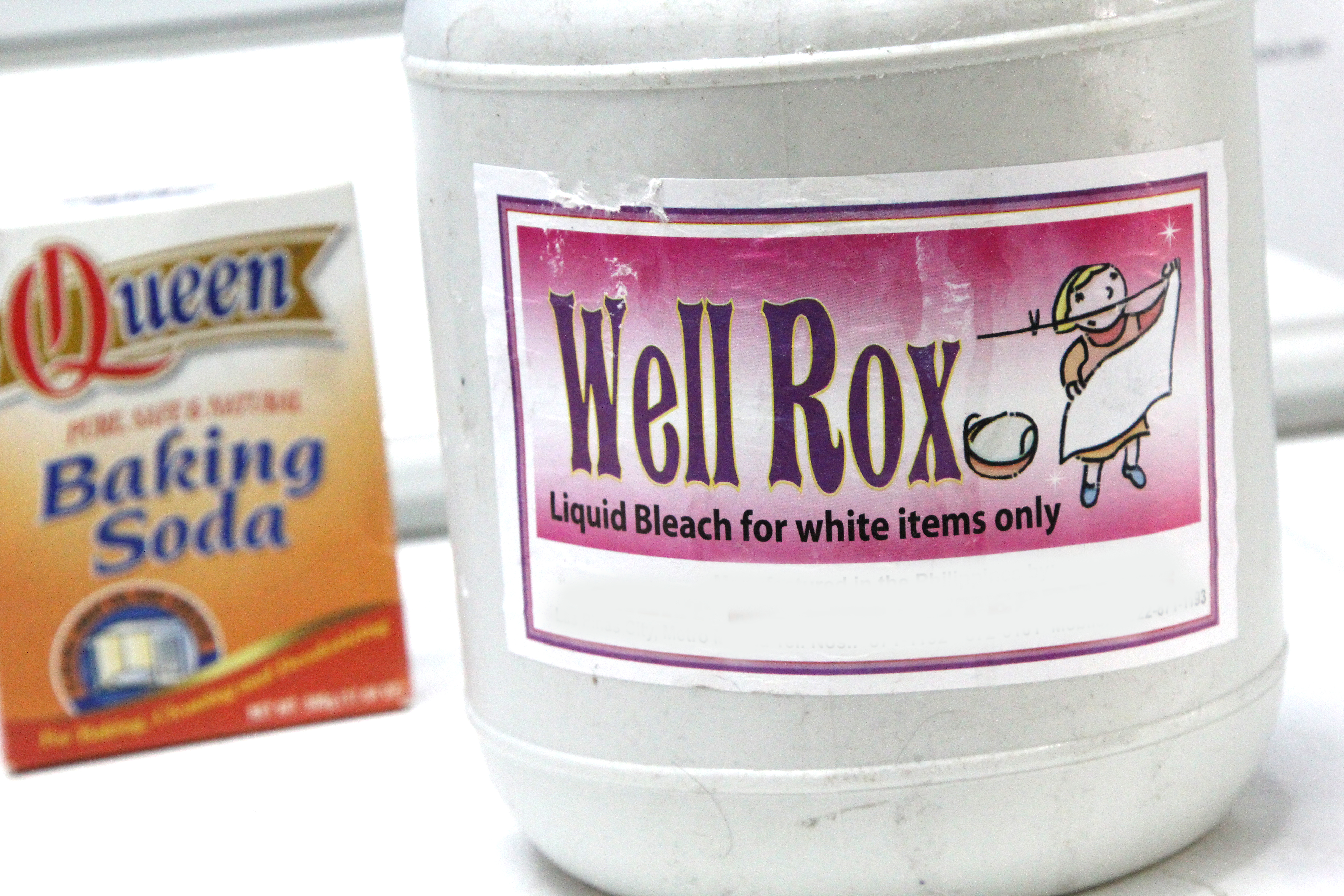
Sometimes the wax comes out, but the color stays behind like it signed a lease. That is when an oxygen-based bleach soak can help. Oxygen bleach is different from chlorine bleach. It is commonly used for many washable whites and colors, but you still need to check the product label and garment care label before using it.
This method is especially helpful when crayon pigment remains after dish soap treatment. It can also help with multiple tiny crayon specks caused by a crayon melting in the washer or dryer.
What You Need
- Oxygen-based bleach or color-safe stain remover
- Warm or hot water, depending on the care label
- A sink, bucket, or basin
- Laundry detergent
- A soft brush, optional
Step-by-Step Instructions
Fill a sink or bucket with water at the warmest temperature safe for the fabric. Add oxygen bleach according to the package directions. Do not guess wildly. More product does not always mean better results; sometimes it just means you have created expensive laundry soup.
Submerge the stained garment fully. Let it soak for at least one hour. For stubborn stains on sturdy fabrics, soaking longer may help, as long as the product label and garment label allow it. Keep colors separated to reduce the risk of dye transfer.
After soaking, gently rub the stained area or use a soft brush. Then wash the garment with laundry detergent on the warmest safe setting. Use a heavy soil cycle if the fabric can handle it.
Inspect the garment after washing. If the stain is still visible, repeat the soak and wash. Air-dry only. The dryer is not invited until the stain has completely left the building.
Best For
This method is best for leftover pigment, color shadows, washable whites, colorfast clothing, and loads affected by tiny crayon streaks. It is one of the most useful follow-up treatments after the wax has already been loosened or removed.
Way 4: Rescue Clothes After a Crayon Went Through the Dryer
This is the big one. A crayon in the dryer can leave waxy streaks on multiple garments and inside the dryer drum. It looks catastrophic. It feels personal. But you still have options.
When crayon has been heat-set, you need to treat both the clothes and the dryer. If you clean only the clothes, leftover wax inside the dryer may redeposit onto the next load. That is how one forgotten crayon becomes a household saga.
What You Need
- Liquid dish soap
- Laundry stain remover
- Oxygen-based bleach or color-safe laundry booster
- Heavy-duty detergent
- Old towels or rags
- Warm water
- Nonflammable cleaner or mild dish soap solution for the dryer drum
- Melamine sponge, optional
Step-by-Step Instructions for Clothes
Start by sorting the affected clothing. Treat the worst stains first. Scrape off any visible wax, then apply dish soap to each crayon mark. Work it in gently and let it sit for at least 10 minutes.
For heavy staining, place the clothes in a sink or washer filled with warm water, detergent, and oxygen-based bleach if safe for the fabrics. Soak for at least one hour. For sturdy, colorfast items, a longer soak may help loosen the heat-set pigment.
Wash the load using the warmest water allowed by the care labels. Select a heavy soil cycle if available. Do not overload the washer; stained clothes need room to move so the detergent can do its job.
When the cycle ends, inspect every item before drying. You may need to repeat the treatment. Heat-set crayon can be stubborn, but repeated soaking and washing often improves the stain significantly.
Step-by-Step Instructions for the Dryer
Before cleaning the dryer, make sure it is cool and empty. Wipe out visible crayon residue with paper towels. Then use a cloth dampened with warm water and a small amount of mild dish soap to clean the drum. Focus on waxy smears and colored marks.
If residue remains, a melamine sponge may help on some dryer interiors, but use it gently and follow appliance safety guidance. Avoid flammable solvents inside the dryer unless the appliance manufacturer specifically allows them and you can rinse thoroughly. Safety matters more than saving a pair of socks.
Once the drum looks clean, wipe it again with a damp cloth to remove soap or cleaner residue. Then run a few old clean rags through a short air-fluff or low-heat cycle to check whether any crayon transfers. If the rags come out clean, your dryer is ready for normal laundry again.
Best For
This method is best for melted crayon disasters, speckled laundry loads, dryer stains, and clothing that has already been exposed to heat. It takes more time, but it can save a surprising number of garments.
What Not to Do When Removing Crayon From Clothes
Do not rub the stain aggressively. Rubbing can spread pigment, rough up fabric fibers, and make the mark larger. Use blotting, gentle brushing, and controlled rinsing instead.
Do not use chlorine bleach on colored clothes or delicate fabrics unless the care label clearly says it is safe. Chlorine bleach can remove color from the garment itself, leaving you with a new stain called “oops.”
Do not put stained clothing in the dryer to “see what happens.” What happens is usually regret. Air-dry first, inspect, and repeat treatment if needed.
Do not mix cleaning chemicals. Combining products such as bleach and ammonia can create dangerous fumes. Stick with one method at a time, rinse thoroughly between treatments, and follow product instructions.
Do not ignore the dryer drum after a melted crayon incident. Any leftover wax can transfer onto future loads, turning a single crayon accident into an encore performance.
How to Prevent Crayon Laundry Disasters
The easiest crayon stain to remove is the one that never happens. Check pockets before washing children’s clothes, jackets, hoodies, backpacks, art smocks, and car-seat blankets. Crayons have a mysterious talent for hiding in tiny pockets like they are training for espionage.
Keep a small basket or jar near the laundry area labeled “pocket treasures.” Kids can empty pockets before clothes go into the hamper. You may collect crayons, rocks, toy cars, snack wrappers, and occasionally something unidentifiable that everyone agrees not to discuss.
Wash art clothes separately when possible. If a child has spent the afternoon coloring, painting, crafting, or expressing themselves with the confidence of a tiny Picasso, inspect those clothes before they join the regular laundry.
Finally, teach kids that crayons belong in boxes, not pockets. Will this work every time? Absolutely not. But it gives you moral superiority when you are scraping purple wax off a sweatshirt.
Real-Life Experience: What Crayon Stains Teach You the Hard Way
Anyone who has dealt with crayon in laundry knows the emotional journey. It usually begins with innocence. You open the dryer expecting warm towels or tiny jeans, and instead you find red, blue, or green streaks scattered across everything. For one dramatic second, it feels like the laundry has been attacked by a very small graffiti artist.
The first lesson is that speed helps, but calm helps more. Many people make the stain worse because they panic and start scrubbing, soaking, spraying, and drying all in one chaotic blur. Crayon removal works best when you slow down and separate the problem into two parts: wax and color. Scrape the wax. Treat the greasy residue. Then deal with the pigment.
The second lesson is that dish soap is surprisingly powerful. In real household laundry situations, a good grease-cutting dish soap often makes the biggest difference at the beginning. It may not erase every color mark by itself, but it breaks up the waxy film so detergent and oxygen bleach can work more effectively afterward. This is why many successful crayon stain routines start with scraping and dish soap rather than jumping straight to the washing machine.
The third lesson is that patience beats force. A crayon stain may need two or three rounds of treatment. That does not mean the method failed. It means wax and pigment are stubborn. Repeating a safe process is usually better than reaching for harsh chemicals that could damage the fabric. A second oxygen bleach soak can do more good than one aggressive scrubbing session.
The fourth lesson is to inspect clothes in bright light. Crayon residue can hide when fabric is wet. A shirt may look clean at first glance, then reveal a faint oily shadow near the pocket or sleeve. Air-drying gives you a chance to catch that shadow before heat sets it deeper. This small habit can save a lot of clothing over time.
The fifth lesson is that not every garment deserves the same level of rescue. A school uniform shirt, favorite hoodie, or expensive pair of pants may be worth repeated treatment. A worn-out play shirt with three holes and a mystery stain from last summer? Maybe that one becomes a cleaning rag. Laundry wisdom includes knowing when to fight and when to promote the shirt to “garage duty.”
Crayon stains also teach families to build better laundry habits. Pocket checks become routine. Art clothes get washed separately. The dryer drum gets inspected after suspicious loads. Parents learn that silence from the craft table is not always peace; sometimes it is preparation for laundry warfare.
In the end, getting crayon out of clothes is less about one magic trick and more about using the right sequence. Remove extra wax, pretreat with dish soap, soak for lingering color, wash carefully, and never dry until the stain is gone. It is not glamorous, but it works. And when that favorite shirt comes out clean, you may feel a level of victory usually reserved for assembling furniture without leftover screws.
Conclusion
Crayon stains look scary, especially when wax has melted into fabric or spread through a dryer load. But most washable clothes can be improved, and many can be fully saved, if you act carefully. Start with the gentlest effective method: scrape away excess crayon and use dish soap to break down the wax. For heavier buildup, use controlled heat and blotting to transfer wax out of the fabric. For leftover color, soak with oxygen-based bleach when safe. And for dryer disasters, treat the clothes and clean the dryer drum before doing another load.
The golden rule is simple: do not machine dry stained clothing until the crayon is completely gone. Air-dry, inspect, and repeat as needed. Crayon may be stubborn, but with the right plan, it does not get the final word.
Note: This article is written for general washable fabrics. Always follow the garment care label and product directions, and use a professional cleaner for delicate or dry-clean-only clothing.