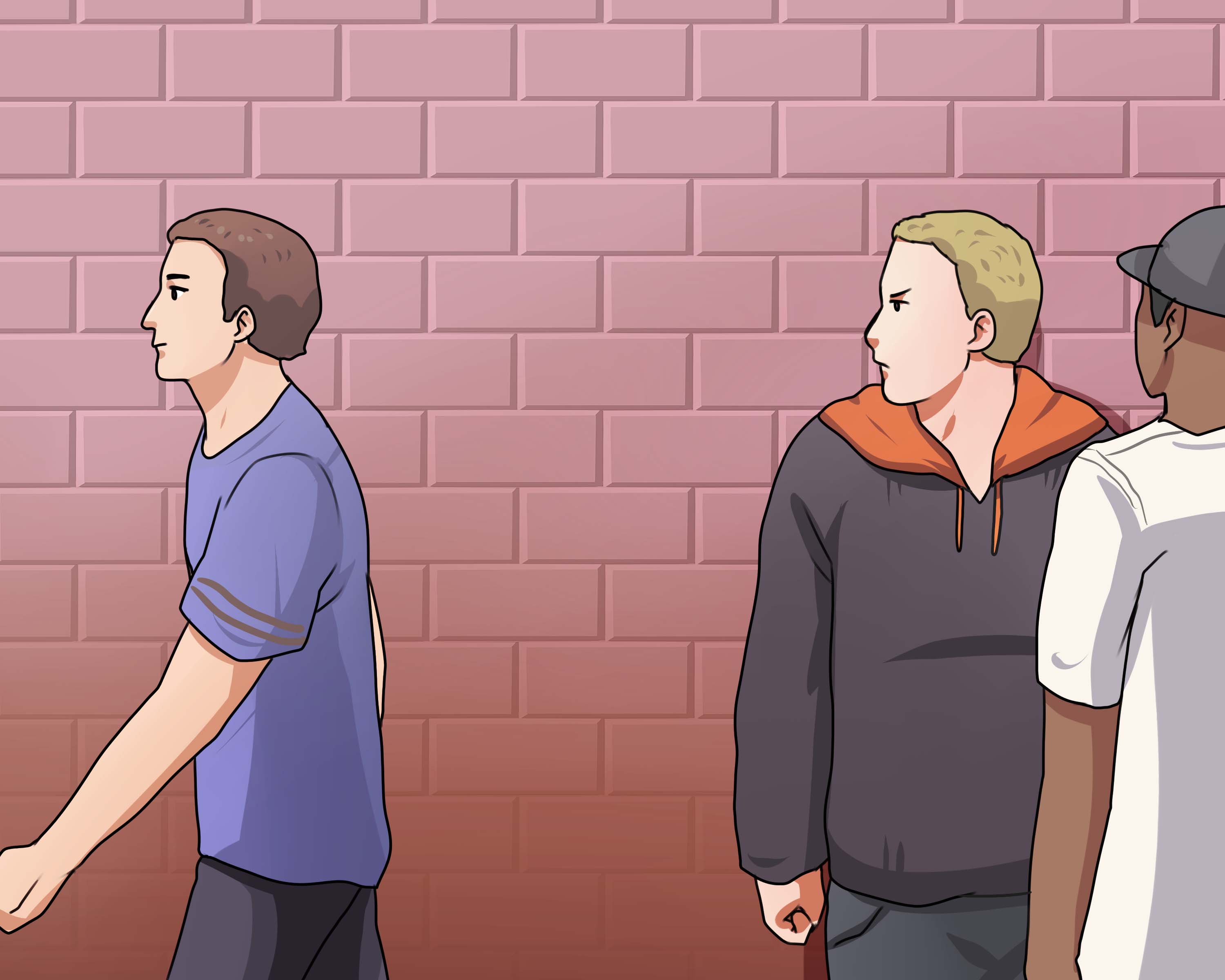

Ignoring bullies sounds simple until the bully sits behind you in class, rides your bus, works near your locker, lives in your group chat, or appears in your life with the regularity of a bad Wi-Fi signal. You cannot always “just walk away,” especially when the person bothering you is part of your school, neighborhood, team, family circle, or daily routine. That is why learning how to ignore bullies you can’t get away from is less about pretending nothing is happening and more about protecting your energy, safety, confidence, and peace of mind.
Let’s clear something up right away: ignoring a bully does not mean accepting bullying. It does not mean staying silent forever, blaming yourself, or letting someone treat you like a human stress ball. Real ignoring is strategic. It means refusing to give the bully the reaction they are fishing for while also building support, documenting patterns, and knowing when to get help. Think of it as emotional judo: you are not feeding the drama monster, but you are also not standing there holding a snack tray.
Bullying can be verbal, social, physical, or digital. It may look like teasing, rumors, exclusion, mocking, threats, repeated insults, public embarrassment, or online harassment. When you cannot fully avoid the person, your goal is to reduce their access to your reactions, create safer routines, and involve the right people before the situation grows. Below are four practical ways to handle bullies you cannot completely escape.
1. Use the “No Reaction” Strategy Without Becoming a Doormat
Many bullies want a reaction. They want anger, tears, embarrassment, arguments, or proof that their words landed. If you explode, they may treat it like a standing ovation. If you freeze, they may keep poking. The goal is not to become emotionless like a robot with homework. The goal is to control what the bully gets to see.
Practice a calm, boring response
When a bully says something rude, try a neutral response that does not open the door to a long conversation. Short phrases work best:
- “Okay.”
- “Not interested.”
- “That’s enough.”
- “I’m going back to my work.”
- “I’m not discussing this.”
Say it calmly, then return to what you were doing. Do not debate, explain, roast them back, or try to win the courtroom case of “Who Is Being More Annoying Today?” Bullies often enjoy dragging people into verbal ping-pong. Your job is to put the paddle down.
Use body language that says “closed for business”
Your posture can support your words. Keep your shoulders relaxed, face neutral, and movements steady. Look toward your book, your friend, your teacher, your phone screen, or wherever your attention belongs. Avoid dramatic eye rolls, muttering, or obvious anger when possible. Yes, this takes practice. No one becomes calm on command just because an article told them to. Start small and rehearse in your head before you need it.
For example, if someone whispers an insult during class, you might take a slow breath, keep your eyes forward, and write one more line of notes. The bully wanted a show. You gave them a documentary about pencil movement. Not exactly thrilling.
Know when “no reaction” is not enough
If bullying includes physical harm, threats, stalking, sexual harassment, hate-based comments, pressure to do something unsafe, or repeated intimidation, do not rely only on ignoring. Get help from a trusted adult, teacher, counselor, supervisor, parent, coach, or school administrator. Ignoring is one tool, not a magic shield. A smoke alarm is annoying, but you do not ignore the fire.
2. Create Distance Even When You Cannot Leave Completely
Sometimes you cannot avoid a bully entirely, but you can reduce how much access they have to you. This is called controlled distance. You are not running away; you are redesigning the battlefield so they have fewer chances to bother you.
Change small routines
If the bully always starts trouble near the same hallway, cafeteria table, bus seat, locker, group chat, or practice area, look for small adjustments. Sit closer to a teacher. Walk with a friend. Leave class with a group. Choose a different route if it is safe and reasonable. Stand near adults or cameras in public spaces. Keep your phone out of reach during moments when online comments tempt you into replying.
Small changes can feel almost too simple, but bullies often depend on predictable access. If they usually corner you near your locker and suddenly you arrive with two friends or ask to use a different locker area, the situation becomes less convenient for them. Bullies like easy targets. Make bothering you require paperwork-level effort.
Build a “safe people” map
Identify people who can help you stay grounded and protected. This might include a friend who walks with you, a teacher who notices what happens, a counselor who can document concerns, a bus driver who can assign seats, or a coach who can separate students during practice. You do not need a giant rescue squad with matching capes. One or two reliable people can make a big difference.
Try saying, “I’m dealing with repeated comments from someone and I’m trying not to react. Can I sit near you?” or “Can we walk together after class for a while?” These are simple requests, and they do not require telling everyone your whole story.
Use digital distance
If bullying happens online, do not keep returning to the comment section like it owes you rent money. Screenshot or save evidence if needed, then mute, block, restrict, or report the account. Avoid responding in the heat of the moment. Online bullies often want public drama because it gives them an audience. Denying them that audience protects your energy and reduces escalation.
For group chats, consider changing notification settings, leaving if safe, or asking an adult or moderator for help. If the bullying includes threats, impersonation, harassment, or private information being shared, involve a trusted adult immediately. Digital bullying is real bullying; the screen does not make it harmless.
3. Train Your Attention Like It Is a Muscle
Ignoring bullies is hard because attention is sticky. A cruel comment can attach itself to your brain like gum under a desk. You may hear one insult and replay it fifty times, complete with bonus commentary from your inner critic. That is why ignoring is not just an outside behavior; it is also an inside skill.
Use a focus anchor
A focus anchor is something you deliberately pay attention to when the bully tries to pull you into their nonsense. It could be your breathing, your notes, a song lyric in your head, counting objects in the room, naming five things you can see, or silently repeating, “This is about them, not me.” The anchor gives your mind somewhere else to stand.
For example, if a bully makes a comment during lunch, you might focus on the texture of your water bottle, the sound of your friend talking, or the next thing you need to do. This does not make the comment okay. It simply keeps the bully from taking over your entire mental playlist.
Do not argue with every thought
After bullying, your brain may ask painful questions: “What if they’re right?” “What if everyone agrees?” “Why didn’t I say something better?” Treat those thoughts like spam emails. You do not have to open every one. A thought can be loud and still be wrong.
Try replacing the thought with a grounded statement:
- “Their behavior is not proof of my worth.”
- “I handled that safely.”
- “I do not need to win an argument to protect my peace.”
- “I can ask for help without being weak.”
This may sound cheesy at first, like something printed on a mug in a counselor’s office. Use it anyway. Your mind believes what it hears often, so give it something better than the bully’s greatest hits album.
Plan your recovery time
If you have to see a bully every day, schedule moments that help your nervous system calm down. Talk to someone supportive, take a walk, listen to music, write down what happened, draw, play a game, practice a hobby, or do something that reminds you that your life is bigger than this one person’s behavior.
Recovery is not overreacting. It is maintenance. A phone needs charging; so does a person dealing with daily stress. The difference is that you cannot plug yourself into a wall, which is probably for the best.
4. Document, Report, and Build a Support Plan
The phrase “ignore bullies” becomes dangerous when adults use it as an excuse to do nothing. You can ignore a rude comment in the moment and still report the pattern later. In fact, that combination is often stronger: you stay calm during the incident, then take action when you are safe and prepared.
Keep a simple record
Write down what happened, when it happened, where it happened, who was involved, who saw it, and whether there is evidence. Keep screenshots of online bullying. Save messages. Note repeated patterns. You do not need to write a novel titled “The Chronicles of Chad Being Terrible.” A basic log is enough.
For example:
- Monday, 8:10 a.m., hallway near Room 204: Jordan called me a name and blocked my way. Maya and Eli were nearby.
- Tuesday, 3:45 p.m., group chat: Jordan posted a mocking photo. Screenshot saved.
- Thursday, lunch: Jordan told two people not to sit with me. I told Ms. Rivera after lunch.
Details help adults understand that this is not “just drama” or a one-time bad mood. Patterns matter.
Choose the right adult
Not every adult handles bullying perfectly, but that does not mean you should handle it alone. Start with someone who listens calmly and takes action: a parent, teacher, counselor, principal, coach, supervisor, school nurse, or family member. Be specific. Instead of saying, “People are being mean,” say, “This person has been targeting me three times this week, and I have screenshots.”
Helpful adults can separate students, monitor problem areas, create seating changes, contact families, document incidents, enforce school policies, or connect you with counseling support. If one adult dismisses the problem, tell another. You are not being dramatic; you are being persistent about your safety.
Use a safety-first rule
If you feel unsafe, if threats are made, if bullying becomes physical, or if online harassment escalates, get help immediately. Go to a public area, find an adult, call a parent or guardian, or contact school staff. The goal is not to “look tough.” The goal is to stay safe. Toughness without safety is just poor planning wearing sunglasses.
Why Ignoring Bullies Works Sometimesand Why It Fails Sometimes
Ignoring can work when the bully’s main goal is attention. If they make a joke and no one laughs, if they poke and you do not react, if they post and you do not respond, the reward shrinks. Over time, some bullies lose interest and move on. That is the useful part of ignoring.
But ignoring fails when bullying is about control, group status, prejudice, physical intimidation, or repeated harassment that continues even without a reaction. In those cases, the bully may not need your response because they are performing for others or testing boundaries. That is why a strong plan combines calm non-reaction with distance, support, documentation, and reporting.
The smartest approach is flexible. You do not have to choose between “ignore everything” and “fight every battle.” You can ignore bait, avoid unsafe situations, speak firmly when needed, and report patterns. That is not weakness. That is strategy.
Specific Examples of Ignoring Bullies You Cannot Escape
In class
If a student whispers insults, avoid turning around every time. Keep your attention forward, write down the time and what happened after class, and tell the teacher privately. Ask to move seats if necessary. A calm sentence like, “I’m having trouble focusing because the comments are repeated,” is direct and mature.
On the bus
Sit near the driver or with supportive students. Use headphones only if it is allowed and safe. Do not respond to taunts. Tell the driver, school staff, or a parent what is happening, especially if the same person targets you repeatedly.
At practice or club meetings
Stay near teammates who treat you well. Focus on the activity. If insults or exclusion continue, talk to the coach or advisor. You can say, “I want to participate, but this person keeps making it uncomfortable. Can you help set expectations?”
Online
Do not fire back immediately. Screenshot first. Block or mute. Report the account or message. Tell someone you trust. If the bully is from your school, online behavior may still be something the school can address, especially if it affects your ability to feel safe or focus.
Common Mistakes to Avoid
Do not pretend it does not hurt
Ignoring the bully does not mean ignoring your feelings. Talk about it with someone safe. Write about it. Let yourself be upset privately. Emotions are not the enemy; uncontrolled reactions in front of the bully are what you are trying to manage.
Do not isolate yourself
Bullies often want people to feel alone. Do the opposite. Spend time with friends, family, teammates, classmates, or online communities that are positive and safe. Even one supportive person can make bullying feel less powerful.
Do not retaliate in a way that gets you in trouble
It may feel satisfying for three seconds to roast the bully into another dimension, but retaliation can escalate the situation or make adults see both sides as equally responsible. Keep your responses calm, firm, and brief. Save your clever comebacks for imaginary shower arguments, where they are legally undefeated.
Do not wait until you are overwhelmed
Report early. Ask for help early. Make adjustments early. Bullying is easier to address when there is a clear record and multiple adults know what is happening.
Experience-Based Reflections: What It Feels Like to Ignore a Bully You See Every Day
Anyone who has dealt with a bully they cannot avoid knows the strange exhaustion of it. It is not just the insult or the eye roll or the comment in the hallway. It is the preparation before it happens. You start thinking, “Will they say something today?” before you even get there. You scan the room. You choose seats carefully. You check who is online. You become a part-time detective in your own life, except nobody gave you a badge or snacks.
One of the hardest lessons is that ignoring does not feel powerful at first. At first, it can feel like losing. The bully says something rude, and every part of you wants to respond. You want to prove you are not scared, not weak, not what they say you are. Staying quiet or giving a flat “okay” may feel unnatural, almost like letting them have the last word. But over time, you may notice something important: you are not giving them the last word. You are refusing to give them your whole afternoon.
A practical experience many people share is the usefulness of rehearsing. It sounds silly until it works. Practicing a calm response in the mirror, with a friend, or in your head can make the real moment less shocking. You already know your line. You already know your exit. You already know who you will tell. When the bully starts, you are not inventing a plan under pressure. You are following one.
Another real-world lesson is that friends matter, but not all friends know what to do. Some friends may say, “Just ignore them,” and mean well, while others may encourage you to clap back. The most helpful friends are usually the ones who stay near you, change the subject, walk with you, save evidence if needed, or help you talk to an adult. Support does not always look dramatic. Sometimes it looks like someone sitting beside you at lunch so the bully cannot easily slide into your space.
People who have lived through ongoing bullying also learn that documentation can feel awkward but powerful. Writing down incidents may seem too formal at first, like you are preparing a legal case against cafeteria nonsense. But a record helps you trust your own memory. Bullying can make you second-guess yourself. A log says, “No, this happened. It happened more than once. It matters.” That clarity can make conversations with adults much easier.
There is also an emotional side that deserves honesty. Being bullied can make a person feel angry, embarrassed, anxious, lonely, or tired. Ignoring the bully in public does not erase those feelings. That is why private recovery matters. After a rough day, doing something normal and comforting can be surprisingly healing: watching a funny show, playing with a pet, practicing music, exercising safely, drawing, gaming with kind people, or talking to someone who does not treat your pain like an inconvenience.
The biggest experience-based truth is this: you do not have to handle bullying perfectly to handle it well. You might react sometimes. You might cry later. You might forget your calm line and think of the perfect response three hours too late while brushing your teeth. That does not mean you failed. Progress is not about becoming unbothered forever. It is about learning how to protect yourself more often, ask for support sooner, and remember that a bully’s behavior is information about themnot a definition of you.
Conclusion
Learning how to ignore bullies you can’t get away from is really learning how to take back control. You may not be able to remove the bully from your life immediately, but you can reduce their access to your reactions, create safer routines, focus your attention, document what happens, and bring in supportive people. The best strategy is not silent suffering. It is calm, planned, supported action.
Remember: ignore the bait, not the problem. Walk away when you can. Stay near safe people. Save evidence. Tell trusted adults. Protect your peace like it is valuablebecause it is. A bully may try to make your world feel smaller, but with the right plan, your world can get wider again.