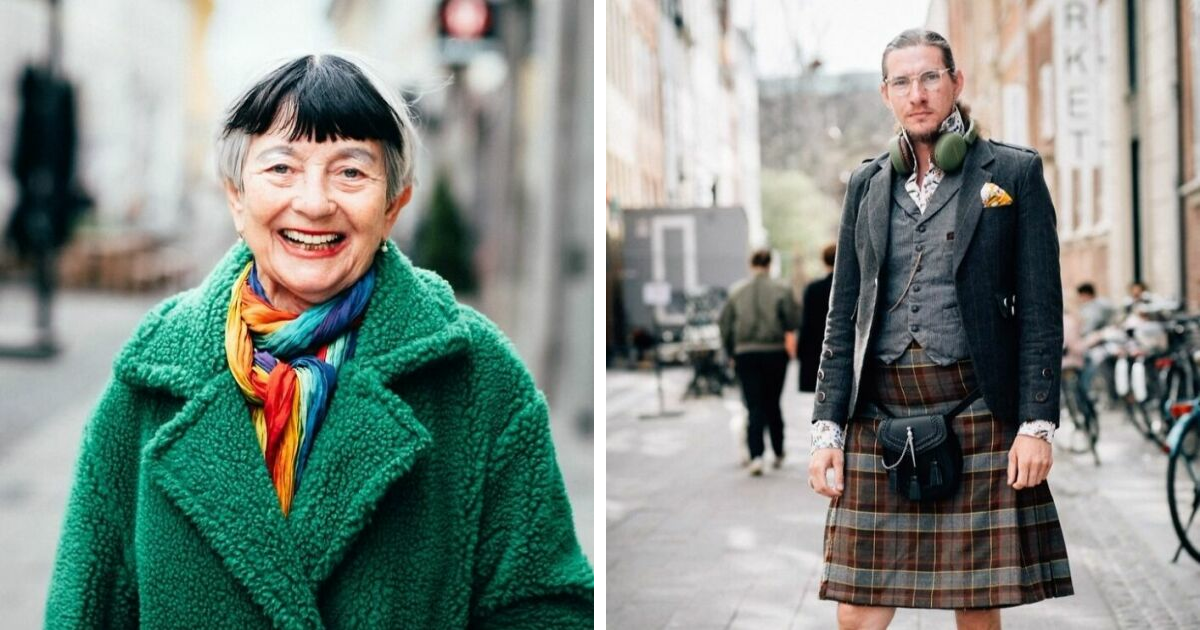

Every city has a secret fashion show. It does not come with velvet ropes, impossible guest lists, or a tiny glass of sparkling water that somehow costs twelve dollars. It happens on sidewalks, crosswalks, train platforms, flea markets, and cafe corners. The models are strangers. The runway is cracked pavement. The styling department is one person’s closet, confidence, mood, weather tolerance, and possibly a heroic decision made five minutes before leaving home.
That is the magic behind “40 Strangers Who Stood Out On The Street, Captured By This Photographer”a celebration of street portraits, personal style, and the beautiful weirdness of public life. The featured photographer, Gunnar, known online as STYLECLICKER, has built a recognizable world around photographing real people who catch his eye. His work is not about chasing polished celebrity glamour. It is about noticing someone on the street and thinking, “That person has a whole movie happening in one outfit.”
Street photography has always had a soft spot for the unexpected. A hat tilted just right. A coat that looks like it has survived three love stories and one thunderstorm. A smile that arrives before the shutter clicks. A stranger who turns a normal Tuesday into a small visual event. In this collection, the people stand out because they are not trying to look like everyone else. They look like themselvesand that, apparently, is still the boldest styling choice available.
Why Street Portraits Feel So Addictive
Street portraits work because they combine two things humans cannot resist: faces and stories. A studio portrait can be controlled, elegant, and technically perfect, but a street portrait has the electricity of real life. The background is alive. Cars pass. Wind interferes. Someone’s lunch break becomes art. A stranger says yes to a quick photo, and for a few seconds, the city pauses long enough to notice them.
Unlike traditional street photography, which often captures candid scenes from a distance, street portrait photography usually involves a moment of permission and connection. The photographer sees someone interesting, approaches them, explains the idea, and asks for a portrait. That tiny conversation matters. It changes the image from “caught” to “seen.” The subject is not just part of the scenery; they become the main character.
In Gunnar’s case, that main-character energy is central. His public mission is built around spreading joy, confidence, creativity, and human connection. That sounds wholesome, yes, but do not mistake wholesome for boring. The best street-style portraits are basically visual caffeine. They wake up the eye. They make you reconsider your own closet. They may even convince you that you, too, could wear a bright orange hat without looking like you lost a bet.
The Charm of Strangers Who Dress Like They Mean It
What makes a stranger stand out on the street? It is not always expensive clothing. In fact, the most memorable looks often have little to do with luxury labels. They are about harmony, surprise, proportion, and attitude. A thrifted jacket can outshine a designer coat if the person wearing it has the confidence of someone who has never once asked, “Is this too much?”
Some people stand out through color. A yellow dress on a gray sidewalk can feel like a traffic signal for joy. A pink hat paired with headphones and camouflage can turn casual streetwear into a tiny festival. A blue blazer, white beret, or patterned top can give the camera something to celebrate before the person even smiles.
Others stand out through texture and detail. Fringe, leather, denim, plaid, tattoos, sunglasses, layered jewelry, boots, scarves, beanies, and dramatic coats all add visual rhythm. Street style is not just “fashion”; it is composition walking around with coffee. The same design rules that make a photograph strongcontrast, balance, shape, movementalso make an outfit unforgettable.
Confidence Is the Best Accessory, Unfortunately Not Available on Two-Day Shipping
One of the funniest truths about street portrait photography is that confidence photographs better than almost anything. You can have the rarest jacket in the city, but if you look like you are apologizing to it, the image loses energy. Meanwhile, someone in a simple coat and comfortable shoes can look iconic because they stand like they know exactly who they are.
This is why photographing strangers can feel so generous. The camera does not merely record clothing; it records presence. A raised chin, relaxed shoulders, direct eye contact, a half-laugh, or a shy grin can transform a quick sidewalk portrait into something memorable. The outfit gets attention, but the person gives the photo its pulse.
Street Photography Has a Long, Colorful History
The fascination with public life is not new. Street photography has shaped how people remember cities, fashion, culture, and everyday behavior for generations. Henri Cartier-Bresson helped define the idea of catching a meaningful instant through careful timing and composition. Garry Winogrand filled frames with the restless energy of American streets. Vivian Maier quietly made an enormous archive of street images that later revealed a remarkable eye for people and urban life. Bill Cunningham turned New York sidewalks into a democratic fashion archive, proving that style did not belong only to runways or glossy magazines.
Today’s street portrait photographers inherit that tradition but work in a different world. Social media has made street style global, fast, and wildly shareable. A striking portrait can travel from a sidewalk in Paris, Munich, New York, or Milan to millions of screens before the subject has finished their coffee. That reach creates new opportunities, but also new responsibilities. The best photographers understand that a stranger is not content first. They are a person first.
The Ethics of Photographing Strangers
In the United States, photographing in public spaces is generally protected when the photographer is lawfully present and capturing what is in plain view. However, ethics goes beyond what is legal. Street portrait photography works best when respect is part of the process. Asking permission, accepting “no” gracefully, avoiding humiliating images, and representing people with dignity are not just polite habits. They are the foundation of good work.
That is especially important in the age of viral content. A photo can flatter, celebrate, or embarrass someone at massive scale. The difference often depends on intention and context. A strong street portrait should make the subject feel elevated, not hunted. When a photographer approaches someone with warmth and genuine admiration, the resulting image often carries that same warmth.
Gunnar’s approach is rooted in that kind of exchange. The images feel less like “look at this odd person I found” and more like “look at this wonderful human being who agreed to share a moment.” That distinction is everything. It is the difference between turning people into spectacles and allowing people to shine.
What These 40 Street Portraits Reveal About Personal Style
A collection of 40 strangers may sound like a simple visual roundup, but it can also become a miniature study of identity. Each portrait says something about how people use clothing, posture, grooming, and facial expression to communicate without giving a speech. Thank goodness, because most of us would rather not deliver a TED Talk at a crosswalk.
One portrait might show a person in a dark coat with a quiet, cinematic mood. Another might feature bold color combinations that look impossible on paper but completely natural in real life. Someone else might appear in a Scotland-themed hat, a graphic jersey, a star necklace, a leather jacket, a plaid coat, or a pair of sunglasses that seem to have their own agent. These details are not random. They are visual clues about personality, taste, subculture, humor, mood, and memory.
The best thing about street style is that it refuses to be perfectly categorized. Is that look vintage, punk, romantic, minimalist, maximalist, artsy, sporty, practical, or “I woke up and chose magnificent chaos”? The answer can be yes. Street fashion thrives in the overlap. It is where people mix thrift finds with designer pieces, family hand-me-downs with modern sneakers, workwear with fantasy, and comfort with drama.
Street Style Is More Honest Than Trend Forecasting
Fashion forecasting can tell us what colors, silhouettes, and fabrics brands want to sell next season. Street style tells us what people actually want to wear when they have to catch the bus. That makes it more immediate and often more interesting. A city sidewalk is a living mood board, except nobody had to approve it in a quarterly marketing meeting.
When photographers document strangers, they record more than outfits. They capture how trends are interpreted by real bodies in real environments. Oversized coats, bold eyewear, statement boots, vintage sportswear, layered neutrals, handmade accessories, and colorful hair all become part of a public conversation. Every subject contributes a sentence. Some contribute a paragraph. A few walk by dressed like the entire book jacket.
Why These Photos Make Viewers Smile
There is a simple reason street portraits are so popular online: they are hopeful. They remind viewers that the world is still full of interesting people. In a digital culture that often flattens everyone into thumbnails, trends, and usernames, a good street portrait restores individuality. It says, “Here is someone you do not know, but you can appreciate them for a moment.”
The humor comes naturally. Street fashion can be dramatic, surprising, charming, or delightfully confusing. Viewers may admire a coat, envy a hat, wonder how someone keeps white shoes clean in a city, or feel personally attacked by the effortless cool of a stranger leaning against a wall. But the reaction is usually affectionate. These are not fashion police reports. They are small celebrations.
That positivity matters. Many online spaces encourage criticism first and curiosity never. A portrait series like this does the opposite. It asks viewers to notice beauty in strangers without needing to rank, mock, or reduce them. The internet could use more of that energy, ideally with fewer comment sections behaving like raccoons in a vending machine.
What Photographers Can Learn From This Style of Work
For photographers, the biggest lesson is that great street portraits begin before the camera is raised. They begin with observation. Who stands out? Why? Is it the color, the posture, the light, the background, the energy, or the way the person’s style interacts with the city around them?
Once the photographer notices the subject, the next skill is approach. A respectful introduction can change everything. The subject should know what the photographer is doing, why they were noticed, and how the image may be used. A simple compliment often opens the door: “I love your style. Would you mind if I took a quick portrait?” It is not complicated, but it does require courage. For many beginners, approaching strangers is scarier than manual camera settings, and manual camera settings already sound like a dishwasher trying to learn algebra.
Composition also matters. A clean background can help the subject stand out. Soft light can flatter faces. A little distance can show the whole outfit, while a closer frame can emphasize expression and detail. The best street portrait photographers make quick decisions because the street does not wait. Light shifts, people move, buses arrive, and suddenly your perfect background includes a delivery truck with a giant sandwich advertisement.
Smartphone or Camera? The Best Tool Is the One You Actually Use
One refreshing part of modern street portrait photography is that impressive work can be made with professional cameras or smartphones. Gear helps, but vision helps more. A sharp eye, good timing, respect for the subject, and an understanding of light can outperform an expensive camera used with the emotional urgency of a toaster.
For beginners, a smartphone can be a great training tool. It is quick, familiar, and less intimidating for many subjects. A camera can offer more control, depth, and image quality, but it also creates a stronger “photo session” feeling. Neither is automatically better. The right choice depends on the photographer’s style, the subject’s comfort, and the desired result.
What Viewers Can Learn About Their Own Style
Looking at 40 strangers who stand out on the street can quietly challenge how we dress ourselves. Many people play it safe not because they lack taste, but because they fear being noticed. Street portraits reverse that fear. They show that being noticed can be joyful, generous, and even inspiring.
The lesson is not that everyone needs to dress louder. Not everyone wants to wear neon, fringe, platform boots, or sunglasses large enough to apply for their own ZIP code. The lesson is to dress with intention. A great look can be subtle. A perfect black coat, crisp white shirt, worn leather bag, or beautifully simple pair of shoes can be just as expressive as a rainbow jacket.
Personal style is not about perfection. It is about alignment. Do your clothes feel like you? Do they support the version of yourself you want to carry into the world? Do they make Monday slightly less rude? If yes, congratulations. You have style. Please proceed to the sidewalk runway.
The Bigger Meaning Behind a Sidewalk Portrait
At its best, street portrait photography is an act of attention. It says that ordinary public life is worth looking at carefully. It says strangers are not background noise. It says style is not reserved for celebrities, influencers, or people who know how to pronounce every designer name without briefly summoning a demon.
That is why this kind of work resonates. A single portrait can feel like a compliment to the subject and an invitation to the viewer. It encourages us to look up from our phones, notice people around us, and appreciate the small performances of self-expression happening everywhere. The city becomes friendlier when you realize how many people are quietly creating beauty just by showing up as themselves.
Experiences Inspired by “40 Strangers Who Stood Out On The Street”
Spending time with a street portrait series can change the way you move through public spaces. After seeing enough strangers photographed with care, you begin to notice people differently. The person waiting at the bus stop is no longer just someone blocking the schedule board. They might be wearing an incredible coat. The cyclist passing through the intersection may have the exact balance of practicality and cool that fashion editors spend entire meetings trying to describe. The older man sitting outside a cafe may have more style in one hat than most brands have in a full campaign.
One experience related to this topic is the simple joy of people-watching with respect. Not staring like a malfunctioning security camera, but observing with curiosity. In a busy city, you can learn a surprising amount by watching how people combine clothing with environment. Rain changes everything. Suddenly the most stylish person is the one who solved weather, comfort, and elegance at the same time. Cold weather creates layers, scarves, boots, and coats that tell stories. Summer brings color, tattoos, sunglasses, linen, sneakers, and the heroic confidence of anyone wearing white pants near street food.
Another experience is trying street photography as a beginner. The first challenge is not technical; it is emotional. Approaching a stranger can feel impossible at first. Your brain invents dramatic scenarios. What if they say no? What if they think you are strange? What if you forget how words work and simply point at your camera like a confused mime? But most respectful approaches are less dramatic than expected. Some people decline, and that is fine. Some people smile and say yes. A few light up because someone noticed the effort they made that day.
The best encounters often happen when the compliment is specific. “Your coat is amazing” works better than “You look interesting,” which can sound like something a detective says before opening a case file. Mention the color, the silhouette, the hat, the shoes, or the way the whole look comes together. Specific praise feels sincere, and sincerity is the secret handshake of street portrait photography.
For writers, designers, marketers, and artists, this topic also offers creative training. Street portraits sharpen the eye. They teach you to identify visual hooks quickly. Why did that person stand out? Was it contrast? Symmetry? Character? A surprising accessory? A story implied by expression? This same skill applies to branding, editorial design, social media, and storytelling. The street is a free classroom, and the tuition is paying attention.
There is also a personal lesson. Many people wait for permission to be more themselves. A series of standout strangers suggests that permission may not be coming from anywhere official. No one sends a certificate saying, “You may now wear the red boots.” At some point, people simply decide to dress, walk, smile, and exist with more intention. That decision is visible in photographs. It is also visible in real life.
In the end, “40 Strangers Who Stood Out On The Street, Captured By This Photographer” is not only about photography or fashion. It is about recognition. It is about the tiny social miracle of one person noticing another and saying, “You are worth a portrait.” In a world that often rushes past everyone, that moment feels surprisingly powerful. It turns the sidewalk into a gallery, the stranger into a subject, and the viewer into someone who may look more kindly at the next remarkable person passing by.
Conclusion
Street portrait photography continues to fascinate because it captures the world at human scale. No stage, no script, no casting directorjust real people carrying their personality through public space. Gunnar’s STYLECLICKER work and collections like this remind us that style is not about being flawless. It is about being vivid, present, and unmistakably yourself.
The 40 strangers in this kind of series stand out because they reveal something many people forget: the street is full of art before anyone hangs a frame. A smile, a coat, a hat, a pair of boots, a bold color choice, or a confident pose can become a visual story in a split second. The photographer’s gift is noticing it. The subject’s gift is allowing it. The viewer’s gift is remembering to look.