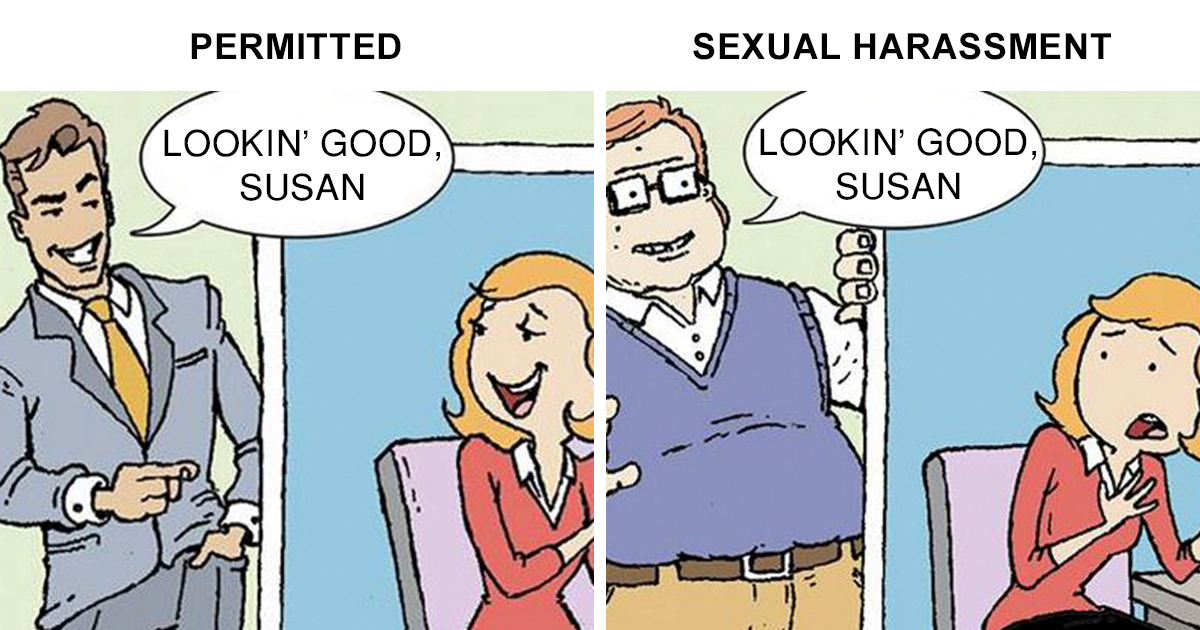

Double standards are the social rules that arrive wearing a fake mustache and pretending to be “common sense.” They show up when two people do the same thing, but society hands one person a trophy and the other a lecture. One employee is “confident,” another is “difficult.” One parent is “babysitting,” another is simply doing what parenting requires. One teenager is “making mistakes,” another is treated like a walking crime documentary.
The tricky thing about double standards is that they rarely announce themselves. Nobody walks into a meeting and says, “Good morning, I’ll be applying unfair expectations today.” Instead, they hide inside jokes, traditions, hiring habits, school rules, dating advice, media coverage, beauty standards, and even compliments that sound nice until you inspect the receipt.
This article breaks down 46 examples of double standards in our society, with analysis rooted in real social patterns documented by reputable U.S. sources such as Pew Research Center, the U.S. Census Bureau, the Bureau of Labor Statistics, the EEOC, NCES, KFF, NIH/NCBI, APA, the American Bar Association, SHRM, and criminal justice research organizations. No, this is not a museum tour of human hypocrisybut bring comfortable shoes anyway.
What Is a Double Standard?
A double standard happens when the same behavior is judged differently depending on who does it. The difference may be based on gender, race, class, age, appearance, disability, religion, job status, parenting role, or social power. Sometimes the double standard is obvious. Other times, it is baked into polite phrases like “not a culture fit,” “too emotional,” “not professional,” or “just how things are.”
Double standards matter because they shape opportunities. They affect who gets hired, who gets promoted, who is believed, who is punished, who is forgiven, and who has to work twice as hard just to be seen as “normal.” In other words, double standards are not just annoying social glitches. They are tiny gears inside much larger systems.
46 Examples Of Double Standards In Our Society
Gender Double Standards
- Ambitious men are leaders; ambitious women are “too much.” A man who pushes for a promotion is often seen as driven. A woman who does the same may be labeled aggressive, bossy, or intimidatingas if ambition came with a warning label.
- Assertive men are confident; assertive women are difficult. In meetings, a firm male voice can sound decisive. A firm female voice may be treated like a fire alarm. The words may be identical, but the interpretation changes.
- Fathers are praised for basic childcare; mothers are expected to do it. A dad at the playground may be celebrated as a hero for packing snacks. A mom doing the same is simply meeting the invisible job description society stapled to her forehead.
- Working fathers are providers; working mothers are questioned. Fathers who work long hours may be admired for sacrifice. Mothers who work long hours may be asked, “But who is watching the kids?” Apparently, children vanish into the mist unless Mom is physically nearby.
- Stay-at-home moms are “not working”; stay-at-home dads are revolutionary. Unpaid caregiving is often undervalued when women do it and treated as charmingly modern when men do it. Either way, the laundry still has no respect for anybody.
- Men age into “distinguished”; women age into “concern.” Gray hair on men is often called sophisticated. Gray hair on women is marketed as a problem to be solved by a twelve-step serum routine and one expensive mirror.
- Men’s anger is passion; women’s anger is instability. A man pounding the table may be “fired up.” A woman calmly pointing out unfairness may be “emotional.” The table, meanwhile, would like to be left out of this.
- Boys are excused with “boys will be boys”; girls are taught to manage everyone else. Girls are often expected to mature faster, avoid danger, dress carefully, and prevent boys from misbehaving. That is not responsibility. That is outsourcing accountability.
- Girls’ clothing is policed more than boys’ behavior. School dress codes often focus heavily on girls’ bodies, suggesting that their clothing distracts others. The deeper lesson is troubling: girls must manage the room instead of everyone learning self-control.
- Pregnancy is celebrated socially but penalized professionally. Society loves baby showers, tiny shoes, and gender-reveal cupcakes. Yet pregnant workers have historically faced discrimination, reduced opportunities, and assumptions about commitment, which is why federal workplace protections matter.
Workplace Double Standards
- Men who negotiate are strategic; women who negotiate are demanding. Salary negotiation is encouraged in theory, but women may face social penalties for asking directly. The result is a polite trap: speak up and risk backlash, stay quiet and risk underpayment.
- Men are promoted for potential; women are promoted after proof. In many workplaces, men may be trusted to “grow into” leadership, while women are expected to arrive already polished, proven, and possibly carrying a backup résumé engraved in marble.
- Office housework falls on the same people. Taking notes, planning birthdays, cleaning up after meetings, mentoring informally, and smoothing social tension often land on women or junior staff. These tasks matter, but they rarely count when promotion season arrives.
- Flexible schedules are leadership perks for some and commitment problems for others. Senior employees may call flexibility “work-life integration.” Lower-wage workers requesting similar flexibility may be seen as unreliable.
- Direct feedback from one person is “honest”; from another, it is “rude.” The exact same criticism can be praised as candor when delivered by a high-status employee and punished as attitude when delivered by someone with less power.
- Networking looks professional for some and suspicious for others. A male employee having dinner with leadership may be seen as career-minded. A female employee doing the same may face gossip. The calendar invite is innocent; the rumor mill is not.
- Parents are treated differently depending on gender. A father leaving early for a school event may be praised for being involved. A mother leaving early may be assumed to be distracted from work.
- Credit for ideas is not always distributed equally. Many people have watched their suggestion float across the table, get ignored, then magically become brilliant when repeated by someone else five minutes later. Innovation, apparently, sometimes needs a different voice.
Race, Class, and Justice Double Standards
- Some young people are “troubled”; others are “dangerous.” Media and public reaction can describe similar teenage behavior very differently depending on race, class, or neighborhood.
- Drug use is treated as a health crisis for some and a crime problem for others. Substance abuse deserves compassion and treatment. The double standard appears when empathy expands or shrinks depending on the user’s race, zip code, or income.
- One person’s mistake is individual; another’s mistake becomes a stereotype. When a privileged person fails, people may say, “That was one bad decision.” When a marginalized person fails, the failure may be unfairly attached to an entire group.
- Accents are charming on some people and “unprofessional” on others. European accents may be romanticized. Immigrant accents from other regions may be mocked or treated as signs of lower intelligence, even when the speaker knows more languages than the critic knows lunch options.
- Neighborhood change is called “revitalization” for newcomers and “displacement” for longtime residents. A coffee shop can be both a nice place for lattes and a symbol of rising rents. The double standard is pretending only one side of that story exists.
- Criminal justice punishment is not experienced equally. Research on incarceration and sentencing shows persistent racial disparities. A society cannot claim equal justice while similar actions produce unequal consequences.
- School discipline can punish some children more harshly than others. National education data and civil rights research have long shown disparities in suspensions and expulsions by race, disability status, and gender. Childhood mistakes should not become pipelines to lifelong disadvantage.
- Passion is admired in some groups and feared in others. A forceful speech by one person may be called inspiring. The same tone from a Black woman, immigrant, or minority employee may be labeled angry or threatening.
Age, Appearance, and Health Double Standards
- Older men are experienced; older women are “past their prime.” Age can boost a man’s perceived authority while reducing a woman’s perceived value in entertainment, dating, and some workplaces.
- Body standards are stricter for women. Men’s weight changes may be joked about lightly. Women’s bodies are monitored like public infrastructure, with everyone suddenly acting like an unpaid building inspector.
- Disability accommodations are called “special treatment.” A ramp, captioning, flexible seating, or remote access does not create unfair advantage. It removes a barrier that should not have been there in the first place.
- Mental health struggles are treated differently depending on identity. Some people are encouraged to seek help. Others are told to toughen up, pray harder, calm down, or stop being dramatic. Compassion should not require a social permission slip.
- Chronic pain is believed more readily in some patients than others. Health care research has documented disparities in access, treatment, and patient experience. When pain is doubted unevenly, medical care becomes another stage for bias.
- Child-free women are called selfish; child-free men are called independent. A man without children may be seen as free-spirited. A woman without children may be interrogated like she misplaced a national treasure.
- Men are mocked for vulnerability but blamed for emotional distance. Society tells men to open up, then laughs when they cry. That is not emotional intelligence; that is setting a trap and calling it character development.
Media, Politics, and Public Life Double Standards
- Tough male politicians are strong; tough female politicians are cold. Leadership traits are often filtered through gender expectations. Decisiveness can be praised in men and punished in women.
- Women must be likable and competent; men often only need one. Female leaders are frequently expected to be warm, polished, firm, humble, and inspiringpreferably before breakfast. Male leaders often get more room to be imperfect.
- Celebrity men get “dad bod” jokes; celebrity women get body surveillance. Male stars may be teased affectionately. Female stars face full forensic analysis for aging, weight, clothing, and facial expressions.
- Immigrants are celebrated as entrepreneurs after success but treated as outsiders before it. The same ambition may be praised once it becomes profitable and questioned when it arrives with an unfamiliar name.
- Protest is patriotic when people agree with it and dangerous when they do not. Many Americans praise historical protest movements while condemning current ones that cause discomfort. History is easier to admire after it stops blocking traffic.
- Privacy is distributed unevenly. Public figures from marginalized groups often face invasive questions about identity, family, appearance, or personal choices that others are rarely asked to explain.
Digital and Everyday Social Double Standards
- Online harassment is dismissed as a joke; objections are called overreactions. People who receive abuse are often told to ignore it, while those causing harm claim they are being censored when asked to stop.
- Teen mistakes live forever online, but forgiveness is selective. Digital culture preserves bad decisions with museum-quality dedication. Yet some people receive redemption arcs while others are permanently defined by one screenshot.
- Fans are passionate when the hobby is respected and “obsessed” when it is not. Memorizing sports stats is normal. Memorizing pop music lore may be mocked. Both involve devotion, spreadsheets, and occasionally alarming emotional investment.
- Tax breaks for the wealthy are called incentives; aid for the poor is called dependency. Public money is described very differently depending on who receives it. A subsidy in a suit often gets better branding than a benefit in work boots.
- Dominant cultural practices are “normal”; minority practices are “political.” A majority holiday display may be called festive. A minority cultural expression may be treated as a statement. Sometimes the double standard is simply who gets to be ordinary.
- Remote work is trusted for executives but questioned for lower-level employees. High earners may be assumed productive from anywhere. Other workers may be monitored like raccoons near a picnic basket.
- Second chances are easier to get when you already have status. Wealth, fame, race, and connections can turn failure into a comeback story. Without those buffers, the same failure may become a permanent label.
Why Double Standards Survive
Double standards survive because they are convenient for people who benefit from them. They allow society to pretend it is judging behavior while quietly judging identity. They also survive because many of them are old enough to feel natural. When a belief has been repeated for generations, people may mistake it for wisdom, even when it is really just bias wearing vintage clothing.
Another reason double standards persist is that they often appear one small moment at a time. A joke here. A promotion there. A school punishment. A medical dismissal. A news headline. A beauty rule. Each moment can be explained away as isolated. But when the same pattern repeats across millions of lives, it stops being a coincidence and starts looking like architecture.
How to Spot a Double Standard
A simple test is to swap the identity of the person involved. Would the reaction be the same if the employee were a man instead of a woman? If the teenager were wealthy instead of poor? If the parent were a father instead of a mother? If the accent came from Paris instead of a less romanticized place? If the answer changes, the standard is not really a standard. It is a preference with better public relations.
Another useful question is: who gets grace? Every society has rules, but not everyone receives the same margin for error. Some people are allowed to be complicated humans. Others are expected to be perfect representatives of an entire group. Equality does not mean nobody is criticized. It means criticism is applied fairly, with context, evidence, and humility.
Experiences Related to Double Standards in Everyday Life
Most people do not learn about double standards from academic reports first. They learn about them in break rooms, classrooms, family dinners, comment sections, performance reviews, hospital visits, and awkward conversations where everyone suddenly becomes very interested in the ceiling. The experience is often subtle. You may not have a dramatic villain twirling a mustache. Instead, you notice that the rules keep moving depending on who is standing in front of them.
For example, many workers have experienced the strange magic of a meeting where one person suggests an idea and receives silence, only for someone else to repeat it later and receive applause. It is not always intentional, but it is memorable. The person who first spoke may smile politely while internally filing a complaint with the Department of Common Sense. Over time, those moments teach people whose voices are treated as default authority and whose voices need a backup choir.
Parents also see double standards constantly. A father changing a diaper in public may be praised by strangers as if he has discovered a new element. A mother doing the same is invisible unless someone thinks she is doing it wrong. Working mothers may be asked how they “balance it all,” while working fathers are rarely expected to deliver a TED Talk on the emotional logistics of school pickup. These small reactions send big messages about whose caregiving is optional and whose is assumed.
Students notice double standards early, too. A boy who talks loudly may be called energetic. A girl who does the same may be called disruptive. A Black student’s frustration may be punished more quickly than a white student’s frustration. A student with a disability may be treated as difficult for needing support rather than recognized as someone navigating a system not built with them in mind. Children are very good at detecting unfairness, even when adults dress it up in official language.
Online life has made these experiences louder. Social media can expose hypocrisy, but it can also multiply it. One celebrity is forgiven for a mistake because fans call it “growth.” Another is permanently reduced to a headline. One user posts a strong opinion and is bold; another posts the same opinion and receives harassment. The internet is basically a giant town square with Wi-Fi, snacks, and inconsistent moral standards.
The most frustrating part is that double standards often force people to spend energy proving the obvious. They must explain why equal treatment matters, why “just joking” is not a legal defense for cruelty, why professionalism should not mean hiding identity, and why fairness should not depend on charm, wealth, gender, race, or popularity. That emotional labor is exhausting. It is also why naming double standards is powerful. Once a pattern has a name, it becomes harder to pretend it is not there.
How We Can Reduce Double Standards
Reducing double standards begins with consistent rules. Workplaces should use clear evaluation criteria. Schools should review discipline data. Media consumers should question framing. Families should divide unpaid labor honestly instead of relying on tradition. Health systems should listen carefully to patients across race, gender, disability, and class. And everyone can practice the identity-swap test before judging another person’s behavior.
The goal is not to create a humorless society where nobody can make mistakes. The goal is to create a fairer one where the same mistake does not become a learning experience for one person and a life sentence for another. Fairness is not about treating everyone as identical. It is about refusing to let bias decide who gets dignity.
Conclusion
Double standards in society are not random annoyances. They are repeated patterns that shape how people are seen, trusted, punished, promoted, loved, and remembered. From gender roles and workplace bias to racial disparities, parenting expectations, beauty rules, health care experiences, and online judgment, these examples reveal how unfair standards can hide in everyday life.
The good news is that double standards can be challenged. They lose power when people name them, measure them, question them, and refuse to pass them on as tradition. A fair society does not require perfect people. It requires honest standards, applied with consistency, context, and basic human decency. Also, fewer unsolicited comments about women’s hair, men’s emotions, parents’ schedules, teenagers’ mistakes, and everyone’s bodies would be a lovely start.
Note: This article was created for web publication and synthesizes insights from reputable U.S. research and institutional sources, including Pew Research Center, the U.S. Census Bureau, the Bureau of Labor Statistics, EEOC, NCES, KFF, NIH/NCBI, APA, the American Bar Association, SHRM, and criminal justice research organizations. The content is rewritten in original language and does not include source-link clutter or citation placeholders.