
If your loaf of sourdough is currently living in a plastic bag, under a stack of mail, beside the toaster, and spiritually preparing to become a crouton, it may be time to bring in a wooden bread bin. A good bread bin does more than hide the countertop chaos. It creates a tidy little bread habitat: not too airtight, not too drafty, and far more charming than the “twist-tie-and-hope” storage method.
Wooden bread bins have made a comeback because they solve two problems at once. First, they help keep bread fresher by reducing exposure to open air while allowing enough ventilation to discourage trapped moisture. Second, they look good. Wood, bamboo, olivewood, walnut, and wood-accented steel boxes add warmth to a kitchen in a way plastic containers rarely do. A clear acrylic lid may be practical, but a warm wooden grain says, “Yes, I bake bread,” even if the loaf came from the grocery store at 8:47 p.m.
This guide rounds up five favorite styles of wooden bread bins, from solid olivewood showpieces to compact bamboo boxes for small kitchens. Along the way, we will cover what makes a bread box worth buying, how to choose the right size, and how to keep your bread bin clean without turning it into a science fair project.
Why Wooden Bread Bins Still Deserve Counter Space
Counter space is prime real estate. Every object has to earn its place, especially in kitchens where the toaster and coffee maker already act like they pay rent. Wooden bread bins earn their keep because bread is surprisingly picky. Store it exposed to air, and it dries out. Seal it too tightly, and moisture can build up, inviting mold. Refrigerate it, and the loaf may stale faster because cool temperatures encourage starch retrogradation, the process that makes bread firm, dry, and sad.
A bread bin offers a middle path. It protects loaves from direct sunlight, kitchen dust, pets with suspiciously advanced climbing skills, and the daily countertop shuffle. At the same time, a well-designed bread box allows mild airflow, which helps balance humidity. That balance is the real magic. Bread wants protection, not solitary confinement.
Wood also has a design advantage. A wooden bread box can soften a stainless-steel-heavy kitchen, warm up white countertops, and pair beautifully with cutting boards, wood spoons, ceramic canisters, and linen tea towels. Bamboo options feel light and casual. Olivewood looks luxurious. Walnut finishes lean modern and moody. Beech has a classic European feel. In other words, the bread bin is not just storage; it is countertop furniture for carbohydrates.
What to Look for in the Best Wooden Bread Bin
1. Enough Capacity for Your Real Bread Life
Before falling in love with a beautiful bread box, ask a practical question: what kind of bread do you actually buy? A family that keeps sandwich bread, bagels, English muffins, and a rogue banana bread on hand needs a larger bin than a solo sourdough fan. If you buy round boules, look for deeper boxes. If you buy tall sandwich loaves, check interior height. If you bake at home, choose a bin that can handle irregular shapes without crushing your masterpiece.
2. Gentle Ventilation
A bread bin should not be completely airtight. The best designs allow small amounts of air movement so moisture can escape slowly. Some boxes have small vents, textured bases, hinged gaps, or breathable materials. Too much airflow dries bread quickly; too little airflow can encourage condensation. The sweet spot is a calm, shaded, lightly ventilated environment.
3. A Lid You Will Actually Use
Roll-top lids save front space. Fall-front doors create easy access. Lift-off lids can double as cutting boards but may require two hands. Sliding acrylic doors are useful because you can see the loaf before opening the box, which is helpful if you frequently ask, “Do we still have bread?” while standing directly in front of the bread.
4. Easy Cleaning
Bread boxes collect crumbs. This is not a flaw; it is bread being bread. Look for smooth interiors, removable lids, or wide openings that make it easy to wipe out crumbs. Wood and bamboo should generally be cleaned with a dry or lightly damp cloth, then dried thoroughly. Avoid soaking wooden bread bins, because water and wood are not exactly a long-term romance.
5. Style That Matches the Kitchen
Wooden bread bins come in farmhouse, Scandinavian, minimalist, traditional, and modern styles. Choose one that feels intentional with your kitchen rather than one that looks like it wandered in from a yard sale, unless that is your exact aesthetic, in which case: respect.
5 Favorites: Wooden Bread Bins Worth Considering
Favorite 1: The Solid Olivewood Showpiece
A solid olivewood bread box is the luxury sedan of bread storage. Olivewood is known for dramatic grain patterns, golden tones, and dark streaks that make every piece look unique. A model like the Williams Sonoma Olivewood Bread Box stands out because it combines a substantial wooden body with a clear acrylic door, giving you both beauty and visibility. You can admire the grain and still see whether the sourdough situation is under control.
This style works best for cooks who want countertop storage that doubles as decor. It is especially attractive in kitchens with marble, soapstone, white tile, brass hardware, or other natural materials. The wood brings visual warmth, while the transparent front keeps it from feeling too heavy.
The main trade-off is price. Solid olivewood is not the budget option. It also needs sensible care: wipe it clean, keep it dry, and avoid placing it directly beside the stove or sink. If you want a bread bin that looks like a design object, this is the one. If you want a box to toss into a pantry and forget, choose something less precious.
Favorite 2: The Bamboo Workhorse
Bamboo bread boxes are popular for good reason. They are usually lighter than solid hardwood, often more affordable, and have a clean, natural look that suits casual kitchens. A two-tier bamboo bread box can be particularly useful for families because it stores different baked goods separately: sandwich bread below, bagels above, muffins hiding somewhere because everyone claims they did not eat the last one.
Many bamboo bread bins include acrylic windows or roll-top doors, which make daily use easier. The window helps you see what is inside without opening the box repeatedly. The roll-top door can be handy in a tight kitchen because it slides upward instead of swinging outward.
Bamboo is a smart choice for people who want a wooden look without committing to a heavy or expensive hardwood box. It also works well in rental kitchens, apartments, dorm-style kitchenettes, and family homes where function matters more than museum-level craftsmanship. The key is to choose a sturdy model with smooth joints, stable shelves, and enough interior room for your usual bread haul.
Favorite 3: The Steel-and-Wood Minimalist Bin
Not every “wooden bread bin” needs to be entirely wood. Some of the best modern designs pair powder-coated steel with natural wood handles or accents. Yamazaki-style bread boxes are a strong example of this category: clean lines, a white or black body, and warm wood details that keep the design from looking too cold.
This type is ideal for modern kitchens, small spaces, and anyone who likes the “everything has a home” feeling. Larger steel-and-wood models can store bread, coffee pods, tea, spreads, vitamins, or breakfast snacks. Some even have a flat top strong enough to hold small countertop items, which is a major bonus when your kitchen has approximately four square inches of free space.
The advantage of this hybrid style is durability. Steel is easy to wipe clean, while the wooden handle adds comfort and visual warmth. Because the body is not fully wooden, it may resist stains and smudges better than softer woods. Look for a model with ventilation or a hinge gap rather than a fully sealed door, especially if you live in a humid climate.
Favorite 4: The Bread Bin With a Cutting Board Lid
A bread box with a wooden or bamboo cutting board lid is one of the most practical designs for everyday use. The idea is beautifully simple: store the bread in the box, flip or remove the lid, slice the bread on the lid, and avoid sprinkling crumbs across the counter like festive confetti. This design is especially helpful for crusty loaves, baguettes, and homemade bread.
Models with ceramic or metal bases and bamboo lids can be especially effective because the base protects the loaf while the lid becomes a serving and prep surface. A ridged cutting board lid is even better because it catches crumbs. This may sound like a tiny detail, but anyone who has sliced a seeded loaf knows crumbs are not crumbs; they are an ecosystem.
This style works well for people who bake, toast, snack, or entertain often. It is also a good pick for kitchens where every tool needs to multitask. The main thing to watch is lid fit. If the cutting board lid sits too loosely, the bread may dry out faster. If it seals too tightly, moisture may build up. Again, balance is the bread-storage gospel.
Favorite 5: The Classic Wooden Roll-Top Bread Bin
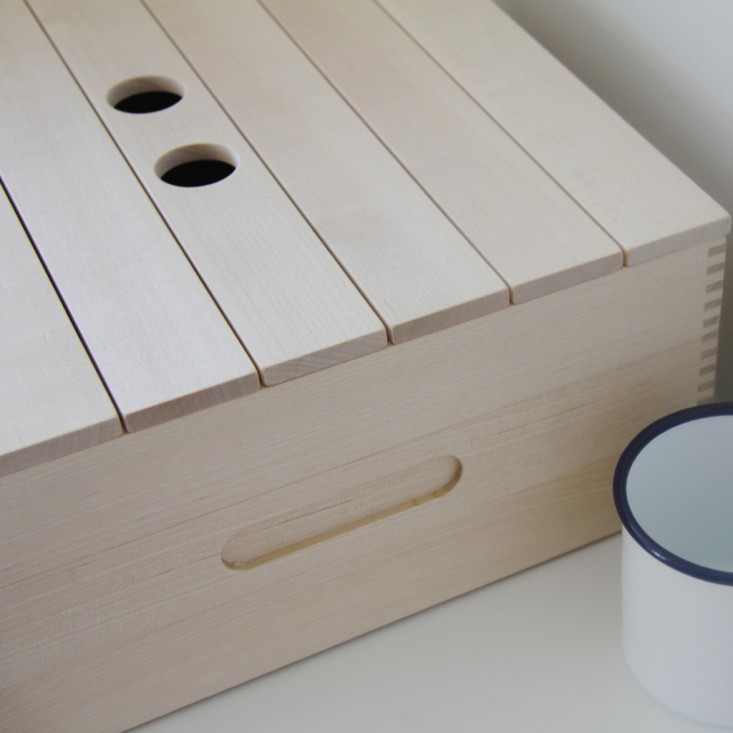
The roll-top wooden bread bin is the nostalgic favorite. It looks like something from a grandmother’s kitchen, but newer versions have cleaner lines, better finishes, and more modern proportions. Beech, bamboo, pine, acacia, and rubberwood are common materials. The tambour-style door slides open smoothly and tucks away, which makes it practical when the box sits under upper cabinets.
This style is excellent for traditional kitchens, cottage interiors, farmhouse counters, and anyone who appreciates old-school utility. It is also one of the easiest styles to use one-handed. You can slide the door open, grab toast, and continue pretending breakfast is a calm activity.
The downside is that older or lower-quality roll-top bread boxes can collect crumbs in the slats or tracks. Choose one with a smooth interior and a door that moves easily. If the door sticks when empty, imagine how dramatic it will become at 7 a.m. when you are trying to make toast before coffee.
Wood Types: Which One Is Best?
Olivewood
Olivewood is dense, decorative, and naturally striking. It is a favorite for high-end bread boxes, cutting boards, bowls, and serving pieces. It tends to cost more, but it brings a handcrafted look that can elevate an entire counter.
Bamboo
Bamboo is technically a grass, but in kitchen storage it behaves like a lightweight wood alternative. It is popular because it is renewable, affordable, and attractive. Bamboo bread boxes often work well for modern and minimalist kitchens.
Acacia
Acacia has rich color variation and good durability. It can look more dramatic than bamboo but is often less expensive than olivewood. Acacia bread bins fit well in warm, earthy kitchens.
Beech
Beech is traditional, pale, and understated. It is commonly used in European-style bread bins and has a clean, classic look. It is a good choice when you want wood that does not dominate the countertop.
Walnut Finish
Walnut or walnut-finished bread boxes lean more contemporary. They pair beautifully with black hardware, stone counters, modern cabinetry, and darker kitchen palettes.
How to Use a Wooden Bread Bin the Right Way
A wooden bread bin is helpful, but it is not magic. You still need a few good habits. Let homemade bread cool completely before storing it. Warm bread releases steam, and steam inside a bread box can lead to sogginess or mold. Store cut loaves cut-side down or loosely wrapped in paper, beeswax wrap, or a clean cotton cloth. For crusty artisan bread, avoid tight plastic if you want the crust to stay crisp. For soft sandwich bread, the original bag inside the bread bin can work well.
Keep the bread bin in a cool, dry, shaded spot. Do not place it on top of the refrigerator, near the oven, beside a sunny window, or next to the sink. Heat and moisture are bread’s enemies. The countertop corner farthest from steam, sun, and splashes is usually the winner.
If you will not eat the loaf within a few days, slice it and freeze it. Freezing is better than refrigerating for longer storage because it preserves quality more effectively. Toast slices straight from frozen, and suddenly your future self has breakfast without drama.
Cleaning and Care Tips
Clean your wooden bread bin regularly. Once a week, remove everything, shake out crumbs, and wipe the interior with a dry cloth. If needed, use a lightly damp cloth and dry the box immediately. Leave the door open for a while before restocking it. For stubborn odors, a small open dish of baking soda placed inside overnight can help, but remove it before storing bread again.
Never store moldy bread in the box “until later.” Later becomes a tiny bakery horror film. If bread develops mold, discard the entire loaf because bread is porous and mold can spread beyond what you see. Afterward, clean the bread bin thoroughly and let it dry completely before adding fresh bread.
For wooden and bamboo bins, avoid harsh cleaners, soaking, and dishwashers. Treat the box like a piece of wooden kitchenware, not a soup pot. A little care goes a long way.
Who Should Buy a Wooden Bread Bin?
A wooden bread bin is a smart purchase if you buy bread weekly, bake at home, dislike countertop clutter, or want a more attractive alternative to plastic bags. It is especially useful for people who keep multiple baked goods on hand: sliced bread, rolls, bagels, pastries, tortillas, and muffins. A bin also helps create a dedicated breakfast zone when paired with a toaster, butter dish, jam jar, and coffee supplies.
You may not need one if you rarely buy bread, always freeze your loaves immediately, or have no spare counter or pantry space. Bread bins are useful, but they should not become another bulky object you resent every time you chop an onion.
Buying Advice: Match the Bread Bin to Your Kitchen
For small kitchens, choose a compact bamboo box, a vertical model, or a roll-top design that opens without needing extra clearance. For families, choose a large two-tier bamboo bin or a wide steel-and-wood box that can handle multiple loaves. For design-focused kitchens, olivewood or walnut finishes offer a polished look. For bakers, a cutting-board lid is worth serious consideration.
Also think about visibility. A clear front panel may not seem important until you buy the same loaf twice because the first one was hiding behind the crackers. If you prefer a cleaner look, choose an opaque box and commit to checking it before grocery shopping. Your bread budget will thank you.
Hands-On Experience: Living With a Wooden Bread Bin
Using a wooden bread bin changes the rhythm of a kitchen in small but noticeable ways. The first thing you notice is not freshness; it is calm. Before the bread bin, bread tends to migrate. One loaf sits on the counter. Bagels occupy the fruit bowl. Hamburger buns crouch behind the cereal. A baguette leans against the backsplash like it is waiting for a bus. Once there is a dedicated bread bin, the kitchen suddenly looks more intentional, even if the junk drawer remains a lawless territory.
The second thing you notice is that bread becomes easier to use. When everything is in one place, breakfast moves faster. Toast no longer requires a search party. Sandwich bread is not crushed under a bag of apples. The last English muffin does not vanish into pantry darkness. A wooden bread bin creates a “bread station,” and that little bit of organization makes weekday mornings feel less like a competitive sport.
In daily use, size matters more than people expect. A beautiful small bread box is lovely until you bring home a tall sourdough boule and realize the lid will not close. A two-tier bamboo bin is excellent for variety, but if the shelves are too shallow, larger loaves become awkward. The best experience comes from matching the bin to your real habits, not your fantasy habits. If you are a sandwich-loaf household, choose height and length. If you are a farmers market bread person, choose depth. If you are a “we bought bagels, croissants, and two loaves because everyone was hungry at the store” household, go big and do not apologize.
Cleaning is another practical lesson. Crumbs will happen. Seeds will happen. Flour dust will happen. A smooth wooden interior is easier to maintain than a complicated track or narrow corner. A weekly wipe-out takes less than a minute and prevents stale crumbs from becoming the ghost of breakfasts past. It also helps to avoid mixing old bread with fresh bread. Finish, freeze, or discard the old loaf before adding a new one.
The most satisfying part of a wooden bread bin is how it makes bread feel cared for. That may sound dramatic for something that becomes toast, but it is true. A loaf stored in a handsome wooden box feels less disposable. You are more likely to slice it properly, freeze leftovers, turn stale pieces into croutons, and avoid waste. The bread bin becomes a quiet reminder that good food deserves a good place to live, at least until butter gets involved.
Conclusion
Wooden bread bins are classic because they solve a real kitchen problem with warmth, style, and everyday practicality. The best bread box is not necessarily the most expensive one. It is the one that fits your counter, your bread habits, your cleaning tolerance, and your kitchen style. A solid olivewood bin brings beauty. A bamboo box brings value and flexibility. A steel-and-wood design brings modern organization. A cutting-board lid adds function. A classic roll-top bin adds nostalgia and convenience.
Choose a bread bin with enough capacity, gentle ventilation, and a lid that suits your space. Keep it dry, clean out crumbs, avoid the refrigerator for short-term storage, and freeze bread when you need it to last longer. Do that, and your loaf gets a better life than “suffocating in plastic beside the toaster.” Honestly, we should all be so lucky.
Note: This article synthesizes current bread-storage guidance, hands-on product testing insights, and retailer specifications from reputable home, food, and kitchen sources. Product availability, dimensions, and pricing can change, so readers should confirm details before purchasing.