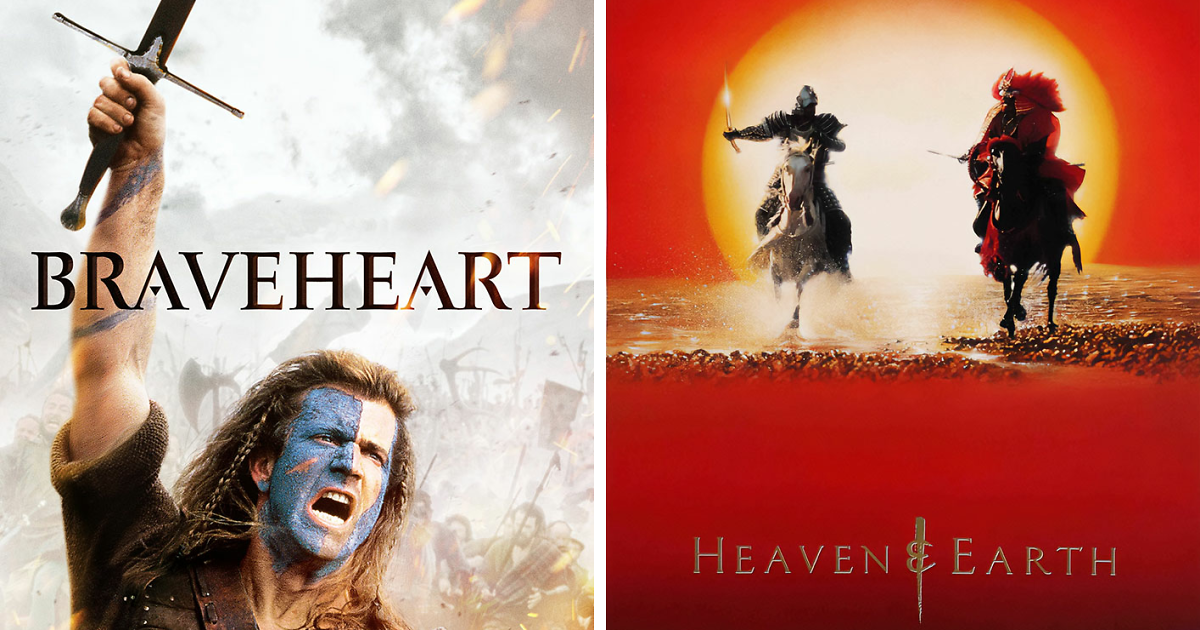

Medieval movies have a dangerous job. They must juggle swords, saints, mud, monarchs, peasants, plague, chain mail, court politics, and at least one castle that looks like it has not enjoyed indoor plumbing since Charlemagne had opinions. When they get it wrong, we notice: spotless peasants, rubber armor, suspiciously modern hair gel, and kings who behave like motivational speakers with crowns. But when medieval films get it right, they do something magical. They make the Middle Ages feel close enough to smell the smoke, hear the chapel bells, and politely decline the stew.
This list of the best medieval movies is not only about perfect historical accuracy. Some films here are strictly historical, some are legendary, some are Arthurian, some are Viking, and a few belong to medieval-adjacent feudal worlds. What they share is a strong grasp of medieval texture: power was personal, religion shaped everything, violence was intimate, travel was exhausting, loyalty was complicated, and nobody had a backup charger.
Below are 50 medieval movies that got something essential right, whether through costume design, atmosphere, battlefield chaos, court intrigue, spiritual dread, folklore, or the glorious understanding that a damp stone corridor can be more dramatic than a thousand explosions.
What Makes a Medieval Movie Feel Authentic?
A medieval movie works when it understands that the past was not just “the present, but with swords.” The best historical medieval films show layered societies: monks copying manuscripts, nobles bargaining for heirs, soldiers fighting for pay, peasants carrying the whole economy on sore backs, and rulers discovering that crowns are basically metal headaches. Accuracy matters, of course, but mood matters too. A perfectly stitched tunic cannot save a film if the characters talk like they are pitching a start-up.
The movies below succeed because they respect the pressure of the era. Faith is not decorative. Land is not just scenery. Honor can be both noble and ridiculous. Battles are terrifying rather than cleanly choreographed dance numbers. And the best medieval cinema remembers one crucial truth: history was lived by people who did not know they were in history.
The 50 Medieval Movies That Got It Right
-
1. The Passion of Joan of Arc (1928)
Carl Theodor Dreyer’s silent masterpiece strips the Joan of Arc story down to faces, fear, faith, and institutional cruelty. Its power comes from making a 1431 trial feel painfully immediate, proving that medieval cinema does not need armies when one human face can hold a battlefield.
-
2. Alexander Nevsky (1938)
Sergei Eisenstein’s epic turns medieval warfare into visual thunder. The famous Battle on the Ice is stylized, yes, but its sense of national myth, religious symbolism, and massed combat still makes it one of the great medieval war films.
-
3. The Adventures of Robin Hood (1938)
Historically precise? Not exactly. Spiritually correct? Absolutely. Errol Flynn’s Robin Hood captures the evergreen appeal of outlaw justice, corrupt power, forest freedom, and the fantasy that wealth redistribution looks better in Technicolor.
-
4. Rashomon (1950)
Akira Kurosawa’s feudal mystery understands something timeless about medieval justice: truth is hard to prove when pride, shame, violence, and survival are all giving testimony. Its ruined gate and moral fog feel older than law itself.
-
5. Seven Samurai (1954)
Though set in Japan’s late feudal period, Seven Samurai belongs on any serious medieval movies list because it gets village life, warrior economics, class tension, and defensive warfare exactly right. The peasants are not background decoration; they are the reason the story matters.
-
6. The Seventh Seal (1957)
A knight returns from the Crusades to a plague-haunted Sweden and challenges Death to chess. Ingmar Bergman’s film gets the medieval mind right: faith, doubt, superstition, performance, and mortality all walking down the same muddy road.
-
7. Throne of Blood (1957)
Kurosawa transforms Macbeth into a feudal nightmare of ambition, prophecy, and arrows. It is one of the best medieval-style Shakespeare adaptations because it understands that power is not just seized; it infects.
-
8. The Vikings (1958)
Richard Fleischer’s adventure is muscular, colorful, and more interested in saga energy than museum labels. Still, it gets the violence, sea-roving danger, clan rivalry, and harsh physicality of Viking legend wonderfully right.
-
9. The Hidden Fortress (1958)
This Kurosawa classic brings feudal politics down to ground level through soldiers, peasants, a princess, and survival schemes. It gets right the chaos of collapsing authority and the fact that history often looks different from the ditch.
-
10. El Cid (1961)
Grand, sweeping, and unapologetically epic, El Cid turns medieval Spain into a stage for honor, faith, romance, and political compromise. Its best insight is that medieval heroes were rarely simple; they lived between loyalty, ambition, and survival.
-
11. The Trial of Joan of Arc (1962)
Robert Bresson’s restrained version of Joan’s trial avoids spectacle and focuses on procedure, language, and spiritual endurance. It feels like a transcript turned into cinema, which is much more gripping than it sounds.
-
12. Harakiri (1962)
Although set outside the European Middle Ages, Harakiri is one of cinema’s sharpest studies of feudal codes. It gets right the brutal gap between honor as a public slogan and honor as a lived human burden.
-
13. The War Lord (1965)
Set in the 11th century, The War Lord digs into Norman authority, local custom, fortress life, and the uneasy relationship between military occupation and desire. It is a grim little reminder that castles were not vacation rentals.
-
14. Andrei Rublev (1966)
Andrei Tarkovsky’s portrait of a 15th-century Russian icon painter gets medieval spirituality, artistic labor, violence, silence, and mud with staggering force. It understands that art in the Middle Ages was not a hobby; it was a wager with eternity.
-
15. The Valley of the Bees (1967)
This Czech film is cold, severe, and hypnotic. Its depiction of crusading orders, religious obsession, and personal rebellion makes the medieval world feel less like a costume party and more like a stone cell with excellent lighting.
-
16. Marketa Lazarová (1967)
Few medieval films feel as wild and alien as Marketa Lazarová. Its clash of pagan memory, Christian authority, clan violence, and natural brutality creates a medieval world that seems to have been dug out of frozen earth.
-
17. The Lion in Winter (1968)
Set during Christmas 1183, this royal family duel gets medieval politics beautifully right. The weapons are words, inheritance is warfare, and every dinner conversation feels one insult away from changing European history.
-
18. Macbeth (1971)
Roman Polanski’s Macbeth is dirty, bloody, and psychologically raw. It captures the medieval atmosphere of unstable kingship, prophecy, and violence without polishing the grime off the crown.
-
19. The Decameron (1971)
Pier Paolo Pasolini’s adaptation celebrates the earthy, comic, lusty, and unruly side of medieval storytelling. It reminds viewers that the Middle Ages were not only monks and battles; people also lied, flirted, cheated, laughed, and made terrible decisions with confidence.
-
20. Lancelot du Lac (1974)
Bresson drains Arthurian legend of glamour and leaves behind clanking armor, tired bodies, and spiritual exhaustion. It gets the end of chivalry right by making heroism feel repetitive, mechanical, and deeply sad.
-
21. Monty Python and the Holy Grail (1975)
Comedy can be historically intelligent, and this film proves it with coconuts. Beneath the absurdity are sharp jokes about monarchy, plague, peasant labor, religious relics, and the practical inconvenience of questing without a decent budget.
-
22. Jabberwocky (1977)
Terry Gilliam’s grubby fantasy gets the medieval city right as a place of commerce, stink, bureaucracy, superstition, and random danger. It is not elegant, which is precisely the point.
-
23. Perceval le Gallois (1978)
Éric Rohmer’s theatrical Arthurian film does not chase realism; it recreates the logic of medieval romance. Its stylized sets and formal language make the movie feel like an illuminated manuscript that learned to walk.
-
24. Kagemusha (1980)
Kurosawa’s epic of doubles, clan strategy, and military theater shows feudal power as performance. It gets right the terrifying truth that symbols can hold armies togetheruntil everyone realizes the symbol is just a man in makeup.
-
25. Excalibur (1981)
John Boorman’s Arthurian fever dream understands myth better than literal history. Armor glows, forests breathe, and the legend feels enormous, strange, and dangerousthe way medieval romance should.
-
26. Ran (1985)
Another Kurosawa masterpiece, Ran turns King Lear into a feudal apocalypse. Its castles, banners, betrayals, and battle scenes show power collapsing under the weight of pride, memory, and bad parenting on a national scale.
-
27. Ladyhawke (1985)
Ladyhawke is fantasy, but it gets the emotional architecture of medieval romance right: curses, loyalty, impossible love, corrupt clergy, lonely roads, and a hero who probably needs better travel insurance.
-
28. The Name of the Rose (1986)
A murder mystery inside a medieval monastery is already a gift. This film gets right the intellectual tension of the 14th century: faith, books, forbidden knowledge, ecclesiastical politics, and the suspicious danger of laughing too much.
-
29. Henry V (1989)
Kenneth Branagh’s Shakespeare adaptation makes medieval kingship feel heavy rather than decorative. The mud of Agincourt, the rhetoric of leadership, and the cost of victory all land with bruising clarity.
-
30. Robin Hood: Prince of Thieves (1991)
This is not the most accurate Robin Hood, but it gets the legend’s popular heartbeat right: tyranny, rebellion, romance, archery, and Alan Rickman chewing scenery like a starving wolf in velvet.
-
31. Braveheart (1995)
Braveheart is famously loose with history, but it understands cinematic medieval passion: occupation, betrayal, clan identity, martyrdom, and the emotional force of freedom as a battle cry. Accuracy took a few arrows; momentum did not.
-
32. The Messenger: The Story of Joan of Arc (1999)
Luc Besson’s Joan is messy, intense, and visually explosive. It gets right the difficulty of turning a visionary teenage soldier into either a saint, a strategist, or a political problembecause she was all three to someone.
-
33. The 13th Warrior (1999)
Blending Beowulf-like legend with Viking adventure, this film succeeds as a cultural collision story. Its strongest moments come from language, ritual, fear, and the gradual building of brotherhood under pressure.
-
34. A Knight’s Tale (2001)
Queen songs at a joust should not work. Somehow, they do. A Knight’s Tale gets the social fantasy of chivalry right: tournaments as celebrity culture, armor as branding, and reinvention as the boldest quest of all.
-
35. King Arthur (2004)
This film shifts Arthur toward a grittier post-Roman frontier world. Whether or not every theory convinces, it gets right the sense that legends often begin in political collapse, border warfare, and men trying to outlive an empire.
-
36. Kingdom of Heaven (2005)
Ridley Scott’s Crusades epic, especially in its fuller version, gets the moral complexity of Jerusalem right. It understands that medieval holy war was also diplomacy, logistics, ambition, exhaustion, and competing claims to sacred ground.
-
37. Beowulf & Grendel (2005)
This rough, windswept retelling of Beowulf works because it treats legend as something born from landscape and violence. The monster is not merely a target; he is a question the heroic code does not know how to answer.
-
38. Mongol (2007)
Mongol gives Genghis Khan an origin story built on hardship, alliance, captivity, and steppe politics. It gets right the scale of ambition before empire becomes a map in a textbook.
-
39. Arn: The Knight Templar (2007)
This Swedish epic connects Scandinavian nobility, monastic discipline, romance, and crusading warfare. It is strongest when showing how personal vows and political systems trap the same person from different directions.
-
40. Valhalla Rising (2009)
Minimal, brutal, and strange, Valhalla Rising gets the mythic dread of the Viking imagination. It is less a history lesson than a hallucination carved into rock with a rusty blade.
-
41. Black Death (2010)
This grim plague thriller understands medieval fear: disease, rumor, religious anxiety, and the human urge to blame somebody before understanding anything. Cheerful? No. Effective? Very.
-
42. Robin Hood (2010)
Ridley Scott’s version gives Robin Hood a heavier political frame, turning the outlaw legend toward war, taxation, monarchy, and national identity. It gets right the idea that legends are often built on messy public grievances.
-
43. Ironclad (2011)
Ironclad digs into the violent aftermath of Magna Carta and the siege mentality of 13th-century politics. It understands that medieval constitutional progress did not arrive with polite paperwork and complimentary biscuits.
-
44. Macbeth (2015)
Justin Kurzel’s Macbeth is smoky, mournful, and battlefield-scarred. It gets right the trauma beneath ambition, turning the play into a medieval war wound that refuses to close.
-
45. Pilgrimage (2017)
Set in 13th-century Ireland, Pilgrimage follows monks transporting a relic through a violent landscape. It gets medieval religion right as something physical, political, dangerous, and worth killing fordepending on who is holding the sword.
-
46. Outlaw King (2018)
This Robert the Bruce drama earns praise for making medieval warfare feel tactical and regional. Castles, raids, mud, armor, and shifting loyalties matter more than one giant speech shouted at the horizon.
-
47. The King (2019)
Inspired by Shakespeare’s Henriad, The King offers a restrained, muddy vision of Henry V. It gets right the loneliness of command and the way young rulers can be trapped by old men’s plans.
-
48. The Last Duel (2021)
Ridley Scott’s late-medieval drama gets the social machinery of honor, marriage, testimony, and legal violence disturbingly right. Its structure shows how the same event changes shape depending on who controls the telling.
-
49. The Green Knight (2021)
David Lowery’s Arthurian film understands medieval romance as moral dream logic. Its Gawain is not just fighting monsters; he is trying to discover whether courage means reputation, honesty, sacrifice, or simply not running away.
-
50. The Northman (2022)
Robert Eggers’ Viking revenge saga gets the worldview right: fate, ritual, family vengeance, social hierarchy, and the supernatural are not separate categories. In this world, a sword can be both weapon and prophecy.
Why These Medieval Movies Still Matter
The best medieval movies are not valuable because they let us escape the modern world. They matter because they make the modern world look less smug. Watch enough films about kings, knights, abbots, raiders, peasants, and rebels, and you begin to notice familiar patterns wearing older shoes. Power still needs stories. Violence still asks to be justified. Institutions still protect themselves. People still want love, land, safety, meaning, and occasionally a really dramatic cloak.
Historical medieval films also challenge the lazy idea that the Middle Ages were one long, muddy waiting room before electricity. The era was intellectually alive, religiously intense, artistically rich, and politically complicated. The Name of the Rose shows libraries as battlefields. The Lion in Winter shows family as geopolitics. Andrei Rublev shows art emerging from terror. The Last Duel shows how law can become theater when power enters the room wearing boots.
Meanwhile, the legendary filmsExcalibur, The Green Knight, Robin Hood, Beowulf & Grendelremind us that medieval people did not live by facts alone. They lived by stories. Those stories explained kingship, courage, betrayal, temptation, and death. A dragon could be greed. A green knight could be judgment. A forest outlaw could be justice with better aim than the sheriff.
Viewer Experience: Living With “50 Medieval Movies That Simply Got It All Right”
Watching these 50 medieval movies as a long personal journey is a little like taking a history course taught by a poet, a stunt coordinator, a monk, and one suspicious man in a tavern who claims he knows the real king. The experience is not neat, and that is the pleasure. One night you are staring into Joan of Arc’s tearful silence; the next, you are laughing at a constitutional peasant in Monty Python and the Holy Grail; then suddenly you are knee-deep in the moral swamp of The Last Duel. Medieval cinema has range. It can whisper, sermonize, gallop, bleed, and throw a chicken into the frame for texture.
The first thing you notice is how physical these films feel when they are done well. Armor has weight. Horses are not props; they are engines with opinions. Roads are long. Winter is not a screensaver. A castle is not simply a beautiful background but a machine for control, storage, defense, status, and occasional family disasters. Movies like Outlaw King, Marketa Lazarová, and The Northman succeed because they make the body feel present. You sense cold fingers, wet wool, smoke in the lungs, and the terrible dental consequences of being born several centuries too early.
The second experience is emotional distance. Medieval characters often make choices that feel strange to modern viewers. They risk death over honor, relics, vows, bloodlines, prophecies, and divine judgment. At first, that can seem extreme. Then the best films patiently teach you the rules of the world. In The Green Knight, reputation is a spiritual test. In The Lion in Winter, inheritance is survival. In The Name of the Rose, a book can threaten an entire system. Once you accept those stakes, the movies stop feeling distant. They become intensely human.
A good medieval movie marathon also changes how you see “accuracy.” After a while, you stop asking only whether every helmet is correct and start asking better questions. Does the film understand how power works? Does religion shape decisions rather than decorate walls? Do peasants exist as people? Does violence have consequences? Does the landscape affect the story? Does the movie know that medieval humor could be earthy, sharp, and wonderfully rude? By those standards, even a playful film like A Knight’s Tale can sit beside more severe works. It is not accurate in the textbook sense, but it understands tournaments as spectacle, class mobility as fantasy, and chivalry as performance. Also, it dares to suggest that Queen belongs at a joust, and frankly, the jury is still applauding.
The most rewarding part of exploring 50 medieval movies is discovering that the Middle Ages are not one mood. They are not only darkness, plague, and chain mail. They are also music, bargaining, pilgrimage, manuscript culture, farming rhythms, legal rituals, feast days, dirty jokes, impossible romances, and myths that outlived the people who first told them. These films got it right because they make the medieval world feel alive: frightening, funny, sacred, brutal, beautiful, and stubbornly human.
Conclusion
“50 Medieval Movies That Simply Got It All Right” is really a celebration of cinematic time travel done with care. Some of these films are historically rigorous; others are legendary, symbolic, comic, or boldly stylized. Together, they show why medieval cinema refuses to die. The Middle Ages offer filmmakers everything: war, faith, betrayal, forbidden books, doomed kings, wandering knights, haunted forests, political marriages, impossible vows, and enough mud to humble any costume department.
The best medieval movies do more than dress actors in armor. They understand the systems beneath the sword: land, lineage, religion, law, class, myth, and memory. They remind us that the past was not simple, and that the people living inside it were not primitive versions of us. They were clever, frightened, ambitious, devout, funny, cruel, brave, foolish, and recognizable. In other words, they were excellent movie characters.
So whether you prefer the silent agony of The Passion of Joan of Arc, the philosophical dread of The Seventh Seal, the political fireworks of The Lion in Winter, the muddy realism of Outlaw King, or the eerie mythic force of The Green Knight and The Northman, there is a medieval movie here ready to pull you through the gate. Bring curiosity. Bring snacks. Leave the historically inaccurate horned helmet at home.