
Some fictional women arrive with magic wands. Others carry swords, legal pads, sensible shoes, designer handbags, or enough emotional baggage to delay an international flight. What makes them iconic is not a single personality type but their ability to remain recognizable long after their stories first appeared.
The most iconic female characters in movies, television, and books have transformed storytelling in different ways. Some shattered expectations about who could lead an adventure. Some made audiences laugh at subjects television had previously avoided. Others became unforgettable because they were flawed, frightening, ambitious, vulnerable, stubborn, or gloriously difficult.
This list considers cultural influence, originality, longevity, recognizability, character development, and impact on later stories. It includes heroines, villains, antiheroes, detectives, rebels, princesses, mothers, students, survivors, and at least one fashion editor capable of causing panic with a raised eyebrow.
How These Iconic Female Characters Were Chosen
An iconic character must do more than appear in a popular story. She should represent something larger: an archetype, a turning point, a social conversation, or a new possibility for future characters. Adaptations also matter. Elizabeth Bennet, Jo March, Hermione Granger, and Jane Eyre have moved from page to screen without losing their essential identities.
The ranking is intentionally cross-generational. Comparing Dorothy Gale with Furiosa or Lucy Ricardo with Olivia Pope is hardly a scientific exercise. It is more like organizing a dinner party where half the guests are carrying weapons and the other half are quietly analyzing everyone’s emotional weaknesses.
The 50 Most Iconic Female Characters
Timeless Pioneers and Literary Legends
-
Dorothy Gale The Wizard of Oz
Dorothy turned an ordinary Kansas girl into the emotional center of one of American culture’s defining fantasies. Her curiosity, loyalty, and longing for home remain as recognizable as the ruby slippers.
-
Scarlett O’Hara Gone with the Wind
Scarlett is selfish, resourceful, romantic, ruthless, and nearly impossible to ignore. Although the story’s treatment of slavery demands criticism, Scarlett remains a landmark example of the complicated female protagonist.
-
Lucy Ricardo I Love Lucy
Lucy Ricardo made domestic frustration physically hilarious. Her elaborate schemes, fearless comedy, and refusal to remain quietly in the background helped establish the television sitcom heroine as a cultural force.
-
Wonder Woman DC Comics, Movies and Television
Diana of Themyscira combines warrior strength with compassion, diplomacy, and an unwavering belief in truth. She became the definitive female superhero without simply being rewritten as a male hero in different clothing.
-
Jo March Little Women
Ambitious, impatient, creative, and fiercely independent, Jo inspired generations of readers who wanted lives larger than the roles society had assigned them. Her literary ambitions still feel strikingly modern.
-
Elizabeth Bennet Pride and Prejudice
Elizabeth’s intelligence and wit make her delightful, but her mistakes make her enduring. She learns that confidence can become prejudice, proving that strong characters are allowed to be confidently wrong.
-
Jane Eyre Jane Eyre
Jane begins with little wealth, beauty, or social power, yet she refuses to surrender her moral independence. Her insistence on dignity turned a governess into a lasting symbol of individualism.
-
Alice Alice’s Adventures in Wonderland
Alice survives Wonderland through curiosity, logic, and increasingly justified irritation. Surrounded by nonsense, she keeps asking questionsa sensible strategy when everyone nearby appears to have misplaced reality.
-
Mary Poppins Mary Poppins
Mary Poppins is magical, mysterious, disciplined, and practically perfect without becoming sugary. She improves a troubled household while making it clear that the adults require considerably more supervision than the children.
-
Nancy Drew Nancy Drew Mysteries
Nancy Drew made intelligence adventurous. For generations of young readers, she demonstrated that a teenage girl could investigate crimes, follow clues, confront danger, and still return home before anyone canceled dinner.
Science-Fiction, Fantasy and Action Icons
-
Ellen Ripley Alien
Ripley survives because she is observant, competent, and willing to challenge reckless authority. She changed the possibilities for women in science-fiction and action movies without losing her fear, grief, or humanity.
-
Princess Leia Organa Star Wars
Leia is a princess, senator, revolutionary leader, and military strategist. She resists intimidation, issues orders during her own rescue, and repeatedly proves that leadership matters more than ceremonial titles.
-
Sarah Connor Terminator Series
Sarah evolves from an ordinary young woman into a disciplined protector preparing for catastrophe. Her transformation established a model for action heroines whose strength carries serious physical and psychological costs.
-
Buffy Summers Buffy the Vampire Slayer
Buffy combined supernatural action with the emotional disasters of adolescence. She could save the world and still worry about school, friendships, family, and dating choices that were spectacularly unfortunate.
-
Hermione Granger Harry Potter
Hermione made academic enthusiasm heroic. Her research, preparation, loyalty, and moral courage regularly save her friends, demonstrating that reading the instructions can be an unexpectedly powerful form of magic.
-
Katniss Everdeen The Hunger Games
Katniss becomes a revolutionary symbol without eagerly seeking fame or power. Her survival instincts, protective love, trauma, and discomfort with propaganda give the conventional chosen-one narrative unusual emotional depth.
-
Mulan Mulan
Mulan challenges expectations through intelligence, determination, and adaptability. Her heroism is not based on being naturally invincible; it comes from studying problems and finding solutions that stronger warriors overlook.
-
Imperator Furiosa Mad Max: Fury Road
Furiosa’s mechanical arm, shaved head, and controlled fury became instantly recognizable. Beneath the action spectacle is a character driven by liberation, responsibility, grief, and the dangerous possibility of hope.
-
Wednesday Addams The Addams Family
Wednesday transformed emotional detachment into a comic art form. Her gloomy intelligence and resistance to forced cheerfulness have allowed each new generation to rediscover her as an patron saint of unapologetic outsiders.
-
Daenerys Targaryen A Song of Ice and Fire and Game of Thrones
Daenerys rose from an exploited girl to a ruler commanding armies and dragons. Her journey also became a warning about certainty, power, and the danger of believing heroic intentions excuse every decision.
Television Women Who Changed the Small Screen
-
Dana Scully The X-Files
Scully brought scientific discipline to investigations involving aliens, monsters, and aggressively suspicious basement offices. Her intelligence and professional competence inspired viewers while creating a lasting model for television investigators.
-
Peggy Olson Mad Men
Peggy’s rise from secretary to copywriter reflects ambition without turning success into a fairy tale. She learns to navigate sexism, power, creativity, compromise, and the loneliness of professional transformation.
-
Carrie Bradshaw Sex and the City
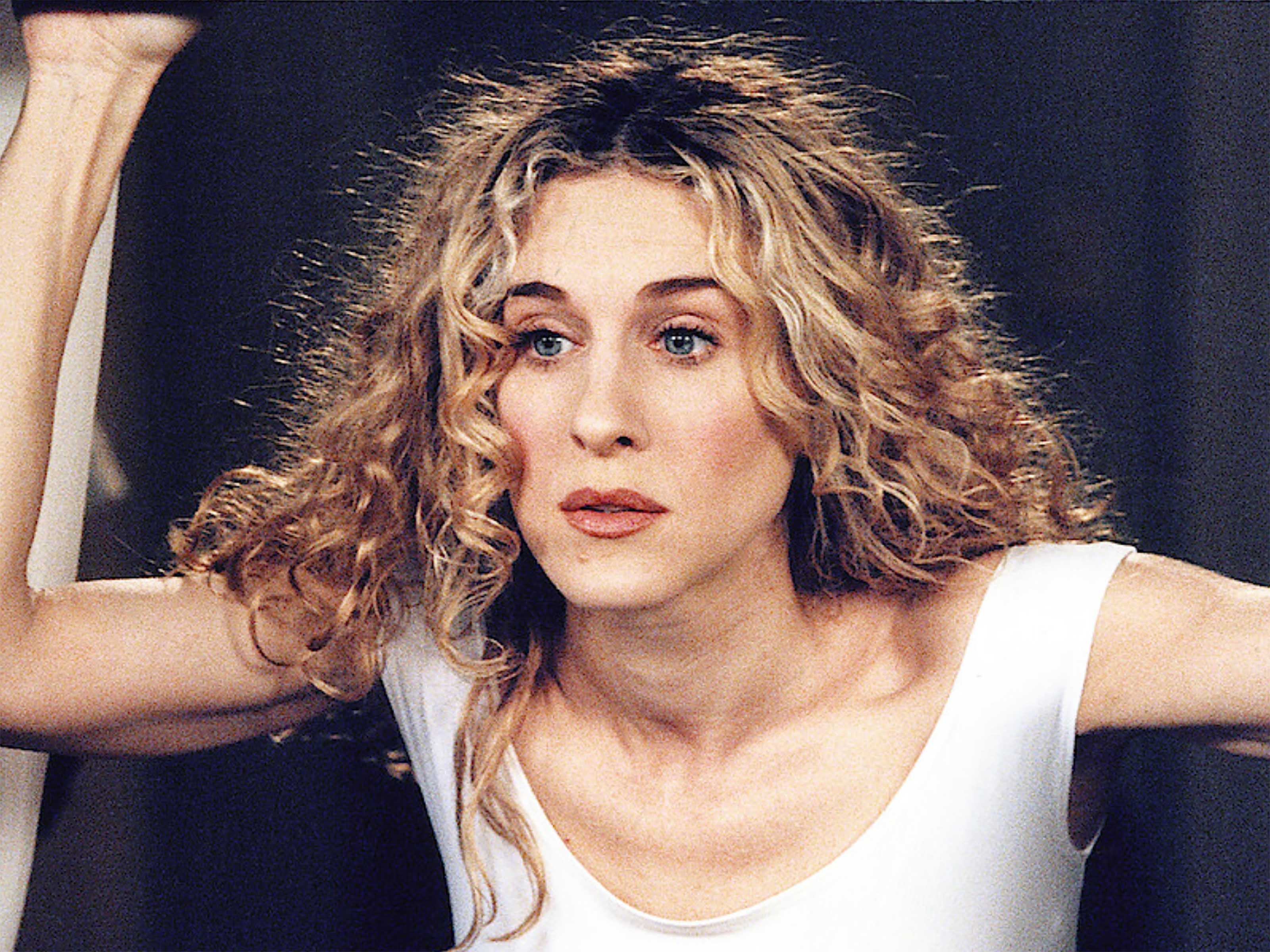
Carrie made single adulthood, female friendship, fashion, and romantic uncertainty central television subjects. Her financial decisions remain terrifying, but her cultural influence on lifestyle storytelling is difficult to overstate.
-
Olivia Pope Scandal
Olivia commands rooms, controls political crises, and makes morally questionable decisions in excellent coats. She helped redefine who could occupy the center of a glossy American network drama.
-
Leslie Knope Parks and Recreation
Leslie turns enthusiasm into a superpower. Her relentless optimism, public-service devotion, organizational binders, and loyalty to other women created an unusually sincere comic portrait of ambition and civic responsibility.
-
Marge Simpson The Simpsons
Marge is often the emotional infrastructure holding Springfield’s most chaotic family together. Her patience is legendary, although the towering blue hair suggests years of stress have found an unusual storage location.
-
Rose Nylund The Golden Girls
Rose’s sweetness is paired with unexpected competitiveness and endless stories about her hometown. She helped prove that older women could lead successful comedies about friendship, work, romance, aging, and cheesecake.
-
Rachel Green Friends
Rachel develops from a runaway bride dependent on privilege into a working professional and devoted mother. Her hairstyle became famous, but her gradual independence gave the character lasting appeal.
-
Elaine Benes Seinfeld
Elaine is funny, selfish, impatient, judgmental, and wonderfully unconcerned with being television’s moral center. She expanded the comic freedom available to female sitcom characters by being as ridiculous as her male friends.
-
Annalise Keating How to Get Away with Murder
Annalise is a brilliant attorney whose authority coexists with addiction, grief, manipulation, and vulnerability. Her contradictions created one of network television’s most demanding and emotionally layered leading roles.
Complex Heroines, Antiheroes and Villains
-
Clarice Starling The Silence of the Lambs
Clarice confronts violence through preparation, empathy, and psychological discipline. Her courage is compelling precisely because the story never pretends she is unaffected by fear or the institutions surrounding her.
-
The Bride Kill Bill
The Bride turned revenge into a two-part cinematic marathon of martial arts, grief, dark comedy, and astonishing determination. Her identity is built around survival, motherhood, and a very organized list.
-
Thelma Dickinson Thelma & Louise
Thelma’s journey from sheltered obedience to radical freedom gives the road movie its emotional acceleration. Her awakening is exhilarating, frightening, and inseparable from the unequal world she is escaping.
-
Louise Sawyer Thelma & Louise
Louise is practical, guarded, and accustomed to anticipating danger. Her friendship with Thelma drives a story that transformed two ordinary women into permanent symbols of resistance and freedom.
-
Miranda Priestly The Devil Wears Prada
Miranda rarely needs to raise her voice because entire industries are already listening. She is intimidating, demanding, elegant, and complicated enough to prevent the powerful female boss from becoming a simple caricature.
-
Regina George Mean Girls
Regina rules her school through beauty, social intelligence, and expertly distributed cruelty. She became the definitive modern queen bee because her influence feels exaggerated and alarmingly familiar at the same time.
-
Harley Quinn DC Comics, Movies and Television
Harley evolved from animated sidekick to independent antihero. Her visual style, chaotic humor, painful relationship history, and unpredictable morality have made her one of modern comics’ most recognizable characters.
-
Villanelle Killing Eve
Villanelle is stylish, playful, dangerous, and emotionally unreadable until she suddenly is not. Her unpredictability helped push the female television antihero into stranger, darker, and more entertaining territory.
-
Cersei Lannister A Song of Ice and Fire and Game of Thrones
Cersei’s intelligence is inseparable from paranoia, resentment, and destructive pride. She is both shaped by a patriarchal system and responsible for using that system’s cruelty against nearly everyone around her.
-
Lisbeth Salander The Girl with the Dragon Tattoo
Lisbeth is a hacker, investigator, survivor, and uncompromising outsider. Her exceptional abilities coexist with trauma and social isolation, creating a character who refuses both conventional respectability and easy interpretation.
Book Icons and Modern Pop-Culture Favorites
-
Offred/June Osborne The Handmaid’s Tale
Whether encountered in the novel or television adaptation, June embodies memory, resistance, and survival under authoritarian control. Her interior life demonstrates how storytelling itself can preserve individual identity.
-
Celie The Color Purple
Celie’s movement from silence and abuse toward independence, love, and creative expression makes her one of American literature’s most powerful protagonists. Her growing voice is the heart of the story.
-
Sethe Beloved
Sethe carries the psychological wounds of slavery into every decision she makes. Her story confronts memory, motherhood, guilt, and survival without reducing historical trauma to a comfortable moral lesson.
-
Scout Finch To Kill a Mockingbird
Scout observes adult prejudice with a child’s directness and confusion. Her perspective allows readers to witness racism, class divisions, courage, and hypocrisy before she fully understands their names.
-
Anne Shirley Anne of Green Gables
Anne’s imagination transforms mistakes, loneliness, and ordinary landscapes into grand adventures. Her talkative optimism and fierce desire to belong have charmed readers through novels, television series, and films.
-
Matilda Wormwood Matilda
Matilda is a brilliant child surrounded by adults committed to underestimating her. Books, kindness, and telekinesis help her resist crueltyan excellent reminder that libraries may contain more power than expected.
-
Miss Marple Agatha Christie Mysteries
Miss Marple solves crimes because people underestimate an elderly woman quietly observing village life. Her knowledge of human behavior repeatedly proves more valuable than flashy technology or official confidence.
-
Bridget Jones Bridget Jones’s Diary
Bridget is insecure, funny, romantic, professionally uncertain, and painfully self-aware. Her imperfect narration helped popularize a form of modern heroine whose emotional messiness is the point rather than a temporary defect.
-
Moana Moana
Moana’s journey centers on leadership, cultural memory, environmental restoration, and self-discovery rather than romantic rescue. Her courage grows through responsibility to her community and connection to her ancestors.
-
Barbie Barbie
Barbie entered popular culture as a doll but became a remarkably flexible fictional character. The 2023 film turned her into a comic explorer of identity, expectations, mortality, and uncomfortable footwear.
Why These Female Characters Still Matter
These women are not iconic because they all qualify as ideal role models. Several would be disastrous coworkers, unreliable friends, terrifying political leaders, or immediate reasons to leave a party. Their importance comes from expanding the emotional and narrative space available to female characters.
Lucy Ricardo and Elaine Benes proved women could be ridiculous without serving merely as the sensible audience for male comedy. Ripley, Leia, Sarah Connor, and Furiosa showed that action heroines could lead through skill and personality rather than decorative toughness. Jo March, Jane Eyre, and Elizabeth Bennet gave readers women whose intellectual and emotional independence mattered as much as romance.
Characters such as Cersei, Regina George, Villanelle, and Miranda Priestly are equally significant because they reject the expectation that important female characters must always be pleasant. Their ambition and cruelty are not evidence that women should be feared. They are evidence that women in fiction deserve access to the same broad territory of human behavior long granted to men.
The Experience of Revisiting These Characters
Revisiting iconic female characters is an unusual form of time travel. The story stays mostly the same, but the audience does not. A character who seemed glamorous at age twelve may appear exhausted at thirty. A supposed villain may become understandable, while a once-charming romantic interest begins setting off enough warning signals to illuminate a small airport.
Watching Dorothy as a child often means concentrating on witches, flying monkeys, and colorful roads. Watching her later reveals a young person managing fear while helping three adults discover qualities they already possess. The spectacle remains enjoyable, but the emotional architecture becomes clearer. Dorothy does not defeat uncertainty by becoming fearless. She keeps walking while frightened.
Something similar happens with Jo March. Younger readers may focus on her temper, writing ambitions, and resistance to conventional femininity. Older readers often notice the economic anxiety beneath those qualities. Jo wants creative freedom, but she also understands that art, family responsibility, and money are tangled together. Her frustrations become more recognizable as readers encounter their own compromises.
Television characters produce another kind of intimacy because viewers may spend dozens or even hundreds of episodes with them. Peggy Olson’s professional victories feel earned because audiences witness her awkward beginnings, mistakes, compromises, and persistence. Leslie Knope becomes memorable not merely because she is optimistic, but because maintaining that optimism requires effort. Dana Scully’s skepticism becomes more impressive every time the evidence includes a giant monster standing directly behind her partner.
Revisiting complicated characters can also expose changes in cultural expectations. Carrie Bradshaw’s independence was groundbreaking, but her spending habits and relationships provoke lively modern debates. Scarlett O’Hara remains dramatically compelling while the romanticized historical framework surrounding her requires serious criticism. Appreciating a performance or character does not require switching off judgment. In fact, mature engagement often means holding admiration and criticism at the same time.
Shared viewing creates another rewarding experience. Parents introduce children to Matilda, Hermione, Mulan, or Anne Shirley and discover which qualities connect with a new generation. Friends rewatch Mean Girls and recognize social behaviors they missed the first time. Book clubs debate whether Elizabeth Bennet’s wit occasionally becomes cruelty. Nobody agrees completely, which is usually evidence that the character is still alive in the culture.
Creating a personal ranking is also revealing. Some people prioritize courage, choosing Ripley or Katniss. Others prefer intelligence and observation, favoring Hermione, Scully, or Miss Marple. Comedy fans may defend Lucy Ricardo with courtroom-level intensity. Readers often select the character who reached them at exactly the right momentnot necessarily the most powerful woman, but the one who made their own ambitions, fears, or oddities feel recognizable.
That is the lasting pleasure of these characters. They offer more than escapism. They provide language for experiences that can otherwise feel private: wanting independence, surviving loss, resisting unfair authority, balancing ambition with relationships, or simply refusing to perform cheerfulness on command. The best fictional women do not tell audiences how a woman should behave. They demonstrate how many different stories a woman can inhabit.
Conclusion
The most iconic female characters in movies, television, and books endure because they are larger than their original plots. They influence fashion, language, storytelling conventions, career choices, and expectations about who is allowed to become a hero.
No list of 50 can settle the debate. Elle Woods, Cher Horowitz, Xena, Lara Croft, Fleabag, Holly Golightly, Cruella de Vil, and countless others could reasonably demand a recount. That disagreement is healthy. It shows how far popular culture has moved from offering audiences only one approved version of womanhood.
From Dorothy following the yellow brick road to Ripley facing the unknown, these characters remain unforgettable because they make courage, intelligence, anger, humor, ambition, vulnerability, and contradiction impossible to overlook.
Editorial note: This ranking reflects cultural impact, recognizability, influence, complexity, and longevity. It is an editorial selection rather than a scientific measurement, because no laboratory has yet developed a reliable unit for comparing dragon queens with sitcom legends.
SEO Metadata