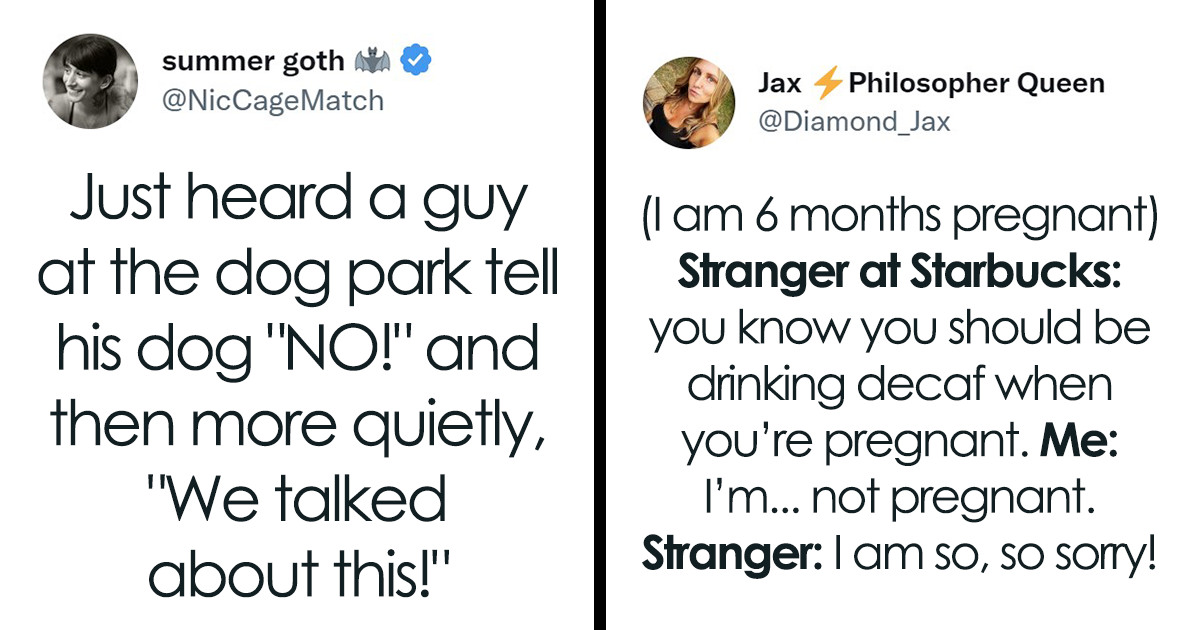

The internet may be responsible for forgotten passwords, mysterious subscription charges, and the phrase “per my last email,” but it has also given us one priceless gift: perfectly timed tweets.
A great tweet can transform an ordinary inconvenience into comedy. A broken appliance becomes a personal betrayal. A badly behaved cat becomes a tiny landlord. A five-minute meeting becomes an emotional journey with no snacks. The funniest tweets rarely need elaborate setups. They simply recognize something painfully familiar and describe it in a way nobody else considered.
Twitter launched in 2006, and the Library of Congress later preserved tweet text covering the platform’s first 12 years. That decision reflected how short social posts had become part of the historical record, documenting everything from major events to the wonderfully strange details of everyday life.
Humor publications and cultural outlets have spent years collecting memorable posts about parenting, pets, work, celebrities, food, relationships, and the general confusion of being alive. The examples below synthesize recurring themes found in roundups from Reader’s Digest, BuzzFeed, TIME, Parade, Vulture, and other established American publications.
To respect the original creators and keep this article unique, the entries are fresh paraphrases of famous viral moments and popular tweet formats rather than verbatim reproductions.
Why Are Funny Tweets So Irresistible?
The best funny tweets resemble miniature stand-up routines. They identify a recognizable situation, remove every unnecessary word, and deliver a punch line before the reader has time to scroll away. Comedian Simon Pegg once compared strong tweets to observational comedy because they express something thousands of people instantly recognize.
Online humor can also provide a temporary escape when the news cycle becomes exhausting. Cultural analysts have noted that short, silly jokes flourished during stressful periods because they allowed people to forget their worries for a moment. Humor may even help relieve tension. Mayo Clinic explains that laughter can stimulate the stress response before helping it cool down, leaving people feeling more relaxed.
In other words, laughing at a tweet about an aggressive self-checkout machine will not solve every problem. It may, however, prevent you from challenging the machine to a parking-lot duel.
50 Hilarious Tweets That Capture Internet Comedy at Its Best
Everyday Disasters That Became Comedy
-
The Debit Card Treasure Hunt: Why does every payment terminal hide its contactless sensor in a different location? Buying coffee should not require moving a card around the screen like a detective opening a safe.
-
The Microwave Countdown: There are two types of people: those who stop the microwave with one second remaining and those who allow the alarm to announce dinner to the entire neighborhood.
-
The Grocery Bag Olympics: Adults will carry fourteen grocery bags in one trip rather than return to the car. Shoulder circulation is temporary. Avoiding a second trip is forever.
-
The Laundry Negotiation: Washing clothes takes less than an hour. Folding them apparently requires three business days, a motivational podcast, and favorable conditions in the international markets.
-
The Refrigerator Inspection: Opening the refrigerator repeatedly will not cause better food to appear. Nevertheless, hope is powerful, and perhaps the cheese situation has improved since the previous inspection.
-
The Fitted Sheet Mystery: Nobody truly folds a fitted sheet. Some people simply compress it into a nervous fabric cloud and speak confidently about what they have accomplished.
-
The Shower Concert: The acoustics in the bathroom can convince anyone that a music career remains possible. The recording made outside the shower provides less encouraging evidence.
-
The Smoke Detector Battery: A smoke detector never requests a new battery at lunchtime. It waits until 3:07 a.m., then produces one tiny chirp every time you begin falling asleep.
-
The Unexpected Front Camera: Nothing encourages immediate self-reflection like accidentally opening the front-facing camera from below your chin while lying on the couch.
-
The Decorative Towel Treaty: Every household contains at least one towel nobody may use. It has been promoted beyond ordinary towel duties and now serves as a respected member of the interior-design community.
Parenting Tweets That Tell the Unfiltered Truth
-
The Suspicious Silence: Before having children, silence represents peace. After having children, silence means someone is covering the dog in yogurt or attempting to repair the television with a spoon.
-
The Snack Rejection: A child may urgently request a banana, watch you peel it, and then become devastated because the banana is no longer wearing its original jacket.
-
The Bedtime Legal Team: Children who cannot remember where they placed their shoes can suddenly present twelve sophisticated arguments against bedtime, complete with appeals, witness testimony, and new evidence.
-
The Expensive Toy Experiment: Give a child a carefully selected educational toy and a cardboard box. The toy becomes furniture while the box becomes a rocket, castle, restaurant, and regional transportation system.
-
The Bathroom Audience: Parents do not use the bathroom alone. They host a press conference attended by children, pets, and one person urgently requesting assistance with a missing television remote.
-
The School Morning Paradox: A child can wake at sunrise on Saturday but becomes an exhausted Victorian aristocrat when asked to leave bed for school on Monday.
-
The Dinner Review: Kids often describe a meal as disgusting before tasting it, proving that restaurant criticism no longer requires direct experience with the food.
-
The Permanent Marker Discovery: Children possess a supernatural ability to locate the only permanent marker in the house precisely when standing beside a recently painted wall.
-
The Car-Ride Interview: A fifteen-minute drive with a curious child can include questions about dinosaurs, death, taxes, clouds, marriage, gravity, and why adults pretend to understand insurance.
-
The Family Vacation: Traveling with children is simply parenting in a more expensive location while carrying wet swimsuits and pretending everyone appreciates the historical landmark.
Work, Meetings, and the Confusion of Adulthood
-
The Meeting That Could Have Been an Email: Nothing builds teamwork like eighteen people quietly realizing they sacrificed an hour to hear information that required four sentences.
-
The Professional Email Translation: “Just following up” means “I have asked three times.” “Gentle reminder” means “My patience has left the building but copied management on its way out.”
-
The Monday Password: Returning to work after a long weekend involves staring at the login screen and trying to remember which childhood pet received a capital letter and an exclamation point.
-
The Camera-On Emergency: Video meetings taught millions of employees that professionalism is mostly a clean shirt, controlled facial expressions, and keeping the laundry pile outside the camera frame.
-
The Office Refrigerator: Every workplace refrigerator contains one abandoned container that has survived multiple leadership changes and may now qualify for retirement benefits.
-
The Annual Review: Employees are encouraged to discuss professional growth while privately calculating whether their raise will cover the increased price of the sandwich they buy for lunch.
-
The Spreadsheet Crisis: Few experiences create faster panic than watching a spreadsheet replace carefully calculated numbers with mysterious symbols and refusing to explain its decision.
-
The “Quick Call”: A quick call is a legendary workplace creature frequently discussed but rarely observed. Most reported sightings eventually develop into forty-five-minute meetings.
-
The Adulting Subscription: Adulthood appears to be a monthly service that charges too much, offers limited support, and continually introduces new fees you do not remember approving.
-
The Weekend Loading Screen: Friday evening begins with ambitious plans. Saturday disappears during errands. Sunday becomes a six-hour emotional preparation session for Monday morning.
Pets Acting Like Unqualified Supervisors
-
The Cat’s Rent Agreement: Cats contribute nothing financially, ignore household rules, and wake residents before sunrise. Somehow, the humans remain grateful for permission to live there.
-
The Dog’s Security System: A dog may sleep through a thunderstorm but will defend the home heroically against a delivery driver quietly placing a package outside.
-
The Empty Food Bowl: According to a cat, a bowl with visible food around the edges is completely empty and represents an unacceptable failure by senior management.
-
The Bathroom Escort: Dogs follow people into the bathroom because humans clearly cannot be trusted to complete dangerous indoor missions without professional supervision.
-
The Stolen Bed: A ten-pound pet can occupy approximately 93 percent of a king-size mattress through confidence, strategic positioning, and complete disregard for international borders.
-
The New Toy Evaluation: Purchase an expensive pet toy and the animal will immediately investigate the receipt, cardboard packaging, or mysterious piece of lint beside it.
-
The Vacuum Feud: Pets consider vacuum cleaners natural enemies, even though both creatures spend much of the day collecting crumbs from the floor.
-
The Closed-Door Violation: A cat may ignore you for six hours, but the moment you close a door, it urgently needs access to the room for constitutional reasons.
-
The Walk Announcement: You can say twenty ordinary sentences without attracting a dog’s attention. Whisper one familiar word associated with outdoor activity, and the dog becomes an Olympic sprinter.
-
The Accidental Animal Sitcom: Some of the internet’s funniest threads begin when ordinary people encounter escaped pets, stubborn cats, or dogs behaving like poorly trained comedy actors. One widely covered viral story involved a cat and two dogs repeatedly outsmarting the person trying to return them home.
Celebrity Posts and Beautifully Absurd Thoughts
Celebrity tweets became memorable when famous people abandoned polished public relations language and posted the same strange thoughts everyone else has at inconvenient hours. Media roundups have repeatedly celebrated spontaneous posts from musicians, actors, athletes, and television personalities.
-
The Meatball Classification Debate: A famous musician once inspired widespread philosophical reflection by questioning whether a meatball belonged in the fruit family. Botanists were not consulted, which probably improved the joke.
-
The Singular Fan Club: Singer James Blunt became known for treating online insults as free comedy material, occasionally joking that his entire fan base could fit comfortably in one chair.
-
The Cereal Discovery: A celebrity once announced a life-changing encounter with cereal and milk, leaving ordinary readers delighted that fame cannot protect anyone from arriving late to breakfast technology.
-
The Theme-Park Problem: Basketball legend Shaquille O’Neal turned an uncomfortable amusement-park experience into comedy by reporting that the ride had not been designed with his proportions in mind.
-
The Conditional Hero: Ryan Reynolds has repeatedly perfected the joke that begins with heroic parental devotion and ends with extremely reasonable safety restrictions involving heat, humidity, or personal grooming.
-
The Lifetime Roommate: Anna Kendrick summarized an uncomfortable truth of adulthood: wherever you go, your own personality also arrives, frequently without being invited.
-
The Perfect Reaction: Monica Lewinsky demonstrated that a carefully chosen emoji can deliver a stronger punch line than an entire paragraph, especially when responding to questions about disastrous decisions.
-
The Self-Aware Legend: Dolly Parton has shown that celebrities can create charming online jokes by referencing their own songs and public image without making the exchange feel like advertising.
-
The Famous Person Identification Desk: Martha Stewart once amused the internet by publicly asking for help identifying someone many readers instantly recognized, proving that celebrity encounters can confuse celebrities too.
-
The Rich Person Taking Out the Trash: Rapper 50 Cent created a classic internet moment by expressing disbelief that financial success had not exempted him from a grandmother’s household instructions.
What Makes These Hilarious Tweets Work?
They Begin With Something Familiar
Relatable humor creates an immediate connection. Readers laugh because they have fought with a fitted sheet, forgotten a password, carried too many grocery bags, or attended a meeting that accomplished nothing. The writer does not need to explain the situation because the audience has already lived through it.
They Add One Unexpected Comparison
A debit-card terminal becomes a safe. A child becomes an attorney. A cat becomes a landlord. These comparisons are exaggerated, but they are close enough to reality that the reader recognizes the emotional truth behind them.
They Respect the Reader’s Time
Twitter humor developed under strict character limits, rewarding writers who could establish a premise and reach the punch line quickly. Even as the platform evolved, efficient wording remained part of its comedic identity.
They Sound Like Real Thoughts
Many viral jokes do not resemble polished comedy writing. They sound like something a tired person suddenly realized while waiting for pasta water to boil. That casual quality makes the joke feel spontaneous and shareable.
They Usually Punch Upor Inward
Self-deprecating observations, workplace frustrations, and jokes about confusing technology tend to age better than humor aimed at vulnerable individuals. The history of online joke theft also shows why crediting original creators matters. Popular jokes have often been copied by anonymous accounts or commercial brands, creating long-running debates about authorship and compensation.
Experiences From Living Through the Golden Age of Funny Tweets
The Tweet That Finds You at Exactly the Right Moment
One of the strangest experiences with internet humor is discovering a joke that seems personally delivered. You might be standing in the kitchen at midnight, eating shredded cheese directly from the package, when a tweet appears describing that exact behavior as a formal dinner for adults who have stopped pretending.
The joke is not necessarily complicated. What makes it powerful is the timing. For a few seconds, an unknown person somewhere else understands your highly specific situation. You may never meet the writer, but you are temporarily united by cheese, exhaustion, and questionable meal planning.
Trying Not to Laugh in an Inappropriate Place
Funny tweets become considerably more dangerous when read in silent environments. A waiting room, library, formal meeting, or crowded elevator can transform an ordinary joke into an endurance challenge.
The first reaction is usually a small smile. Then you reread the punch line, which is a tactical mistake. Your shoulders begin moving. You pretend to cough. Someone nearby looks concerned. Within seconds, you are staring intensely at the floor while attempting not to make the noise of a malfunctioning tea kettle.
Explaining the joke rarely helps. Internet humor often depends on tone, timing, cultural context, and the writer’s unusual phrasing. Reading it aloud to another person can make a brilliant post sound like evidence in a confusing court case.
Sending Tweets as a Form of Friendship
Sharing funny posts has become its own social language. Friends may go several days without a traditional conversation while exchanging jokes about work, pets, relationships, or getting older. Each forwarded tweet quietly says, “I saw this and recognized our shared nonsense.”
The best friendships develop highly specialized categories. One person sends cat-related workplace humor. Another specializes in cooking failures. Someone else appears only to deliver videos of raccoons stealing food. There may be no official discussion of these responsibilities, yet everyone understands the system.
A perfectly chosen tweet can also repair a difficult day. It does not erase the problem, but it creates a small pause. That pause can be enough to reset the mood, start a conversation, or remind someone that their stressful experience is not unique.
Watching a Small Joke Become Internet History
Another memorable experience is seeing a seemingly insignificant post become part of popular culture. A person makes one odd observation before bed. By morning, thousands of strangers have shared it, added responses, created illustrations, or turned it into a meme.
This transformation reveals how unpredictable online comedy can be. Carefully planned promotional posts may disappear without attention, while a confused question about food classification survives for years. Famous accounts do not always produce the funniest material, either. Many beloved jokes come from ordinary users describing ordinary situations with extraordinary precision.
However, virality has a complicated side. A widely shared joke may become separated from its creator, copied onto other platforms, or republished without credit. Enjoying internet comedy responsibly means remembering that each clever post came from a person who deserves recognition for the idea.
Learning to Notice the Joke in Daily Life
Perhaps the best result of reading funny tweets is that they train people to observe everyday absurdity. Suddenly, the self-checkout machine demanding assistance feels like an impatient coworker. The dog watching you cook becomes a restaurant inspector. The pile of clean laundry becomes a monument to unfinished ambitions.
This perspective does not require forcing every experience into a punch line. It simply means noticing that life is frequently ridiculous. Plans fail, technology rebels, children negotiate, pets supervise, and adults spend an astonishing amount of time deciding what to eat.
The funniest internet writers recognize these moments before everyone else. They hold up a tiny mirror, add one unexpected comparison, and invite millions of people to laugh at the same familiar chaos.
Conclusion
The most hilarious tweets of all time are not always the most polished, popular, or intellectually sophisticated. Often, they are short observations that describe a universal experience with surprising accuracy.
They remind us that celebrities still deal with household chores, parents rarely enjoy uninterrupted silence, cats recognize no human authority, and workplace meetings remain one of civilization’s boldest experiments in patience.
Humor will continue changing as social platforms evolve, memes disappear, and new communities invent their own language. Yet the essential formula will probably remain the same: observe something ordinary, describe it unexpectedly, and post it before someone else notices how funny it is.
Until then, keep scrolling responsiblyand remember that the refrigerator’s contents have probably not improved since you checked three minutes ago.
SEO Tags
Note: This article is an original editorial synthesis based on established American media, cultural commentary, social-platform information, and humor research. Tweet examples have been paraphrased or recreated rather than copied verbatim to preserve originality, respect creators, and avoid duplicate web content.