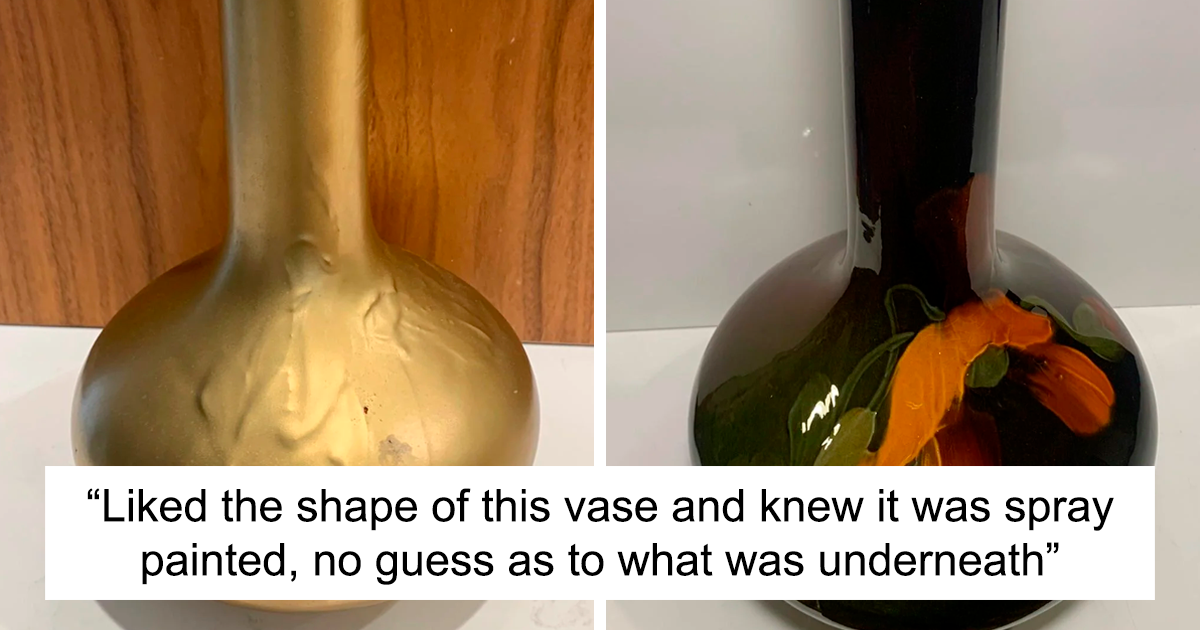

Some old things do not want to retire. They sit in garages, thrift stores, barns, basements, and “I’ll deal with that later” corners, waiting for a person with imagination, sandpaper, and maybe a questionable amount of confidence. Then suddenly, a scratched dresser becomes a bathroom vanity. A broken ladder becomes a bookshelf. A rusty bicycle becomes garden art. The object gets a second chance at life, and honestly, it looks smug about it.
The beauty of giving old things new life is that it blends creativity, sustainability, nostalgia, and practicality. It is part upcycling, part restoration, part rescue mission, and part treasure hunt. Instead of treating every worn-out item as trash, people are rethinking what “old” really means. Sometimes old means solid wood instead of flimsy particleboard. Sometimes it means handmade details that modern factories rarely bother with. Sometimes it means the item only needs cleaning, tightening, refinishing, or a new purpose.
In a culture that often encourages buying new before fixing old, these 50 examples of repurposed, restored, and reinvented items prove that second chances are not just for movie characters and houseplants you forgot to water. They are for furniture, clothes, tools, buildings, bottles, books, doors, windows, and the weird little objects that make a home feel alive.
Why Giving Old Things a Second Life Matters
Reusing old items is not just a cute weekend hobby. It is one of the simplest ways to reduce waste, save money, and lower demand for new materials. The U.S. Environmental Protection Agency encourages reducing and reusing because these habits help prevent waste before it exists. That matters because once an item enters the waste stream, even recycling requires collection, sorting, processing, transportation, and energy.
Repair and reuse also protect the value already built into an object. A wooden table contains trees, labor, transport, hardware, design, and time. A phone contains mined materials, manufacturing energy, and complicated electronics. A historic building contains embodied energy, craftsmanship, and cultural memory. Throwing those things away too quickly is like ordering a full meal, eating one french fry, and sending the rest to the landfill. Technically legal, emotionally suspicious.
The circular economy takes this idea further by encouraging people and businesses to keep products and materials in use at their highest value for as long as possible. That can mean repairing, reselling, refurbishing, donating, remanufacturing, or creatively repurposing. The goal is simple: make “waste” feel like an outdated concept.
50 Brilliant Ways Old Things Got a Second Chance
1. An Old Door Became a Farmhouse Dining Table
A heavy vintage door, especially one made from solid wood, can become a dramatic dining table with the addition of sturdy legs and a glass top. The old panels add character, while the new function makes it useful every day.
2. A Clawfoot Tub Became a Backyard Sofa
With one side carefully cut out, a refinished clawfoot bathtub can become outdoor seating. Add cushions, and suddenly bath time has become brunch time.
3. Wooden Crates Became Wall Shelves
Old fruit crates and shipping boxes make charming storage when mounted on a wall. Their dents, stamps, and faded labels add instant personality.
4. A Broken Ladder Became a Blanket Rack
A wooden ladder that is no longer safe for climbing can still hold quilts, towels, or throws. It is rustic, practical, and far less likely to send anyone to urgent care.
5. Vintage Suitcases Became Nightstands
Stacked suitcases can work as bedside tables with built-in storage. They bring a travel-inspired look without requiring anyone to pack socks at midnight.
6. Mason Jars Became Pendant Lights
Old jars are often turned into lighting fixtures. The glass diffuses light beautifully, and the result feels warm, handmade, and slightly nostalgic.
7. A Piano Became a Bookshelf
When a piano can no longer hold a tune, its frame can become a stunning bookshelf or bar cabinet. It preserves the instrument’s sculptural beauty while giving it a new role.
8. A Dresser Became a Bathroom Vanity
Old dressers are frequently converted into vanities by cutting space for plumbing and sealing the top. The result often looks more custom than many store-bought bathroom cabinets.
9. Glass Bottles Became Garden Borders
Wine bottles, soda bottles, and colored glass containers can be partially buried upside down to edge garden beds. It is a playful way to reuse glass and add color outdoors.
10. Old Windows Became Greenhouse Walls
Salvaged windows are perfect for small greenhouses or cold frames. They let in light, protect young plants, and make the garden look like it has a tiny architectural degree.
11. Tin Cans Became Herb Planters
Cleaned cans with drainage holes can grow basil, mint, parsley, and chives. Paint them or leave the labels for a vintage kitchen look.
12. A Bicycle Wheel Became a Pot Rack
Suspended from the ceiling, an old bicycle wheel can hold hooks for pots, pans, or mugs. It is quirky, functional, and ideal for anyone who enjoys explaining their decor choices.
13. Old Jeans Became Tote Bags
Denim is durable, which makes worn-out jeans great material for tote bags, aprons, patches, and organizers. The pockets are already included, which feels like cheating in the best way.
14. A Shipping Pallet Became a Coffee Table
Pallet projects are popular because the wood is affordable and versatile. Sanded, sealed, and fitted with casters, a pallet can become a casual coffee table.
15. Broken China Became Mosaic Art
Cracked plates and chipped teacups can be transformed into mosaic tabletops, stepping stones, picture frames, and wall art. Grandma’s broken saucer gets a comeback tour.
16. A Headboard Became a Bench
Old bed frames often have beautiful shapes. A headboard and footboard can be rebuilt into an entryway bench that holds shoes, bags, and dramatic sighs after work.
17. A Trunk Became a Coffee Table
Vintage trunks provide storage and surface space. They are perfect for blankets, board games, or hiding the remote from people who cannot be trusted with it.
18. Old Books Became Hidden Storage
Damaged books that cannot be read can become secret boxes or decorative displays. For books in good condition, donation is better; for ruined ones, creative reuse keeps them from the trash.
19. A Colander Became a Hanging Planter
Because colanders already have drainage holes, they make excellent planters. Add chains, soil, and trailing flowers, and the kitchen tool becomes garden decor.
20. A Door Knob Became a Coat Hook
Vintage knobs mounted on a board can hold coats, bags, jewelry, or towels. Their shapes and finishes add more charm than basic hardware.
21. Old T-Shirts Became Cleaning Rags
Before buying disposable wipes, many households cut worn cotton shirts into reusable cleaning cloths. It is simple, cheap, and surprisingly satisfying.
22. A Wine Barrel Became a Sink Base
Wine barrels are sturdy and visually rich. With careful cutting and sealing, they can become vanities, tables, or outdoor planters.
23. An Old Sewing Machine Base Became a Desk
Cast-iron sewing machine legs are decorative and strong. Add a wood top, and the base becomes a desk or console table with vintage flair.
24. A Broken Guitar Became Wall Art
When an instrument cannot be repaired, it can still become a shelf, lamp, or display piece. Music does not always need strings to stay in the room.
25. A Cabinet Door Became a Serving Tray
Old cabinet doors can be sanded, painted, and fitted with handles. The result is a sturdy tray for coffee, snacks, or breakfast in bed if someone is feeling fancy.
26. Rain Boots Became Flower Pots
Children outgrow boots quickly. Fill them with soil and flowers, and they become cheerful porch planters with built-in personality.
27. A Wooden Spool Became a Patio Table
Large industrial cable spools can become outdoor tables. Their round shape is perfect for patios, and the center hole can even hold an umbrella pole.
28. Old Sweaters Became Pillow Covers
Soft sweaters with holes in the sleeves can be transformed into cozy pillow covers. It is like giving your couch a warm hug.
29. A Filing Cabinet Became Garage Storage
Metal filing cabinets can store tools, spray paint, gardening supplies, or sports gear. Add labels, and suddenly the garage looks organized enough to impress neighbors.
30. Old Bricks Became Garden Paths
Salvaged bricks from renovations can become walkways, edging, fire pits, or raised beds. Their weathered color often looks better than new materials.
31. Shutters Became Mail Organizers
Old shutters can hold letters, cards, photos, and reminders between the slats. They turn paperwork into decor, which is nearly a magic trick.
32. A Chair Became a Plant Stand
A chair with a broken seat can support a planter where the cushion used to be. It works especially well in cottage gardens and porches.
33. Old Maps Became Drawer Liners
Outdated maps can line drawers, cover boxes, or decorate tabletops. They add color and history, even if the roads are no longer accurate.
34. A Toolbox Became a Bathroom Caddy
Vintage metal toolboxes can organize toiletries, hair products, or cleaning supplies. They are sturdy, portable, and much cooler than plastic bins.
35. A Skateboard Became a Shelf
Broken or retired skateboards make bold wall shelves. The graphics add instant edge, and the curved shape keeps things interesting.
36. Old Records Became Clocks
Scratched vinyl records can become wall clocks, bowls, or art. Collectible records should be preserved, but damaged ones can still keep time.
37. A Canoe Became a Bookshelf
An old canoe mounted vertically or horizontally can become a dramatic shelf. It is perfect for cabins, lake houses, or anyone committed to nautical drama.
38. A Window Frame Became a Photo Display
Old window frames can hold family photos behind each pane. It creates a gallery wall with architectural texture.
39. A Metal Bucket Became a Lampshade
Galvanized buckets can be converted into rustic light fixtures. The industrial look works well in farmhouse, workshop, and modern country interiors.
40. Old Belts Became Drawer Pulls
Leather belts can be cut into loops and attached to drawers or cabinets. They add warmth and texture while keeping worn leather useful.
41. A Crib Became a Craft Station
When a crib is no longer safe for babies, its rails can become drying racks, organizers, or craft storage. Safety first, creativity second, glitter everywhere third.
42. Old Tires Became Outdoor Ottomans
Cleaned tires wrapped in rope or fabric can become patio ottomans or tables. They are durable and weather-resistant when finished properly.
43. A Bread Box Became a Charging Station
A vintage bread box can hide cords, phones, tablets, and chargers. It keeps countertops tidy and prevents the “cord spaghetti” look.
44. Old Silverware Became Wind Chimes
Forks, spoons, and keys can create charming wind chimes. They make gentle sounds and turn mismatched pieces into outdoor art.
45. A Typewriter Became a Display Piece
Old typewriters can be restored for use or displayed as decor. They remind us that writing once involved machinery, finger strength, and no backspace key.
46. A Barn Door Became a Sliding Interior Door
Salvaged barn doors remain popular because they combine function and texture. With proper hardware, they can divide rooms while preserving rural character.
47. Old Drawers Became Under-Bed Storage
Detached dresser drawers fitted with wheels can slide under beds. They are perfect for shoes, linens, toys, or seasonal clothes.
48. A Suit Jacket Became a Pet Bed
Worn jackets can be sewn into small pet beds. Your cat will ignore it for three weeks, then decide it is royalty-approved.
49. A Fire Hose Became Durable Accessories
Decommissioned fire hoses can be repurposed into bags, belts, wallets, and mats. The material is strong, flexible, and built for serious wear.
50. An Old Building Became a Community Space
Some of the most powerful second chances happen at building scale. Factories become apartments, schools become arts centers, churches become libraries, and warehouses become markets. Adaptive reuse can preserve history while meeting modern needs.
The Best Second-Chance Projects Usually Start Small
You do not need a workshop full of professional tools to begin. Many successful projects start with cleaning, tightening screws, replacing hardware, sanding rough spots, or repainting. A thrifted stool may only need new upholstery. A scratched table may need oil. A lamp may need rewiring by someone qualified. A wool coat may need mending, not replacing.
The smartest approach is to ask three questions. Is the item structurally safe? Is the material worth saving? Can it serve a real purpose? If the answer is yes, the project may be worth the effort. If the item is moldy, unstable, electrically unsafe, or contaminated, it may be better handled by professionals or responsibly recycled.
How to Give Old Things a Second Chance Without Creating Clutter
Upcycling can quickly become hoarding if every cracked chair starts whispering, “I could be a planter.” To avoid turning your home into a museum of unfinished intentions, choose projects with a clear use. Before bringing something home, decide where it will go, what it will become, and whether you realistically have time to finish it.
Also remember that the best second chance is sometimes donation. If you do not need an item, someone else might. Thrift stores, architectural salvage shops, reuse centers, repair cafés, local Buy Nothing groups, Habitat ReStores, libraries of things, and community workshops can help old items find people who actually want them.
Experience Section: What Old Things Teach Us When We Reuse Them
One of the most rewarding experiences related to giving old things a second chance is the moment an object stops looking like junk and starts looking like possibility. Anyone who has dragged home a scratched chair from a curb knows this feeling. At first, it is just a chair with a mysterious stain and one wobbly leg. Then you clean it, tighten the joints, sand the surface, and add a fresh coat of paint. Suddenly, it looks intentional. Guests ask where you bought it. You pretend to be humble while silently awarding yourself a design trophy.
These projects also teach patience. New products offer instant gratification: click, ship, unbox, assemble, complain about missing screws. Restoring or repurposing old items is slower. You may need to remove old paint, research safe finishes, watch repair tutorials, or redo a step that looked much easier online. But that process creates attachment. A table you refinished yourself feels different from a table you bought in a rush. It carries your effort, your mistakes, and the tiny victory of not giving up when the first stain color looked like swamp water.
There is also a personal history hidden in old things. A cast-iron skillet from a grandparent’s kitchen, a trunk from a flea market, a mirror from an old apartment, or a chair rescued from a school sale can make a room feel layered. Modern homes sometimes look too perfect, as if nobody lives there except a candle and one beige pillow. Reused objects interrupt that perfection in the best way. They add dents, stories, and visual warmth.
Another lesson is resourcefulness. Once you start seeing second chances, you notice them everywhere. A jar is not just recycling; it is a pantry container. A drawer is not broken furniture; it is future wall storage. A shirt with torn sleeves is not useless; it is fabric. This mindset changes shopping habits too. You begin asking whether you can repair before replacing, borrow before buying, and repurpose before discarding.
The experience is not always glamorous. Some projects fail. Paint peels. Measurements betray you. A “quick weekend makeover” somehow occupies three months and part of the dining room. But even the failures are useful because they sharpen your eye. You learn which materials are durable, which repairs are worth doing, and which items should be admired from a safe distance at the thrift store.
Most importantly, giving old things new life creates a sense of participation. You are not just consuming design; you are shaping it. You are making choices that reduce waste, honor craftsmanship, and create a home that cannot be duplicated by a catalog. That is the real charm of second-chance objects: they are not perfect, but they are alive with character.
Conclusion: Old Does Not Mean Over
The phrase “past its prime” is often unfair. Many old things are not finished; they are simply waiting for a new job description. A door can become a table. A sweater can become a pillow. A building can become a community hub. A cracked plate can become art. With creativity, care, and a little practical judgment, old items can return to daily life in ways that feel fresh, useful, and deeply satisfying.
Giving old things a second chance is more than a decorating trend. It is a smarter way to think about value. It saves money, reduces waste, preserves stories, and makes homes more personal. In a world full of disposable products, choosing to repair, reuse, restore, and repurpose is quietly rebellious. It says: this still matters. And sometimes, that is all an old thing needs to become wonderful again.