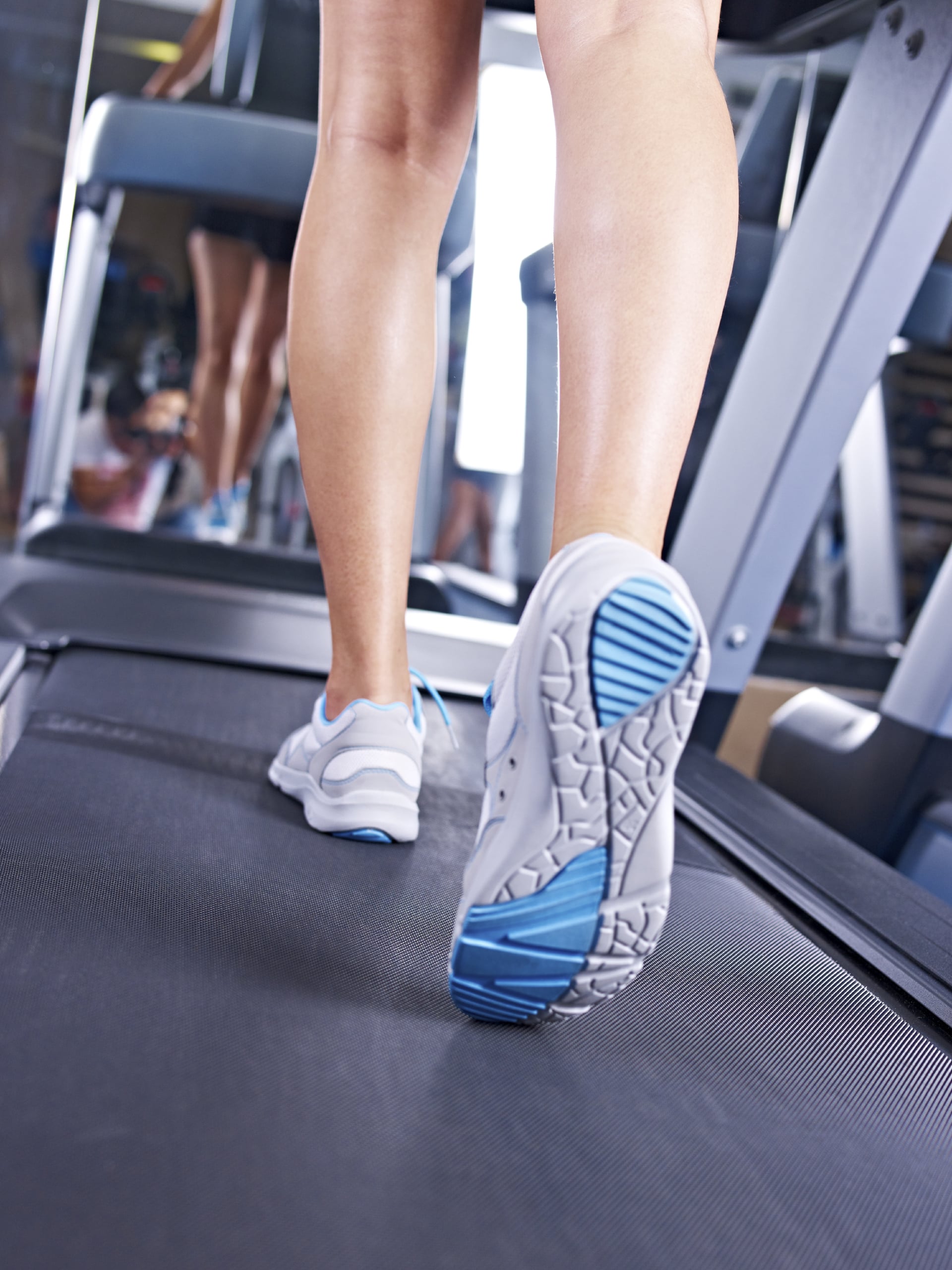

There is a special kind of treadmill courage that only shows up when the weather is rude, the gym is crowded, or your favorite running route has turned into a puddle with opinions. The good news is that treadmill training is not just a backup plan. It can be a smart, flexible way to build endurance, practice intervals, and dial in speed or incline with far more control than you get outdoors. Fitness and medical sources consistently point out that intervals improve cardiovascular fitness and endurance, while treadmills let you adjust pace and grade with precision.
This guide mixes practical training advice with a little personality, because the treadmill deserves more than a grim stare and a 40-minute negotiation. You will get six workouts that range from beginner-friendly to gloriously sweaty, plus a long-form section on what these sessions actually feel like in real life. The goal is simple: make the machine less boring, more effective, and just annoying enough to count as progress.
Before You Start: A Few Rules That Save Your Legs
Most experts recommend warming up for five to ten minutes, then building intensity gradually instead of launching straight into hero mode. That advice matters even more on a treadmill, where good form, a sensible incline, and controlled speed changes can make the workout safer and more useful. Some coaches also suggest a small incline of about 1% to 2% to better mimic outdoor running conditions, while others use higher inclines for hill work and interval sessions. Just as important: do not cling to the handrails like the treadmill has offended you personally.
Progress gradually. If you are new to incline walking or running, start with shorter bouts, lower speeds, and longer recovery periods. Several recent health and fitness articles also emphasize easing into popular treadmill formats such as 12-3-30, especially if you have knee, calf, ankle, or lower-back concerns. The smartest treadmill workout is the one you can repeat next week without needing a dramatic ice-pack montage.
1. The Speed Burst Sandwich
Best for: runners who want time-efficient cardio
This workout is built around short, hard pushes followed by easy recovery. Interval training is one of the most efficient ways to improve cardiovascular fitness, and both Mayo Clinic and ACE-style programming often use brief hard efforts with slower recovery in between. The format is simple, but your heart rate will quickly discover the assignment.
- Warm up for 5 minutes at an easy walk or light jog.
- Run hard for 30 seconds to 1 minute.
- Recover with 60 to 90 seconds of walking or very easy jogging.
- Repeat 8 to 12 rounds.
- Cool down for 5 minutes.
Why it works: short bursts challenge speed, VO2-style fitness, and mental toughness without requiring a long workout. Why it is fun: every interval feels like a tiny mission, and the recovery period feels like you earned a gold star from your lungs.
Make it harder
Increase the speed slightly, shorten the recovery, or add a 1% incline during the work intervals. Keep your form upright and controlled so the treadmill does not become a very expensive panic conveyor.
2. Hills Without the Hike
Best for: anyone who wants stronger legs and glutes
Incline workouts are one of the simplest ways to make treadmill training more demanding without necessarily running faster. ACE, Verywell Fit, RunCoach, and other training sources all use incline changes to raise heart rate and create hill-style stress. It is a sneaky little trick: the belt stays the same, but your legs suddenly feel like they signed a lease on a mountain.
- Warm up 5 minutes on flat ground.
- Set incline to 4% to 6% for 2 minutes at a brisk walk or moderate jog.
- Reduce to 1% to 2% for 2 minutes to recover.
- Repeat 6 to 10 times.
- Finish with 5 minutes easy.
This session is excellent for building lower-body endurance, making regular walking less boring, and teaching your body to handle sustained effort. If you want a bigger challenge, use steeper hills for shorter periods. If you want a gentler version, keep the incline modest and extend the recovery.
3. The 12-3-30 Remix
Best for: walkers who want a serious challenge
The 12-3-30 workout became famous because it is brutally simple: 12% incline, 3 mph speed, 30 minutes. Health and Cleveland Clinic both note that it can be a demanding low-impact cardio option, but also one that should be approached gradually and modified for your current fitness level. This is the workout that looks polite on paper and then shows up wearing work boots.
- Start with 5 minutes of flat walking.
- Move to 5% to 8% incline before jumping to 12%.
- Walk 20 to 30 minutes at a pace you can maintain with good form.
- If needed, reduce the incline, lower the speed, or split the work into shorter blocks.
Why it works: incline walking increases effort without impact-heavy pounding. Why it gets famous: it is easy to remember and easy to scale. Why it can humble you: your calves, glutes, and breathing will all get a vote. Experts also recommend building into it slowly, especially if you are using it as a regular routine rather than a one-time experiment.
Make it yours
Try 10-3-20, 8-3-30, or alternating between 3% and 8% incline if 12% feels too ambitious. The whole point is consistency, not a heroic screenshot for social media.
4. The Tempo Ladder
Best for: runners building stamina
Tempo work sits between easy running and all-out intervals. The idea is to stay at a comfortably hard pace long enough to challenge endurance without turning the session into a sprint-fueled disaster. ACE and other treadmill coaching sources often use stepwise increases in speed or incline to make this style feel structured and manageable.
- Warm up for 5 to 8 minutes.
- Run 5 minutes at a steady moderate pace.
- Bump the speed slightly for the next 5 minutes.
- Repeat one or two more times.
- Cool down for 5 minutes.
You can also make the ladder more gradual by adjusting incline instead of speed, or by pairing longer work blocks with short recovery periods. This is a good workout when you want to feel athletic without needing to think too hard about intervals every thirty seconds.
5. Fartlek Free-for-All
Best for: people who hate rigid workout scripts
Fartlek is a Swedish term that essentially means speed play, which is a polite way of saying “random suffering with variety.” It is one of the most fun treadmill formats because you choose when to push, recover, climb, or coast. That freedom can make workouts feel less mechanical and more like a game. Interval-based training supports fitness gains, and the variety helps break boredom, which is often the real villain on the treadmill.
- Warm up 5 minutes.
- Choose a recovery pace and a hard pace.
- Alternate every time a song changes, every city block on your playlist, or every minute on the clock.
- Throw in incline changes whenever you want a bigger challenge.
- End with a cool down.
The beauty of fartlek is that it is flexible. Some days you might sprint for 20 seconds and walk for 40. Other days you might jog hard for two minutes and recover on a hill. Because the structure is loose, it is especially useful for runners who want to practice pacing without feeling trapped by numbers.
6. The Recovery Run Pyramid
Best for: building aerobic fitness without overdoing it
This workout is ideal when you want a solid session that does not leave you negotiating with your own calves afterward. Start easy, build gradually, then bring the pace back down in stages. That pattern matches what major health sources recommend for interval-based cardio: begin with a warm-up, increase effort slowly, and recover before you push again.
- 5 minutes easy walk or jog.
- 5 minutes at a moderate pace.
- 5 minutes slightly faster.
- 5 minutes faster still, or add a 1% to 2% incline.
- Bring it back down step by step.
This is a great workout for people who want progression without drama. It teaches the body to adapt to changing effort, which is useful for runners, walkers, and anyone training for general cardio fitness. It is also one of the most civilized ways to finish a treadmill session feeling accomplished instead of defeated.
How to Choose the Right Workout
If you are new to treadmill training, start with incline walking, the recovery pyramid, or a light speed-burst session. If you already run regularly, the hill workout and tempo ladder will probably feel more rewarding. If your main goal is general fitness, the 12-3-30 remix and fartlek format are especially good because they balance structure with enough variety to keep boredom from winning. Whatever you choose, keep the warm-up, controlled effort, and cool-down. That is not glamorous, but it is the difference between “great workout” and “why do my shins hate me?”
Also, remember that treadmill workouts do not have to be maximal to be effective. Small progress counts. A little more incline, a slightly longer hard interval, or one extra round can add up fast over a few weeks. The best treadmill plan is the one you can actually repeat.
Common Mistakes That Make Treadmill Workouts Worse
- Starting too fast and turning the warm-up into a survival story.
- Holding the rails and letting your posture collapse.
- Using too much incline too soon.
- Skipping recovery days and expecting enthusiasm to solve everything.
- Doing the exact same session forever and wondering why progress stalls.
The treadmill rewards patience. It is very good at exposing pacing mistakes, and it is equally good at helping you fix them. Keep your chest tall, swing your arms naturally, and adjust speed or incline in small steps. Consistency beats chaos almost every time.
What These Workouts Feel Like in Real Life
The first surprise with treadmill workouts is that the machine feels easier than outdoor running for about three minutes, and then reality arrives with a clipboard. Once you stop daydreaming and start paying attention, you realize that the belt does a lot of the background work for you, which is great until the incline rises and your quads begin filing complaints. That is one reason small incline adjustments matter so much: they make an indoor run feel closer to outdoor effort, and they keep your body from adapting too quickly to a flat, repetitive pattern.
Another common experience is mental fatigue. The legs may be ready, but the brain starts negotiating. This is where treadmill variety becomes a superpower. Speed bursts feel playful, hill repeats feel heroic, and the 12-3-30 remix is honest enough to know it is basically a long conversation with gravity. Variety changes the emotional tone of the workout. One day the treadmill is a sparring partner, another day it is a metronome, and another day it is just a reliable indoor path that keeps you moving when the weather refuses to cooperate.
People also discover that treadmill workouts can be strangely confidence-building. Outdoor running can feel unpredictable: traffic, hills, wind, heat, and surprise dog encounters all show up uninvited. On a treadmill, you control the pace, the incline, and the duration. That control makes it easier to experiment. You can test a slightly faster pace for two minutes, see how your breathing responds, and then recover before things get dramatic. Over time, those small experiments build trust. You stop asking, “Can I do this?” and start asking, “How hard do I want to make this today?”
There is also the very real experience of boredom, which is why the best treadmill routines are the ones that create little checkpoints. Songs become intervals. Minutes become goals. Inclines become mini hills. Once the workout has a game-like structure, the session feels shorter and more purposeful. That is one reason interval methods continue to show up in major fitness guidance: they are efficient, they are adaptable, and they help you stay engaged enough to finish strong.
Finally, treadmill training often teaches restraint. A lot of people walk in thinking the victory comes from going all-out. In practice, the bigger wins usually come from patience: easing into incline work, backing off when form slips, and saving the next level for when the current one feels solid. That lesson shows up again and again in expert guidance on 12-3-30 and interval training. The machine is not impressed by bravado. It respects progression.
Conclusion
The treadmill does not have to be the boring cousin of outdoor running. Used well, it can be a precision tool for fat-loss cardio, endurance, hill strength, and better pacing. Whether you choose sprint intervals, incline repeats, a 12-3-30 remix, a tempo ladder, or a free-form fartlek session, the big idea is the same: warm up well, vary the challenge, and progress gradually. Do that, and the treadmill stops being a treadmill and starts being a training partner with a slightly bossy personality.
Note: This guide is a practical synthesis of guidance from major U.S. fitness and health sources, shaped into a publish-ready treadmill article.