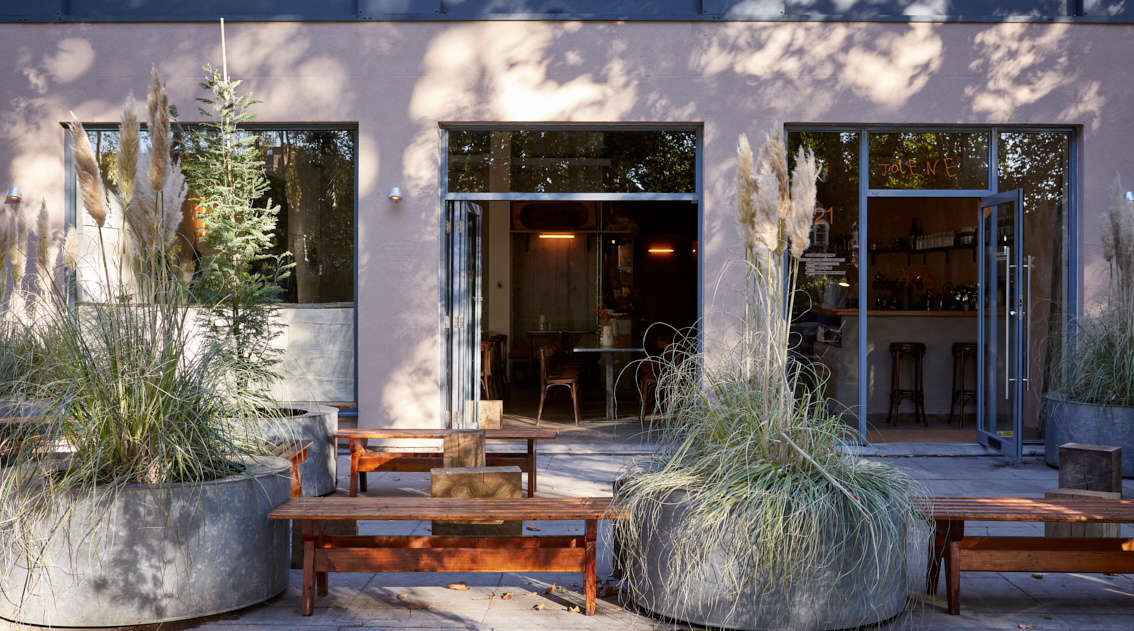

Some people plan vacations around nightlife, luxury shopping, or how many famous landmarks they can politely elbow through before lunch. Cottagecore travelers are a different species. They want mossy paths, wildflower meadows, covered porches, historic cottages, apple-scented mornings, bookshop afternoons, and the quiet thrill of seeing a chicken behave like it owns the county.
The cottagecore aesthetic is more than a social media mood board filled with linen dresses, teacups, and suspiciously photogenic bread. In travel, it means slowing down. It means choosing places where nature, history, craft, gardens, farms, and small-town charm still shape the day. The best cottagecore destinations in the U.S. are not theme parks pretending to be villages. They are real communities with old architecture, walkable streets, local food, independent shops, scenic trails, and enough atmosphere to make your camera roll look like it has been lightly dusted with fairy pollen.
Below are six U.S. destinations that deliver the cottagecore feeling beautifully, each in its own way. Some lean coastal and storybook, some are pastoral and Southern, and others feel like a New England novel accidentally became a weekend itinerary. Pack comfortable shoes, a soft sweater, and realistic expectations about how many pastries one person can eat in a day. The answer is: more than you think.
1. Carmel-by-the-Sea, California: The Storybook Village by the Pacific
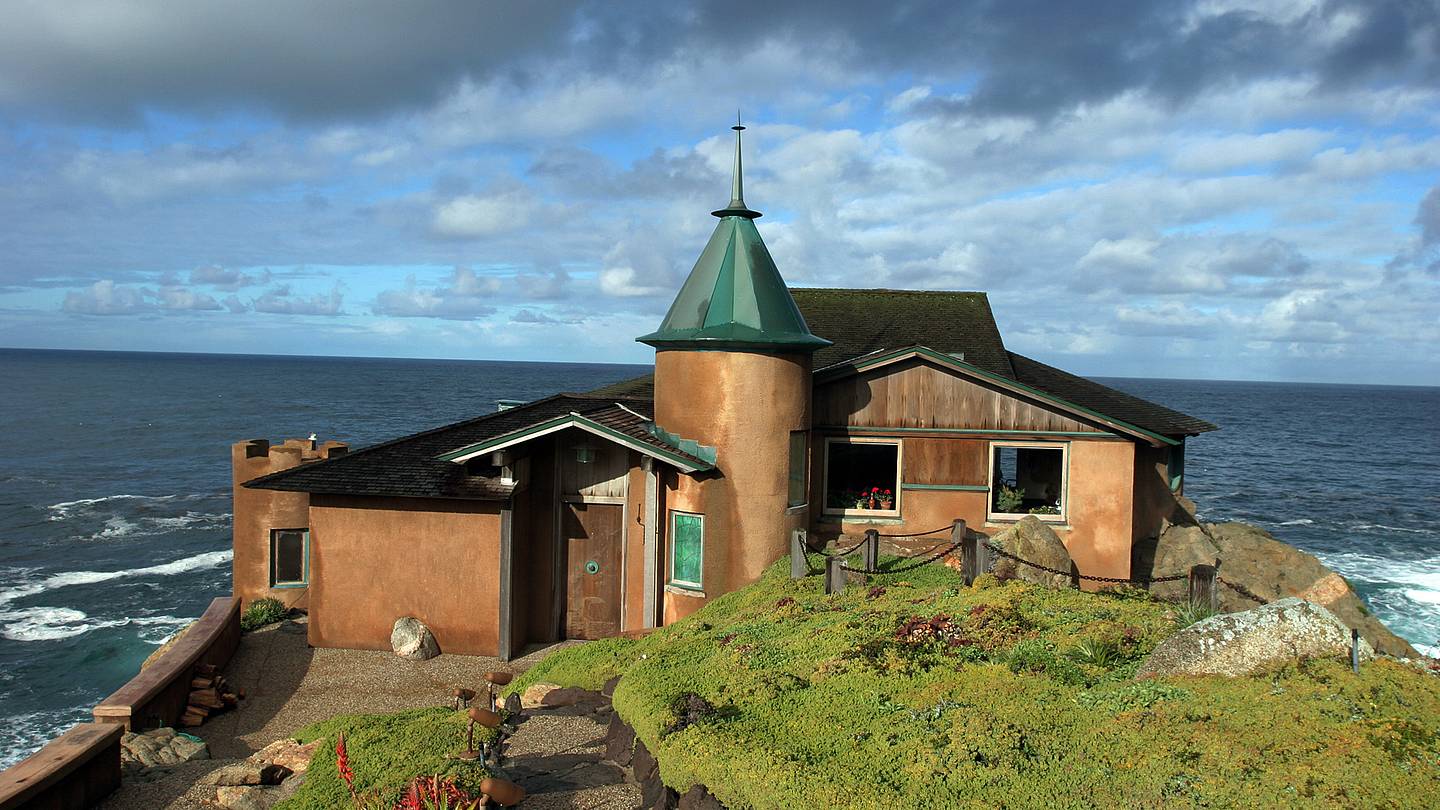
Carmel-by-the-Sea may be the closest thing America has to a fairytale village that also happens to have excellent coffee and ocean air. This compact coastal town on California’s Monterey Peninsula is famous for its walkable streets, white-sand beach, art galleries, boutique inns, courtyards, and whimsical cottages that look as if a friendly wizard got into residential architecture.
The strongest cottagecore feature here is the collection of fairytale cottages associated with builder Hugh Comstock. Their curved rooflines, uneven stonework, tiny windows, and playful proportions give the town a handmade, storybook quality. Visitors can explore the village on foot, admiring cottages from the sidewalk while remembering one crucial cottagecore rule: private homes are for admiring, not for pressing your nose against the window like a raccoon with a real estate license.
What makes it cottagecore?
Carmel blends wild natural beauty with cozy human-scale design. One moment you are wandering past flower boxes and secret passageways; the next you are standing on a windswept beach watching cypress trees frame the Pacific. The town has no need to shout. Its charm is in small details: hidden courtyards, hand-painted signs, garden gates, bakeries, bookstores, and cottages that appear to have been sketched by someone who believed straight lines were a little too bossy.
Best cottagecore things to do
Start with a self-guided walk through the village to see the fairytale cottages, then browse local galleries and independent shops downtown. Spend late afternoon at Carmel Beach, where the mood turns soft and cinematic at sunset. For a deeper nature fix, explore nearby Point Lobos State Natural Reserve or take a scenic drive along the coast. Carmel is ideal for travelers who want cottagecore with a sea breeze, a wool cardigan, and just enough elegance to justify buying a pastry “for later” and eating it immediately.
2. New Hope, Pennsylvania: River Walks, Old Streets, and Wildflowers
New Hope sits along the Delaware River in Bucks County, Pennsylvania, and it has the kind of historic, artsy, riverside charm that makes visitors slow their walking pace without being told. The town is known for its galleries, restaurants, theaters, antique shops, and easy access to the Delaware Canal towpath, a long historic trail that runs beside the canal and river.
For cottagecore travelers, New Hope offers a pleasing mix of brick sidewalks, old buildings, leafy water views, and nearby countryside. It is not isolated or sleepy; in fact, it can be lively on weekends. But beneath the bustle is a soft, romantic quality: canal paths, bridge views, old inns, and the sense that the past is still politely leaning against a fence nearby.
What makes it cottagecore?
New Hope is cottagecore for travelers who like their pastoral escape with a little theater and personality. The Delaware Canal towpath is perfect for walking or biking, especially if your dream vacation includes pretending you are in a period drama but with better snacks. Nearby Bowman’s Hill Wildflower Preserve adds meadows, native plants, creeks, and woodland trails to the itinerary, giving the area a botanical softness that fits the aesthetic beautifully.
Best cottagecore things to do
Walk the towpath in the morning, when the water is quiet and the light is gentle. Visit local shops and galleries, then cross the river to Lambertville, New Jersey, for more antiques and historic streets. Add Bowman’s Hill Wildflower Preserve if you want a slower, greener day. New Hope is especially strong as a weekend destination for travelers from Philadelphia, New York, or New Jersey who want small-town charm without needing to pack like they are joining a covered wagon expedition.
3. Leiper’s Fork, Tennessee: Pastures, Porches, and Southern Soul
Leiper’s Fork, located near Franklin and within easy reach of Nashville, is tiny in size but large in atmosphere. This village has rolling fields, rustic storefronts, local art, antique finds, front-porch energy, and the kind of relaxed pace that makes you wonder if your phone might benefit from a small vacation too.
The cottagecore appeal here is warmer and more rustic than the coastal charm of Carmel or the river-town romance of New Hope. Leiper’s Fork feels rooted in farmland, music, craft, and community. It is the kind of place where a weathered fence, a vintage sign, and a field full of grazing animals can all become part of the same travel memory.
What makes it cottagecore?
Leiper’s Fork is cottagecore with boots on. It has the ingredients: countryside roads, old buildings, small shops, galleries, local makers, and a village center that encourages wandering rather than rushing. The surrounding landscape is pastoral and open, with horse farms and quiet lanes adding to the feeling that the world has temporarily stopped demanding calendar invitations.
Best cottagecore things to do
Spend time browsing antique shops, home goods stores, and local galleries. Look for handmade pieces, vintage treasures, and artwork that feels connected to the region. Take a scenic drive through the countryside, especially in spring when everything is green or in fall when the colors turn warm and golden. If your idea of cottagecore includes music drifting from an old building, friendly conversation, and a porch that looks like it has heard a thousand good stories, Leiper’s Fork belongs near the top of your list.
4. Litchfield Hills, Connecticut: Covered Bridges and New England Calm
The Litchfield Hills region of northwestern Connecticut is practically a love letter to New England cottagecore. Rolling hills, village greens, historic homes, gardens, antique shops, country inns, and farm stands make this area feel carefully preserved without being frozen in time. It is graceful, quiet, and deeply scenicthe sort of place where even the barns seem to have good manners.
This region is not one single town but a collection of charming communities, including Litchfield, Kent, Washington, New Preston, Cornwall, and others. Together, they create an ideal cottagecore road trip. You can drive from a covered bridge to a waterfall, from an antique shop to a garden, from a white-steepled village to a cozy café, all while congratulating yourself for choosing a destination that understands the emotional importance of stone walls.
What makes it cottagecore?
Litchfield Hills excels at the essentials: countryside, heritage, gardens, inns, and seasonal beauty. In spring and summer, the area feels lush and floral. In autumn, it becomes a full New England performance, with foliage so vivid it looks like the trees are competing for a regional theater award. Historic architecture and peaceful back roads add to the impression that you have stepped into a slower, softer chapter of American travel.
Best cottagecore things to do
Explore the town of Litchfield for historic streets and local shops. Visit Kent for galleries, cafés, and access to nearby natural scenery. Seek out covered bridges in the region, browse antiques, stop at farm stands, and leave time for gardens and gentle hikes. Litchfield Hills is perfect for travelers who want a polished New England version of cottagecore: less “lost in the woods,” more “found a perfect scone after visiting a historic house.”
5. Rhinebeck, New York: Hudson Valley Elegance With Farm-Fresh Charm
Rhinebeck is one of the Hudson Valley’s most beloved small-town getaways, and for cottagecore travelers it offers a lovely balance of village charm, local food, historic sites, nearby farms, and scenic countryside. Located in Dutchess County, Rhinebeck feels refined without becoming stiff. It is walkable, attractive, and full of places that invite you to browse, linger, and say things like, “Maybe we should move here and raise heirloom tomatoes,” even if you have never successfully kept basil alive.
The Hudson Valley has long been known for historic estates, farm-to-table dining, creative communities, orchards, markets, and river landscapes. Rhinebeck packages many of those qualities into a manageable weekend destination. It is polished, yes, but still grounded in the rural beauty around it.
What makes it cottagecore?
Rhinebeck’s cottagecore appeal comes from its combination of walkable village life and surrounding pastoral scenery. You can browse an independent bookstore, visit a farmers market, explore nearby trails, and tour historic sites without feeling like you are assembling a complicated travel spreadsheet. The area’s farms, orchards, and seasonal festivals add texture, especially for travelers interested in fiber arts, local produce, flowers, and handmade goods.
Best cottagecore things to do
Begin in the village center with cafés, shops, and bookstores. Plan time for nearby historic sites such as Wilderstein or Staatsburgh, both of which add architectural drama and old-world atmosphere. Visit local markets or farms when in season, and consider a fall trip if you love crisp air, apples, sweaters, and the annual urge to photograph every tree in sight. Rhinebeck is an excellent choice for travelers who want cottagecore with a touch of Hudson Valley sophistication.
6. Highlands, North Carolina: Mountain Gardens, Waterfalls, and Cozy Escapes
Highlands, North Carolina, sits in the southern Appalachian mountains, where cool air, forested trails, waterfalls, and a charming downtown create a dreamy mountain version of the cottagecore aesthetic. This is a destination for travelers who want their cozy village experience paired with rhododendrons, misty views, and the sound of falling water.
The town is known for its natural surroundings, especially waterfalls near the Cullasaja Gorge and Nantahala National Forest. Dry Falls, one of the area’s most famous waterfalls, allows visitors to follow a trail behind the falling water. That single experience is so cottagecore it almost needs a handwritten label tied with twine.
What makes it cottagecore?
Highlands offers a mountain-garden interpretation of cottagecore. Instead of beach cottages or New England greens, you get botanical trails, mossy forest edges, native plants, cool-weather charm, and a downtown filled with shops, cafés, and galleries. The Highlands Botanical Garden adds a particularly strong nature-focused element, showcasing native plants of the southern Appalachians in a setting that feels peaceful and intimate.
Best cottagecore things to do
Visit Dry Falls for a memorable waterfall walk, then explore other nearby falls such as Glen Falls if you are comfortable with a longer hike. Spend time at the Highlands Botanical Garden, where native plants, lake views, and quiet trails create a gentle break from busier travel routines. In town, browse shops and enjoy a slow meal after a morning outdoors. Highlands is best for cottagecore travelers who like their cozy escapes with mountain weather, forest paths, and a little dramatic scenery to keep things interesting.
How to Choose the Best Cottagecore Destination for Your Travel Style
Not every cottagecore traveler wants the same thing. Some want a coastal fairytale. Others want a farm road, a mountain trail, or a New England inn where the lamps glow warmly at 5 p.m. Choosing the right destination depends on which version of the aesthetic makes you happiest.
If you want storybook architecture and ocean scenery, choose Carmel-by-the-Sea. It is the most visually fairytale-like destination on this list and ideal for photography, walking, galleries, and beach sunsets. If you prefer riverside charm and artsy energy, New Hope is your match. It offers history, canals, shops, and easy access to wildflower walks.
For rustic countryside and Southern character, Leiper’s Fork is hard to beat. It feels intimate, creative, and pastoral without trying too hard. If you want classic New England landscapes, Litchfield Hills gives you covered bridges, historic homes, farms, and autumn color. Rhinebeck is the best pick for travelers who want small-town beauty with Hudson Valley food culture, markets, books, and historic estates. Highlands is the winner for waterfall lovers, mountain gardeners, and anyone who thinks misty trails are a personality trait.
Best Seasons for Cottagecore Travel in the U.S.
Spring and fall are the strongest seasons for most cottagecore destinations. Spring brings blossoms, greener hills, garden openings, wildflowers, and softer weather. Fall brings harvest stands, golden leaves, cozy layers, and the deeply satisfying sound of walking through dry leaves like the main character in a wholesome mystery novel.
Summer works beautifully in Carmel, Highlands, and parts of New England, though popular weekends can get crowded. Winter can be magical in places like Rhinebeck, Litchfield Hills, and Leiper’s Fork, especially if you enjoy quiet streets, warm cafés, and holiday decorations. The key is to match your expectations to the season. Cottagecore travel is not about checking off attractions as fast as possible. It is about noticing texture: flowers on a fence, steam rising from a cup, old wood under your hand, fog sitting low over a field.
Bonus: of Cottagecore Travel Experiences to Add to Your Trip
The best cottagecore travel experiences are often small, sensory, and wonderfully unproductive. You do not need to conquer a destination. In fact, cottagecore travel becomes better when you stop treating your itinerary like a competitive sport. The goal is not to see everything. The goal is to feel like you have entered a softer rhythm for a few days.
Start with a morning walk before the town fully wakes up. In Carmel, that might mean wandering past cottages while the air still smells like salt and breakfast. In New Hope, it could be a quiet stroll along the towpath, with the canal on one side and old buildings on the other. In Litchfield Hills or Rhinebeck, early morning is perfect for village streets, farm stands, and the kind of light that makes every white fence look deeply philosophical.
Bring a small notebook. Yes, your phone can take notes, but a notebook feels more in character, and it will not distract you with notifications from three apps that believe everything is urgent. Write down the names of flowers you see, shops you loved, pastries you would like to emotionally remember, or overheard local phrases that make you smile. Sketch a doorway badly. Press a fallen leaf between pages if local rules allow and it is not from a protected area. The point is not perfection; the point is attention.
Choose at least one hands-on or slow experience. Browse an antique shop and look for one tiny object with a story. Visit a farmers market and build a picnic from local bread, fruit, cheese, or jam. Walk through a botanical garden and learn the names of native plants. Take a scenic drive with no strict deadline. Sit outside a café and let the town move around you. Cottagecore travel rewards patience. It is the opposite of arriving, photographing, and leaving in seven minutes like a tourist-shaped weather event.
Food is part of the experience, too. Look for bakeries, farm-to-table cafés, apple orchards, seasonal produce stands, and cozy breakfast spots. Order something local and simple. A perfect biscuit, a warm muffin, a bowl of soup, or a slice of pie can do more for the mood than a complicated meal served on a plate the size of a wagon wheel.
Finally, leave room for weather. A misty morning in Highlands, a breezy beach walk in Carmel, a golden afternoon in Leiper’s Fork, or a rainy bookshop stop in Rhinebeck can become the moment you remember most. Cottagecore is not about manufacturing perfection. It is about noticing beauty when it arrives quietly, usually wearing muddy boots and carrying flowers.
Conclusion: Finding Your Own Cottagecore Corner of America
The cottagecore aesthetic may be popular online, but the feeling behind it is timeless. Travelers have always been drawn to places where life seems a little slower, nature feels close, and beauty appears in handmade details rather than giant attractions. Carmel-by-the-Sea, New Hope, Leiper’s Fork, Litchfield Hills, Rhinebeck, and Highlands each offer a different doorway into that world.
What connects them is not a single look. It is a shared atmosphere: walkable streets, natural scenery, local character, historic texture, and a sense that the day does not need to be rushed to be memorable. These destinations invite you to browse, wander, picnic, read, hike, sip something warm, and appreciate the humble glamour of a good garden gate.
Whether you want Pacific cottages, Appalachian waterfalls, New England covered bridges, Hudson Valley markets, Tennessee pastures, or Pennsylvania river paths, the U.S. has plenty of places where cottagecore is not just an aesthetic. It is a travel style. And frankly, it is a very good excuse to pack a cardigan.