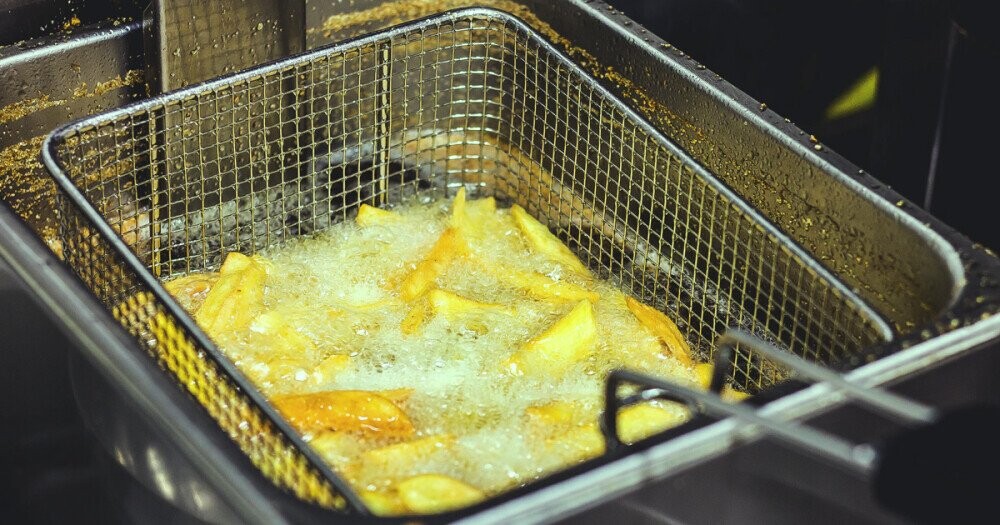

When most people hear the phrase black market, they imagine secret rooms filled with diamonds, forged passports, stolen artwork, and at least one nervous man wearing sunglasses indoors. What they probably do not picture is a truck full of old French-fry grease.
Yet the underground economy is not limited to glamorous contraband. Criminals will build an illegal trade around almost anything that is valuable, easy to steal, difficult to trace, or constantly needed. That includes laundry detergent, infant formula, beach sand, car parts, maple syrup, and plants that look like they belong on a cheerful office windowsill.
These weird black markets may sound like rejected plots from a low-budget crime comedy, but they cause real financial losses, environmental damage, safety risks, and enormous headaches for ordinary people. Here are seven bizarre examples proving that when demand exists, someone will eventually arrive with a suspicious van and a deeply questionable business plan.
1. The Black Market for Used Cooking Oil
Yesterday’s French Fries Are Tomorrow’s Criminal Revenue
Behind many restaurants sits a large container filled with used cooking oil. To the average person, it is a warm barrel of regret containing the ghosts of 4,000 chicken wings. To legitimate recycling companies, however, used cooking oil is a valuable raw material that can be processed into biodiesel and other products.
That value has attracted organized thieves. Instead of stealing televisions or jewelry, crews drive pumping trucks behind restaurants, connect hoses to collection tanks, and remove the grease before the authorized recycling company arrives. The restaurant may not immediately notice because the thieves are taking waste rather than inventory from the kitchen.
A federal indictment announced in December 2025 alleged that defendants stole or attempted to steal used restaurant oil across numerous states, including Iowa, Tennessee, Minnesota, Indiana, Ohio, Alabama, Illinois, Nebraska, Missouri, and Kentucky. Investigators said the oil could be refined into biodiesel and resold. Reporting on earlier cases noted that processed grease could command several dollars per gallon, making a truckload surprisingly profitable.
The result is a strange criminal supply chain: restaurants produce the material, licensed collectors expect to retrieve it, thieves siphon it away, and illegal middlemen sell it back into legitimate-looking fuel markets. It is essentially petroleum theft, except the petroleum smells faintly like mozzarella sticks.
2. The Underground Economy of Laundry Detergent
Clean Shirts, Dirty Money
Laundry detergent is a nearly perfect resale product. It is relatively expensive, used by almost every household, easy to recognize, and unlikely to expire while sitting in somebody’s garage. Unlike a laptop or smartphone, a bottle of detergent does not carry a serial number that allows police, retailers, or buyers to identify it as stolen.
Organized retail thieves have therefore targeted premium detergent brands for years. Stolen bottles can be sold at flea markets, through informal neighborhood networks, to dishonest retailers, or through online marketplaces. Reports have even described detergent being exchanged for drugs and other illicit goods because everybody understands its value.
This does not mean every discounted bottle being sold online came from a criminal trunk full of Tide. It does mean that bulk quantities offered at suspiciously low prices deserve skepticism. Organized retail crime depends on buyers who either do not know where merchandise came from or prefer not to ask because the bargain is excellent and their towels need attention.
The detergent market also demonstrates an important rule of illegal commerce: boring products can be more useful than luxury goods. A stolen diamond requires a specialized buyer. A stolen bottle of detergent requires a person with socks.
3. The Maple Syrup Black Market
The Stickiest Major Heist in Modern History
Maple syrup sounds like the least threatening substance ever involved in organized crime. It comes in friendly containers, lives beside pancake mix, and has never once demanded protection money from a diner.
Pure maple syrup, however, is a high-value agricultural commodity. Quebec’s maple industry has long used production controls and a strategic reserve to stabilize supplies and prices. Wherever a valuable commodity is concentrated in warehouses, criminals eventually begin rubbing their hands together.
During 2011 and 2012, thieves removed roughly 540,000 gallons of syrup from a Quebec reserve facility. The stolen product was valued at more than $13 million at the time. Barrels were emptied, replaced, moved, and routed through businesses so the syrup could be sold into ordinary distribution channels.
The operation worked because syrup is difficult to identify once transferred or blended. There is no tiny maple detective inside each bottle yelling, “This batch is stolen!” Buyers farther down the supply chain may have had no idea that their breakfast topping had participated in international commerce without completing the appropriate paperwork.
Authorities eventually recovered a substantial portion of the stolen inventory and arrested numerous suspects. Still, the Great Canadian Maple Syrup Heist remains a perfect example of how an underground market can form around something wholesome. Somewhere, a criminal accountant had to create a spreadsheet labeled “Pancake Revenue.”
4. The Illegal Trade in Sand
Yes, Criminals Will Even Steal the Ground
Sand appears to be everywhere. Deserts are full of it. Beaches provide it free of charge. Children bring half a pound of it home in their shoes after every vacation. How could a black market possibly develop around something so abundant?
The answer is construction. Sand is a fundamental ingredient in concrete, glass, roads, buildings, and land-reclamation projects. Not every kind of sand is equally suitable for industrial use, and commercially useful deposits can be limited near rapidly growing cities.
Illegal operators extract sand from rivers, coastlines, lakes, and quarries without permits or beyond authorized limits. The material can then be mixed into legal supply chains and sold to contractors. Investigations have documented criminal groups, corruption, violence, and intimidation connected to illegal sand mining in multiple countries.
The environmental consequences are serious. Removing large quantities of sand can accelerate coastal erosion, damage aquatic habitats, destabilize riverbanks, lower water tables, and leave communities more vulnerable to flooding. Unlike stolen detergent, stolen sand cannot simply be placed back on the shelf after police recover it.
The entire enterprise feels absurd until one remembers that modern cities consume gigantic quantities of construction materials. Then it becomes less absurd and more unsettling. Humanity has managed to create a world in which criminals can make money by stealing pieces of a beach and selling them to someone building luxury condominiums with an excellent beach view.
5. The Black Market for Baby Formula
A Product Parents Cannot Simply Stop Buying
Infant formula is another ordinary product with several characteristics attractive to organized thieves. It is expensive, compact, widely needed, easy to resell, and often purchased repeatedly by the same households. During shortages, desperate demand can make unofficial sellers even more appealing.
Federal and local investigations have uncovered rings that stole formula from retail stores, warehouses, and cargo shipments before reselling it through stores, wholesalers, private networks, or online platforms. One federal case involved a load of Nestlé products, including Gerber formula, with a wholesale value of approximately $376,000. Other prosecutions have involved hundreds of stolen cans shipped across state lines.
The stupidity of the crime does not make it harmless. Stolen formula may be stored in hot vehicles, damp garages, unregulated warehouses, or other unsuitable conditions. Packages can be damaged, relabeled, altered, or tampered with. Parents buying from an unknown reseller may have no reliable way to verify how the product was handled.
Baby formula theft also creates shortages on store shelves and increases costs for retailers. A discounted can offered through an anonymous seller may look like financial relief, but the buyer could be unknowingly supporting an organized retail theft network.
This is where the funny premise stops being funny. A black market built around feeding infants exploits urgency, trust, and financial pressure. Criminals are not producing a useful alternative; they are inserting themselves between families and a necessary product, then collecting a fee for making the supply chain less safe.
6. The Catalytic Converter Black Market
The Valuable Part of Your Car You Never Think About
Most drivers could not identify a catalytic converter in a lineup. They know only that their car had one yesterday and now sounds like an angry tractor preparing for battle.
Catalytic converters reduce harmful vehicle emissions and contain valuable metals such as platinum, palladium, and rhodium. Thieves crawl underneath parked vehicles, cut the devices from exhaust systems, and sell them to intermediaries. Experienced criminals can remove one in only a few minutes, while the owner may face a repair bill reaching thousands of dollars.
The market grew far beyond random individuals carrying saws. In November 2022, the Justice Department announced a nationwide takedown involving 21 charged or arrested individuals and said the United States was seeking forfeiture of more than $545 million. In a related national case, a defendant who pleaded guilty in 2025 admitted receiving more than $600 million through the resale of stolen converters to a refinery that extracted the precious metals.
The supply chain can involve street-level thieves, buyers, recycling businesses, transporters, processors, and metal refiners. By the time the metals are extracted and sold, tracing them back to a specific vehicle is extremely difficult.
This is a classic underground economy disguised as recycling. The victim loses a vital car component. The thief receives quick cash. The middlemen combine converters into larger shipments. The valuable metals reenter commerce looking respectable, while the original driver sits in a repair shop wondering why a metal cylinder they had never heard of costs more than their first car.
7. The Illegal Market for Rare Succulents
Plant Crime Has Surprisingly High Stakes
Succulents are usually associated with quiet hobbies, minimalist apartments, and handwritten signs that say, “Aloe there.” They are not the first objects anyone expects to trigger federal investigations and international smuggling prosecutions.
Rare wild succulents, however, can command high prices among collectors. That demand encourages poachers to remove plants from cliffs, parks, deserts, and protected habitats. The plants are then concealed, shipped abroad, falsely labeled, or presented as legally cultivated specimens.
One federal case involved wild Dudleya succulents taken from remote Northern California state parks for export to Asia. A defendant pleaded guilty after prosecutors said the plants involved in the wider scheme had been valued at more than $600,000. He was later sentenced to two years in federal prison.
Plant poaching can devastate populations that grow slowly and exist only in limited habitats. Removing mature specimens also reduces seed production and weakens the species’ ability to recover from drought, fire, development, and climate-related stress.
The strangest part is that buyers often want wild plants precisely because they are rare, old, unusual, or difficult to obtain. Those preferences make the plants more valuable, which encourages more poaching, which makes the plants rarer, which makes them even more valuable. It is an environmental feedback loop powered by collectors saying, “But this one has especially attractive leaves.”
Why Do Ridiculous Black Markets Keep Appearing?
Despite their differences, these illegal markets follow the same basic formula. The product has dependable demand, meaningful resale value, weak traceability, and enough legitimate commerce to hide stolen inventory.
Criminals do not need an item to be glamorous. They need it to be liquid, meaning it can be converted into cash quickly. Detergent, formula, grease, and car parts meet that requirement better than many luxury products. Buyers already understand what these goods are worth, and the items can disappear into ordinary distribution channels.
Online marketplaces have made the process even easier. A seller no longer needs a suspicious warehouse with customers entering through the back door. Stolen goods can be mixed with legitimate inventory, photographed on a kitchen table, and presented as clearance merchandise, overstock, or an unopened item that somebody “accidentally ordered twice.”
The central lesson is simple: a black market does not begin with an exotic product. It begins with a price difference, a willing buyer, and somebody deciding that laws are merely aggressive suggestions.
Experiences From the Weird World of Underground Goods
The Restaurant Owner Who Discovers the Empty Tank
Consider the experience of a restaurant manager opening the back door early in the morning. Nothing inside the kitchen is missing. The cash register is untouched. The building shows no sign of forced entry. Yet the recycling company later reports that the cooking-oil tank is empty.
The situation initially feels less like a robbery than an accounting error. Used grease is supposed to be removed, after all. Only after checking camera footage or collection records does the business realize that an unauthorized truck arrived first. The stolen material may have looked like garbage, but the legitimate collector expected to be paid for recycling it. The restaurant may also be responsible for cleaning spills or repairing damaged locks and tanks.
The Parent Facing a Suspiciously Cheap Deal
For a parent, an unofficial formula seller presents a harder decision. The packaging may appear sealed, the price may be far below retail, and the seller may claim the cans came from a wholesale club or an unwanted shipment. When household budgets are tight, the offer can feel less like participation in an illegal market and more like smart shopping.
The problem is invisible history. The buyer cannot see whether the formula spent days in excessive heat, was exposed to moisture, came from a stolen shipment, or was repackaged after damage. An underground transaction removes the retailer, manufacturer, and regulated supply chain that would normally provide accountability.
The Driver Who Hears the Crime
Catalytic converter theft creates one of the most immediate victim experiences. The driver starts the vehicle and hears a deafening roar. A crime that may have taken only a few minutes creates missed work, towing costs, insurance claims, repair delays, and anxiety about whether the replacement will be stolen again.
The absurdity adds insult to the expense. The victim did not leave a wallet on the seat or forget to lock the doors. A criminal simply removed part of the exhaust system from underneath the vehicle. Protecting against another theft may require parking changes, security cameras, protective shields, identifying marks, or other precautions that consume more time and money.
The Collector Who Learns That Rare Does Not Mean Ethical
Plant enthusiasts can encounter the illegal market without realizing it. A rare succulent appears online with dramatic coloration, an unusually old trunk, or natural weathering that cultivated plants seldom possess. The seller describes it as “field grown,” “collector sourced,” or “recently imported” while avoiding direct answers about permits and origin.
The buyer may initially feel lucky. Later, photographs of poached habitats or news of a trafficking prosecution reveal the hidden cost. The plant’s beauty came from decades in the wild, and that same age made replacement nearly impossible. Responsible collectors increasingly ask for propagation records, nursery documentation, and proof that protected specimens were legally obtained.
The Ordinary Shopper at the End of the Chain
Most people experience weird black markets indirectly. They see locked detergent cabinets, missing formula, higher insurance premiums, damaged coastlines, restricted access to rare plants, or online listings priced just low enough to silence reasonable questions.
That is why these markets survive. The final buyer rarely meets the original thief. Between them stand fences, wholesalers, transporters, processors, online accounts, and businesses that can make stolen goods appear ordinary. Each layer creates distance from the original harm.
The best defense is not paranoia but curiosity. Extremely low prices, unexplained bulk quantities, damaged packaging, vague sourcing, and sellers who refuse basic questions are warning signs. A bargain stops being a bargain when it depends on somebody else’s stolen car part, unsafe infant food, damaged ecosystem, or missing barrel of breakfast syrup.
These seven shady and stupid black markets prove that illegal commerce can grow around almost anything. Criminals do not care whether the merchandise is glamorous. If an item has demand, value, and weak traceability, someone will try to steal it, move it, and sell it with a straight face. The underground economy is not always hidden in a dark alley. Sometimes it is sitting in an online shopping cart beside a coupon code.
Note: This article discusses documented illegal markets for educational and consumer-awareness purposes. It does not provide instructions for buying, selling, stealing, or trafficking prohibited goods.