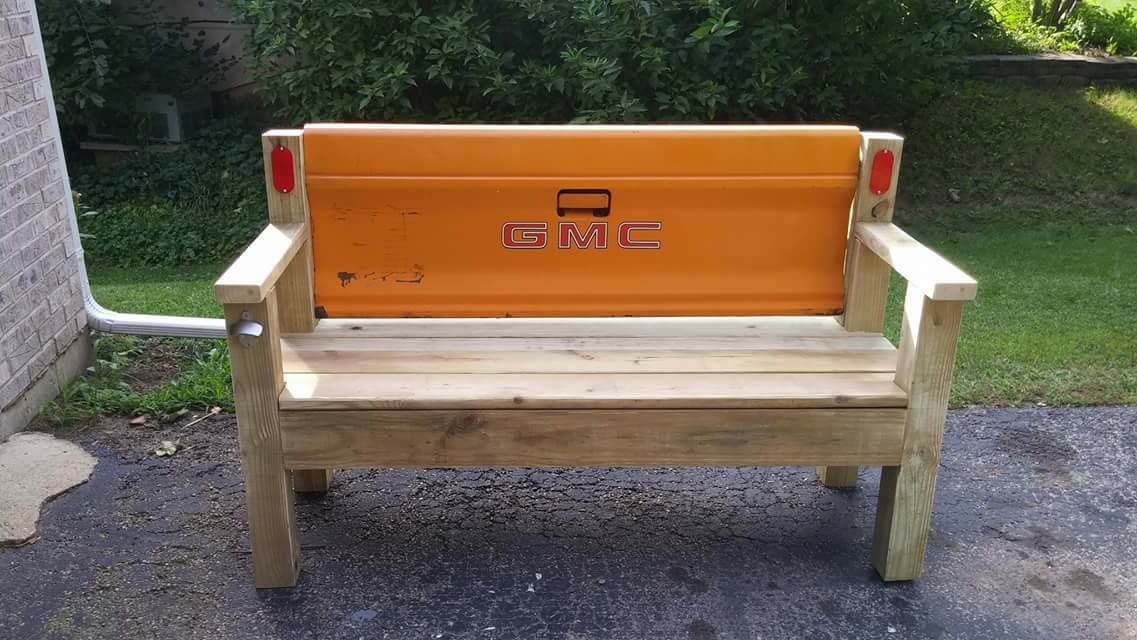

Walk into almost any lumber aisle, and the humble 2×4 will be standing there like the dependable friend who owns a pickup truck. It is affordable, widely available, easy to cut, and strong enough for everything from workbenches to outdoor sofas. Add 2x6s, 2x8s, 4×4 posts, and a little plywood, and your project possibilities become almost suspiciously endless.
This guide explores more than 75 things to build with 2x4s and other structural lumber. Some are quick scrap-wood projects that can be completed in an afternoon. Others are ambitious weekend builds involving joinery, careful measurements, and at least one moment when you stare at a board and ask, “How did I cut that twice and it is still too short?”
Whether you need furniture, garage organization, garden structures, pet accessories, or an excuse to buy another clamp, these DIY lumber project ideas offer plenty of inspiration.
Why Structural Lumber Is So Useful for DIY Projects
Construction lumber is designed to create sturdy frameworks, which makes it a natural choice for practical DIY furniture and utility projects. A basic rectangular frame made from 2x4s can become a bench, table, shelving unit, planter, bed, or workshop cart simply by changing its dimensions and adding the right surface material.
Structural lumber is also forgiving. Small knots and cosmetic imperfections can enhance rustic furniture, while careful sanding, edge rounding, paint, or stain can make ordinary framing boards look far more polished. You do not need a cabinetmaker’s collection of hardwoods to build something attractive and useful.
Choose the Straightest Boards You Can Find
Look down the length of each board before placing it on your cart. Avoid severe twisting, bowing, deep cracks, loose knots, and damaged edges. For furniture, select dry, straight boards with relatively clean faces. Outdoor structures may use pressure-treated lumber or naturally weather-resistant species when appropriate.
Measure the Lumber You Actually Bought
Lumber names are nominal rather than exact finished dimensions. Measure your boards before designing tight-fitting joints, shelves, slats, or panels. A few minutes with a tape measure can prevent a project from developing mysterious gaps later.
Match the Lumber to the Location
Indoor furniture can usually be built from kiln-dried framing lumber. Outdoor furniture, raised beds, pergolas, and exposed structures need lumber, fasteners, and finishes suitable for moisture and changing weather. Do not use untreated indoor lumber outdoors and then act surprised when nature begins remodeling it.
80 Things to Build with 2x4s and Structural Lumber
Indoor Furniture Projects
- Farmhouse dining table: Build a thick framed base and add a planked 2×6 or 2×8 tabletop.
- Dining bench: Match your table with a simple bench supported by sturdy 2×4 legs and stretchers.
- Coffee table: Create a chunky rectangular frame with a lower shelf for baskets, books, or remotes.
- Console table: Use narrow framing and a long top to fill an entryway or an empty wall.
- Rustic end table: Turn short 2×4 offcuts into legs, rails, and a compact planked top.
- Sofa table: Build a slim table that sits behind a couch and holds lamps or charging stations.
- TV stand: Combine a structural frame with plywood shelves, doors, or open media compartments.
- Platform bed: Use 2×4 rails and supports to create a strong base beneath a mattress.
- Upholstered headboard frame: Build the hidden structure from framing lumber before adding foam and fabric.
- Daybed: Construct a deep bench-style frame that works as seating during the day and a bed at night.
- Reading chair: Shape wide armrests and a supportive frame from carefully selected construction lumber.
- Storage ottoman: Make a compact 2×4 base and cover it with plywood, cushioning, and durable upholstery.
Shelves and Household Storage
- Freestanding bookshelf: Use 2×4 uprights with plywood or solid-lumber shelves.
- Ladder shelf: Angle two side frames and install increasingly shallow shelves from bottom to top.
- Entryway bench: Combine seating, shoe storage, coat hooks, and a shelf in one practical unit.
- Mudroom locker: Frame individual cubbies for coats, backpacks, sports gear, and everyday clutter.
- Shoe rack: Build slatted shelves that allow dirt and moisture to fall through instead of collecting.
- Blanket ladder: Connect two rails with several rounded rungs for lightweight textile storage.
- Firewood rack: Create an elevated frame that keeps firewood stacked neatly and away from damp floors.
- Pantry shelving: Use 2×4 framing to support deep shelves for appliances, cans, and bulk supplies.
- Laundry folding station: Build a waist-high frame with a broad top and baskets underneath.
- Rolling kitchen island: Add locking casters, shelves, hooks, and a food-safe work surface.
- Bathroom storage tower: Create a narrow open shelf for towels, baskets, and toiletries.
- Under-stair storage frame: Build custom supports for drawers, cabinets, or pull-out storage bins.
Workshop and Garage Projects
- Heavy-duty workbench: Build a rigid 2×4 base and top it with plywood, MDF, or laminated boards.
- Mobile tool stand: Create a rolling frame for a planer, benchtop drill press, grinder, or small saw.
- Miter saw station: Add long side supports so boards remain level while you make repeatable crosscuts.
- Assembly table: Build a large, flat surface for gluing, clamping, sanding, and project layout.
- Sawhorses: Turn a handful of boards into dependable supports for cutting lumber or holding temporary worktops.
- Lumber rack: Attach horizontal arms to reinforced vertical supports for organized board storage.
- Sheet-goods cart: Build an angled mobile rack for plywood, hardboard, and large panel offcuts.
- Clamp rack: Mount short 2×4 arms or slotted supports to keep clamps visible and accessible.
- Garden-tool organizer: Create a wall-mounted rack for shovels, rakes, hoes, and trimmers.
- Garage storage shelves: Combine 2×4 frames with plywood decks for bins, tools, and seasonal equipment.
- Rolling scrap-wood cart: Divide a mobile frame into sections for long boards, strips, and small offcuts.
- Fold-down worktable: Hinge a framed top to the wall so it can disappear when floor space is needed.
Outdoor Furniture and Entertainment
- Outdoor sofa: Build a deep, durable frame sized around readily available patio cushions.
- Modular sectional: Make matching one-arm, armless, and corner units that can be rearranged.
- Garden bench: Create a simple slatted seat with broad legs and comfortable back support.
- Japanese-inspired bench: Combine clean horizontal lines with gently angled legs or supports.
- Adirondack chair: Use thicker lumber for a substantial version of this relaxed outdoor classic.
- Outdoor loveseat: Scale a sofa frame down for balconies, porches, and compact patios.
- Picnic table: Build an all-in-one outdoor dining surface with attached benches.
- Hexagonal picnic table: Create a social centerpiece with seating arranged around multiple sides.
- Patio dining table: Use a strong base and a slatted top that allows rainwater to drain.
- Outdoor bar: Add shelves, a serving counter, and optional space for a cooler.
- Rolling cooler cart: Frame an insulated cooler and add a drain, handles, storage, and casters.
- Grill table: Build a prep surface with shelves for trays, utensils, charcoal, or propane accessories.
- Porch swing: Construct a reinforced seat and suspend it only from properly rated structural supports.
- Hammock stand: Use heavy structural lumber and appropriate hardware for a stable freestanding frame.
Garden and Landscaping Structures
- Raised garden bed: Frame a deep planting area for vegetables, flowers, herbs, or strawberries.
- Rolling planter box: Add casters so heavy plants can be repositioned for sunlight or weather protection.
- Tiered planter: Stack planting boxes at different heights to improve visibility and growing space.
- Potting bench: Create a slatted worktop with lower storage for soil, pots, and hand tools.
- Garden arbor: Connect posts, beams, and lattice to support climbing roses or vines.
- Pergola: Use 4×4 or larger posts with beams and rafters to define an outdoor room.
- Trellis: Build a simple framed grid for peas, cucumbers, clematis, or decorative vines.
- Compost-bin frame: Create removable slats or hinged panels that make turning compost easier.
- Garden gate: Use diagonal bracing to help a framed gate resist sagging.
- Landscape bridge: Build a decorative crossing for a dry creek, pond edge, or garden path.
- Outdoor privacy screen: Attach horizontal or vertical slats to framed panels around a patio.
Projects for Children, Pets, and Backyard Fun
- Kids’ activity table: Build a low table for crafts, blocks, puzzles, and enthusiastic crayon experiments.
- Kids’ desk: Combine a small 2×4 frame with a smooth plywood writing surface.
- Toy storage bench: Add bins or a hinged compartment beneath a child-height seat.
- Playhouse frame: Use structural lumber for the walls, floor, roof, and porch framework.
- Sandbox: Build a broad square frame with corner seats and an optional protective cover.
- Backyard balance beam: Mount a wide board close to the ground on stable supports.
- Cornhole boards: Reinforce plywood playing surfaces with strong, lightweight frames.
- Ladder-toss game: Build freestanding targets and use soft, safely made throwing pieces.
- Soccer rebounder: Stretch durable netting across an angled wooden frame for solo practice.
- Dog bed frame: Build a raised platform sized around a washable pet cushion.
- Dog-feeding station: Create a stable stand that holds food and water bowls at a convenient height.
Utility Structures and Creative Builds
- Kayak or paddleboard rack: Use padded horizontal arms to store watercraft securely off the ground.
- Bike rack: Create evenly spaced slots that keep bicycles upright and organized.
- Trash-can enclosure: Frame ventilated panels that conceal outdoor garbage and recycling containers.
- Generator shelter: Build a code-compliant ventilated enclosure that does not restrict exhaust or maintenance access.
- Firewood shed: Create an elevated floor, open sides, and a sloped roof for airflow and rain protection.
- Chicken-coop frame: Use structural lumber for the walls, roof, nesting area, and protected run.
- Freestanding room divider: Fill a sturdy frame with slats, fabric, lattice, or decorative panels.
- Seasonal display stand: Build a reusable frame for pumpkins, holiday decorations, signs, or market products.
How to Get Better Results from Ordinary Framing Lumber
Let the Boards Acclimate
Bring indoor-project lumber into a dry, protected area before building. Stack it flat with small spacers between layers so air can circulate. Construction lumber that is still damp may shrink, twist, or open gaps after assembly.
Create a Cut List Before Starting
A written cut list reduces waste and helps you group identical parts. Label components such as legs, rails, stretchers, slats, and braces. Cut matching pieces together with a stop block whenever possible. Four legs intended to be identical should not merely have similar personalities.
Use the Right Joint
Basic butt joints with glue and screws work for many utility projects. Pocket-hole joints can hide fasteners and simplify furniture assembly. Half-lap joints add strength to intersecting frames, while diagonal braces reduce racking in gates, shelves, tables, and outdoor structures.
Pre-Drill Near Board Ends
Driving large screws close to an unsupported end can split softwood. Pilot holes and countersinks reduce that risk and help screw heads sit neatly below the surface. Exterior projects should use corrosion-resistant fasteners compatible with the lumber and hardware.
Improve the Edges
Framing lumber becomes much more furniture-friendly after sanding and edge treatment. A router with a round-over bit can soften sharp corners quickly, but sandpaper wrapped around a block also works. Fill unwanted holes, remove splinters, and pay special attention to areas that hands or legs will touch.
Finish for the Environment
Paint can hide mismatched boards and create a clean, modern appearance. Stain emphasizes grain but also highlights sanding mistakes, glue residue, and filler. Outdoor projects need an exterior-rated coating and regular maintenance. Even the best finish is not a magical force field, despite what the label’s heroic language may suggest.
Practical Experience: What Building with 2x4s Really Teaches You
The practical experience many DIY builders share begins in the lumber aisle. At first, every 2×4 appears reasonably straight. Then you place one on the floor and discover it has ambitions of becoming a rocking chair. Learning to inspect each board is therefore the first major lesson. Sight along the edges, rotate the board, check both faces, and reject pieces with severe twists or cracks. Choosing lumber carefully saves far more time than forcing warped pieces into alignment later.
The second lesson usually arrives during layout: plans are useful, but the actual project controls the final dimensions. Cushions differ, walls are rarely perfectly square, storage bins have inconvenient handles, and workshop floors may slope toward a drain. Successful builders measure the real location and the real components before cutting. When constructing an outdoor sofa, for example, buying the cushions first is usually wiser than building a beautiful frame and then discovering that no cushion on Earth fits it.
Another common experience involves screws. New builders often assume that more screws automatically create a stronger joint. Sometimes they create a perforated board instead. Strength comes from good contact between parts, correct fastener placement, suitable screw length, glue where appropriate, and a design that directs weight into the frame. Clamps help hold pieces flush while fasteners are driven. A temporary diagonal measurement can also confirm whether a rectangular frame is square before the glue begins making permanent decisions.
Sanding produces its own education. Rough structural lumber may look acceptable from across the garage, but a hand sliding across it will locate every splinter with scientific precision. Sand progressively, soften exposed corners, and remove dust before finishing. If the project will be painted, a stain-blocking primer can help manage knots and uneven absorption. If it will be stained, test the complete finishing system on an offcut first. The small sample board is cheaper than discovering that “Warm Chestnut” becomes “Unexpected Orange” across an entire dining table.
Builders also learn that a simple project finished well often looks better than a complicated project rushed at the end. A square bench with consistent gaps, smooth edges, and an even coating can appear professional. An elaborate table with glue stains, uneven legs, and visible layout marks looks like it escaped during construction.
Finally, working with 2x4s teaches adaptability. Offcuts become braces, blocks, jigs, handles, feet, or test pieces. A workbench design can be shortened into a potting table. An outdoor sofa frame can become a daybed. A shelving unit can gain casters and turn into a shop cart. Structural lumber rewards experimentation because its basic shapes are easy to understand and modify. The more projects you complete, the more often you stop seeing “a pile of boards” and start seeing frames, supports, surfaces, and solutions waiting to be assembled.
Conclusion
There is a reason 2×4 lumber appears in workshops, garages, gardens, and half-finished weekend projects across the country. It is versatile enough for beginners, strong enough for demanding builds, and inexpensive enough to encourage experimentation. Start with a workbench, planter, bench, or storage shelf. As your skills improve, move on to beds, sectionals, pergolas, playhouses, and custom outdoor structures.
The best project is not necessarily the most complicated one. It is the project that solves a real problem, fits its location, remains stable, and makes you smile whenever someone asks where you bought it.