
Editor’s note: This publish-ready buying guide is based on real product information, expert testing patterns, manufacturer specifications, and hands-on kitchen performance criteria commonly used to evaluate Japanese knives.
Why Japanese Knives Deserve the Hype
Japanese knives have a way of making ordinary kitchen prep feel slightly more dramaticin the best possible way. One minute you are chopping carrots for soup; the next, you are slicing with the focus of a sushi chef in a quiet Tokyo kitchen. That is the charm of a well-made Japanese knife: it turns everyday cooking into something cleaner, faster, and a little more elegant.
The best Japanese knives of 2024 are loved for thin blades, sharp edges, refined balance, and impressive precision. Compared with many German-style knives, Japanese knives are typically lighter and harder, which helps them create thin, clean cuts through vegetables, herbs, fish, and boneless meats. They are not indestructible kitchen crowbars, though. A Japanese chef’s knife is not the tool for hacking through frozen food, bones, or that mysterious brick of cheese hiding in the back of the fridge.
For this guide, we focus on eight standout Japanese knives that fit different cooking styles: chef’s knives, gyuto knives, santoku knives, boning knives, and vegetable-friendly blades. Whether you are a beginner upgrading from a dull supermarket knife or a serious home cook ready for a blade with personality, these picks offer sharpness, comfort, edge retention, and real-world usefulness.
Quick Comparison: Best Japanese Knives of 2024
| Rank | Knife | Best For | Blade Length | Key Strength |
|---|---|---|---|---|
| 1 | Shun Classic 8-Inch Western Cook’s Knife | Best Overall | 8 inches | Elegant balance and edge retention |
| 2 | Global 8-Inch Chef’s Knife | Best Value | 8 inches | Lightweight stainless-steel design |
| 3 | KUMA Damascus 8-Inch Chef’s Knife | Best for Beginners | 8 inches | Sturdy feel and approachable handling |
| 4 | Miyabi Birchwood Chef’s Knife | Longest Lasting | About 8 inches | Premium SG2 steel and refined edge |
| 5 | Shun Classic 6-Inch Boning & Fillet Knife | Best Boning Knife | 6 inches | Nimble protein prep |
| 6 | Tojiro Gyutou Knife, 9.4-Inch | Best Gyuto | 9.4 inches | Long, versatile slicing blade |
| 7 | Masamoto Japanese Santoku Knife, 6.5-Inch | Best Santoku | 6.5 inches | Compact all-purpose control |
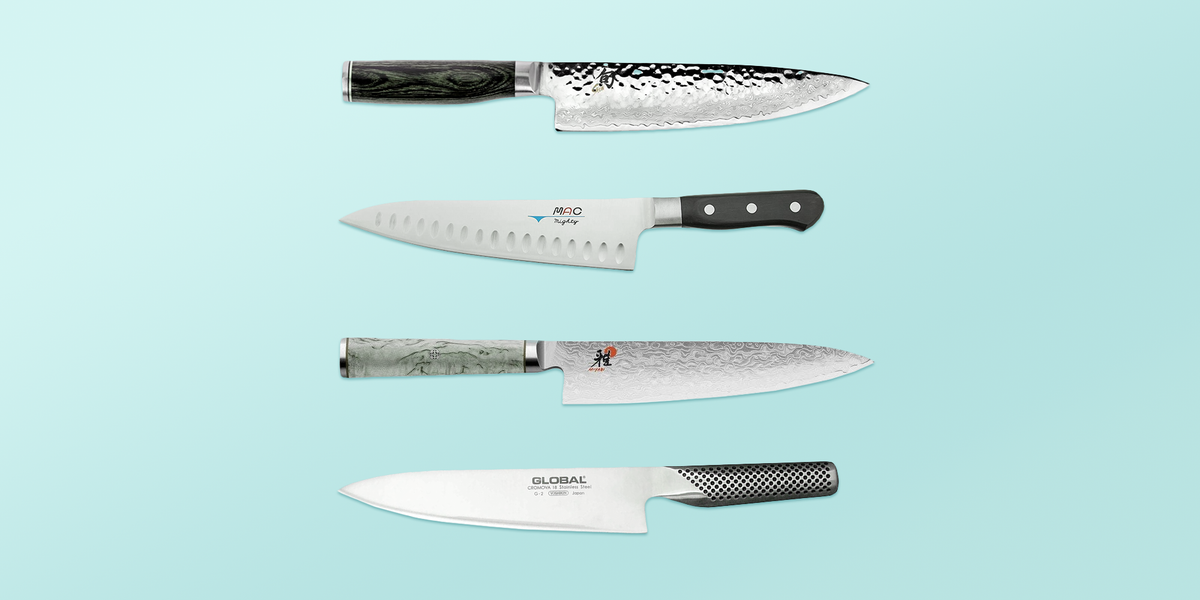
| 8 | MAC Professional Series 8-Inch Chef’s Knife | Best for Vegetables | About 8 inches | Thin blade with food-release dimples |
1. Shun Classic 8-Inch Western Cook’s Knife: Best Overall Japanese Knife
The Shun Classic 8-Inch Western Cook’s Knife is the kind of blade that makes you understand why people become “knife people.” It looks beautiful without feeling like a fragile museum piece, and it performs with the confident sharpness home cooks want from a premium Japanese knife.
Why it stands out
This knife uses Shun’s VG-MAX steel with Damascus cladding and an ebony-colored Pakkawood handle. In practical terms, that means it is sharp, attractive, and comfortable enough for regular dinner prep. It is light enough for precise vegetable slicing but sturdy enough for boneless meat and everyday chopping.
Best for
Choose this knife if you want one premium Japanese chef’s knife that can handle most daily tasks: onions, herbs, tomatoes, chicken breast, fruit, and delicate garnishes. It is a great fit for cooks who care about both performance and presentation.
Potential drawback
Like many thin Japanese knives, the edge can chip if abused. Do not twist it through squash stems, frozen food, bones, or hard pits. Treat it like a precision tool, not a tiny sword from a kitchen-themed action movie.
2. Global 8-Inch Chef’s Knife: Best Value Japanese Knife
The Global 8-Inch Chef’s Knife is instantly recognizable thanks to its seamless stainless-steel design. It looks modern, feels lightweight, and offers strong performance without the luxury-price drama of some handmade Japanese blades.
Why it stands out
Global knives are made from a single-piece stainless-steel construction with a dimpled handle. The handle is designed for grip and balance, while the blade is thin enough for precise slicing. Its all-metal design also makes it easy to clean, though it may feel different if you are used to wood or composite handles.
Best for
This is a smart pick for cooks who want a reliable Japanese-style chef’s knife that is sharp, practical, and relatively easy to maintain. It works well for slicing meat, chopping vegetables, and handling weeknight meal prep.
Potential drawback
The handle shape is not for everyone. Some cooks love the sleek, balanced feel; others prefer the warmth and contour of Pakkawood or traditional Japanese handles. If possible, hold one before buying.
3. KUMA Damascus 8-Inch Chef’s Knife: Best Japanese Knife for Beginners
The KUMA Damascus 8-Inch Chef’s Knife is a friendly entry point for cooks who want Japanese-inspired sharpness but are not ready to baby a delicate blade like it is a newborn kitten wearing silk pajamas.
Why it stands out
The blade features 67 layers of high-carbon Damascus steel and a 2.5 mm thickness, giving it a sturdy feel while still allowing for clean cuts. It has a full-tang construction and a comfortable handle, which makes the knife feel familiar for people coming from Western-style chef’s knives.
Best for
This knife is ideal for beginners who want an attractive, capable chef’s knife for vegetables, boneless meats, fruit, and general prep. It feels reassuring in the hand, and that matters. A knife that feels awkward will sit in the drawer while your old dull blade continues its reign of tomato destruction.
Potential drawback
Because it has a slightly more Western-style feel, it may not satisfy cooks looking for a traditional Japanese wa-handle experience. Still, for many home kitchens, that hybrid comfort is a benefit.
4. Miyabi Birchwood Chef’s Knife: Longest-Lasting Japanese Knife
The Miyabi Birchwood Chef’s Knife is the premium pick for cooks who want craftsmanship, beauty, and performance in one very photogenic package. It is the knife equivalent of a luxury sports car that can also help you dice onions without making a scene.
Why it stands out
The blade uses SG2 micro-carbide powder steel protected by a 100-layer flower Damascus pattern. It is hand-honed with a traditional Honbazuke process and has a thin Japanese blade profile. The Karelian birch handle is visually striking, and the overall balance feels refined.
Best for
This knife is best for serious home cooks who want excellent edge retention and a premium cutting experience. It shines with precise vegetable work, thin protein slices, and delicate prep where a sharp, controlled blade makes a visible difference.
Potential drawback
The handle may feel slim for some users, and the price is firmly in premium territory. If you regularly toss knives in a sink full of pans, this is not your match. This knife wants care, drying, and a proper storage spot.
5. Shun Classic 6-Inch Boning & Fillet Knife: Best Japanese Boning Knife
The Shun Classic 6-Inch Boning & Fillet Knife is built for more specialized work. It is not the knife you reach for to chop a mountain of potatoes. It is the blade you want when trimming meat, working around fish bones, or making clean protein cuts with long, controlled strokes.
Why it stands out
This knife uses VG-MAX steel with Damascus cladding and a Pakkawood handle. Its curved blade helps glide along fish and poultry, while the narrow profile gives it the agility needed for detailed trimming.
Best for
Choose this knife if you regularly prepare fish, chicken, pork tenderloin, or other proteins that require careful trimming. It is especially useful for cooks who already own a chef’s knife and want to add a task-specific Japanese knife to their collection.
Potential drawback
At 6 inches, it can feel small for larger cuts of meat. It is nimble, not massive. Think precision scalpel, not backyard barbecue machete.
6. Tojiro Gyutou Knife, 9.4-Inch: Best Japanese Gyuto Knife
The Tojiro Gyutou Knife is a long, versatile Japanese chef’s knife designed for cooks who like smooth slicing and efficient prep. A gyuto is often described as the Japanese answer to the Western chef’s knife, but it usually feels thinner, sharper, and more agile.
Why it stands out
This 9.4-inch blade gives you extra length for slicing meat, cutting large vegetables, and moving quickly through prep work. The slightly rounded blade supports a rocking motion, while the thinner Japanese profile helps with cleaner cuts.
Best for
This knife is best for cooks who prep larger ingredients or prefer a longer blade. It is excellent for slicing roasts, breaking down large vegetables, and handling fruit, fish, and boneless meats.
Potential drawback
The long blade may feel oversized for small hands, compact kitchens, or tiny tasks like deveining shrimp. If your cutting board is the size of a postcard, this knife may feel like it needs its own parking space.
7. Masamoto Japanese Santoku Knife, 6.5-Inch: Best Japanese Santoku Knife
The Masamoto Japanese Santoku Knife is a compact, all-purpose blade that works beautifully for home cooks who prefer control over length. Santoku means “three virtues,” commonly associated with slicing, dicing, and chopping. In other words, it is the overachiever of the knife block.
Why it stands out
A santoku has a shorter blade and a less pointed tip than many gyuto or chef’s knives. That shape helps with push cuts, vegetable prep, herbs, and everyday chopping. At 6.5 inches, the Masamoto feels manageable and quick.
Best for
This knife is ideal for cooks who mostly prepare vegetables, boneless proteins, herbs, and smaller ingredients. It is also a smart option for users with smaller hands or anyone who finds an 8-inch chef’s knife a little too dramatic before coffee.
Potential drawback
The straight handle may not feel as ergonomic for every grip style. Also, santoku knives are not designed for heavy rocking like some Western chef’s knives, so cooks who love a pronounced rocking motion may prefer a gyuto.
8. MAC Professional Series 8-Inch Chef’s Knife: Best Japanese Knife for Vegetables
The MAC Professional Series 8-Inch Chef’s Knife, often known as the MTH-80, has earned a loyal following for a reason. It is thin, light, agile, and genuinely enjoyable for vegetable prep. If onions, potatoes, apples, summer squash, and tomatoes are regular guests in your kitchen, this knife deserves attention.
Why it stands out
The blade is about 2.5 mm thick and includes dimples near the edge to help release sticky foods. That makes it especially useful for ingredients that cling to the blade, such as potatoes or apples. It has a Pakkawood handle and a lightweight feel that encourages clean, controlled cuts.
Best for
This is a top choice for cooks who chop vegetables daily and want a Japanese-style knife that feels fast and responsive. It can handle plenty of general chef’s knife work, but its vegetable performance is where it really shines.
Potential drawback
The MAC requires careful washing and drying. Do not leave it wet in the sink. That is not “resting”; that is how rust and sadness enter the kitchen.
How to Choose the Best Japanese Knife for Your Kitchen
Choose the right blade style
If you want one do-it-all knife, start with a gyuto, chef’s knife, or santoku. A gyuto is great for longer slicing and all-purpose prep. A santoku feels shorter and more controlled. A boning or fillet knife is best as a second or third knife for protein prep.
Think about steel type
Stainless steel is easier to maintain and resists rust. Carbon steel can sharpen beautifully but needs more care. Damascus cladding often adds beauty and structure, but it is not a single steel type by itself. Always check the core steel and maintenance instructions.
Handle comfort matters
A knife can have the sharpest blade in the world, but if the handle feels weird, you will avoid using it. Consider whether you prefer a Western handle, a seamless stainless-steel handle, or a traditional Japanese-style handle.
Match the knife to your cutting habits
If you rock-chop herbs and garlic, look for a slightly curved belly. If you push-cut vegetables, a santoku or nakiri-style profile may feel more natural. If you slice proteins often, a longer gyuto can make prep faster and cleaner.
Japanese Knife Care Tips
A Japanese knife can last for years, but it needs respectful care. Hand-wash it immediately after use, dry it completely, and store it in a knife block, sheath, magnetic strip, or drawer insert. Never put a Japanese knife in the dishwasher. The dishwasher is where fine edges go to question their life choices.
Use a wood or rubber cutting board instead of glass, marble, or ceramic. Hard surfaces can damage the edge quickly. Avoid cutting bones, frozen food, hard pits, and dense squash stems unless the knife is specifically designed for that kind of abuse.
Sharpening also matters. Many Japanese knives use finer edge angles than German-style knives, so use the right sharpening stone, guided system, or professional sharpener. Honing can help maintain the edge, but it does not replace sharpening forever.
Hands-On Experience: What Using These Japanese Knives Feels Like in Real Kitchens
Using a good Japanese knife changes the rhythm of cooking. With a dull knife, prep feels like a wrestling match between you and a carrot. With a sharp Japanese blade, the knife moves through ingredients with less pressure, which makes the task feel smoother and safer. The first thing most people notice is not just sharpness; it is control. A thin blade lets you cut onions evenly, shave herbs instead of bruising them, and slice tomatoes without turning them into soup.
In everyday cooking, the Shun Classic feels like the elegant all-rounder. It is the knife you reach for when you want dinner prep to feel polished. It handles onions, peppers, herbs, chicken breast, and fruit with confidence. The Global, by contrast, feels modern and quick. Its stainless-steel handle gives it a very different personalityalmost like a professional tool from a minimalist test kitchen. Some cooks love that clean feel; others miss the warmth of wood.
The KUMA is a comfortable bridge for beginners. It does not feel intimidating, and that matters more than many buying guides admit. A beginner-friendly knife should encourage better technique, not make the user nervous. The Miyabi Birchwood, meanwhile, feels special every time it leaves the block. It is sharp, beautiful, and precise, but it also reminds you to slow down and take care of it properly. This is not the knife to abandon near a wet sponge while you answer a text.
The Tojiro gyuto is excellent when you want longer slicing strokes. It makes sense for cooks who prep large vegetables, cut bigger pieces of meat, or prefer the efficiency of a longer blade. The Masamoto santoku is more compact and controlled, especially for vegetable-heavy meals. If you cook in a small apartment kitchen or prefer a shorter blade, a santoku can feel more natural than a full-size chef’s knife.
The Shun boning and fillet knife proves that not every great knife needs to be an all-purpose tool. It is made for detailed protein work, and when used correctly, it makes trimming and filleting feel cleaner. The MAC MTH-80 is the vegetable lover’s workhorse. Its thin blade and food-release dimples are useful during repetitive prep, especially with sticky ingredients. After a week of serious cooking, the practical lesson is simple: the best Japanese knife is not always the most expensive one. It is the one that fits your hand, your food, and your willingness to care for it.
For most home cooks, the smartest path is to buy one excellent all-purpose Japanese knife first. Choose the Shun Classic for premium balance, the Global for value and low-maintenance stainless construction, the KUMA for beginner confidence, or the MAC for vegetable-heavy prep. Add specialty knives later only if your cooking demands them. Your knife drawer does not need to look like a samurai armory. It just needs the right blade for the meals you actually make.
Final Verdict
The best Japanese knife of 2024 depends on how you cook. For most people, the Shun Classic 8-Inch Western Cook’s Knife is the best overall choice because it combines sharpness, balance, beauty, and versatility. The Global 8-Inch Chef’s Knife is a strong value pick, while the MAC Professional Series 8-Inch Chef’s Knife is a standout for vegetable prep. Beginners should consider the KUMA Damascus 8-Inch Chef’s Knife, and serious enthusiasts may fall hard for the Miyabi Birchwood.
Japanese knives reward good technique and proper care. Treat them well, and they will make your cooking cleaner, faster, and more enjoyable. Treat them badly, and they will chip, rust, or silently judge you from the cutting board. Choose wisely, wash by hand, dry immediately, and enjoy the satisfying sound of a truly sharp blade doing its job.
SEO Tags