
Your skeleton deserves more appreciation. It supports every step, protects vital organs, stores important minerals, and somehow tolerates years of questionation only after a fracture, a bone-density scan, or an alarming sound from someone’s knee while standing up.
Bones are living tissues that continuously break down and rebuild. During childhood and adolescence, the body generally creates bone faster than it removes it. Later in life, that balance can shift, gradually reducing bone mass and increasing the risk of osteoporosis and fractures.
The good news is that healthy bones are not maintained by one miracle food, expensive powder, or heroic weekend workout. They benefit from consistent nutrition, appropriate exercise, safer daily habits, and preventive medical care. The following eight tips explain how to maintain healthy bones at every stage of life without turning your routine into a full-time science project.
Why Bone Health Matters at Every Age
Osteoporosis is often called a silent disease because bone loss usually does not produce obvious symptoms. A person may feel perfectly well until a minor fall, awkward movement, or everyday activity causes a fracture. The hips, wrists, and vertebrae of the spine are especially vulnerable.
Although osteoporosis becomes more common with age, bone health is not merely an “older person problem.” Childhood, adolescence, and early adulthood are important years for building bone mass. Later, the goal gradually changes from building the strongest possible skeleton to slowing bone loss, maintaining muscle, and preventing falls.
Genetics, age, hormones, medical conditions, and certain medications can influence bone strength. However, everyday choices still matter. Nutrition, physical activity, tobacco use, alcohol consumption, body weight, and fall prevention can all affect long-term skeletal health.
1. Get Enough Calcium, Preferably From Food
Calcium is one of the main minerals stored in bones. It also supports muscle contraction, nerve signaling, blood clotting, and normal heart function. When dietary calcium is insufficient, the body may pull calcium from the skeleton to keep these other systems operating. Your body is practical that way, even when its solution is not ideal for your future hips.
How Much Calcium Do Adults Need?
Most adults ages 19 through 50 need about 1,000 milligrams of calcium per day. Women ages 51 through 70 generally need 1,200 milligrams, while men in that age range usually need 1,000 milligrams. Adults age 71 and older generally need 1,200 milligrams daily.
Choose Calcium-Rich Foods
Food should usually be the first source of calcium because calcium-rich foods also provide protein and other nutrients. Useful options include:
- Milk, yogurt, and cheese
- Calcium-fortified soy milk, almond milk, or oat milk
- Calcium-set tofu
- Canned salmon or sardines with edible bones
- Kale, bok choy, broccoli, and collard greens
- Fortified cereals and fortified orange juice
- Almonds, tahini, and white beans
Check Nutrition Facts labels because calcium content varies widely among fortified products. A plant-based drink wearing a healthy-looking beige carton is not automatically a calcium champion.
Calcium supplements may help fill dietary gaps, but taking more than necessary does not produce indestructible bones. Excess supplemental calcium may cause digestive problems and can be inappropriate for people with certain kidney conditions or medication schedules. Discuss supplements with a healthcare professional, especially if you take thyroid medicine, antibiotics, iron, or osteoporosis medication.
2. Make Vitamin D Part of the Plan
Calcium cannot do its job efficiently without vitamin D. Vitamin D helps the digestive system absorb calcium and also supports muscle function, which is important for balance and fall prevention.
Adults through age 70 generally need about 600 international units, or 15 micrograms, of vitamin D daily. Adults age 71 and older generally need 800 international units, or 20 micrograms. Individual needs can differ because vitamin D status is influenced by age, skin pigmentation, sun exposure, geographic location, digestive disorders, kidney or liver conditions, body size, and certain medications.
Reliable Sources of Vitamin D
- Fatty fish such as salmon, trout, tuna, and mackerel
- Fortified milk and fortified plant-based beverages
- Fortified breakfast cereals
- Egg yolks
- UV-exposed mushrooms
The skin can produce vitamin D after sun exposure, but sunlight is not a perfectly predictable prescription. Season, cloud cover, sunscreen, clothing, age, and skin tone all affect production. Excessive sun exposure also raises skin-cancer risk, so baking yourself like a tray of cookies is not a sensible bone-health strategy.
A clinician may recommend a blood test when deficiency is suspected. Avoid taking large vitamin D doses without professional guidance, since excessive supplementation can cause harmful calcium buildup and other complications.
3. Strength-Train Your Muscles and Bones
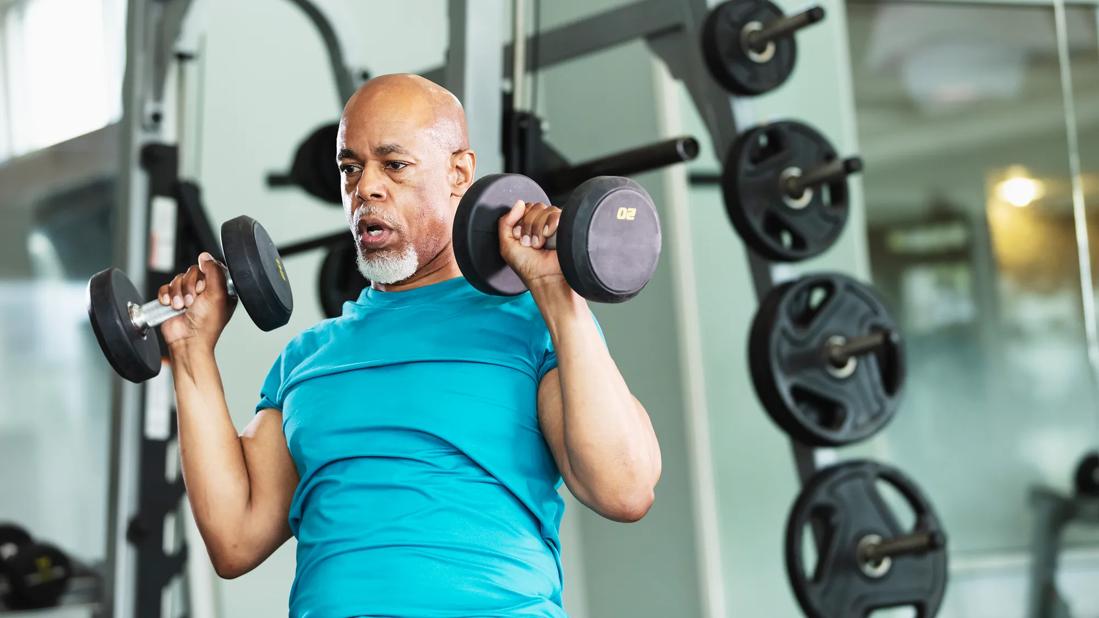
Bones respond to physical demands. When muscles pull on bones during resistance exercise, the skeleton receives a signal that it must remain strong enough to handle the workload. Strength training also improves muscle mass, coordination, posture, and joint stability.
Adults should generally perform muscle-strengthening activities involving all major muscle groups at least two days per week. You do not need to become a competitive powerlifter or begin naming your biceps. You simply need an appropriate level of resistance that gradually becomes more challenging.
Effective Strength Exercises
- Squats or chair sit-to-stands
- Lunges or supported split squats
- Step-ups
- Rows and chest presses
- Overhead presses when medically appropriate
- Resistance-band exercises
- Calf raises
- Hip-strengthening movements
Start with controlled movements and manageable resistance. Add repetitions or weight gradually as your technique and strength improve. If you have osteoporosis, a previous fracture, severe joint pain, or major balance limitations, consult a physical therapist or qualified healthcare provider before beginning a new program. Some forward-bending, twisting, and high-load movements may need modification.
4. Include Weight-Bearing and Impact Activity
Weight-bearing exercise means moving against gravity while remaining upright. Walking, hiking, stair climbing, dancing, tennis, and jogging are common examples. These activities place useful mechanical stress on the legs, hips, and spine.
For healthy adults who can exercise safely, moderate impact activities such as jogging, hopping, jumping, or court sports may stimulate bones more than non-weight-bearing activities. However, impact exercise is not suitable for everyone. People with osteoporosis, spinal fractures, significant arthritis, or a high risk of falling may need low-impact alternatives.
Build a Balanced Weekly Routine
A practical routine might include brisk walking on most days, strength training twice per week, and short periods of stair climbing or other weight-bearing activity. Adults should generally aim for at least 150 minutes of moderate-intensity aerobic activity each week, while adapting the amount to their health and abilities.
Swimming and cycling are excellent for cardiovascular fitness, but they do not load the skeleton as much as upright weight-bearing exercise. You do not have to abandon them. Simply combine them with walking, resistance training, or another bone-loading activity.
5. Improve Balance and Prevent Falls
Strong bones are valuable, but preventing the fall that could break them is equally important. Balance, leg strength, vision, medications, footwear, and household hazards can all influence fall risk.
Balance activities are especially useful for older adults and anyone who feels unsteady. Tai chi, yoga with appropriate modifications, heel-to-toe walking, single-leg stands near a sturdy support, and controlled direction changes can improve body awareness and stability.
Make Your Home Friendlier to Your Skeleton
- Remove loose rugs or secure them with nonslip backing.
- Keep walkways clear of cords, shoes, boxes, and pet toys.
- Install sturdy handrails on stairways.
- Use grab bars and nonslip mats in bathrooms.
- Improve lighting in hallways, entrances, and stairwells.
- Wear supportive shoes instead of slippery socks.
- Have vision and hearing checked regularly.
Ask a healthcare professional or pharmacist to review medications if you experience dizziness, sleepiness, low blood pressure, or balance problems. The danger is not always the coffee table. Sometimes it is the combination of a dark hallway, an urgent bathroom trip, and a medication that makes you woozy.
6. Avoid Tobacco and Limit Alcohol
Tobacco use is associated with lower bone mass and greater fracture risk. Smoking can interfere with healthy bone remodeling and may compound other risks by reducing physical fitness, affecting hormone levels, or contributing to poorer nutrition.
Quitting helps more than the skeleton. It also benefits the heart, lungs, circulation, and healing after injuries or surgery. Nicotine dependence can be difficult to overcome, so evidence-based support, counseling, medications, and quit programs may be useful.
Heavy or long-term excessive alcohol use can also weaken bones. It may disrupt nutrition and bone formation while increasing the likelihood of falls and injuries. People who drink should follow current medical advice and avoid using alcohol as a supposed source of calcium just because a cocktail contains cream. Biology will not be fooled by garnish.
Anyone who has difficulty controlling alcohol intake should seek professional support rather than attempting abrupt withdrawal alone, since withdrawal can be medically dangerous for some people.
7. Eat Enough Protein and Maintain a Healthy Weight
Bone is not made of minerals alone. Its structure also contains protein, and the muscles surrounding the skeleton depend on adequate protein intake. Very restrictive diets, chronic undernutrition, and extremely low body weight can reduce the nutrients and hormonal support needed for bone maintenance.
Include a source of protein in meals and snacks, such as fish, poultry, eggs, dairy foods, beans, lentils, tofu, tempeh, nuts, seeds, or lean meat. A balanced eating pattern should also provide fruits, vegetables, whole grains, and healthy fats. These foods supply magnesium, potassium, vitamin K, vitamin C, and other nutrients involved in maintaining bone and connective tissue.
Avoid repeated crash diets that produce rapid weight loss and significant muscle loss. When weight loss is medically appropriate, a gradual plan that includes sufficient protein and resistance exercise can help preserve lean tissue.
Higher body weight is not a guarantee of strong bones, either. Excess weight may reduce mobility, make balance more difficult, and raise the consequences of a fall. The best target is a sustainable weight that supports movement, nutrition, and overall health rather than a fashionable number chosen by an app with motivational confetti.
8. Know Your Risk and Ask About Bone-Density Screening
Healthy habits reduce risk, but they cannot eliminate the effects of aging, genetics, hormonal changes, chronic disease, or medication use. Knowing your personal risk can help you act before a fracture occurs.
Risk Factors Worth Discussing
- A previous fracture after a minor fall or injury
- A parent who had osteoporosis or a hip fracture
- Menopause, particularly early menopause
- Low body weight or a history of an eating disorder
- Long-term use of corticosteroids or certain other medications
- Rheumatoid arthritis, thyroid disorders, digestive diseases, kidney disease, or other chronic conditions
- Prolonged immobility or bed rest
- Height loss, stooped posture, or persistent back pain
Current U.S. preventive guidance recommends osteoporosis screening for women age 65 and older. Postmenopausal women younger than 65 may also need screening when their risk factors indicate an increased fracture risk. Recommendations for men are less uniform, so screening decisions should be individualized.
A dual-energy X-ray absorptiometry scan, commonly called a DXA or DEXA scan, measures bone mineral density. It is generally quick and noninvasive. If low bone density or osteoporosis is diagnosed, treatment may include nutrition, exercise, fall prevention, and prescription medication. Do not stop an osteoporosis medicine or change its schedule without talking with the prescribing clinician.
A Practical Experience: Putting the 8 Tips Into Daily Life
Bone-health advice can sound simple until it meets a real schedule. A person may understand that yogurt contains calcium and that strength training is useful, yet still reach the end of the week having consumed three coffees, performed no resistance exercise, and tripped over the same extension cord twice.
A more successful experience begins with observation rather than a complete lifestyle renovation. During the first week, keep a loose record of calcium-rich foods, exercise, and daily habits. This often reveals manageable gaps. Breakfast may contain almost no calcium. Exercise may consist mainly of walking, with no strength work. The hallway light may be so dim that navigating it at night feels like an audition for a spy movie.
The next step is to make one or two changes at a time. Breakfast could include yogurt with fruit, fortified soy milk in oatmeal, or eggs served with sautéed greens. Lunch might gain a serving of beans or calcium-set tofu. Canned salmon can become an easy dinner ingredient. These changes feel less like following a clinical menu and more like improving meals that already exist.
Movement becomes easier when it is attached to a routine. Two short strength sessions per week may be more realistic than planning an ambitious daily workout. A beginner session could include chair sit-to-stands, wall push-ups, resistance-band rows, calf raises, and supported step-ups. After two or three weeks, everyday tasks often begin to feel easier. Carrying groceries requires less negotiation. Climbing stairs becomes less dramatic. Balance exercises can be added while standing near a counter, turning idle kitchen time into useful practice.
Home safety changes provide an immediate sense of progress. Securing a loose rug, adding a night-light, and moving electrical cords require little athletic talent but may significantly reduce fall risk. Supportive shoes also make a surprising difference, especially for someone who previously treated worn-out slippers as permanent household staff.
The experience is rarely perfect. Travel interrupts routines. Work deadlines replace home-cooked meals with takeout. A sore knee may require exercise modifications. The goal is not flawless execution; it is returning to the basic pattern. Calcium-rich foods most days, vitamin D as recommended, strength work twice weekly, regular weight-bearing movement, and attention to balance form a durable foundation.
A medical appointment can complete the plan. Bringing a medication list, family fracture history, and questions about screening helps make the conversation specific. Someone who has used corticosteroids, experienced early menopause, lost height, or fractured a bone after a minor accident may need more than lifestyle advice.
After a month, the greatest change may not be visible bone density. Bone remodeling takes time. The more immediate rewards are usually stronger legs, better balance, improved confidence, and a routine that no longer feels complicated. Healthy bones are maintained through repeated ordinary decisionsand ordinary decisions are much easier to repeat than heroic ones.
Conclusion
Maintaining healthy bones requires more than drinking an occasional glass of milk and hoping gravity behaves itself. Bones benefit from adequate calcium and vitamin D, protein-rich balanced meals, resistance training, weight-bearing exercise, and activities that improve balance. Avoiding tobacco, limiting alcohol, maintaining a sustainable weight, and reducing fall hazards provide additional protection.
Personal risk also matters. Age, family history, menopause, chronic conditions, previous fractures, and certain medications can change what prevention and screening should look like. Discuss these factors with a qualified healthcare professional rather than relying solely on supplements or online checklists.
Small habits performed consistently can strengthen muscles, support bone remodeling, reduce falls, and preserve independence. Your skeleton has quietly supported you for years. Returning the favor is only fair.
SEO Tags