
There is something almost magical about a good fire. One minute you are staring at a pile of logs like it is a confusing IKEA project without instructions. The next, you have a warm glow, crackling wood, and the sudden urge to wear wool socks, tell stories, and pretend you live in a cabin even if your nearest wilderness is the backyard fence.
The problem? Starting a fire can feel harder than it should. Commercial fire starters work, but they cost money, come wrapped in packaging, and always seem to disappear right when the night gets chilly. The good news is that many of the best fire starters are already hiding in your home, garage, yard, or recycling bin. They are free, easy to save, and surprisingly effective when used responsibly.
Before we get cozy, let’s set the safety mood. These free fire starters are meant for responsible adults using a legal fireplace, wood stove, fire pit, or campsite fire ring. Always follow local fire rules, keep water or a fire extinguisher nearby, never use gasoline or lighter fluid, and never leave a fire unattended. Cozy nights are great. Surprise visits from the fire department? Less charming.
Why Free Fire Starters Work So Well
A good fire needs three basic things: heat, oxygen, and fuel. Your logs are the long-burning fuel, but they are usually too large to catch flame right away. That is where tinder and kindling come in. Tinder lights quickly. Kindling burns a little longer. Together, they help larger, dry logs catch without a dramatic half-hour of match-striking and muttering.
Free fire starters work because they are dry, fibrous, and easy to ignite. Dryer lint, pine cones, wood shavings, and paper scraps all create small flames that bridge the gap between a match and a proper fire. The trick is choosing clean materials and avoiding anything coated, glossy, plastic, painted, chemically treated, or mystery-scented like “Grandma’s Attic After Rain.”
9 Free Fire Starters That Make Nights Warmer
1. Dryer Lint
Dryer lint is the classic free fire starter, and for good reason. It is lightweight, fluffy, and catches quickly. Instead of tossing it after every laundry cycle, save clean lint in a jar or paper bag. When fire night arrives, place a small pinch under dry kindling and let it do its tiny cotton-cloud job.
One important note: dryer lint is best when it comes mostly from natural fibers like cotton towels, denim, or cotton shirts. Avoid lint from loads with lots of synthetic fabrics, dryer sheets, or chemical-heavy laundry products. If your lint smells like a perfume counter got into a wrestling match with a plastic sweater, skip it.
2. Empty Toilet Paper Tubes
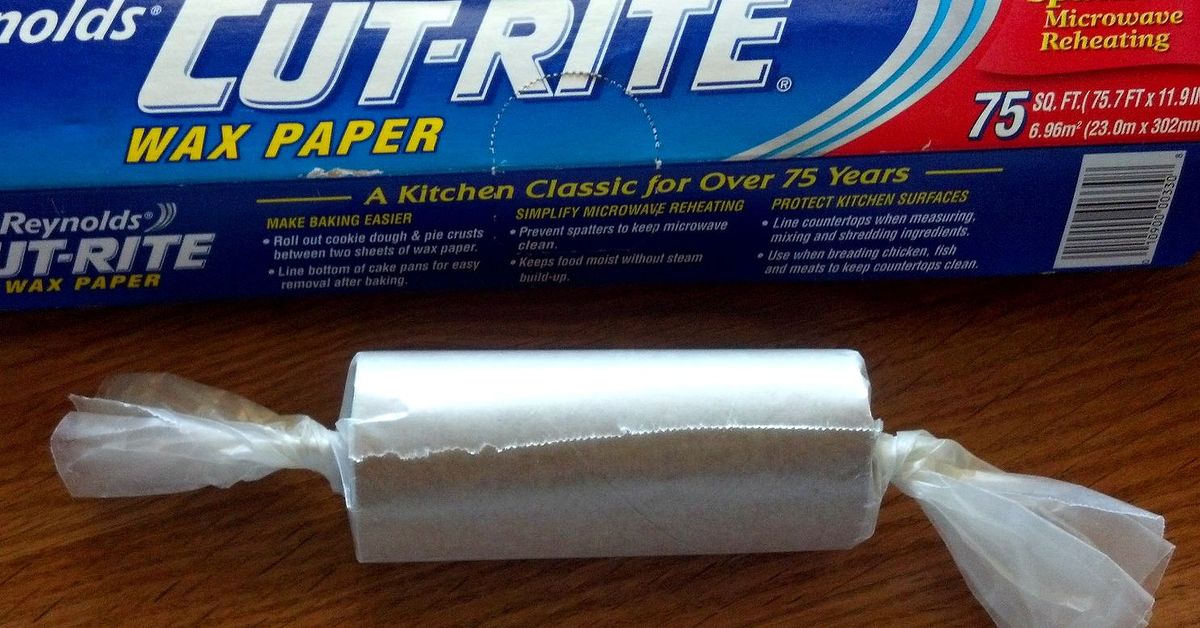
Empty toilet paper tubes are basically free fire starter shells. They are easy to store, easy to stuff, and easy to place under kindling. Add a little dryer lint, shredded plain paper, or wood shavings inside, then tuck the tube beneath small sticks. It gives the flame structure and airflow, which helps the fire catch more evenly.
This is also a nice way to reuse something that would otherwise go straight into the recycling bin. Just keep it simple. Do not use tubes that are coated, decorated with foil, soaked in fragrance, or covered in glue. A plain cardboard tube is all you need. Fancy is not required; fire is not judging your craft skills.
3. Pine Cones
Dry pine cones are nature’s little fire-starting ornaments. Their open scales catch flame nicely, and they fit beautifully under a small stack of kindling. Collect them from your own yard or from places where gathering is allowed, then let them dry fully before storing them in a basket or paper bag.
Pine cones work especially well for outdoor fire pits and campfires. Indoors, use them sparingly and only if your fireplace or stove allows it, because resinous materials can burn fast and produce more sparks. A pine cone should support a fire, not audition for a fireworks show.
4. Birch Bark
If you have access to fallen birch bark, you have one of the best natural fire starters around. Birch bark contains natural oils that help it catch even when conditions are slightly damp. It peels into thin, papery curls that light quickly and burn hot enough to help kindling take over.
The key word is fallen. Do not strip bark from living trees. It harms the tree and turns a cozy habit into bad outdoor manners. Look for bark on downed limbs or already-shed pieces. A small handful can go a long way, especially when paired with pencil-thin sticks.
5. Untreated Wood Shavings
If someone in your home does woodworking, you may already have a gold mine of free fire starters. Untreated wood shavings are excellent tinder because they are thin, dry, and full of surface area. A small nest of shavings under kindling can turn one match into a respectable flame.
Be picky about the source. Use only clean, untreated wood. Avoid sawdust or shavings from plywood, pressure-treated lumber, painted boards, stained wood, or anything glued. Those materials can release harmful fumes and are not worth the risk. When in doubt, throw it out.
6. Plain Newspaper
Plain newspaper still earns a spot on the list because it is easy to crumple, twist, and tuck under kindling. It burns quickly, so it should not be the only starter you use, but it is great when paired with dryer lint, twigs, or wood shavings.
Avoid glossy magazines, coated ads, plastic-window envelopes, and heavily inked inserts. Those can smoke, smell unpleasant, or contain materials you do not want floating through your home or campsite. The best paper fire starter is boring paper. Congratulations, junk mail finally found its purpose.
7. Dry Twigs and Pencil-Sized Sticks
The most underrated free fire starter is the humble twig. Dry twigs, especially those about the width of a pencil or thinner, are perfect kindling. They catch more slowly than paper but burn longer, which gives your larger wood a better chance to ignite.
For outdoor fires, use only dead and downed wood where collection is allowed. Break sticks by hand when possible; if they snap cleanly, they are usually dry enough to help. If they bend like a sad noodle, they are too damp. Save those for the compost pile, not the fire pit.
8. Dry Leaves and Grass
Dry leaves and grass can help start an outdoor fire when used in small amounts. They ignite quickly and can help transfer flame to twigs. The best use is as a light tinder layer underneath sturdier kindling, not as a giant pile. Too much loose leaf matter can create smoke, flying ash, and general chaos.
This option is better for outdoor fire pits and camping situations than indoor fireplaces. Make sure leaves are truly dry and free from chemicals, pesticides, trash, or pet waste. Nobody wants a cozy night with a mysterious smell that makes everyone silently blame the dog.
9. Egg Carton Cups
Paper egg cartons are excellent organizers for small fire-starting materials. Tear off one cup at a time and fill it with dryer lint, wood shavings, or tiny twigs. The paper cup keeps everything together, making it easier to place under kindling.
Use only plain paper pulp cartons, not foam or plastic. If you have leftover candle wax, some people add a small amount to help the starter burn longer, but that is optional and not technically free unless the wax is already sitting around. Even without wax, a paper egg carton cup filled with dry tinder can be surprisingly useful.
How to Use Free Fire Starters Safely
The best fire starter in the world will not fix wet logs. For a cleaner, warmer, less smoky fire, use dry, seasoned wood. Good firewood usually looks darker, has cracks at the ends, feels lighter than fresh-cut wood, and makes a hollow sound when knocked against another log.
Start small. Place your fire starter near the bottom, add thin kindling above it, and then add larger wood only after the kindling is burning well. Give the fire room to breathe. A fire packed too tightly is like a person trying to run a marathon while wearing twelve scarves. It needs oxygen.
Never add flammable liquids. Gasoline, lighter fluid, and alcohol can flare unpredictably and turn a relaxing evening into a dangerous emergency. Also avoid burning trash, plastics, painted wood, pressure-treated wood, glossy paper, foam, and mystery materials from the garage. If you cannot identify it, do not burn it.
Indoor Fireplace vs. Outdoor Fire Pit: What Changes?
Indoor fireplaces and wood stoves need extra caution because smoke, creosote, and carbon monoxide are serious concerns. Use only appropriate fuel, make sure the damper is open, keep the hearth area clear, and have chimneys inspected regularly. A fireplace is not a garbage disposal with flames.
Outdoor fire pits give you more flexibility with natural materials like pine cones, twigs, and dry leaves, but they also come with wind, sparks, and local fire restrictions. Check rules before lighting a fire, especially during dry weather. Keep fires small and contained, and fully extinguish them before leaving. If ashes are still warm, the fire is not finished being a fire.
What Not to Use as a Fire Starter
Some materials may light quickly but are still a bad idea. Avoid plastic packaging, chip bags, glossy magazines, foam egg cartons, treated lumber scraps, painted wood, plywood, charcoal lighter fluid, gasoline, and anything soaked in chemicals. These can release toxic smoke, create dangerous flare-ups, or damage fireplaces and chimneys.
Also be careful with scented items. Dryer sheets, fragrance beads, wax melts, and heavily perfumed paper products may smell cozy in a laundry room but unpleasant or unsafe in a fire. The goal is a warm glow, not an indoor chemistry experiment wearing a plaid blanket.
Storage Tips for Free Fire Starters
Store your fire starters in a dry place away from heat sources, open flames, pets, and small children. A metal tin, glass jar, paper bag, or labeled box can work well depending on the material. Keep dryer lint and paper separate from matches or lighters until you are ready to use them.
Moisture is the enemy. If your fire starters get damp, let them dry completely before using them. Damp tinder creates smoke and frustration, two things that can ruin the cozy mood faster than realizing you forgot marshmallows.
Real-Life Experiences: The Cozy Lessons Fire Teaches
The first thing you learn from trying free fire starters is humility. A fire has no interest in your confidence. You can walk outside with a basket of logs, a heroic attitude, and one match, only to discover that your wood is too damp and your newspaper is acting like it signed a non-combustion agreement. Then, one tiny pinch of dryer lint catches immediately, and suddenly you are forced to respect laundry waste in a whole new way.
One of the coziest setups I have seen is a simple “fire night basket” kept near the back door. It holds plain paper tubes, a few egg carton cups, dry pine cones, and a small bag of twigs. Nothing fancy. No expensive gadgets. No survivalist drama. Just a tidy little collection of things that used to be trash or yard clutter. When the evening turns cold, the basket comes out, the fire pit gets cleaned, and everyone gathers around like the backyard has become a five-star lodge.
The best experiences usually come from preparation. Fires started with dry tinder and kindling feel calm and almost effortless. Fires started with wet leaves, oversized logs, and optimism feel like a group project where nobody read the instructions. Saving free fire starters changes the rhythm. You stop scrambling and start enjoying the ritual: arranging the small sticks, placing the starter, lighting it, watching the flame climb, and hearing that first satisfying crackle.
There is also something satisfying about using what you already have. A pine cone from the yard, a cardboard tube from the bathroom, lint from a load of towels, and shavings from an untreated wood project all get a second life. It feels practical without being joyless. It is cozy sustainability, not the kind where someone lectures you while holding a clipboard.
Of course, experience also teaches boundaries. Not every “free” item belongs in a fire. A pizza box may look burnable, but greasy cardboard can smoke and flare. Glossy ads may seem convenient, but they are not ideal. Random scrap wood may be tempting, but if it is painted, stained, glued, or pressure-treated, it should stay far away from the flames. A good cozy-night rule is simple: if using it makes you wonder, “Is this a terrible idea?” it probably deserves retirement from the fire-starting team.
The real reward is not just getting the fire started. It is the atmosphere that follows. People talk more slowly around a fire. Snacks taste better. Cold air feels less rude. Even silence becomes comfortable. A few free fire starters can turn an ordinary night into a small event, the kind where everyone lingers a little longer and nobody checks the time quite as often.
Conclusion
Free fire starters are proof that cozy does not have to be expensive. Dryer lint, paper tubes, pine cones, birch bark, wood shavings, newspaper, twigs, dry leaves, and paper egg cartons can all help you build a warmer fire with less hassle. The secret is to keep materials clean, dry, and simple.
Use these ideas with good fire safety habits: burn only where fires are allowed, choose dry seasoned wood, avoid accelerants, keep water nearby, supervise the flames, and fully extinguish everything before leaving. Do that, and your next chilly night can feel less like a battle with stubborn logs and more like a cozy little victory.
SEO Tags
Note: Use these fire starter ideas only in legal, supervised fire settings. Keep fires small, burn clean dry materials, avoid accelerants and treated products, and make sure all embers are completely cold before leaving.