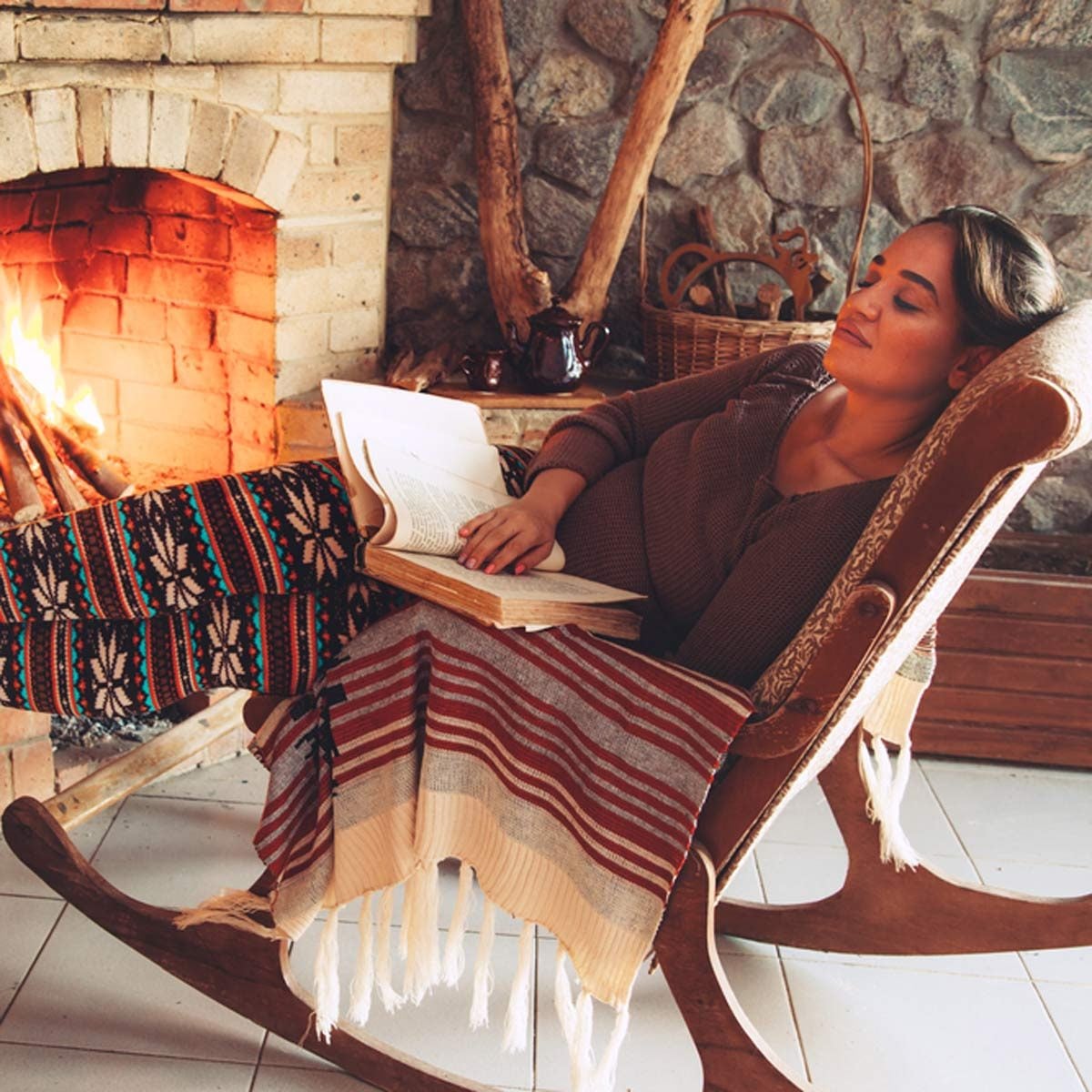

A wood-burning fireplace can make an ordinary winter evening feel like a scene from a cozy cabinright up until smoke rolls into the living room or a spark attempts to redecorate the rug. Fortunately, most fireplace problems are preventable. Safe operation comes down to three essentials: a sound chimney, properly seasoned firewood, and a person who stays awake long enough to supervise the flames.
This guide explains how to safely use and maintain a wood-burning fireplace, including pre-season inspections, fire-building techniques, creosote prevention, ash disposal, carbon monoxide protection, and emergency warning signs. Whether the fireplace is used every weekend or only when relatives visit and someone insists on “making things festive,” these practices can help protect the home, its occupants, and the neighborhood air.
Understand the Main Wood-Burning Fireplace Hazards
A fireplace is a controlled combustion system, not merely a decorative hole where logs disappear. Burning wood produces flames, hot gases, sparks, smoke, fine particles, and carbon monoxide. The fireplace and chimney must contain those hazards while creating enough draft to carry combustion gases outdoors.
Creosote and Chimney Fires
Creosote is a combustible residue that forms when wood smoke cools and condenses inside the chimney. Wet firewood, restricted airflow, smoldering fires, and an improperly sized or damaged flue can accelerate its accumulation.
Creosote may appear as flaky soot, sticky brown material, or a hard, glazed coating. The glazed variety can be particularly difficult to remove. If creosote ignites, a chimney fire can produce intense heat capable of cracking flue tiles, damaging metal liners, or igniting nearby building materials.
Carbon Monoxide and Indoor Smoke
Carbon monoxide, commonly abbreviated as CO, is a colorless and odorless gas created by incomplete combustion. A blocked chimney, poor draft, damaged venting system, or tightly sealed house can allow it to enter living areas. Headache, dizziness, weakness, nausea, confusion, and unusual sleepiness are possible warning signs of exposure.
Wood smoke also contains fine particles that can aggravate asthma and other respiratory or cardiovascular conditions. Children, older adults, pregnant people, and anyone with heart or lung disease may be especially sensitive. A fireplace should smell pleasantly woodynot turn the living room into a smokehouse for humans.
Inspect the Fireplace Before the Burning Season
Schedule a professional chimney inspection at least once a year, preferably before cold weather creates a seasonal stampede for appointments. Annual inspection is appropriate even when the fireplace was used only a few times because weather damage, animal nests, debris, and deterioration can develop during the off-season.
A qualified chimney professional should evaluate the flue, chimney liner, firebox, damper, smoke chamber, chimney cap, crown, flashing, masonry, and clearances from combustible building materials. Cleaning should be performed whenever deposits make it necessary. Inspection and cleaning are related services, but they are not automatically the same job.
Look for Visible Damage
Before each burning season, check accessible areas for loose bricks, crumbling mortar, rust, water stains, cracked firebrick, missing chimney-cap components, or pieces of tile in the firebox. White powdery staining on masonry may indicate moisture movement. A damper that will not open fully or remain in position also needs attention.
Do not use a fireplace after a chimney fire, earthquake, lightning strike, major storm, roof repair, or suspected structural damage until the system has been professionally examined. Damage hidden inside the flue can give flames and hot gases a path into walls or the attic.
Create a Safe Zone Around the Hearth
Keep furniture, rugs, baskets, decorations, firewood, books, curtains, and other combustible objects at least three feet from the fireplace opening. Holiday stockings are charming, but they belong on the mantel only when the fireplace is cold.
Place a sturdy metal or heat-tempered glass screen across the opening to contain sparks and rolling embers. Keep children and pets outside the three-foot safety zone, and remember that glass, metal, stone, and fireplace tools may stay dangerously hot after the visible flames have disappeared.
Prepare Smoke Alarms, CO Alarms, and Emergency Equipment
Install working smoke alarms and carbon monoxide alarms in the locations required by local codes and their manufacturers. CO alarms should provide coverage near sleeping areas, while smoke alarms generally belong inside and outside sleeping areas and on every level of the home. Requirements vary, so local fire and building rules should take precedence.
Test alarms monthly, replace batteries and devices according to manufacturer instructions, and never disable an alarm because cooking or fireplace smoke repeatedly activates it. Frequent alarms indicate a placement, ventilation, or combustion problem that deserves investigation.
Keep an appropriate multipurpose fire extinguisher in an accessible location and make sure household members know how to use it. The extinguisher should supplementnot replacean escape plan. Everyone should recognize two exits from the home and know where to meet outside.
Choose and Store the Right Firewood
Burn only clean, dry, seasoned firewood intended for the fireplace. Wood with a moisture content below 20 percent generally lights more easily, burns hotter, creates less smoke, and helps limit creosote formation.
A handheld moisture meter offers a more dependable answer than tapping two logs together and declaring them “probably fine.” Split a sample log and test the freshly exposed interior face. Measuring only the dry outer surface can produce an inaccurately low reading.
Season Firewood Correctly
Split wood into manageable pieces, stack it off the ground, and leave space for air circulation. Cover the top of the pile to shed rain and snow while keeping the sides open. Completely wrapping the pile can trap moisture and turn the stack into a luxury resort for mold.
Drying time varies with climate, species, log size, and storage conditions. Softwoods may require at least six months, while dense hardwoods often need a year or longer. Purchase wood locally when possible to reduce the risk of transporting invasive forest pests.
Know What Never Belongs in the Fire
Do not burn garbage, cardboard boxes, glossy paper, plastics, foam, painted wood, pressure-treated lumber, plywood, particleboard, saltwater driftwood, charcoal, coal, or household chemicals. These materials may release hazardous pollutants, create airborne embers, damage fireplace components, or cause rapid temperature changes.
Manufactured fire logs should be used only when the fireplace manufacturer and log instructions permit them. Never break one apart, combine it with regular firewood, or burn more than directed. Above all, never use gasoline, kerosene, charcoal lighter fluid, or another flammable liquid to start or revive an indoor fire.
How to Start a Wood Fire Safely
- Clear the area. Remove combustible decorations and confirm that the screen, tools, alarms, and extinguisher are ready.
- Open the damper completely. Use a flashlight to verify its position rather than trusting a handle that may be mislabeled or stuck.
- Confirm an upward draft. If cold air or smoke is entering the room, do not build a larger fire in hopes that enthusiasm will fix the chimney.
- Build a modest fire. Arrange dry kindling with a few small splits so air can circulate. Use a small amount of plain newspaper or an approved natural fire starter if permitted.
- Light the starter and observe. Smoke should move into the chimney. If it spills continuously into the room, let the fire go out safely and investigate the cause.
- Add larger logs gradually. Maintain space between pieces and avoid packing the firebox full.
- Position the screen. Keep a mesh or approved spark screen in place throughout the fire.
Operate glass doors and air controls exactly as the fireplace manufacturer directs. Many traditional open fireplaces require glass doors to remain open during an active fire while the mesh screen stays closed, but designs vary. The appliance manualnot family folkloreis the correct referee.
Manage the Fire Without Creating Excess Smoke
Small, hot fires generally burn more cleanly than oversized, smoldering piles. Add one or two pieces of wood at a time and maintain adequate airflow. Starving the flames of oxygen may make the load last longer, but it also promotes smoke, carbon monoxide, and creosote.
Use long-handled fireplace tools to reposition logs. Wear close-fitting clothing, tie back long hair, and avoid leaning over the opening. Never allow children to add logs or roast food without close adult supervision.
Do not leave an active fire unattended. Before going to bed or leaving the house, stop adding wood early enough for the flames and hot coals to die down. A spark screen is useful, but it is not a substitute for a conscious adult.
Watch the Chimney Exhaust
After the fire is established, step outside briefly and observe the chimney from a safe location. Heavy, persistent smoke may indicate wet wood, inadequate airflow, overloading, or a venting problem. Local air-quality agencies may restrict residential wood burning during pollution alerts or temperature inversions, so check current regulations before lighting a recreational fire.
Dispose of Fireplace Ashes Safely
Allow the fireplace to cool fully before removing ashes. Even when the surface looks gray and harmless, embers buried underneath can remain hot for days.
Use a metal shovel to transfer ashes into a metal container with a tight-fitting metal lid. Take the container outdoors and place it on soil, concrete, or another noncombustible surface at least 10 feet from the house, deck, fence, firewood pile, garage, and anything else that can burn.
Do not use a cardboard box, paper bag, plastic bucket, household vacuum, or ordinary trash can. Wait until the entire contents are cold before final disposal, following local waste rules. When uncertainty remains, add more cooling time. Ashes are remarkably patient arsonists.
Perform Routine Fireplace and Chimney Maintenance
Before Every Fire
- Check that the damper opens freely.
- Remove excessive ash without disturbing hidden embers.
- Inspect the firebox for new cracks or loose components.
- Confirm that the screen is stable and undamaged.
- Move combustible objects outside the three-foot zone.
- Verify that alarms are operating and exits are clear.
During the Burning Season
Monitor for unusual odors, falling soot, water leaks, changes in draft, smoke staining, or fragments of masonry and flue tile. Look at the chimney exterior from the ground after severe weather, but leave roof access and internal flue evaluation to properly equipped professionals.
How often a chimney requires sweeping depends on the fireplace, fuel, burning habits, and deposit level. Frequent use or recurring smoky fires can make cleaning necessary before the next annual appointment. Do not assume a chimney is safe merely because smoke still finds its way out.
At the End of the Season
Remove cooled ashes, clean tools, and note any problems that appeared during winter. Store firewood away from the structure, arrange repairs before contractors become busy, and keep the chimney cap in good condition to reduce rain, debris, and animal entry.
Recognize Fireplace Emergencies
If the Carbon Monoxide Alarm Sounds
Get everyone outside immediately and call 911 from a safe location. Do not search for the source, silence the alarm and return to bed, or reenter until emergency personnel say it is safe. Anyone experiencing possible CO poisoning symptoms needs prompt medical evaluation.
If Smoke Enters the Room
A brief puff during lighting may occur under certain conditions, but continuing smoke is not normal. Stop adding fuel and allow the fire to go out if this can be done safely. Check whether the damper is fully open and whether kitchen exhaust fans, bathroom fans, or other appliances are creating negative pressure. Do not reuse the fireplace until persistent draft or smoke problems have been professionally assessed.
If You Suspect a Chimney Fire
Possible signs include a loud roaring or rumbling sound, dense smoke, flames or sparks above the chimney, an intensely hot chimney, or strong burning odors in walls and attic spaces. Alert everyone, evacuate, and call 911. Do not climb onto the roof or pour water into the fireplace. Even if the event seems to stop, the chimney must be inspected and repaired as necessary before another fire is lit.
A Practical Seasonal Fireplace Safety Schedule
- Late summer or early fall: Book the annual professional inspection and complete recommended cleaning or repairs.
- Before the first fire: test alarms, review the escape plan, inspect the hearth, and verify that firewood is dry.
- Before each use: open the damper, clear the safety zone, check the firebox, and confirm that the screen is ready.
- After each fire: supervise the cooling process and keep the damper open until combustion has completely ended.
- As needed: move cold ashes to approved disposal and schedule service when performance changes.
- In spring: clean the hearth, record repairs, and store supplies for the next season.
Conclusion
Safe fireplace use is mostly a collection of small, repeatable habits. Inspect the chimney annually, burn dry wood, build manageable fires, maintain airflow, use a spark screen, supervise every flame, and dispose of ashes in a covered metal container outdoors. Working smoke and CO alarms provide another essential layer of protection.
A well-maintained wood-burning fireplace should deliver warmth and atmosphere without filling the room with smoke or creating surprises inside the chimney. Give the system the same respect you would give any other fuel-burning appliance. The reward is a comfortable fire that crackles politely and keeps its dramatic ambitions inside the firebox.
Experience-Based Lessons From Real Fireplace Use
The most useful fireplace lessons often emerge from ordinary household routines rather than dramatic emergencies. Consider a homeowner preparing the first fire of November. The chimney was cleaned the previous year, so everything appears ready. However, the damper handle feels stiff, and a few small twigs are visible in the firebox. Instead of lighting the kindling, the homeowner schedules an inspection. A partially built bird nest is found above the damper. That modest delay prevents smoke from backing into the house and shows why low usage does not eliminate the need for annual inspection.
The Firewood That Looked Dry but Wasn’t
Another common experience begins with attractive oak purchased as “seasoned.” The ends are cracked, the bark is loose, and the seller sounds impressively confident. Yet the logs hiss after lighting, darken without producing strong flames, and coat the glass with soot. A moisture reading taken from the exterior shows 16 percent, but the freshly split center reads 29 percent.
The solution is simple: move that batch to a properly ventilated outdoor stack and use genuinely dry wood instead. The next fire starts faster, produces more heat, and sends far less visible smoke from the chimney. The lesson is not that firewood sellers are villains twirling tiny wooden mustaches. It is that drying conditions vary, and testing the inside of a split log provides better evidence than appearance alone.
The Ash Bucket Near-Miss
A deceptively quiet hazard appears after the flames are gone. Imagine ashes being removed the morning after a fire and placed in a metal pail on a wooden porch. Several hours later, the bottom of the pail is warm. A buried coal survived overnight and transferred heat through the metal.
The safer routine is to use a lidded metal container placed outdoors on a noncombustible surface, well away from the building and other fuel. The ashes remain there until completely cold. This experience explains why “the fire looked out” is not an ash-disposal standard. Embers do not observe office hours.
The Value of Ending a Fire Early
People often add one final log shortly before bed because the room feels pleasant and nobody wants the evening to end. Forty minutes later, the log is still burning vigorously, and the household faces a choice between staying awake or taking an unnecessary risk.
A better habit is to calculate backward. If bedtime is 10:30 p.m., stop adding fuel well beforehand so the flames can subside under supervision. Keep the damper open while combustion continues, follow the fireplace manufacturer’s operating instructions, and remain present until the fire is safely down. This timing adjustment costs nothing and removes the temptation to abandon an active fire.
When a Fireplace Suddenly Becomes Smoky
A fireplace that worked well last winter may spill smoke after a home renovation. New windows, added insulation, or powerful kitchen exhaust equipment can change indoor air pressure. Running a range hood while lighting the fireplace may pull air down the chimney rather than allowing smoke to rise.
The correct response is not to add more newspaper or build a larger fire. Stop, let the fire go out safely, and have the draft problem evaluated. The chimney may be blocked or damaged, or the house may need a professionally designed source of combustion air. This experience highlights an important principle: changes elsewhere in the home can affect fireplace performance.
A Routine That Makes Safety Easier
Experienced fireplace users often keep the necessary equipment together: dry kindling, approved starters, long-handled tools, heat-resistant gloves, a moisture meter, and a covered metal ash container. They also place annual inspection reminders on the calendar before the first cold night.
This organization reduces improvisation. There is no search for lighter fluid, no wet log selected because it happens to be nearby, and no cardboard box recruited for hot ashes. Good fireplace maintenance is rarely glamorous, but neither is explaining a preventable scorch mark to an insurance adjuster. The safest experience is the pleasantly uneventful one: clean draft, dry fuel, controlled flames, cold ashes, and everyone heading to bed without an alarm sounding.