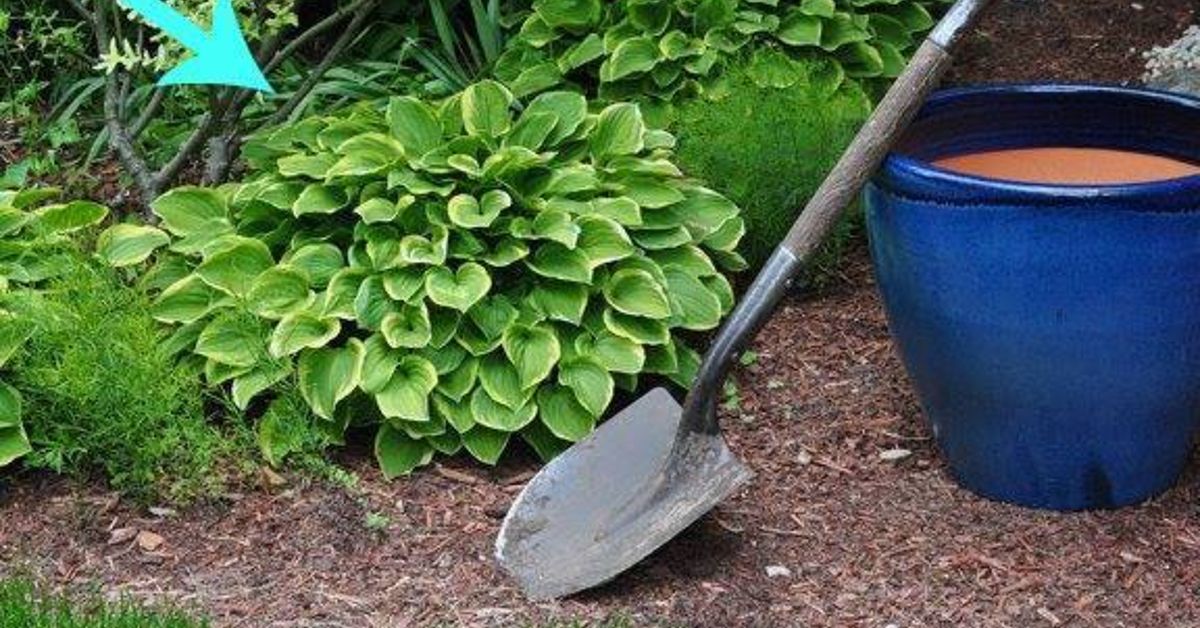

Hostas have a habit of turning sensible gardeners into collectors. It begins innocently enough: one blue-leaved plant for the shady corner, perhaps a gold-edged variety beside the porch. Then someone introduces you to miniature hostas, deeply corrugated leaves, dramatic white margins, fragrant flowers, and giant cultivars with names that sound capable of blocking traffic. Suddenly, the shade garden has labels, a spreadsheet, and a suspiciously specific wish list.
That enthusiasm is understandable. Collectable hostas offer an extraordinary range of leaf colors, sizes, textures, shapes, growth habits, and seasonal changes. Some form tidy mounds no wider than a dinner plate, while giant selections can dominate an entire bed. Others are prized for blue waxy foliage, rippled edges, cupped leaves, streaked variegation, red petioles, or flowers with genuine fragrance. The best collections are not merely crowded assortments of named plants. They are living displays built around distinction, provenance, health, and reliable garden performance.
What Makes a Hosta Collectable?
A collectable hosta is not automatically the newest or most expensive plant in a catalog. Collectors usually value a cultivar because it combines recognizable traits with a compelling history or exceptional performance in the garden. A registered name and documented origin add confidence, but the plant must still earn its square footage.
Distinctive Foliage
Foliage is the main event. Collectors look for features that remain identifiable after the plant matures: unusually thick leaves, strong corrugation, twisted tips, piecrust margins, upright form, intense blue coloring, luminous gold tones, or stable variegation.
A hosta that looks different only in a tightly cropped nursery photograph may become surprisingly ordinary in the landscape. A truly distinctive cultivar can often be recognized from several yards away.
Documented Identity and Provenance
The American Hosta Society serves as the international registration authority for the genus and publishes annual cultivar registration information. Registration does not guarantee that a hosta will be magnificent, but it creates a formal record of its name, origin, measurements, leaf traits, flowers, parentage, and other identifying details.
For collectors, that record helps separate a properly documented cultivar from a mystery plant wearing a handwritten tag and an optimistic price.
Garden Performance
A collectable plant should do more than survive. It should build a balanced clump, hold attractive foliage through much of the season, produce consistent color, and recover well after winter.
Thick leaf substance is often desirable because it creates a substantial appearance and may reduce slug damage, although no hosta is completely invincible. Vigorous classics frequently outperform delicate novelties, which is why experienced collectors rarely dismiss an older cultivar simply because it has been available for years.
Build a Hosta Collection With a Purpose
The easiest way to create a muddled collection is to buy every hosta that looks appealing in spring. Young plants are compact, colors are fresh, and garden-center lighting can make a green leaf seem like the discovery of the century. A better approach is to choose collecting categories and leave enough room for mature growth.
Collect by Size
Miniature and small hostas are ideal for troughs, raised beds, containers, and the front of a border, where their details can be appreciated. Blue Mouse Ears, Mini Skirt, and Curly Fries show how much personality can fit into a small footprint.
Medium cultivars are versatile workhorses, while large and giant hostas such as Blue Angel, Humpback Whale, Sum and Substance, and Wu-La-La function as architectural specimens. A tiny hosta planted behind a giant is not a collection; it is a botanical disappearance act.
Collect by Color
Hosta foliage ranges from deep green and blue-gray to chartreuse, gold, creamy white, and multicolored variegation. Blue hostas owe much of their color to a waxy surface coating, so they usually retain their best appearance in cooler, shadier positions where the bloom is less likely to wear away quickly.
Gold cultivars often need some gentle morning light to develop rich color. Variegated hostas benefit from enough light to show their patterns, but hot afternoon sun may scorch pale tissue.
Collect by Texture and Form
A sophisticated collection includes contrast. Pair a heavily corrugated hosta such as Abiqua Drinking Gourd with a narrow, rippled cultivar such as Curly Fries. Set an upright, vase-shaped plant near a low, spreading mound. Combine rounded leaves with lance-shaped foliage and matte surfaces with glossy ones.
Texture keeps a hosta bed interesting even when the color palette is mostly green.
Collect Fragrant and Flowering Selections
Hostas are grown primarily for foliage, but flowers should not be treated as an administrative inconvenience. Cultivars associated with Hosta plantaginea, including popular fragrant selections such as Guacamole, can produce large, scented flowers.
Other hostas offer pale lavender, purple, or near-white blooms on scapes that rise above the leaves. Flowering time, scape height, fertility, and fragrance can become collecting themes of their own.
Reliable Cultivars Worth Knowing
A strong collection benefits from benchmark plants. Halcyon is valued for blue foliage, while June is admired for changing center color and strong leaf substance. Sagae forms an elegant upright mound, Sum and Substance delivers giant chartreuse impact, and Blue Mouse Ears creates a compact mound of rounded blue-gray leaves.
Abiqua Drinking Gourd is memorable for deeply cupped foliage, Guacamole contributes fragrance, and Curly Fries provides narrow, wavy leaves that look as though the plant requested “maximum movement” at the salon. These cultivars are useful reference points when evaluating newer introductions.
How to Buy Collectable Hostas Wisely
Choose Reputable Sellers
Buy from nurseries and specialist growers that label plants accurately, maintain clean stock, and provide realistic mature dimensions. A trustworthy seller should be able to identify the cultivar, explain whether it is patented or protected, and describe its expected growth habit.
Be cautious with marketplace listings that rely on heavily edited images, impossible colors, or vague phrases such as “ultra-rare rainbow hosta.” Hostas are diverse, but they have not yet mastered neon pink leopard print.
Inspect Every New Plant
Look for firm crowns, healthy roots, and foliage that matches the cultivar description. Avoid plants with suspicious mottling, ink-bleed markings along the veins, distorted leaves, severe twisting, or unexplained collapse.
Hosta Virus X can cause mottling, color bleeding, puckering, and deformation, and there is no cure. Infected plants should be removed rather than divided or shared. Clean cutting tools between plants because contaminated sap can spread the virus mechanically.
Quarantine Valuable Additions
Collectors often isolate new purchases for a growing season before placing them among established plants. This makes it easier to monitor symptoms, confirm identity, and prevent hitchhiking pests from entering the main bed.
Quarantine feels overly cautious until one questionable plant threatens fifty carefully labeled cultivars. At that point, caution suddenly looks brilliant.
Keep the Original Label and Your Own Records
Plant tags fade, crack, migrate during mulching, and occasionally achieve freedom by attaching themselves to a rake. Maintain a second record with the cultivar name, seller, purchase date, planting location, mature size, and distinguishing traits.
Photographs taken at emergence, midsummer, flowering, and dormancy can help confirm identity and document performance over time.
Growing Conditions That Protect a Collection
Light
Most hostas perform best in partial shade, open shade, or filtered light. Morning sun with protection from intense afternoon heat is often a productive combination.
Gold and fragrant cultivars may tolerate or benefit from more light when soil moisture is reliable, but “sun tolerant” does not mean “happy in a dry parking lot.” Excessive sun can bleach foliage, burn margins, and shorten the display season.
Soil and Moisture
Hostas favor organically rich, well-drained soil with consistent moisture. They tolerate a fairly broad soil pH range, but compacted ground and standing water create trouble.
Incorporate compost where appropriate, water deeply at soil level, and use organic mulch to moderate temperature and moisture. Avoid piling mulch against the crown. Established plants can tolerate brief dry periods, but repeated drought reduces leaf quality and may limit the following year’s growth.
Spacing and Mature Size
Use mature width rather than nursery-pot width when planting. Depending on the cultivar and conditions, a hosta may need several years to reach its full presence. Crowding reduces airflow, complicates identification, and forces future divisions.
Give giant plants room to become giant. Otherwise, the collector eventually spends a humid afternoon excavating a root mass with the emotional tone of an archaeological rescue.
Division and Containers
Hostas do not require frequent division simply to remain alive. Divide when a clump needs rejuvenation, has outgrown its space, or must be propagated.
Spring, when the eyes are emerging, is a convenient time because the plant structure is visible and leaf damage is limited. Keep roots attached to each division and replant promptly. Miniature hostas are excellent container subjects, but containers require dependable drainage, regular watering, and winter protection appropriate to the local climate.
Protecting Rare and Favorite Hostas
Slugs and snails chew irregular holes, especially in thin leaves and damp, sheltered beds. Reduce hiding places, remove decaying debris, inspect plants at night, and use labeled controls when needed.
Deer can transform a premium hosta into a bundle of petioles in one evening, while voles may attack crowns and roots below ground. Barriers, repellents, habitat management, and locally appropriate pest-control strategies are often more effective when combined.
Disease prevention begins with clean stock, clean tools, suitable spacing, and good drainage. Crown and petiole rots are more likely to become serious in unfavorable wet conditions.
Leaf spots and cosmetic damage should be diagnosed before treatment because hail, sun scorch, drought, insects, and disease can produce confusingly similar symptoms. When Hosta Virus X is suspected, do not divide, sell, compost, or give away the plant.
Displaying a Hosta Collection Like a Garden
A collection should still look intentional. Repeat colors and forms to create rhythm, then use distinctive specimens as focal points. Place blue hostas near gold foliage, combine broad leaves with fine-textured companions such as ferns or Japanese forest grass, and use raised beds or containers to bring miniatures closer to eye level.
Labels can sit discreetly behind crowns or be replaced with a digital map. Avoid arranging every plant in an isolated circle; overlapping forms and generous groupings create a garden rather than an outdoor inventory.
Prices for unusual hostas often fall as propagation increases supply, so collect for horticultural value rather than guaranteed profit. Sportsnaturally occurring mutationshave produced important cultivars, but they should be observed for several seasons because some remain stable while others revert. Authenticity, health, stability, and garden performance matter more than hype.
Collector’s Notebook: Experience-Based Lessons From Hosta Gardens
The first lesson experienced collectors repeat is that mature size changes everything. A hosta purchased in a one-quart pot can look harmless for two years and then expand like it has acquired real estate ambitions.
Planting from catalog measurements rather than current size prevents constant relocation. It also protects neighboring miniatures, which otherwise disappear beneath larger leaves and continue living anonymously like tenants with no forwarding address.
The second lesson is that the “best” cultivar is site specific. A blue hosta that looks spectacular in cool filtered shade may lose its frosty coating in a brighter location. A gold cultivar may glow beside a path with morning light yet remain dull in dense shade.
Collectors often learn more by moving one established division among different microclimates than by buying three new plants. Observing how color, leaf substance, growth rate, and flowering respond to light is part of the collecting experience.
Third, labels are not optional. Many green or blue cultivars become difficult to distinguish once tags vanish, especially before full maturity. A durable label plus a garden map saves enormous frustration.
Some collectors assign bed numbers and photograph each plant with its tag visible early in the season. This sounds excessive only to people who have never stared at two nearly identical clumps while trying to remember which one was purchased at a convention four years earlier.
Fourth, classic hostas often become the backbone of the collection. New introductions create excitement, but established cultivars have had time to demonstrate vigor, stability, and landscape value across many gardens.
A collector may arrive chasing rarity and eventually discover that a mature Sagae, June, Halcyon, or Sum and Substance attracts more attention than several expensive newcomers. The lesson is not to avoid new plants; it is to judge them beside proven standards.
Fifth, pest prevention is easier than cosmetic repair. Early slug monitoring preserves leaves before they resemble lace doilies. Deer protection must be in place before browsing begins, not after the first buffet.
New plants deserve isolation and inspection because a collection increases the consequences of introducing disease. Cleaning tools between divisions may feel tedious, but it becomes routine once the value of the collectionfinancial, historical, and emotionalis considered.
Sixth, editing is part of collecting. A bed packed with mediocre look-alikes does not become more meaningful because every plant has a different name. Experienced growers gradually remove weak performers, unstable variegation, duplicate effects, and cultivars unsuited to the site.
The space can then support plants with stronger identities. Giving away a healthy but ordinary hosta is not failure; it is garden curation with a shovel.
Finally, the most satisfying collections develop a story. They may focus on miniature cultivars, fragrant flowers, blue foliage, a particular hybridizer, historic introductions, award winners, or plants acquired through friendships and society events.
Records preserve those stories. A division received from another gardener can carry more meaning than a rare purchase because it connects the plant to a person, place, and moment. Hostas are long-lived, and the memories attached to them often become as collectable as the foliage.
Conclusion
Collectable hostas reward curiosity, patience, and close observation. Start with healthy, accurately labeled plants; learn the mature dimensions; provide filtered light, rich well-drained soil, and dependable moisture; and protect the collection from pests and disease.
Choose cultivars that contribute a clear difference in color, size, form, texture, fragrance, history, or performance. Over time, the result will be more than a shelf of plant names planted outdoors. It will be a coherent shade garden filled with living specimens that become better, larger, and more personal with every season.
Research note: This article synthesizes established horticultural guidance from the American Hosta Society and its registrar, Missouri Botanical Garden, University of Minnesota Extension, North Carolina State Extension, Penn State Extension, Iowa State University Extension, Illinois Extension, Proven Winners, Walters Gardens, Fine Gardening, Better Homes & Gardens, and the Hosta Library.