
Note: This article is for general educational purposes only and does not replace medical advice, diagnosis, or treatment from a qualified healthcare professional.
Bouchard’s nodes may sound like something you would find on an antique map, but they are actually bony bumps that form on the middle joints of the fingers. They are most often linked to hand osteoarthritis, a common “wear-and-repair” joint condition that can make fingers stiff, swollen, sore, and a little less cooperative when you are opening jars, typing emails, buttoning a shirt, or trying to prove you still have excellent pickle-jar strength.
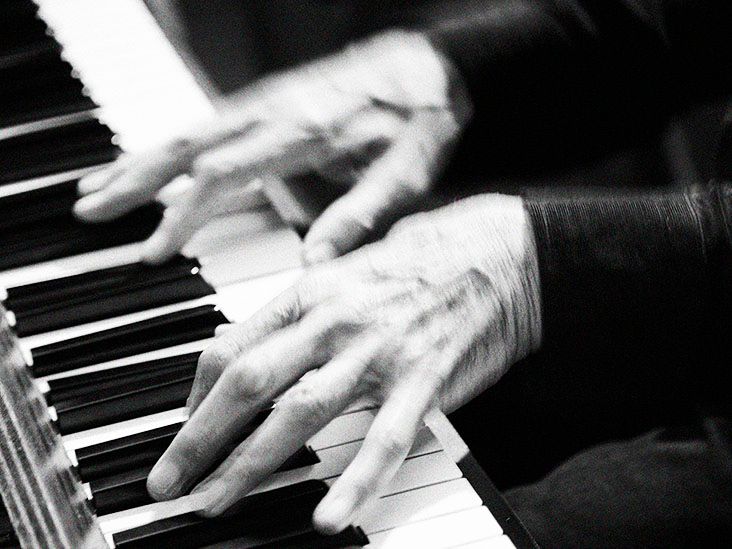
These nodes are usually firm, visible enlargements around the proximal interphalangeal joints, also called the PIP joints. In plain English, that means the middle joints of your fingers. Bouchard’s nodes are different from Heberden’s nodes, which appear on the joints closest to the fingertips. Both are associated with osteoarthritis of the hands, but their location helps distinguish one from the other.
The good news is that Bouchard’s nodes are not dangerous in the way an infection or tumor can be dangerous. The less exciting news is that they can be uncomfortable, affect hand function, and sometimes become a daily nuisance. While the bony enlargement itself usually cannot be reversed without surgery, many symptoms related to hand osteoarthritis can be managed with smart self-care, medication, hand therapy, joint protection strategies, and, in severe cases, medical procedures.
What Are Bouchard’s Nodes?
Bouchard’s nodes are bony enlargements that develop at the middle finger joints. They are considered a classic sign of osteoarthritis in the hands. Osteoarthritis occurs when the protective cartilage that cushions the ends of bones gradually wears down. As cartilage breaks down, the joint can become irritated, inflamed, stiff, and less smooth during movement. The body may respond by forming extra bone around the joint, known as osteophytes or bone spurs. These bony changes can create the hard bumps known as Bouchard’s nodes.
Although people often describe them as “swollen knuckles,” Bouchard’s nodes are not simply soft swelling. They are firm, structural changes around the joint. Some people have nodes that are easy to see but not painful. Others experience tenderness, stiffness, reduced range of motion, or aching that comes and goes like a tiny weather forecaster living in the finger.
Bouchard’s Nodes vs. Heberden’s Nodes
The difference comes down to location. Bouchard’s nodes appear on the middle joints of the fingers, while Heberden’s nodes appear on the end joints closest to the nails. Both types of nodes can occur in the same person, and both are associated with osteoarthritis. If the bump is in the middle of the finger, think Bouchard. If it is near the fingertip, think Heberden.
Common Symptoms of Bouchard’s Nodes
Symptoms vary from person to person. Some people notice only a small hard bump. Others develop pain, stiffness, swelling, and reduced hand function. The severity often depends on how active the joint inflammation is and how much the joint structure has changed.
Visible Bony Bumps
The most recognizable sign is a hard enlargement around the middle joint of one or more fingers. The joint may look wider, knobbier, or slightly crooked. These bumps may develop slowly over time, so they can sneak up like a quiet home renovation project you did not approve.
Pain or Aching
Pain may be mild, moderate, or occasionally intense during flare-ups. It often worsens with repetitive hand use, gripping, pinching, twisting, or activities that stress the affected joints. For example, opening a tight lid, wringing a cloth, gardening, cooking, knitting, or using tools may trigger discomfort.
Stiffness
Morning stiffness is common in hand osteoarthritis, though it is usually shorter than the prolonged stiffness often seen in inflammatory arthritis such as rheumatoid arthritis. Fingers may feel tight after waking, after long periods of inactivity, or after heavy use the day before.
Swelling and Tenderness
The joint may become swollen, warm, or tender during an osteoarthritis flare. Soft tissue swelling can appear around the bony enlargement, making the finger look puffier than usual.
Reduced Range of Motion
As the joint changes shape, bending and straightening the finger may become harder. This can affect everyday movements, including holding a pen, using scissors, fastening jewelry, or typing comfortably.
Grip Weakness
Hand osteoarthritis can reduce grip and pinch strength. You may notice that objects feel less secure in your hand or that tasks requiring precision become more frustrating.
Clicking, Grinding, or Creaking
Some people feel or hear a grinding sensation when moving the affected joint. This is sometimes called crepitus. It happens when joint surfaces are no longer as smooth as they used to be.
What Causes Bouchard’s Nodes?
Bouchard’s nodes are most commonly caused by osteoarthritis. The exact cause of osteoarthritis is complex, but it involves cartilage breakdown, changes in the bone underneath the cartilage, inflammation in the joint lining, and the formation of bone spurs. It is not simply “old age,” and it is not your hands being dramatic for attention, although they may certainly feel dramatic during a flare.
Cartilage Breakdown
Healthy cartilage helps bones glide smoothly. When cartilage becomes damaged or thinner, the joint experiences more friction and stress. Over time, the body may form extra bone around the joint margins, leading to the hard nodules known as Bouchard’s nodes.
Genetics
Hand osteoarthritis can run in families. If your parents or grandparents had knobby finger joints, you may have a higher chance of developing similar changes. Genetics does not guarantee you will develop Bouchard’s nodes, but it can increase your risk.
Age
The risk of osteoarthritis increases with age. Years of joint use, small injuries, cartilage changes, and reduced repair capacity can all contribute. Bouchard’s nodes are more common in middle-aged and older adults.
Sex
Hand osteoarthritis, including nodal osteoarthritis, is more common in women, especially after midlife. Hormonal changes may play a role, though researchers are still studying the exact connection.
Previous Finger Injuries
A past fracture, dislocation, ligament injury, or repeated joint strain may increase the risk of osteoarthritis in that finger. Even old sports injuries can return years later with the confidence of a guest who overstayed dinner.
Repetitive Hand Stress
Jobs or hobbies that require frequent pinching, gripping, twisting, or fine finger movements may aggravate symptoms. Repetition alone does not always cause osteoarthritis, but it can make already vulnerable joints more symptomatic.
How Are Bouchard’s Nodes Diagnosed?
A healthcare professional can often identify Bouchard’s nodes through a physical exam. They will look at the location of the bumps, check joint movement, ask about pain patterns, and review your medical history. They may also ask whether symptoms are worse with activity, whether morning stiffness is brief or prolonged, and whether other joints are affected.
Physical Examination
During the exam, the clinician may gently press the affected joints, move the fingers, check grip strength, and look for signs of swelling, deformity, tenderness, or warmth.
X-Rays
X-rays may show joint space narrowing, bone spurs, changes in bone shape, or other signs of osteoarthritis. Imaging can help confirm the diagnosis and rule out other causes of finger swelling.
Blood Tests
Blood tests are not usually needed to diagnose typical hand osteoarthritis. However, they may be used if the clinician suspects rheumatoid arthritis, gout, psoriatic arthritis, or another inflammatory condition. This is important because treatments differ depending on the underlying cause.
Conditions That Can Look Similar
Not every finger bump is a Bouchard’s node. Other conditions can cause swelling, lumps, stiffness, or pain in the hands. Getting the right diagnosis matters because the best treatment depends on the cause.
Rheumatoid Arthritis
Rheumatoid arthritis is an autoimmune inflammatory disease that can affect the small joints of the hands. It often causes prolonged morning stiffness, symmetrical joint swelling, warmth, fatigue, and tenderness. Rheumatoid nodules are different from the hard bony spurs of osteoarthritis.
Gout
Gout can cause sudden, intense joint pain and swelling. Although it often affects the big toe, it can involve fingers. Deposits of uric acid crystals may form lumps called tophi.
Psoriatic Arthritis
Psoriatic arthritis can affect finger joints and may cause swelling that makes a finger look sausage-shaped. It may occur with psoriasis, nail changes, or tendon pain.
Ganglion Cysts
Ganglion cysts are fluid-filled lumps that often appear near joints or tendons. They are usually softer than bony nodes and may change in size.
Treatment for Bouchard’s Nodes
Treatment focuses on reducing pain, improving function, protecting the joints, and managing osteoarthritis symptoms. The bony node itself usually does not disappear with creams, pills, or exercises. However, symptoms around the node can often improve significantly.
1. Heat and Cold Therapy
Warmth can help relax stiff joints and improve flexibility. Many people find relief from warm water, heating pads, paraffin wax baths, or warm compresses. Cold therapy may help reduce swelling and numb pain during flare-ups. A cold pack wrapped in a towel can be applied for short periods when the joint feels inflamed.
2. Hand Exercises
Gentle range-of-motion exercises can help maintain flexibility and reduce stiffness. Examples include slowly making a fist, opening the hand wide, touching the thumb to each fingertip, and gently bending and straightening each finger. Exercises should not cause sharp pain. A hand therapist can design a safe routine tailored to your symptoms.
3. Joint Protection Strategies
Small changes can reduce strain on painful finger joints. Use jar openers, larger-handled utensils, ergonomic pens, lightweight cookware, and tools with padded grips. Instead of pinching tightly, try using the whole hand when possible. Your fingers will appreciate the promotion from “tiny overworked employees” to “well-supported team members.”
4. Splints or Braces
A splint may support an irritated joint during painful flares or specific activities. Splints should fit properly and not be worn in a way that causes stiffness or skin irritation. An occupational therapist can recommend the right type and wearing schedule.
5. Topical Pain Relievers
Topical nonsteroidal anti-inflammatory drugs, often called topical NSAIDs, may help reduce localized osteoarthritis pain with less whole-body exposure than oral medication. Capsaicin or menthol-based products may also help some people, though they can irritate sensitive skin.
6. Oral Medications
Over-the-counter pain relievers, such as acetaminophen or NSAIDs, may help manage symptoms. NSAIDs can carry risks, especially for people with stomach ulcers, kidney disease, heart disease, high blood pressure, or those taking blood thinners. Always follow label directions and ask a healthcare professional if you are unsure.
7. Corticosteroid Injections
In some cases, a clinician may recommend a corticosteroid injection for a painful, inflamed joint. Injections may provide temporary relief, but they are not a permanent cure and are not suitable for everyone.
8. Hand Therapy
Occupational or physical therapy can be especially helpful when hand function is affected. A therapist may teach exercises, joint protection techniques, adaptive tools, pacing strategies, and ways to reduce strain during work or hobbies.
9. Surgery
Surgery is rarely needed for Bouchard’s nodes. It may be considered if pain is severe, deformity is significant, or hand function is seriously limited despite conservative treatment. Surgical options depend on the joint, symptoms, and overall health. The goal is usually pain relief and improved function, not simply cosmetic smoothing.
Can Bouchard’s Nodes Be Prevented?
There is no guaranteed way to prevent Bouchard’s nodes, especially when genetics and age are involved. However, you may be able to reduce stress on your hands and manage osteoarthritis risk factors. Protect your fingers from injury, use ergonomic tools, avoid repeatedly forcing painful joints, and keep your hands strong and flexible with appropriate exercises.
It also helps to manage overall health. Regular physical activity, balanced nutrition, good sleep, and not smoking can support joint and tissue health. While no diet can magically erase bone spurs, an anti-inflammatory eating pattern rich in vegetables, fruits, whole grains, lean proteins, nuts, seeds, and healthy fats may support general wellness.
When to See a Doctor
Make an appointment with a healthcare professional if finger pain is persistent, swelling is sudden or severe, the joint becomes red and hot, you lose function, symptoms affect daily life, or you are unsure whether the bumps are due to osteoarthritis. You should also seek medical advice if symptoms appear in many joints at once, morning stiffness lasts a long time, or you have fever, fatigue, rash, psoriasis, or unexplained weight loss.
Living With Bouchard’s Nodes
Living with Bouchard’s nodes is often about learning what your hands tolerate and what they protest. Some people do well with occasional heat, gentle stretching, and ergonomic tools. Others need a more structured plan that includes hand therapy, medication, and flare management.
One useful strategy is pacing. Instead of doing all hand-heavy tasks in one heroic session, break them into shorter rounds. Chop vegetables in batches, take breaks during typing, switch hands when possible, and use tools designed to reduce gripping force. Your hands are not lazy; they are negotiating better working conditions.
It can also help to track triggers. Do symptoms worsen after gardening, texting, sewing, cooking, cleaning, or long computer sessions? Once you identify patterns, you can modify the task, use support devices, or schedule rest before symptoms escalate.
Practical Daily Tips for Hand Osteoarthritis
Use Bigger Grips
Choose pens, toothbrushes, kitchen tools, and gardening equipment with larger handles. Bigger grips reduce the force needed from small finger joints.
Choose Push Instead of Pinch
Pinching can stress the PIP joints. Use your palm or both hands when possible. For example, push doors open with your shoulder or palm instead of pulling with your fingers.
Modify Kitchen Tasks
Use electric can openers, jar openers, food processors, lightweight pans, and silicone grips. Cooking should feel like dinner preparation, not a finger obstacle course.
Keep Hands Warm
Cold weather can worsen stiffness. Gloves, warm water, and heat therapy may help hands feel more flexible.
Rest During Flares
When joints are swollen or painful, reduce repetitive gripping and give the area time to calm down. Gentle movement is often better than total immobilization, but painful overuse can prolong symptoms.
Experiences Related to Bouchard’s Nodes: What Daily Life Can Feel Like
People often first notice Bouchard’s nodes during ordinary moments. One day, a ring feels tighter. A favorite pen becomes uncomfortable. A finger joint looks a little wider than it used to. At first, it may be easy to dismiss the change as temporary swelling. Then the bump stays. The joint may ache after a long day of typing, cooking, sewing, gardening, or using hand tools. The experience can feel confusing because the symptoms may not be constant. Some mornings are fine; other mornings, the fingers act like they spent the night lifting tiny dumbbells.
A common experience is frustration with small tasks. Bouchard’s nodes affect the middle finger joints, which play a major role in gripping and precision. Opening a jar, turning a key, squeezing a spray bottle, fastening buttons, or holding a coffee mug can become unexpectedly difficult. These are not dramatic activities, which is exactly why the limitation can be so annoying. Nobody expects to negotiate with their fingers before opening salad dressing.
Another experience is cosmetic concern. Because Bouchard’s nodes can make joints look enlarged or knobby, some people feel self-conscious about their hands. This can be emotionally uncomfortable, especially for people who use their hands in public-facing work or creative hobbies. It is important to remember that these changes are common and do not reflect poor hygiene, weakness, or personal failure. Hands age, work, heal, adapt, and sometimes develop visible evidence of a life fully used.
Pain patterns also vary. Some people have nodes that are mostly painless after they fully form. Others have intermittent flares with swelling and tenderness. A flare may follow a weekend of yard work, a marathon cooking session, or a long day at the keyboard. The joint may feel sore, warm, or stiff, then gradually settle. Learning this rhythm helps many people manage symptoms. They may use heat in the morning, cold after overuse, adaptive tools during chores, and gentle stretches throughout the day.
People with Bouchard’s nodes often discover that small adjustments make a surprisingly big difference. A thicker pen can make writing easier. Voice-to-text can reduce typing strain. A jar opener can save both pain and pride. Ergonomic kitchen tools can turn meal prep from a finger fight into a normal routine. These changes may seem minor, but they preserve energy and reduce irritation in joints that are already working hard.
There can also be an emotional learning curve. At first, many people push through pain because the tasks seem too small to justify changing habits. Over time, they learn that protecting joints is not giving up; it is being strategic. Using a brace during a flare, asking for help with a stubborn lid, or taking breaks during repetitive tasks is not a defeat. It is maintenance. Even race cars need pit stops, and fingers are far more useful than race cars when it is time to button a shirt.
For many, the best experience comes from building a personal toolkit. That toolkit may include a healthcare provider for diagnosis, a hand therapist for exercises and splint guidance, topical medication for painful days, heat therapy for stiffness, and practical devices for daily tasks. Bouchard’s nodes may not disappear, but life with them can become much easier when symptoms are understood and managed early.
Conclusion
Bouchard’s nodes are firm bony enlargements that appear on the middle joints of the fingers, most often as a result of hand osteoarthritis. They may cause visible bumps, stiffness, swelling, pain, reduced motion, and weaker grip. While the nodes themselves usually cannot be reversed with non-surgical treatment, symptoms can often be managed with heat or cold therapy, hand exercises, splints, topical or oral pain relievers, joint protection strategies, and professional hand therapy.
The key is not to panic when you notice finger changes, but not to ignore persistent pain either. A proper diagnosis can rule out conditions such as rheumatoid arthritis, gout, or psoriatic arthritis. With the right plan, many people continue to cook, work, garden, write, craft, and live well with Bouchard’s nodes. Your fingers may need a little extra kindness, but they can still be very much in the game.