
Research synthesized from DoorDash Help Center, DoorDash Newsroom, NerdWallet, The Points Guy, Business Insider, Self Financial, Eater, Better Business Bureau, FinanceBuzz, Tom’s Guide, Apple App Store, and Clark Howard.
DoorDash promises to bring dinner, groceries, cold medicine, pet food, and emergency chocolate directly to your door. The convenience is undeniable. The final checkout total, however, can occasionally look as though your burrito arrived by private helicopter.
So, is DoorDash worth it in 2025? For frequent delivery customers, busy families, people with limited transportation, and anyone receiving free DashPass through a credit card, the answer can be yes. For budget-conscious diners ordering one small meal from a restaurant five minutes away, DoorDash is usually an expensive luxury.
This honest DoorDash review examines delivery fees, service charges, DashPass savings, menu markups, ordering reliability, customer support, and realistic situations in which the service earns its place on your phone.
Editorial note: This review evaluates DoorDash in the United States during 2025. Prices, promotions, participating merchants, minimum order requirements, and local fees vary by location and may change.
What Is DoorDash and How Does It Work?
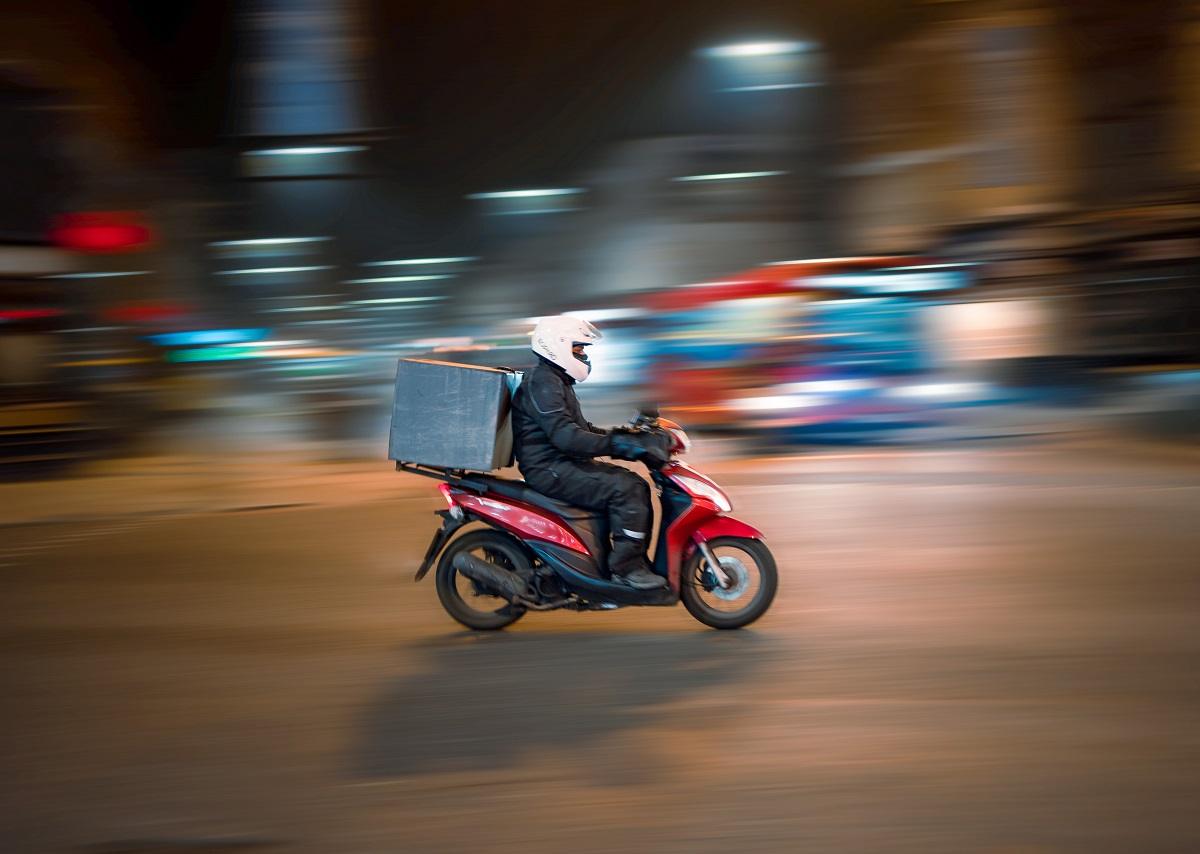
DoorDash is an on-demand delivery platform connecting customers with restaurants, grocery stores, convenience stores, pharmacies, pet retailers, and other local merchants. A customer enters a delivery address, chooses a store, adds items, reviews the total, tips the driver, and tracks the order through the app or website.
An independent delivery contractor, commonly called a Dasher, accepts the order, picks it up, and transports it to the customer. Depending on the merchant, the store may prepare the order before a driver arrives, or the Dasher may shop for individual items.
The app is generally easy to navigate. Search filters help customers browse by cuisine, delivery time, rating, price range, and available promotions. Live tracking and in-app messaging also make it possible to provide gate codes, substitution preferences, or detailed instructions such as, “Please leave the food at the side door, not with the neighbor who already thinks my takeout habit is a cry for help.”
DoorDash’s biggest advantage is selection. In many American cities, it offers far more than restaurant delivery. Customers can order groceries, beauty products, office supplies, flowers, electronics, alcohol where legally permitted, and last-minute household essentials.
Sources:
How Much Does DoorDash Really Cost?
The listed food subtotal is only the beginning. A typical DoorDash bill may include several separate charges:
- The merchant’s menu prices
- A delivery fee
- A service fee
- Sales tax
- A small-order fee when applicable
- A long-distance, regulatory, weather, or other location-based fee
- An optional express delivery fee
- A driver tip
Not every order includes every fee, but several can appear at the same time. Delivery fees vary by restaurant and location. Service fees may depend on the order amount, distance, market, and whether the customer has DashPass.
DoorDash displays the charges before the order is placed, so the most important money-saving habit is simple: inspect the final checkout screen. Do not judge affordability by the menu subtotal alone. A meal advertised at $18 can become a noticeably larger commitment after fees, tax, and a reasonable tip join the party.
Local regulations can also make a major difference. Certain cities and states have introduced rules affecting delivery-worker compensation or platform operations, and DoorDash may add a regulatory response fee in those markets. As a result, the same restaurant order can have a different final price in Seattle, New York City, Chicago, or a suburban market.
Sources:
Are DoorDash Menu Prices Higher?
They can be. Restaurants generally control the menu prices displayed on DoorDash, and some businesses charge more through third-party delivery apps than they do for direct pickup or in-store purchases. That difference can exist before DoorDash adds its service and delivery fees.
Independent cost comparisons have repeatedly found that third-party delivery can cost substantially more than ordering directly. One widely reported comparison of national fast-food orders found that the complete DoorDash cost, including app pricing, fees, and tips, was dramatically higher than pickup. A separate 2025 analysis comparing McDonald’s orders across delivery platforms also found a large difference between direct ordering and DoorDash delivery.
Those studies represent selected restaurants, cities, and order combinations, so they should not be treated as a universal markup percentage. Still, they confirm an important lesson: DoorDash’s true premium is not always visible in one neat line labeled “delivery fee.” Part of the extra cost may already be baked into the menu.
A Better Way to Compare Prices
Before ordering, open the restaurant’s own website or app and build the same cart for pickup. Compare that total with the DoorDash checkout price before the tip. The difference is the price of convenience.
Suppose the direct pickup total is $28, while DoorDash costs $39 before the tip. You are effectively paying an $11 convenience premium, plus whatever you tip the driver. That may be worthwhile during a storm, a work deadline, or a sick day. It may feel less brilliant when the restaurant is across the street.
Sources:
Is DashPass Worth It in 2025?
DashPass is DoorDash’s paid membership program. During 2025, the standard U.S. price was generally $9.99 per month or $96 per year. Eligible orders received a $0 delivery fee and reduced service fees after meeting the minimum subtotal shown in the app.
The phrase $0 delivery fee deserves careful attention. It does not mean the complete order is fee-free. Taxes, tips, menu price differences, and certain additional fees can still apply. DashPass is a discount program, not a magical portal where restaurant food travels for free.
DoorDash has stated that members save an average of approximately $4 to $5 on eligible orders. Based on that estimate, a $9.99 monthly membership can theoretically pay for itself after roughly two or three qualifying orders per month. Actual savings depend on the restaurants, order sizes, and fees in your market.
DashPass Is Most Likely Worth It When:
- You place at least two or three eligible DoorDash orders each month.
- Your preferred restaurants participate in DashPass.
- Your orders regularly meet the required minimum subtotal.
- You use DoorDash for groceries, convenience items, or retail purchases as well as food.
- You receive complimentary DashPass through an eligible credit card.
DashPass May Not Be Worth It When:
- You order delivery less than once a month.
- You mainly place small orders below the qualifying minimum.
- Your favorite local restaurants are not eligible.
- You frequently switch among DoorDash, Uber Eats, and Grubhub based on promotions.
- You forget about subscriptions until they reproduce in your bank statement.
Some Chase credit cards offered complimentary or promotional DashPass memberships in 2025. Before paying for a subscription, check your existing card benefits. A free membership changes the value calculation considerably because even one discounted order becomes a net benefit.
Customers can manage or cancel DashPass through the app or website. DoorDash recommends canceling before the next billing period, and promotional or trial benefits may end immediately after cancellation depending on the applicable terms.
Sources:
DoorDash Pros and Cons
Advantages of DoorDash
Excellent convenience: DoorDash can save a trip, parking time, waiting in line, and the energy required to put on socially acceptable pants.
Large merchant selection: In many markets, customers can choose from national chains, independent restaurants, grocery stores, pharmacies, convenience stores, and retail businesses.
Useful order tracking: Customers can see when the order is confirmed, prepared, picked up, and approaching the delivery address.
Flexible delivery instructions: Contactless delivery, gate information, apartment directions, substitution choices, and in-app communication can reduce confusion.
Frequent promotions: New-user deals, restaurant discounts, member offers, credit card benefits, and seasonal DashPass promotions can reduce the total cost.
DoubleDash convenience: Eligible customers may add an order from a second nearby merchant after placing the first order. The second delivery fee may be $0, although a service fee or minimum charge can still apply.
Sources:
Disadvantages of DoorDash
The total can be expensive: Menu markups, platform fees, taxes, and tips can turn an affordable meal into a premium purchase.
Food quality depends on distance: Delivery is not teleportation. Fries soften, ice melts, and delicate dishes may not survive a long car ride with their dignity intact.
Order accuracy is inconsistent: Missing drinks, incorrect sides, unavailable grocery items, and restaurant packing mistakes occur across delivery platforms.
Support outcomes can vary: DoorDash provides an in-app process for reporting missing or incorrect items. However, complaints submitted to the Better Business Bureau and other consumer platforms show that some customers have experienced disputes over refunds or credits. Complaint websites are not representative surveys, but they reveal a recurring frustration worth considering.
Small orders offer poor value: A delivery fee, minimum service charge, small-order fee, tax, and tip can easily rival the price of the food itself.
Promotions encourage extra spending: A discount is not automatically a saving if it convinces you to order something you had not planned to buy. “Spend $25 to save $5” still requires spending $20. Mathematics remains stubbornly unromantic.
Sources:
How Reliable Is DoorDash?
DoorDash reliability varies by city, restaurant, time of day, driver availability, traffic, and delivery distance. The app itself may provide a smooth experience while the actual order is delayed because the restaurant is overwhelmed or has not started preparing the food.
Orders from nearby restaurants with simple packaging generally travel better than complicated meals from distant locations. Pizza, rice bowls, sandwiches, and many baked dishes tend to handle delivery better than French fries, frozen desserts, or carefully plated food designed to be eaten immediately.
Customers can improve the odds of a successful delivery by providing a precise address, adding apartment or gate instructions, keeping the phone nearby, and choosing a restaurant within a reasonable distance. For grocery orders, selecting preferred substitutions before checkout can prevent a shopper from replacing your oat milk with something that seems to have been invented during a dairy emergency.
What to Do When an Order Is Wrong
- Open the completed order in the DoorDash app.
- Select the help or order-issue option.
- Choose the missing, incorrect, damaged, or undelivered item category.
- Provide accurate details and photographs when requested.
- Save screenshots of the receipt, delivery image, and support conversation.
Depending on the circumstances, DoorDash may issue app credit, a partial refund, or another resolution. The exact outcome is not guaranteed, particularly when an account has a history of repeated claims.
DoorDash vs. Uber Eats and Grubhub
There is no universal winner because restaurant availability, fees, promotions, and delivery times vary by address. DoorDash may be cheaper for one restaurant while Uber Eats wins for another. Grubhub may have a stronger relationship with a particular local restaurant or offer a better membership benefit through another service.
The smartest comparison method is to build the same order in two apps and compare the final totals. Look at the menu prices, service fees, delivery fees, estimated arrival times, available promotions, and membership benefits. Do not compare only the delivery-fee line.
DoorDash is often most attractive when it has better local restaurant coverage or when the customer already receives DashPass at no additional cost. A rival service may be a better choice when it offers a stronger promotion, lower menu prices, or a shorter delivery estimate.
Who Should Use DoorDash?
DoorDash can provide genuine value for people whose time, mobility, transportation, or circumstances make pickup difficult. It is particularly useful for:
- Busy parents managing dinner and family schedules
- Remote workers facing tight deadlines
- People who are sick, injured, or temporarily unable to drive
- Travelers staying without kitchen access
- Households sharing a large group order
- Customers using free DashPass or valuable promotional credits
- People ordering groceries or urgent household supplies
The service is less suitable for anyone focused primarily on minimizing food expenses. Cooking, direct pickup, restaurant loyalty programs, and first-party ordering are usually cheaper.
How to Save Money on DoorDash
- Compare with the restaurant’s direct price. A free delivery promotion cannot compensate for a large menu markup.
- Use DashPass only when the math works. Review your recent order history before subscribing.
- Check credit card benefits. You may already qualify for complimentary DashPass or monthly credits.
- Avoid tiny orders. Combining items into one planned order usually improves value.
- Choose nearby restaurants. Shorter distances can improve food quality and delivery speed.
- Skip optional express delivery unless necessary. Paying extra does not always guarantee that the restaurant prepares food sooner.
- Use pickup promotions. DoorDash pickup can occasionally offer discounts or member credits without delivery costs.
- Set a monthly delivery budget. Convenience spending becomes expensive when every stressful afternoon turns into a $34 sandwich.
Security and Account Considerations
DoorDash disclosed a security incident associated with an October 2025 social-engineering attack that exposed certain contact information belonging to some consumers, merchants, and Dashers. The reported information varied by individual.
Delivery accounts contain addresses, phone numbers, order history, and saved payment methods, so customers should use a unique password, avoid reusing credentials from other websites, enable additional account protections when available, and remain cautious of unexpected order-confirmation messages or phishing links.
Source:
Realistic DoorDash Experiences: Four Common Scenarios
The following examples are composite scenarios based on common ordering patterns rather than claims about one specific customer. Prices are illustrative and will vary by restaurant and location.
Experience 1: The Busy Family Dinner
A family of four arrives home late after work, school, and an appointment. Cooking would take an hour, and picking up food would require another round trip. They order $52 worth of entrees through DoorDash. After a service fee, tax, and a $10 driver tip, the total reaches approximately $69.
Direct pickup might have cost around $55 after tax, making the convenience premium roughly $14. Financially, pickup wins. Practically, DoorDash may still be worth it because the family uses the delivery time to handle homework, showers, laundry, and the mysterious collection of water bottles multiplying inside the car.
In this scenario, DoorDash is not cheap, but it solves a real time problem. The purchase is easier to justify because the order feeds several people and replaces a meaningful task.
Experience 2: The Lonely Late-Night Burrito
A customer orders one $13 burrito at 10:30 p.m. The menu price is slightly higher in the app. A delivery fee, service charge, tax, and $5 tip push the total close to $25.
The burrito may be delicious, but it now has the financial résumé of a small luxury item. Unless the customer cannot leave home or the restaurant is far away, this is where DoorDash provides weak value. Small orders have too little food cost over which to spread the fixed charges.
A frozen meal, direct pickup, or ordering enough food for tomorrow’s lunch would make more financial sense. This is also the type of order most likely to create “Where did my money go?” confusion at the end of the month.
Experience 3: The Regular DashPass User
A remote worker orders lunch or dinner three times per month from DashPass-eligible restaurants. Each qualifying order saves approximately $4 compared with the nonmember checkout total. The monthly savings reach around $12, slightly exceeding the standard $9.99 subscription price.
DashPass is worthwhile here, although the net benefit is modest. If the customer receives membership free through a credit card, the value becomes much stronger. If one order falls below the minimum subtotal or comes from an ineligible restaurant, the calculation may shift in the opposite direction.
This example illustrates why frequency alone is not enough. The orders must qualify, and the customer should not order more often simply to “use” the membership. Spending $90 to justify a $10 subscription is not a victory parade for personal finance.
Experience 4: The Missing-Item Problem
A customer orders dinner for three people, but one entree and two drinks are missing. The restaurant receipt shows the full order, while the sealed bag contains fewer items. The customer immediately reports the issue in the app and uploads photographs.
DoorDash may provide a refund or credit for the missing products, but the family still has an immediate problem: one person has no dinner. Refunds address the money; they do not rewind the evening.
This scenario highlights a weakness shared by delivery platforms. The driver may not be allowed to inspect a sealed restaurant bag, while the restaurant may believe everything was packed correctly. Customers with severe allergies, strict dietary requirements, or zero tolerance for missing items may prefer direct pickup, where the order can be checked before leaving.
Final Verdict: Is DoorDash Worth It in 2025?
DoorDash is worth it when convenience solves a genuine problem and the customer understands the complete cost. It can save time, expand access to local businesses, simplify group meals, and deliver essential products when leaving home is difficult.
DashPass can also be a sensible purchase for customers placing at least two or three qualifying orders per month, especially when their favorite merchants participate. Customers receiving free DashPass through a credit card have an even easier case for keeping the service.
However, DoorDash is rarely the cheapest way to eat. Menu markups, service fees, delivery charges, taxes, local surcharges, and tips can make delivery substantially more expensive than direct pickup. Small orders offer particularly poor value.
The honest verdict is that DoorDash should be treated as a convenience service, not a money-saving service. Use it intentionally for busy nights, difficult circumstances, large orders, and worthwhile promotions. Compare final prices, tip fairly, and remember that a $0 delivery fee does not mean your dinner has escaped the laws of economics.
SEO Metadata
Note: DoorDash prices, fees, membership benefits, promotions, and merchant availability vary by address. Review the current checkout total and applicable terms before placing an order.