
There was a time when the phrase 60/40 portfolio sounded so standard it barely needed an explanation. Sixty percent in stocks for growth, 40% in bonds for ballast, and voilà: a balanced portfolio that tried to keep your long-term plan from turning into a full-time stress hobby. For decades, it was the investing equivalent of a sensible pair of shoes. Not flashy, not dramatic, but surprisingly hard to beat.
Then 2022 showed up like an uninvited guest with muddy boots. Stocks fell. Bonds fell. Diversification looked less like a safety net and more like two people tripping over the same rug at the same time. That painful year sparked a new question across Wall Street, retirement planning circles, and plenty of kitchen tables: Is 75/25 the new 60/40?
It is a fair question, but not because 60/40 suddenly became foolish. The real reason the debate exploded is that the investing world changed. Bond yields were painfully low for years, inflation returned, life expectancies kept stretching, and investors needed to think harder about whether a traditional stocks and bonds allocation still offered the right blend of growth, income, and resilience.
The short answer is this: 75/25 is not the new universal 60/40. It may be a smarter fit for some investors, especially those with long time horizons and strong stomachs. But for others, the classic balanced mix still does exactly what it was designed to do. In other words, the old recipe is not dead. It just has some younger, louder competition.
What 60/40 Was Built to Do
The traditional 60/40 asset allocation was never meant to win every year. It was built to do something much more useful: provide a reasonable balance between growth and stability over long periods of time. Stocks do the heavy lifting for returns. Bonds help reduce volatility, provide income, and, in many market environments, cushion stock sell-offs.
That last part is important. A good portfolio is not just about average returns on a spreadsheet. It is also about investor behavior. If a portfolio drops so hard that you panic, sell low, and swear off investing forever, the “better” allocation was not actually better for you. It was just more dramatic.
This is why 60/40 became such a durable framework. It gave investors enough equity exposure to grow wealth, but enough fixed income to help them stay invested during ugly stretches. For retirement savers, moderate-risk households, and anyone who likes their investing with fewer cardiac side effects, that balance matters.
Even today, the logic still holds. A balanced portfolio can reduce drawdowns, smooth the ride, and make rebalancing more powerful. When one side gets knocked around, the other side can give you something to trim, something to buy, or at least something to blame less aggressively.
Why the 75/25 Argument Took Off
The push toward a 75/25 portfolio did not come out of nowhere. It grew out of several real market and demographic trends.
1. Bond yields were too low for too long
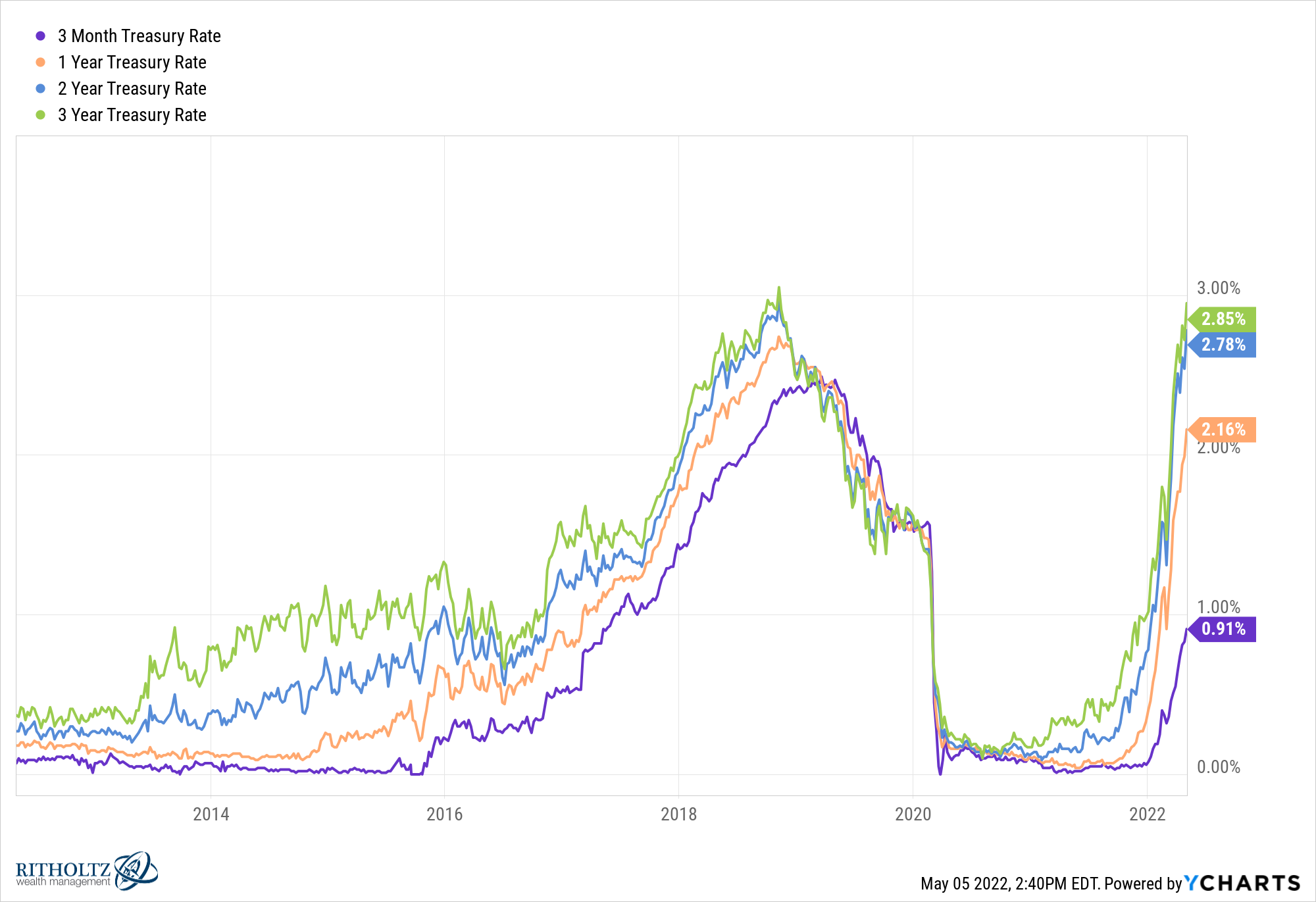
For much of the 2010s and into the early 2020s, bond yields were so low that many investors started wondering whether 40% in bonds was doing enough. The fear was simple: if bonds were offering meager income and limited return potential, why devote such a large chunk of a portfolio to them? That concern became louder when inflation picked up, because low-yield bonds looked especially vulnerable in real, after-inflation terms.
2. People need portfolios to last longer
Longer life expectancy changes the math. A retirement portfolio may need to support spending for 25 or 30 years, sometimes longer. More years in retirement can justify a somewhat higher equity allocation, especially for investors who still need growth even after they stop working. A portfolio that is too conservative may protect you from short-term volatility only to expose you to a different risk: running short on growth.
3. Equity-heavy portfolios may better match long horizons
If you are 30, 40, or even 50 and still have years before major withdrawals begin, more stock exposure can be reasonable. Over long periods, equities have historically delivered higher returns than bonds. That does not make them “safe,” but it does make them useful when the goal is compounding, not comfort.
4. Inflation changed the conversation
2022 reminded investors that bonds do not always save the day. In a high-inflation, fast-rate-hiking environment, both stocks and bonds can get hit together. That led many people to ask whether the old moderate mix was based too heavily on a period when inflation was tame and bond/equity correlations were more friendly.
What 75/25 Actually Means
One reason this debate gets messy is that 75/25 does not always mean the same thing. In its plainest form, it means 75% stocks and 25% bonds. But in some versions of the argument, that 25% may include shorter-duration fixed income, cash equivalents, or other income-producing diversifiers. The common thread is not the exact instrument. It is the idea that many investors may need more growth exposure than the classic 60/40 provides.
The case for 75/25 is not that bonds are useless. It is that less bond exposure may be enough for certain investors, particularly if they want higher expected returns and can tolerate a bumpier ride. Think of it as turning the growth dial up without going full 100% equities and starting every market correction with a pep talk and herbal tea.
The Strongest Case for 75/25
The best argument for 75/25 is not hype. It is fit.
If you are still accumulating assets, have a stable income, are years away from retirement withdrawals, and genuinely understand what a 30% to 40% equity drawdown feels like, then a higher-equity allocation can make sense. A 75/25 mix may offer more upside than 60/40 while still keeping some dry powder in fixed income.
That 25% still matters. It can provide liquidity for rebalancing, reduce volatility versus an all-stock portfolio, and help investors avoid the emotional whiplash that often comes with 100% equity exposure. In other words, 75/25 is not just about chasing returns. It is about finding a middle ground between aggressive growth and basic portfolio discipline.
There is also a practical angle. Many investors do not fail because they picked a terrible allocation. They fail because they picked one they could not stick with. A 75/25 portfolio may be easier to hold than 100% stocks while still offering more long-term growth potential than 60/40. For the right person, that is a meaningful compromise.
The Strongest Case Against 75/25
Now for the less exciting but extremely important part: more stock exposure means more pain when markets fall. There is no clever way around that. A 75/25 portfolio will usually be more volatile than a 60/40 portfolio, and that matters most when the timing is bad.
If you are approaching retirement, already drawing income, or funding a major goal in the next few years, a sharper drawdown can do real damage. This is where sequence-of-returns risk becomes a big deal. Poor returns early in retirement can be especially hard on a portfolio that is also making withdrawals. In that situation, “higher expected return” can be true in theory and still unhelpful in practice.
There is also the emotional risk. Plenty of investors say they can handle volatility. Fewer can handle it while watching six figures disappear, hearing scary headlines, and trying not to refresh their account every 11 minutes. If 75/25 causes you to sell at the wrong time, then it was never the right allocation, no matter how pretty the long-term chart looked.
And here is the overlooked point: the role of bonds changed once yields moved higher. When yields were near the floor, the argument for reducing bond exposure was stronger. But with higher starting yields, bonds once again offer more income and more potential to matter. That weakens the claim that every balanced investor should automatically shift upward into more equity risk.
Why 60/40 Is Not Dead
Much of the “60/40 is dead” narrative was born from one brutal year. That year mattered, but it did not erase decades of portfolio construction logic. In fact, once rates rose and bond yields improved, the outlook for balanced portfolios became more compelling again.
This is the part many hot takes skip: a bond is not just a recent price chart. It is also a future stream of income. After yields reset higher, fixed income began to look more useful than it did in the zero-rate era. That does not guarantee easy returns, but it does restore part of the argument for holding bonds in meaningful size.
Recent market action also reminded investors that 60/40 can recover. In more normal inflation conditions, the stock/bond relationship can again provide diversification benefits. Not perfectly, not every week, and certainly not on command like a well-trained golden retriever, but often enough to matter.
The stronger point is that 60/40 remains a sensible balanced portfolio for investors with moderate growth needs, moderate risk tolerance, and a desire for steadier compounding. It is still especially relevant for retirees, near-retirees, and anyone whose portfolio needs to support spending rather than simply maximize upside.
So, Is 75/25 the New 60/40?
Not exactly.
A better answer is this: 75/25 is a credible modern alternative to 60/40 for a specific kind of investor. It reflects a world in which people may need more growth, may live longer, and may be less willing to devote a huge share of their money to low-return assets. But that does not make it the new default for everyone.
For younger investors, higher earners, and long-term accumulators, 75/25 may be more appropriate than the classic balanced mix. For retirees, conservative investors, or anyone with near-term spending needs, 60/40 may still be the smarter choice. And for many households, the real answer may be somewhere in between: 70/30, 65/35, or a more globally diversified allocation that reflects personal goals rather than internet debates.
There is also a newer twist to all of this. Some large asset managers are no longer framing the future as 75/25 versus 60/40 at all. They are talking about mixes that add alternatives, real assets, or private-market exposure. That does not mean ordinary investors need to rush into anything exotic. It simply means the old one-size-fits-all balanced portfolio is being replaced by more customized thinking.
In other words, the right question is not “What is the new magic ratio?” The right question is “What asset allocation can I hold through inflation scares, rallies, recessions, boring years, and years when the market acts like it drank espresso through a fire hose?”
How to Decide Between 60/40 and 75/25
Start with your time horizon. The longer the horizon, the more reasonable higher equity exposure becomes.
Next, be honest about risk tolerance. Not your imaginary risk tolerance. Your real one. The kind that shows up when markets are ugly and your calm, rational investing brain takes a suspiciously long lunch.
Then consider your need for portfolio income and stability. If withdrawals are close, or already happening, bonds still have an important job. If withdrawals are far away, you may have more flexibility to lean toward growth.
Finally, remember that asset allocation is not a moral contest. A 75/25 investor is not “smarter” than a 60/40 investor. A 60/40 investor is not “outdated.” The best allocation is the one that matches your objectives and that you can stick with when the market stops behaving nicely.
Investor Experiences: What This Debate Looks Like in Real Life
To understand why the 75/25 versus 60/40 debate matters, it helps to picture how it feels in real life rather than just in a spreadsheet. Consider a 32-year-old software engineer who has a stable salary, no plans to touch her retirement account for decades, and enough emergency savings to handle surprises. For her, a 75/25 mix may feel completely reasonable. She wants growth, she expects volatility, and she can keep investing through downturns. When stocks fall, she does not love it, but she sees it as part of the deal.
Now compare that with a 58-year-old couple planning to retire in seven years. They are not trying to win the highest possible return trophy. They are trying to reduce the odds of seeing a major loss right before retirement. For them, a 60/40 portfolio may feel more practical because it offers a smoother path and more confidence that they will not have to delay plans if markets hit a pothole at the wrong time.
There is also the experience of investors who lived through 2022 and came away rattled. Some realized they had assumed bonds would always protect them, and that assumption cracked. Others overreacted and decided bonds were useless forever. Then markets shifted again, and many of those same investors discovered something uncomfortable: the bigger risk was not owning the “wrong” mix for one year, but changing course emotionally every time the market narrative changed costumes.
Another common experience is the disciplined rebalancer. This investor does not obsess over headlines. If stocks soar and push a 75/25 portfolio up to 80/20, they trim and rebalance. If stocks crash and bonds hold up better, they buy equities when it feels unpleasant. That behavior matters more than people think. A portfolio is not just a ratio; it is a process.
Then there is the all-too-human investor who picks 75/25 because it sounds modern, bold, and a little cooler at parties, only to discover that a rough market feels much less cool in real time. Seeing larger swings can shake confidence fast. By contrast, an investor in 60/40 may earn slightly less over a long period but sleep better, stay invested, and avoid costly panic moves. That outcome can be a win, not a compromise.
The real lesson from these experiences is simple: the best portfolio is deeply personal. The ratio has to match your timeline, your spending needs, your ability to keep contributing, and your emotional wiring. A portfolio that looks brilliant on paper but causes bad decisions in practice is not a smart portfolio. It is just a fancy regret generator.
Final Takeaway
So, is 75/25 the new 60/40? For some investors, yes, in spirit. It reflects a world that demands more growth and accepts more short-term volatility. But as a blanket rule for everyone, no. The classic 60/40 portfolio still has a real purpose, especially now that bonds offer more income than they did in the low-rate years.
The better framework is not to replace one rule with another. It is to recognize that asset allocation should be built around time horizon, risk tolerance, withdrawal needs, and discipline. The future of portfolio construction may be more flexible than the past, but flexibility is not the same thing as abandoning balance.
If 60/40 was the old default, 75/25 is the new challenger. It is not the automatic winner. It is simply another serious option in a world where investors can no longer afford to confuse tradition with truth or novelty with wisdom.
This article is for educational purposes only and should not be considered personal investment advice.
SEO Tags