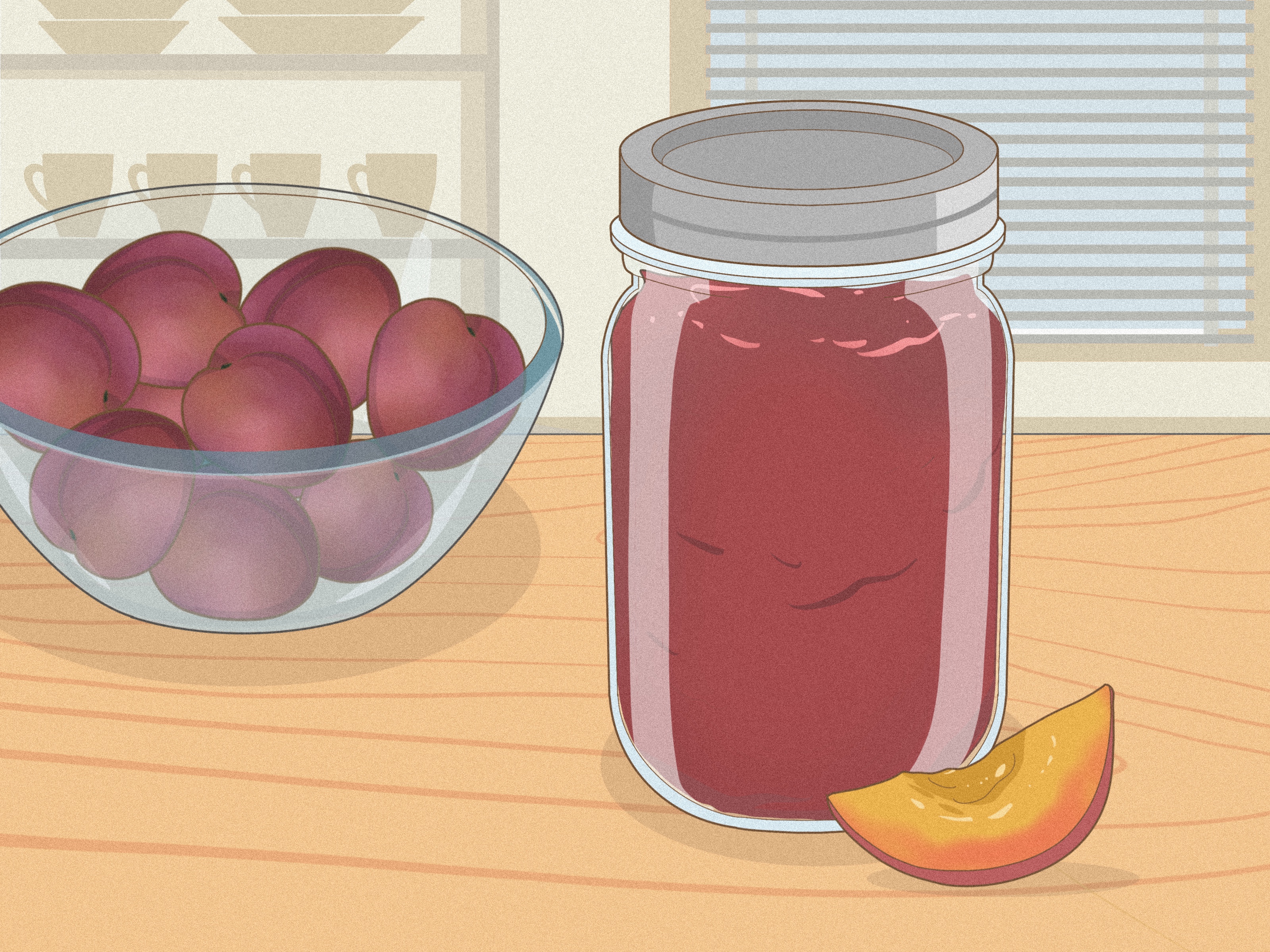

You bring home a beautiful bag of plums, take an enthusiastic bite, and discover that the fruit has the texture of a golf ball and the flavor of slightly sweetened tap water. Fortunately, many plums continue ripening after harvest. With a paper bag, room temperature, and a little help from ethylene gas, firm plums can become softer, juicier, and more aromatic without any strange kitchen experiments.
This guide explains how to ripen plums quickly, recognize peak ripeness, avoid common mistakes, and store whole, cut, or frozen plums properly.
Can Plums Ripen After They Are Picked?
Most common fresh-market plums can continue to ripen after being picked. They produce and respond to ethylene, a natural plant hormone that helps trigger changes in texture, aroma, color, and flavor.
However, a plum must have reached sufficient maturity before harvest. A mature but firm plum can become tender and flavorful on your countertop. A severely immature plum may soften without becoming especially sweet. Your kitchen can finish the ripening process, but it cannot give the fruit another week on the tree.
Variety also matters. Some plum cultivars ripen quickly and evenly, while others respond more slowly to ethylene. UC Davis notes that well-mature plums generally ripen properly without commercial ethylene treatment, while certain slow-ripening varieties may require more assistance for uniform ripening.
How to Tell Whether a Plum Is Ripe
Do not rely on color alone. Depending on the variety, ripe plums may be red, purple, black, yellow, green, or a combination of several colors. Use these signs together.
Gentle Softness
Hold the plum in your palm and press lightly near the stem. A ripe plum should yield slightly without feeling mushy. A rock-hard plum needs more time. A plum that collapses under gentle pressure is probably overripe or bruised.
A Sweet Aroma
Smell the fruit near the stem end. Ripe plums often have a noticeable sweet, fruity scent. A sharp alcoholic, sour, or fermented odor suggests that the plum has moved beyond dessert and is preparing for a second career as vinegar.
Full, Smooth Skin
Look for smooth skin without leaking cracks, fuzzy growth, or deeply sunken brown areas. The dusty white coating on some plums is called bloom. It is a natural waxy layer, not mold.
Weight
A good plum should feel relatively heavy for its size. That weight usually indicates plenty of juice inside rather than dry, mealy flesh.
How to Ripen Plums Quickly With a Paper Bag
The most reliable household method is placing plums in a loosely closed brown paper bag at room temperature. The bag traps some of the ethylene produced by the fruit while still allowing excess moisture to escape. USDA and university-extension guidance recommend paper-bag ripening for unripe plums, followed by refrigeration once they are ready to eat.
Step-by-Step Instructions
-
Inspect the plums.
Remove fruit with mold, leaking cracks, slimy areas, or extensive bruising. -
Keep the fruit dry.
Do not wash plums before ripening. Moisture trapped around the fruit can encourage mold. -
Place the plums in a paper bag.
Arrange them in one layer when possible. Avoid packing the bag tightly. -
Add one ripe banana or apple.
This optional step increases the concentration of ethylene and can speed up ripening. -
Fold the bag loosely.
Do not seal it airtight. The goal is to retain some ethylene without trapping excessive humidity. -
Leave the bag at room temperature.
A shaded area between approximately 65°F and 75°F works well. -
Check the fruit every 12 hours.
Remove each plum as soon as it becomes fragrant and yields gently to pressure. -
Refrigerate ripe plums.
Cold storage slows further softening and extends their useful life.
How Long Does It Take to Ripen Plums?
| Starting Condition | Ripening Method | Estimated Time |
|---|---|---|
| Firm but mature | Uncovered countertop | About 2–4 days |
| Firm but mature | Paper bag | About 1–3 days |
| Firm but mature | Paper bag with a ripe banana or apple | Sometimes 1–2 days |
| Very hard and immature | Any household method | May soften but remain tart or bland |
These are practical estimates rather than guaranteed deadlines. Plum variety, starting maturity, previous refrigeration, humidity, and room temperature can all change the timing.
Should You Add a Banana or Apple?
Adding a ripe banana or apple is helpful when your plums are mature but stubbornly firm. Both fruits release ethylene, which can encourage faster and more uniform ripening.
One companion fruit is enough for a small bag of plums. Adding several bananas may create too much moisture and accelerate softening beyond the point you intended. Check the bag in the morning and evening, especially in a warm kitchen.
Plum-Ripening Methods to Avoid
Direct Sunlight
A sunny windowsill may heat the surface faster than the center. The result can be wrinkled skin, uneven softness, or cooked-tasting areas rather than properly ripened fruit. Choose a shaded countertop instead.
A Sealed Plastic Bag
Plastic traps ethylene, but it also traps condensation. Excess moisture encourages mold and decay. Clemson Extension specifically recommends a loosely closed paper bag and notes that plastic bags are unsuitable for room-temperature ripening.
The Microwave or Oven
A microwave can soften plum flesh, but cooking is not the same as ripening. A heated hard plum may become warm and mushy while remaining unpleasantly tart. Use heat only when making sauce, compote, roasted plums, or another cooked recipe.
Burying Plums in Rice
Dry rice does not produce ethylene. Any apparent benefit usually comes from partially enclosing the fruit rather than from the rice itself. UC Davis also warns that rice may create dry conditions that encourage shriveling. Save it for dinner.
Refrigerating Hard Plums Immediately
Cold temperatures slow the ripening process. If the plums are too firm, let them ripen at room temperature before placing them in the refrigerator.
How to Store Plums Properly
How to Store Unripe Plums
Keep unripe plums at room temperature in a shallow bowl, on a plate, or inside a paper bag. Protect them from direct sunlight and do not stack them deeply, because the weight of the upper fruit may bruise the plums underneath.
Check them daily. Plums in the same package rarely ripen at exactly the same rate, so move ripe fruit to the refrigerator individually.
How to Store Ripe Whole Plums
Once ripe, place plums in the refrigerator. A perforated produce bag or loosely covered container limits moisture loss while allowing airflow.
For best flavor and texture, ripe supermarket plums are generally best eaten within approximately three to five days. Firmer, freshly harvested fruit that is cooled promptly may last longer under ideal conditions, but storage life varies considerably by variety and maturity. University of Minnesota Extension notes that promptly refrigerated plums can remain usable considerably longer than already-ripe retail fruit.
Keep plums in a fruit drawer when possible. Avoid storing them beneath heavy containers, melons, or beverage bottles unless flattened plum is part of tonight’s menu.
Should You Wash Plums Before Storing Them?
It is generally better to store plums dry and wash them just before eating or cutting. Moisture left on the skin can accelerate mold growth.
The FDA recommends washing fresh produce under plain running water and gently rubbing the surface. Soap, detergent, bleach, and commercial produce washes are not recommended. Dry washed fruit with a clean cloth or paper towel.
How to Store Cut Plums
Place sliced or halved plums in an airtight container and refrigerate promptly. For the best texture, use them within one or two days. A small amount of lemon juice can help slow discoloration, although it will make the fruit slightly more acidic.
Do not leave cut plums at room temperature for more than two hours. Pre-cut and peeled produce should be refrigerated promptly for both quality and food safety.
How to Freeze Fresh Plums
Freezing is a smart solution when several plums ripen at once and your fruit bowl suddenly becomes a race against time.
- Select ripe, firm plums without mold or major bruising.
- Wash the fruit under running water and dry it completely.
- Cut the plums into halves, quarters, or slices.
- Remove the pits.
- Arrange the pieces in one layer on a lined baking sheet.
- Freeze until solid.
- Transfer the frozen pieces to freezer-quality bags or airtight containers.
- Remove excess air, label the package, and add the date.
Plums may also be frozen whole, in sugar, or in syrup. Extension preservation guides recommend using firm, ripe fruit and moisture-resistant freezer packaging. Ascorbic acid may be added to syrup to help preserve the fruit’s color.
For the best quality, use frozen plums within approximately 8 to 12 months. Their texture will be softer after thawing, so they are best used in smoothies, sauces, jams, crisps, chutneys, muffins, or baked desserts rather than fresh fruit salads.
How to Prevent Mold and Spoilage
Inspect plums before placing them together. Remove any fruit with fuzzy growth, leaking juice, split skin, rapidly expanding brown spots, slimy flesh, or a strong fermented smell.
Decay can spread quickly between ripening stone fruits, particularly when damaged plums touch healthy ones. University of Minnesota Extension warns that brown rot can move rapidly from one fruit to another during ripening and postharvest storage.
Wash bowls and containers between batches, keep the ripening area dry, and never reuse a bag that recently held moldy fruit.
Common Mistakes When Ripening and Storing Plums
- Waiting for every plum to ripen together: Remove ripe fruit one piece at a time.
- Squeezing too hard: Repeated thumb pressure can bruise the flesh.
- Confusing softness with sweetness: An immature plum can soften without developing good flavor.
- Leaving a banana in the bag too long: Remove it once the plums begin softening.
- Ignoring one damaged plum: A moldy or leaking plum can spoil nearby fruit.
- Sealing damp fruit in a container: Trapped condensation encourages decay.
Frequently Asked Questions
Can Plums Ripen Overnight?
A mature plum that is already close to ripe may soften overnight in a paper bag with a banana or apple. Very hard plums typically need more time.
Do Plums Become Sweeter After Picking?
Plums often taste sweeter as they soften, develop aroma, and lose some sharp acidity. However, harvested fruit is no longer receiving additional sugar from the tree, so its potential flavor depends heavily on harvest maturity.
Can Refrigerated Plums Be Ripened Later?
Yes. Remove firm plums from the refrigerator and allow them to ripen at room temperature. Ripening may be slower after long periods of cold storage.
What Can You Make With Overripe Plums?
Overripe plums that still smell fresh and show no mold are excellent for jam, compote, smoothies, chutney, barbecue sauce, muffins, crisps, or roasted fruit. Discard plums that smell fermented, feel slimy, or show visible mold.
Practical Experience Notes: What Happens in a Real Kitchen
The first thing you notice when ripening plums at home is that the calendar matters less than observation. Two plums from the same package may behave as though they were raised in completely different households. One can become fragrant and tender overnight, while another remains firm for three more days. Checking the fruit twice daily is far more useful than blindly following a fixed 48-hour schedule.
A simple kitchen comparison makes the difference clear. Place three firm plums uncovered on a shaded counter, three inside a paper bag, and two inside another paper bag with one ripe banana. The banana-bag plums will often show the first noticeable softness near the stem. The plain-bag group usually follows, while the uncovered fruit may take longer and lose slightly more moisture.
The results will not be identical with every variety, but the paper bag generally creates a more manageable ripening environment. It retains some natural ethylene without trapping as much condensation as sealed plastic.
The next important lesson is to remove ripe plums individually. Many people wait until every plum in the bag feels soft. By then, the first ripe fruit may have turned into a leaking purple stress ball while the last one is still refusing to cooperate. As soon as a plum smells sweet and yields gently, transfer it to the refrigerator. Leave the firmer fruit at room temperature.
Room temperature changes the timing dramatically. In a warm summer kitchen, plums can move from firm to fully ripe between breakfast and dinner. In a cool, air-conditioned room, the same batch may need another day. This is why the bag should not be placed beside an oven, on top of a refrigerator, or in direct sunlight. Excess heat may cause wrinkling and uneven softness rather than better flavor.
Aroma becomes especially helpful when working with several varieties. Dark skin does not always mean ripe, and some green or yellow plums remain pale even when ready to eat. Smelling the stem end and then applying very light pressure near the shoulder is more reliable than waiting for one particular color.
Storage mistakes are also easy to recognize after one unfortunate refrigerator experiment. Plums stored beneath heavy groceries bruise. Damp plums sealed in plastic develop condensation. A healthy-looking batch placed beside one moldy fruit may decline rapidly. A better routine is to keep ripe plums dry, place them in a shallow perforated bag or loosely covered container, and check them daily.
Freezing is the most practical rescue plan when several plums reach peak ripeness together. Pit and slice the extra fruit, freeze the pieces in one layer, and transfer them to a freezer bag once solid. They will become softer after thawing, but their flavor works beautifully in smoothies, sauces, crisps, and baked desserts.
The biggest lesson is simple: use warmth and ethylene to encourage ripening, then use refrigeration to slow it down. Treat every plum according to its condition rather than forcing the whole batch onto one schedule. That small habit produces better fruit and far fewer mysterious puddles in the produce drawer.
Conclusion
To ripen plums quickly, place mature, firm fruit in a loosely closed paper bag at room temperature. Add one ripe banana or apple for additional ethylene, inspect the fruit every 12 hours, and refrigerate each plum as soon as it becomes fragrant and yields gently.
Avoid direct sunlight, sealed plastic bags, microwaving, and rice-based folklore. Store ripe plums dry and protected from crushing, refrigerate cut fruit promptly, and freeze any surplus before it becomes overripe.
The process is simple: room temperature moves ripening forward, while refrigeration applies the brakes. Time those two stages correctly, and your reward will be a sweet, juicy plum instead of either a crunchy disappointment or a refrigerated science project.
SEO Metadata