#873 Finding a Mix Tape Given to You by an Old Boyfriend or Girlfriend – 1000 Awesome Things

There are ordinary discoveries, like finding a missing sock behind the dryer. Then there are emotional archaeological events, like opening a dusty shoebox and finding a mix tape given to you by an old boyfriend or girlfriend. Suddenly, you are not cleaning your closet anymore. You are time traveling in sweatpants.
The tape may be labeled in dramatic handwriting: “For You,” “Summer 1998,” “Songs That Made Me Think of Us,” or, if your ex had the subtlety of a marching band, “Please Understand My Heart.” Maybe the plastic case is cracked. Maybe the paper insert has faded. Maybe there is a tiny doodle of a moon, a flower, a sad guitar, or two stick figures standing under a suspiciously lopsided sun. But the second you hold it, the past politely kicks down the door.
That is why finding an old mix tape is one of those tiny, strange, awesome things. It is not just a cassette. It is a handmade playlist with fingerprints. It is romance before “share link.” It is a love letter with choruses. It is a museum exhibit from a relationship that once felt like the main plot of the universe.
The Magic of a Mix Tape Was Never Just the Music
A mix tape was not a casual gift. Nobody accidentally made one while half-watching television. Creating a cassette mix required planning, patience, and a willingness to hover near a stereo like a raccoon guarding snacks. You had to choose songs, arrange them, time each side, press record at the right second, and pray the radio DJ did not talk over the opening guitar riff like a monster.
That effort mattered. A mix tape said, “I spent time thinking about you.” Not “I clicked a button.” Not “an algorithm thinks you may enjoy 47 minutes of moody indie pop.” A person made decisions. They chose the opening track carefully. They debated whether the sad song was romantic or emotionally alarming. They probably included one song that was a little too intense and then pretended it was “just because the melody is good.” Sure, Chad. We all heard track seven.
The cassette format added its own charm. Unlike a digital playlist, a tape asked the listener to move through the songs in order. You could fast-forward, technically, but it was not elegant. You had to wait, guess, overshoot, rewind, and eventually accept your fate. The sequence mattered. Side A had a mood. Side B had a confession. The final song was often the emotional mic drop.
Why Old Love Tapes Hit So Hard
Music is one of the most powerful memory triggers because it does not politely knock on the brain’s door. It barges in wearing your old jacket and smelling like somebody’s car air freshener. A song can pull back details you thought were gone: the street where you walked together, the awkward first movie date, the cafeteria table, the rainy goodbye, the exact way someone laughed when they were trying not to.
That is why finding a mix tape from an old boyfriend or girlfriend can feel oddly emotional even if you are perfectly happy now. Nostalgia is not always about wanting the past back. Sometimes it is about recognizing that the past helped build you. The person who made that tape may no longer belong in your life, but the version of you who received it still does. That younger self was hopeful, nervous, dramatic, easily impressed by handwritten lyrics, and possibly wearing jeans that should have been illegal.
The tape becomes a little emotional time capsule. It captures not only what songs were popular, but what love sounded like to two people at a specific moment. Maybe it was full of power ballads, punk songs, R&B slow jams, folk heartbreak, or alternative rock that sounded like everyone involved needed a nap and a journal. Whatever the genre, the message was personal: “These songs explain something I cannot say out loud without turning into soup.”
The Handwriting, the Case, the Tiny Details
Half the joy of rediscovering an old mix tape is the packaging. Before cover art became a thumbnail, it was a tiny paper rectangle called a J-card, and people treated it like the Sistine Chapel of feelings. They wrote song titles in careful pen. They added stars, hearts, lightning bolts, inside jokes, and mysterious initials. Some people used stickers. Some used magazine cutouts. Some drew elaborate designs that said, “I am artistic,” or at least, “I own three markers.”
Those details are often more revealing than the track list. The scratched-out title. The misspelled band name. The note squeezed into the corner. The perfume that may or may not still exist after two decades. The smiley face after a song that was absolutely not cheerful. These little human mistakes make the object feel alive.
A digital playlist can be beautiful, useful, and easy to update. But it does not usually come with smudged ink or evidence that someone pressed too hard while writing your name. It does not have a plastic case that clicks shut. It does not rattle when you shake it. It does not look like it survived three moves, one breakup, two storage bins, and the emotional weather system known as “college.”
What a Mix Tape Says About the Person Who Made It
A mix tape is part gift, part confession, part personality test. The maker reveals themselves through every song choice. The first song says, “This is how I want you to feel when you press play.” The middle songs say, “Here is my taste, my insecurity, my coolness strategy, and possibly my entire worldview.” The last song says, “Please think about me after the tape stops.”
Some people made tapes to impress. They included obscure bands and hoped you would ask questions. Some made tapes to flirt. They stacked the list with songs about wanting, missing, kissing, and looking meaningfully across rooms. Some made apology tapes, which are basically emotional invoices set to music. Some made breakup tapes, the romantic equivalent of leaving a flaming paper bag on someone’s porch.
And then there were the accidental masterpieces: tapes made by people who were not trying to be cool, only honest. Maybe the transitions were clumsy. Maybe the genres made no sense. Maybe the tape went from a tearjerker ballad to a dance track with the emotional grace of a shopping cart hitting a curb. But it worked because it was sincere.
From Cassette Culture to Streaming Playlists
Today, we share music instantly. We send songs by text. We build playlists on streaming platforms. We post tracks to stories and hope the right person notices, which is the modern equivalent of holding a boombox outside a window but with worse posture. The spirit of the mix tape is still alive, but the ritual has changed.
Streaming made music easier to share, but it also made sharing feel lighter. A playlist can be edited anytime. A song can be deleted without leaving a physical scar. The listener can shuffle it, skip it, or ignore it while answering emails. A cassette demanded more commitment. Once recorded, it had a shape. It had limits. It could not hold everything, which forced the maker to choose. And choosing is where romance lives.
That is one reason analog formats continue to fascinate people even in a streaming-first world. Physical music has weight. Vinyl records, CDs, and cassettes invite touch. They ask you to slow down, look at the artwork, read the notes, and participate. A mix tape is especially intimate because it is not only physical music; it is physical music arranged by one person for another.
Why Finding One Years Later Feels Like Opening a Secret Door
When you find an old mix tape, you are not only discovering an object. You are discovering proof that someone once tried. They tried to be understood. They tried to be romantic. They tried to make you laugh, swoon, forgive them, miss them, or realize that track four was definitely “your song.”
Even if the relationship ended badly, the tape may preserve a softer moment. Before the argument, before the awkward silence, before the mutual unfollowing that would have happened if social media had been around, there was a person sitting near a stereo choosing songs for you. That does not erase the ending, but it complicates the memory in a very human way.
Sometimes the tape makes you smile. Sometimes it makes you cringe so hard your face attempts to leave the building. Sometimes it makes you grateful. Sometimes it makes you wonder what happened to that person and whether they still alphabetize their feelings through music. The best discoveries do not give one simple emotion. They give a whole messy drawer full of them.
Should You Listen to It?
This is the big question. You find the tape. You hold it. You stare at the handwriting. You remember that you may not even own a cassette player anymore because technology sprinted away while you were busy updating passwords. So, should you listen?
If you can, yes. Carefully. Not because you need to relive the relationship, but because the tape is part of your story. Listening may feel sweet, awkward, funny, or surprisingly boring. You may discover that the songs have aged beautifully. You may discover that your ex had the musical taste of a haunted vending machine. Either outcome is valuable.
But listening is not required for the moment to matter. Sometimes simply finding the tape is enough. You can appreciate it as an artifact. You can place it back in the box. You can take a photo. You can laugh at the title. You can silently thank the past and continue cleaning, although let’s be honest, the closet project is probably finished emotionally if not physically.
How to Preserve an Old Mix Tape
If the tape matters to you, treat it gently. Store it away from heat, sunlight, moisture, and magnets. Do not leave it in a hot car unless your goal is to create experimental plastic linguine. Keep it in its case, and avoid playing it repeatedly on a questionable old deck that sounds like it was assembled by raccoons.
You can also digitize it. Many audio shops and home-transfer devices can convert cassette audio into digital files. This is helpful if you want to preserve the sound without wearing out the tape. Digitizing an old mix tape is not quite the same as holding it, but it lets the songs survive in a form you can actually play without hunting for batteries, cables, or a machine last seen in your parents’ basement.
Still, keep the original if it feels meaningful. The hiss, the handwritten label, the uneven volume, the slightly wobbly sound near the end of Side Bthose imperfections are the point. They remind you that the tape was made by a person, not polished by a platform.
What This Awesome Thing Teaches Us
Finding a mix tape from an old boyfriend or girlfriend reminds us that love used to require more manual labor. You could not simply drag tracks into a playlist and add a heart emoji. You had to wait by the radio, borrow CDs, cue records, flip sides, write labels, and hope the tape did not run out halfway through the emotional climax. Romance had logistics.
But the deeper lesson is not that old technology was better. It is that attention is romantic. A handmade playlist, a carefully written note, a printed photo, a saved ticket stub, a remembered coffee orderthese things matter because they show someone was paying attention. The format changes. The feeling does not.
That is why the mix tape still has power. It is proof that someone once tried to translate affection into sound. They may have succeeded. They may have failed spectacularly. They may have included too much saxophone. But they tried, and years later, that effort is still sitting in a box, waiting to ambush you with feelings.
Extra Reflections: The Experience of Finding an Old Love Tape
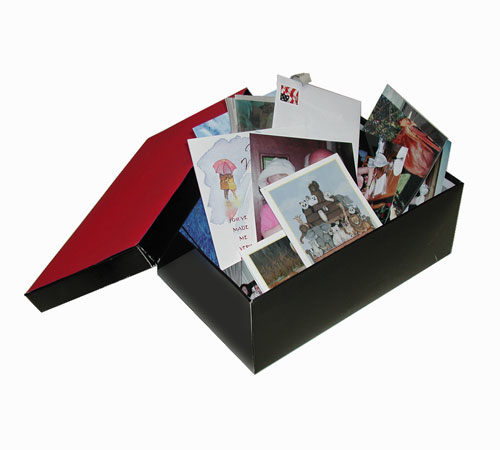
Imagine this: you are doing the kind of cleaning that begins with optimism and ends with you sitting on the floor reading birthday cards from 2004. You pull out a storage box labeled “Random,” which is how adults classify objects they are too emotionally weak to throw away. Beneath some old photos, a cracked phone charger, and a souvenir keychain from a trip you barely remember, there it is: a cassette tape.
The label stops you first. Not the songs. Not even the tape itself. The handwriting. You know it instantly, even if you have not seen it in years. It is strange how handwriting can feel like a voice. The letters lean the same way. The capital letters are too big. The little heart over the “i” is still embarrassing and still charming. For a second, the room goes quiet in that special way rooms do when memory enters without asking.
You pick it up and the plastic case makes that familiar little clack. Suddenly you remember the car where you first heard one of the songs. You remember waiting by the phone. You remember being young enough to believe that every feeling needed a soundtrack and every soundtrack needed a dramatic title. You remember how serious it all felt. Not silly-serious. Real-serious. The kind of serious that only teenagers, college students, and people texting “we need to talk” can fully understand.
Maybe the tape was given to you on a birthday, slipped into your locker, mailed in a padded envelope, or handed over with the shy expression of someone presenting a legally binding emotional document. Maybe you played it until the songs became part of your internal weather. Maybe you pretended not to understand the romantic message because you were nervous. Maybe you understood it perfectly and played track three seventeen times like a detective investigating a crush.
Years later, the relationship may look different. The person who made the tape may be married, divorced, living in another state, or still posting vague song lyrics online. You may not miss them. You may not want anything from them. But the tape does not ask for reunion. It simply asks for recognition. It says, “This happened. This mattered once.”
There is comfort in that. We spend so much time editing our personal histories, smoothing the awkward parts, deleting old photos, changing usernames, and pretending we were always this wise. Then an old mix tape appears and lovingly ruins the illusion. It reminds us that we were once messy, hopeful, dramatic, and brave enough to receive love in a format that had to be rewound with a pencil.
The experience can also be funny. You read the track list and realize your ex communicated entirely through songs with titles like “Never Let You Go,” “If Only You Knew,” and “I’ll Be Waiting.” Subtle! Truly CIA-level secrecy. Or maybe the tape includes one wildly inappropriate party anthem between two heartbreaking ballads, proving that emotional sequencing was not everyone’s gift. You laugh, and that laughter is part of the healing. The past becomes less of a ghost and more of a sitcom episode with excellent background music.
If you actually listen to the tape, the first hiss before the music begins can feel magical. That soft noise is the sound of waiting. Then the first song starts, and for a moment you are connected to every version of yourself who has ever loved a song too much. You may remember the old relationship, but you may also remember your bedroom, your jacket, your friends, your terrible haircut, your huge feelings, your small world, and the way music made everything seem cinematic.
That is the real awesome thing. The mix tape is not only about the old boyfriend or girlfriend. It is about you. It is about who you were when someone handed you a little plastic rectangle full of songs and hoped it would say enough. It is about the strange sweetness of growing older and finding evidence that your younger heart was busy, foolish, tender, and alive.
So if you find one, pause before tossing it aside. Hold it for a minute. Read the label. Smile at the melodrama. Respect the effort. Then decide whether to play it, preserve it, photograph it, or return it to the box like a tiny emotional grenade with excellent liner notes. However you handle it, you have found something rare: a personal artifact from the analog age of affection.
And yes, it is awesome.
Conclusion
Finding a mix tape given to you by an old boyfriend or girlfriend is more than stumbling across a forgotten object. It is discovering a handmade piece of emotional history. The songs, the order, the handwriting, the little mistakes, and the physical wear all tell a story about attention, affection, and the wonderfully awkward ways people try to say what they feel.
In a world where music is instant, searchable, and endlessly skippable, the old mix tape still stands out because it required effort. Someone chose those songs for you. Someone recorded them in that order. Someone hoped you would listen closely. Years later, whether it makes you laugh, cry, cringe, or simply shake your head at the boldness of track seven, the tape remains a tiny reminder that love has always been part art project, part confession, and part questionable musical decision.