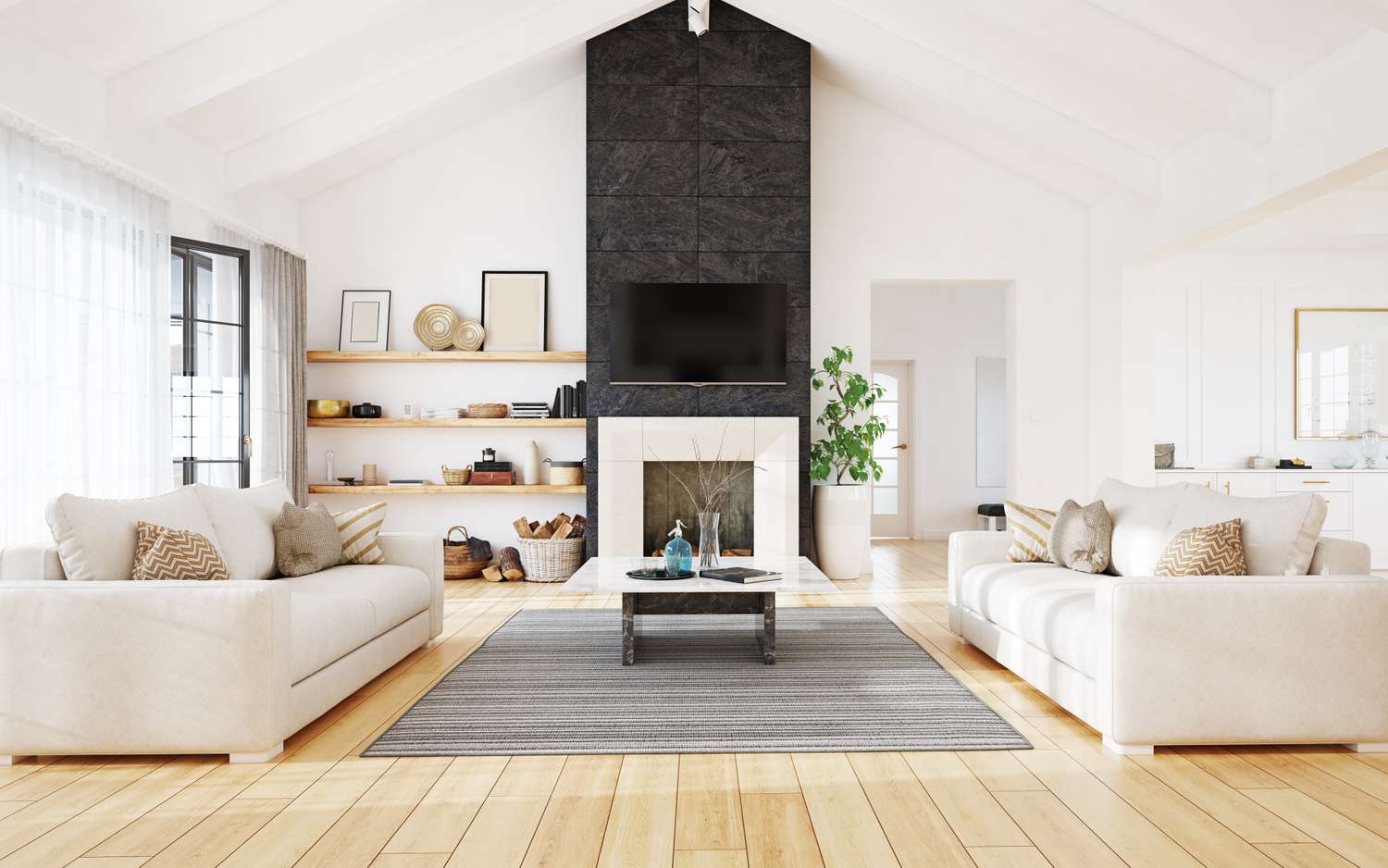
Stop Overthinking Your Home DesignHere’s How to Overcome Decision Paralysis

Note: This article is written as publish-ready HTML content and is synthesized from reputable home design, decorating, psychology, and decision-making guidance. Source links are intentionally not included in the article body.
You know the scene: You open your laptop to choose a living room rug. Two hours later, you have 37 browser tabs open, three “final” options, a mild headache, and a suspicious emotional attachment to a rug named “Sandstone Oatmeal.” Welcome to home design decision paralysis, the sneaky little gremlin that turns paint chips, sofa fabrics, cabinet pulls, and throw pillows into a full-contact sport.
The problem is not that you have bad taste. In fact, it is usually the opposite. You care. You want your home to feel beautiful, functional, personal, and not like a furniture showroom had a panic attack. But modern decorating comes with endless choices: warm white or soft white, linen or performance velvet, matte black or brushed brass, minimal or cozy, timeless or trendy. Somewhere between “I’ll just refresh the room” and “What is my design identity as a human?” the brain quietly logs out.
The good news: You can stop overthinking your home design without settling for boring decisions. The trick is to create a smarter process, reduce the number of choices, and make decisions in the right order. Your home does not need perfection. It needs direction, rhythm, and a little courage. Maybe also a tape measure, because optimism does not make a sectional fit through a doorway.
What Is Home Design Decision Paralysis?
Decision paralysis in home design happens when you become so overwhelmed by options, opinions, inspiration images, prices, finishes, trends, and “what ifs” that you delay making any decision at all. You might spend weeks looking for the perfect coffee table, only to keep the old one because “at least it exists.” You may save hundreds of Pinterest photos but still feel unsure what your actual room should look like. You might order twelve paint samples and then decide the walls are “fine for now,” which is homeowner language for “I am emotionally exhausted by beige.”
This feeling is closely tied to decision fatigue and analysis paralysis. The more choices you make, the harder it becomes to make the next one confidently. Home design adds extra pressure because decisions often cost money, affect daily life, and feel personal. Choosing a sofa is not just choosing a sofa. It becomes a referendum on your lifestyle, your budget, your pets, your future dinner guests, and whether you are secretly a “bouclé person.”
Why Overthinking Happens When Decorating
Too Many Options Create Mental Clutter
Choice sounds wonderful until you are comparing 200 nearly identical white paints with names like “Cloud Whisper,” “Soft Cloud,” and “Cloud, But Make It Expensive.” Too many options make it harder to notice what actually matters. Instead of choosing based on your room, lighting, lifestyle, and budget, you begin chasing an imaginary best choice that may not exist.
The solution is not to look at more options. It is to look at fewer, better options. Give yourself a limit: three sofas, five paint colors, four rug choices, two lighting finishes. A smaller shortlist makes your brain feel like it is choosing from a menu, not wandering lost in a warehouse with Wi-Fi.
Social Media Makes Every Style Look Like “The One”
One minute you love warm minimalism. Then you see a moody library with dark green walls and suddenly your beige living room feels like it owes you an apology. After that, a coastal kitchen appears, and now you are wondering whether your home needs more rattan, even though you live nowhere near an ocean.
Social media is excellent for inspiration but terrible as a final decision-maker. Most photos are edited, staged, professionally lit, and missing important real-life details like laundry baskets, phone chargers, snack crumbs, and the chair where everyone throws jackets. Use inspiration images to identify patterns, not to copy entire rooms. Ask: Do I keep saving rooms with warm wood? Curved furniture? Soft neutrals? Bold art? That pattern is useful. One random viral trend is not a design plan.
The Fear of Making an Expensive Mistake Is Real
Paint can be changed. A throw pillow can be returned. A custom sofa that arrives in the wrong size is a much more dramatic character in the story. The higher the cost or permanence, the more likely you are to overthink. That is not weakness; that is your budget trying to protect itself.
To reduce fear, separate decisions into three categories: low-risk, medium-risk, and high-risk. Low-risk choices include pillows, small lamps, accessories, and art prints. Medium-risk choices include rugs, accent chairs, curtains, and wall colors. High-risk choices include built-ins, flooring, tile, large furniture, kitchen cabinets, and anything custom. Spend more time on the high-risk decisions and stop treating every candleholder like it requires a committee meeting.
Start With Function Before Style
Before you choose colors, finishes, or furniture silhouettes, decide what the room must do. This sounds obvious, but many design spirals begin because people start with style instead of function. A room that photographs beautifully but does not support your actual life will eventually annoy you in high definition.
For each room, answer three questions:
- Who uses this space most often?
- What activities happen here every week?
- What currently bothers me about the room?
For example, a living room for movie nights, homework, pets, and casual hosting needs durable fabrics, comfortable seating, practical lighting, and easy storage. A formal living room used mostly for conversation can handle more sculptural furniture and delicate finishes. A kitchen for daily cooking needs workflow and lighting before trendy hardware. Function narrows your choices faster than style labels ever will.
Create a “Design Brief” for Your Own Home
Interior designers often work from a concept, brief, or design direction. Homeowners can do the same, without using fancy words like “spatial narrative” unless you enjoy making your family nervous.
Write a simple one-paragraph design brief for the room. It might look like this:
“This living room should feel warm, relaxed, and slightly polished. It needs to work for family movie nights, reading, and having friends over. The palette will be warm neutrals, olive green, black accents, and natural wood. Furniture should be comfortable, not bulky. The room should feel cozy but not cluttered.”
Now every design decision has a job interview. Does the blue velvet chair fit the brief? Maybe. Does the chrome-and-glass coffee table fit? Probably not. Does the oversized recliner fit? Only if comfort outranks polish. The brief keeps your design decisions from becoming random acts of shopping.
Choose One Anchor Piece First
One of the easiest ways to overcome decorating indecision is to pick one anchor piece and build around it. This could be a rug, sofa, artwork, dining table, wallpaper, or even a dramatic light fixture. The anchor piece gives the room a starting point and prevents every choice from floating in space like a confused balloon.
If you already own something you love, start there. Maybe it is a vintage wood dresser, a colorful painting, or a patterned rug. Pull colors, textures, and mood from that item. If you are starting from scratch, choose the largest or most important piece first. In a living room, that is often the sofa or rug. In a bedroom, it may be the bed frame or bedding palette. In a dining room, it is usually the table or lighting.
Do not start with tiny accessories. A vase should not be bossing around your entire house. It simply does not have the credentials.
Use the “Three-Option Rule”
When you are stuck, narrow any decision to three realistic options: safe, balanced, and bold.
- Safe: The classic choice you are unlikely to regret.
- Balanced: The option with personality that still fits your home.
- Bold: The statement choice that excites you but makes you check the return policy.
For example, if you are choosing a dining room paint color, safe might be warm white, balanced might be soft mushroom, and bold might be deep aubergine. Seeing options this way helps you understand your comfort zone. If the bold choice thrills you but scares you, use it in a smaller dose: a powder room, accent wall, art, curtains, or furniture. If the safe choice feels peaceful rather than boring, choose it and move on. Peace is underrated. So is finishing a project before the next presidential administration.
Sample Before You Commit
Sampling is the opposite of overthinking when it is done properly. The goal is not to test every possibility; it is to confirm your shortlist in your actual space. Paint colors change with natural light, artificial light, flooring, nearby buildings, greenery outside the window, and the existing undertones in tile, counters, or wood. A color that looks creamy online can look yellow on your wall. A gray that looked elegant in a photo can become cold and gloomy in a north-facing room.
For paint, test large swatches on multiple walls and look at them morning, afternoon, and evening. For fabrics, bring samples home and view them next to your floors, rugs, and other furniture. For rugs, use painter’s tape to mark the size on the floor before ordering. For furniture, measure not only the room but also doorways, hallways, stairs, elevators, and tight corners. Your dream sofa should not need a rescue team.
Make the Next Right Decision, Not the Perfect One
Perfection is the enemy of a livable home. The most stylish homes usually evolve over time. They are layered, adjusted, edited, and improved. They are not completed in one magical weekend by someone wearing linen and holding a tiny espresso.
Instead of asking, “What is the perfect choice?” ask, “What is the next right choice for this room?” The next right choice might be selecting the rug size, deciding on the wall color, replacing harsh overhead lighting, or removing furniture that blocks traffic flow. Each decision gives you more information for the next one.
This mindset reduces pressure because you no longer have to solve the entire home at once. You only have to move the project forward. Progress creates confidence. Confidence creates better decisions. Better decisions create rooms you actually enjoy living in.
Set Deadlines for Design Decisions
Open-ended decisions invite overthinking. If you give yourself unlimited time to choose a faucet, your brain may treat faucets as a philosophical investigation. Set a deadline based on the size of the decision.
Small decisions, like pillows or accessories, might get 30 minutes. Medium decisions, like lamps or curtains, might get a few days. Big decisions, like flooring or cabinetry, deserve more research, but even they need a final decision date. A deadline does not force recklessness; it prevents endless circling.
Try this simple rule: once a choice meets your budget, function, measurements, and style brief, it is allowed to be “good enough to choose.” Not every item needs to be the most extraordinary version in the known universe. Sometimes a nice lamp can simply be a nice lamp. Let it live its lamp life.
Stop Asking Too Many People
Getting feedback can help, but asking too many people often makes decision paralysis worse. Your sister loves farmhouse style. Your friend thinks everything should be black. Your neighbor has strong opinions about tile despite having a bathroom last updated during the fax machine era. Suddenly, you are not choosing for your home anymore. You are managing a focus group.
Choose one or two trusted voices: someone who understands your taste, respects your budget, and will not project their dream house onto yours. Better yet, ask specific questions. Instead of “Which sofa do you like?” ask, “Which sofa looks better with the rug and fits the cozy, modern feel I’m going for?” Specific feedback leads to clearer answers.
Design in Layers, Not All at Once
A beautiful room usually has layers: layout, foundational furniture, lighting, rugs, window treatments, storage, art, textiles, accessories, and personal pieces. Decision paralysis often happens when you try to choose all layers at the same time.
Work in this order:
- Define the room’s function and layout.
- Choose the major furniture pieces.
- Select rugs and window treatments.
- Plan lighting for tasks, mood, and general use.
- Add color, texture, art, and personal details.
- Edit anything that feels cluttered, awkward, or unnecessary.
This sequence keeps you from buying decorative objects before the room has a foundation. It also helps avoid common design mistakes like rugs that are too small, furniture that is the wrong scale, lighting that is too harsh, or rooms that look stylish but do not function well.
Use Constraints as Creative Tools
Constraints sound limiting, but they are secretly helpful. A budget, color palette, room size, existing sofa, or rental rule can actually make decisions easier. Without constraints, every option is possible. With constraints, many options politely remove themselves from consideration.
Try setting design boundaries such as:
- A maximum of five main colors throughout the home.
- One metal finish as the primary finish and one as an accent.
- A fixed budget for each room.
- A “no buying until measured” rule.
- A commitment to natural materials, washable fabrics, or kid-friendly finishes.
These boundaries do not make your home less creative. They make it more coherent. A room with every idea you have ever liked is not a design scheme; it is a group project where nobody read the instructions.
Know When to Bring in Help
You do not need a full-service designer for every project, but professional help can be useful when decisions are expensive, technical, or emotionally stuck. Many designers offer consultations, room plans, color guidance, furniture layouts, or virtual design packages. Even one session can help you narrow options and avoid costly mistakes.
Consider getting help if you are renovating a kitchen or bathroom, changing flooring, ordering custom furniture, struggling with layout, or repeatedly buying items that do not work. A good designer will not erase your taste. They will help translate it into a room that functions, fits, and feels intentional.
Real-Life Experiences: What Decision Paralysis Looks Like at Home
One of the most common experiences with home design decision paralysis starts with paint. A homeowner wants a warm white living room. Simple, right? Then the samples arrive. One looks too yellow, one too gray, one too bright, and one looks perfect until sunset, when it turns into the color of cold oatmeal. The homeowner spends weeks comparing swatches and begins to believe the current wall color, which they dislike, has “character.” The breakthrough usually comes when they stop searching for the perfect white and compare only three finalists against the fixed finishes: flooring, trim, sofa, and natural light. Suddenly, the decision becomes practical instead of emotional.
Furniture creates another classic trap. Someone moves into a new home and wants to finish everything quickly. They buy a sofa, coffee table, TV console, dining set, and bedroom furniture in one long shopping sprint. At first, it feels productive. Later, the rooms feel flat because everything came from the same store, in the same finish, with the same personality level as a hotel lobby trying not to offend anyone. A better experience comes from slow decorating: buy the essential pieces first, live with the room, then add character through art, vintage finds, lighting, textiles, and personal objects. A home feels more authentic when it has a little breathing room between decisions.
Another relatable situation happens with couples or families. One person loves clean, modern lines. Another wants cozy traditional pieces. Someone else just wants a recliner large enough to be seen from space. Without a shared plan, every choice becomes a debate. The solution is not for one person to win and the other to silently resent the throw pillows. The solution is to agree on function, mood, and non-negotiables first. For example: “The room should be comfortable, warm, easy to clean, and not overly formal.” From there, modern lines can mix with soft textures, traditional wood can balance simple upholstery, and the recliner can be chosen in a scale that does not consume the county.
Many renters experience design paralysis because they feel temporary. They avoid buying curtains, art, rugs, or better lighting because “this is not forever.” But a home does not need to be permanent to deserve care. Renter-friendly design choices can make a huge difference: plug-in sconces, peel-and-stick wallpaper in small areas, large rugs, upgraded bedding, framed art, plants, and better storage. The key is choosing portable improvements that can move with you. Decision paralysis fades when you stop asking, “Is this my forever home?” and start asking, “Will this make my daily life better now?”
Finally, there is the perfectionist experience: the person who has excellent taste but cannot commit because every choice must be ideal. They compare designer rooms, read reviews, ask friends, make spreadsheets, and still feel stuck. The turning point is usually accepting that a home is not a museum exhibit. It is a living place. Chairs get moved. Paint can be changed. Art can be rehung. Pillows can be swapped. The goal is not to avoid every possible regret. The goal is to make thoughtful choices, learn from them, and keep shaping the home over time. The best rooms often come from confident progress, not flawless planning.
Final Thoughts: Your Home Does Not Need a Perfect DecisionIt Needs a Decision
Overthinking your home design is understandable. There are more options than ever, and every design choice can feel like it says something deep about who you are. But your home is not a test. There is no single correct sofa, no universally perfect shade of white, and no hidden design court waiting to sentence you for choosing the wrong curtain rod.
To overcome home design decision paralysis, reduce your options, define the room’s function, create a simple design brief, sample wisely, set deadlines, and move in layers. Make choices that support your real life, not just your saved images. When a decision meets your needs and feels aligned with your vision, let it be enough.
A well-designed home is not built from endless hesitation. It is built from a series of clear, imperfect, thoughtful decisions. Choose the rug. Paint the wall. Hang the art. Then sit down, look around, and enjoy the room you finally allowed yourself to create.
SEO Tags