
Some dinnerware sits quietly in the cabinet and waits for soup. Richard Ginori Prova Prima dinnerware does not. It walks into the room wearing Italian porcelain, painterly brushstrokes, and the confidence of someone who knows the salad course is about to become a design moment.
Designed by Paola Navone for Richard Ginori, now known globally as Ginori 1735, Prova Prima is one of those tableware collections that feels both refined and rebellious. It belongs to the world of fine Italian porcelain, yet it borrows its personality from the artist’s studio: test marks, color trials, brush gestures, dots, stripes, and playful swatches that look spontaneous but are anything but careless.
For collectors, hosts, interior design lovers, and anyone who has ever looked at a plain white plate and thought, “Nice, but where is the drama?”, Richard Ginori Prova Prima dinnerware offers a delicious answer. It is elegant, discontinued, collectible, and slightly mischievous in the best possible way.
What Is Richard Ginori Prova Prima Dinnerware?
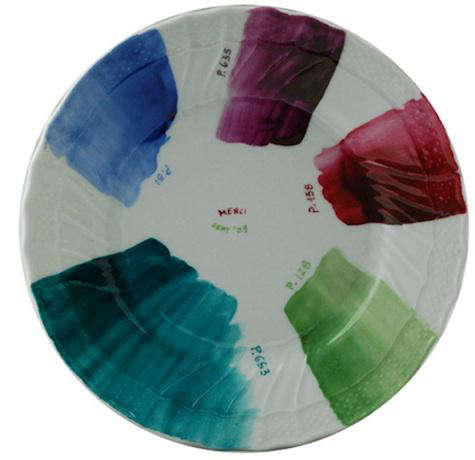
Richard Ginori Prova Prima is a porcelain dinnerware collection designed by Paola Navone and introduced around 2010. The collection was created on the Impero shape, a classic Richard Ginori form, and decorated with lively color marks that resemble the brush tests decorators make while searching for the perfect tone.
The name “Prova Prima” loosely suggests a first test, trial, or proof. That idea is central to the design. Instead of hiding the behind-the-scenes work of porcelain decoration, the collection celebrates it. The swatches, stains, stripes, and dots feel like a color laboratory turned into a dinner party. It is the rare luxury dinnerware that seems to wink at you while still knowing which fork goes with the fish.
The pattern is often described as multimotif, with stripes, dots, and no metallic trim. Depending on the piece, you may see bold blue brushstrokes, teal panels, pink marks, orange strokes, purple accents, or scattered color tests around the rim. On some pieces, the color appears like a painter’s palette. On others, it looks almost architectural, as if a modernist designer accidentally had too much espresso and reached for the brightest pigments in the studio.
A Brief Look at Richard Ginori and Ginori 1735
To understand why Prova Prima matters, it helps to know the house behind it. Richard Ginori traces its roots to the 18th century, when Marquis Carlo Andrea Ginori founded the Manifattura di Doccia near Florence. Over generations, the company became one of Italy’s most respected names in fine porcelain, producing tableware, decorative objects, and artist-led collections that mix craftsmanship with Italian style.
The brand later became known as Ginori 1735, a name that honors its historic origins while positioning the company for modern luxury interiors. Its identity is built on a rare combination: aristocratic heritage, handcraft traditions, bold collaborations, and a willingness to let porcelain have a personality. That last part is important. Some luxury dinnerware looks like it is afraid of sauce. Ginori dinnerware generally looks ready for the sauce, the conversation, and the candlelight.
Throughout its history, the maison has worked with influential artists, architects, and designers. Gio Ponti is one of its most famous creative figures, but the brand’s later collaborations also show how flexible porcelain can be. Prova Prima sits neatly in that creative lineage: historic manufacturing, contemporary design, and a table that refuses to be boring.
Who Designed Prova Prima?
Prova Prima was designed by Paola Navone, an Italian designer celebrated for her eclectic, global, and playful approach to interiors and objects. Navone’s work often blends craft traditions with contemporary casualness. She has a gift for making sophisticated design feel relaxed, as though the object has traveled, eaten well, and picked up great stories along the way.
With Prova Prima, Navone transformed the practical marks of decorators into the main decorative language. In many porcelain workshops, test strokes are simply part of the process. They help decorators check color intensity, glaze behavior, and tonal balance. Navone saw beauty in those marks and elevated them into a full collection.
That is the genius of the design. Prova Prima does not imitate flowers, landscapes, royal crests, or classic borders. It honors the act of making. It turns preparation into performance. In SEO language, the collection has strong “visual storytelling.” In dinner party language, it gives guests something to talk about before the roast chicken even arrives.
The Design: Brushstrokes, Dots, Stripes, and Studio Energy
The most recognizable feature of Richard Ginori Prova Prima dinnerware is its painterly decoration. The white porcelain surface becomes a clean stage for saturated color. Blue, turquoise, pink, orange, green, purple, and red tones appear in blocks, strokes, circles, bands, or test-like marks. The result feels fresh without being childish and artistic without being messy.
Why the White Porcelain Matters
The white base gives Prova Prima its balance. Without the bright porcelain ground, the color marks could become chaotic. Instead, they feel crisp and intentional. The empty white space allows food to remain visible, which matters more than many collectors admit. A beautiful plate should support the meal, not fight the risotto for attention.
The Impero Shape
Prova Prima was produced on the Impero shape, which gives the collection a formal backbone. The shape keeps the pieces elegant even when the decoration becomes playful. This contrast is one reason the collection works so well: the form says “heritage porcelain,” while the color says “someone opened the paint box and made excellent decisions.”
Multimotif Appeal
Because Prova Prima pieces can vary in decorative arrangement, the collection lends itself naturally to mixing. Dinner plates, salad plates, cups, saucers, bowls, trays, pitchers, sugar bowls, and teapots may not all repeat the same exact motif. Instead, they build a family resemblance. This makes the table feel collected rather than overly matched, which is very much in line with modern entertaining.
Is Richard Ginori Prova Prima Discontinued?
Yes. Richard Ginori Prova Prima is a discontinued pattern, with many references placing its active production around 2010 to 2013. That discontinued status is a major reason collectors search for it today. Unlike current open-stock dinnerware, Prova Prima usually appears through specialty china replacement services, vintage dealers, estate sales, resale platforms, and curated design shops.
Discontinued dinnerware can be both exciting and inconvenient. On one hand, owning it feels special. On the other hand, replacing one broken dinner plate can become a small detective mission. If you plan to collect Prova Prima for regular use, it is smart to buy extra pieces when you find them, especially plates and saucers. Future-you will be grateful. Future-you may also wonder why current-you let a guest stack porcelain like gym weights.
Popular Pieces in the Prova Prima Collection
Because Prova Prima is retired, availability changes frequently. Still, several types of pieces commonly appear in collector listings and archived product pages.
Dinner Plates
The dinner plate is one of the most desirable pieces because it shows the full visual language of the collection. A typical Prova Prima dinner plate may feature bold color marks around the rim, leaving the center open for food presentation. The effect is dramatic but practical.
Cups and Saucers
Prova Prima cups and saucers are especially charming because the motifs wrap around smaller forms. A coffee cup may carry vertical swatches of color, while its saucer may display dots or brush marks around the edge. Together, they look like a tiny design exhibition with caffeine.
Serving Pieces
Serving trays, milk jugs, sugar bowls, and teapots are highly appealing because they show Navone’s concept across sculptural forms. A teapot with blocks of color feels different from a flat plate; the marks interact with curves, handles, lids, and spouts. These pieces often become the stars of a table setting or display cabinet.
Bowls and Specialty Pieces
Bowls bring another layer of interest because color may appear inside, outside, or along the rim. They are excellent for pasta, salad, fruit, dessert, or as decorative objects on open shelving. A Prova Prima bowl filled with lemons can make a kitchen look styled even when the rest of the counter is quietly hosting mail, keys, and one mysterious receipt.
How to Style Richard Ginori Prova Prima Dinnerware
Styling Prova Prima is easier than it looks because the collection already contains plenty of energy. The key is to let it lead without overcrowding the table.
Keep Linens Simple
White, natural linen, pale gray, deep navy, or soft beige tablecloths work beautifully. These neutral foundations allow the colors in the porcelain to shine. If you want a bolder setting, choose one color from the dinnerware, such as cobalt blue or teal, and repeat it in napkins or glassware.
Mix With Plain White Porcelain
Because Prova Prima is collectible and discontinued, you do not need a full service for twelve to enjoy it. Mix Prova Prima plates with plain white dinnerware. Use Prova Prima salad plates over simple dinner plates, or serve dessert on Prova Prima pieces after a meal served on simpler china. This approach protects the rare pieces while still giving the table a designer finish.
Use Modern Glassware
Clear, smoky, or lightly tinted glassware pairs well with the collection. Avoid overly ornate crystal if you want the table to feel contemporary. Prova Prima already brings movement and color; the glassware should support the show, not audition for a Broadway revival.
Try Casual Food Pairings
One of the best things about Prova Prima is that it does not demand stiff, formal food. It looks wonderful with pasta, grilled vegetables, citrus salads, seafood, simple roast chicken, fruit tarts, and espresso service. The dinnerware has enough personality to elevate casual meals and enough porcelain pedigree to handle special occasions.
Buying Richard Ginori Prova Prima Dinnerware Today
Since Prova Prima is discontinued, shopping for it requires patience and careful inspection. Collectors should look at condition, authenticity, piece type, dimensions, and seller reputation before purchasing.
Check the Backstamp
Authentic Richard Ginori or Ginori 1735 pieces should have an appropriate backstamp or maker’s mark. Because marks can vary by period and collection, compare the stamp with trusted examples from established china replacement retailers or reputable dealers.
Read Condition Notes Carefully
Fine porcelain can show chips, cracks, crazing, utensil marks, glaze wear, or repairs. A tiny flaw may be acceptable for display, but it matters more if you plan to serve dinner on the piece. Always read descriptions closely and request additional photos if the listing is unclear.
Buy the Pieces You Will Actually Use
Collectors sometimes chase completeness, but lifestyle matters. If you drink espresso daily, cups and saucers may bring more joy than a large platter stored in a cabinet. If you host often, plates and serving pieces may be more practical. A collection should fit your life, not just your shelf.
Expect Price Variation
Prices can vary widely depending on rarity, condition, and seller. A single cup and saucer may be relatively approachable, while larger serving pieces or complete sets can command higher prices. Limited availability also means prices may rise when fewer pieces are on the market.
Care Tips for Prova Prima Porcelain
Because Prova Prima is discontinued and collectible, hand washing is the safest approach. Even if a piece appears sturdy, dishwashers can expose porcelain to harsh detergents, high heat, and accidental knocks. Treat it as functional art: use it, enjoy it, but do not throw it into the dishwasher like a diner mug from 1998.
Wash pieces with mild soap, warm water, and a soft sponge. Avoid abrasive pads. Dry with a soft cloth before storing. When stacking plates, place felt or cloth protectors between them to reduce scratching. Store cups with enough room so handles do not knock against neighboring pieces.
If you use Prova Prima for entertaining, clear the table yourself or assign the task to someone who understands that “Italian porcelain” is not a synonym for “stack it all in one heroic pile.” The best care strategy is simple: slow down, handle each piece individually, and remember that discontinued dinnerware deserves a little ceremony.
Why Collectors Love Richard Ginori Prova Prima
Collectors are drawn to Prova Prima because it offers more than decorative appeal. It tells a story about process, experimentation, and the transformation of workshop gestures into luxury design. It is also connected to a prestigious Italian porcelain house and a designer known for personality-rich objects.
The collection feels modern more than a decade after its release. That is a strong sign of good design. Trendy pieces often age quickly, but Prova Prima still feels alive because its inspiration is not a passing motif. Brushstrokes, color tests, and artistic marks have a timeless energy. They belong to the universal language of making.
Another reason the collection stands out is its versatility. It can look crisp in a minimalist kitchen, playful in a maximalist dining room, elegant on a linen-covered table, or sculptural in a glass-front cabinet. It bridges the gap between everyday tableware and collectible design.
Real-Life Experiences With Richard Ginori Prova Prima Dinnerware
Living with Richard Ginori Prova Prima dinnerware is a little different from owning ordinary dishes. Ordinary dishes perform a task. Prova Prima starts a conversation. The first experience many people have with the collection is visual surprise. From a distance, the pieces look bright and clean. Up close, the brush marks reveal themselves as intentional references to the decorator’s process. Guests often lean in, turn the plate slightly, and ask whether each mark is hand-painted, printed, or part of some secret Italian table ritual.
In everyday use, the dinnerware works best when treated as a highlight rather than background. A Prova Prima cup and saucer can make a morning coffee feel more deliberate. It is not that the coffee tastes better because the porcelain is Italian, although let us be honest, the brain is easily charmed before 9 a.m. The real pleasure is in the small pause the object creates. You notice the color. You notice the shape. You notice that breakfast can have style without requiring a chandelier or a butler named Enzo.
For hosting, Prova Prima is especially effective because it relaxes formal porcelain. Many luxury china patterns can make guests nervous, as if they need permission to breathe near the gravy boat. Prova Prima has pedigree, but it also has humor. The brushstrokes feel loose and human. They tell guests that the table is special, but not stiff. That balance is difficult to achieve and extremely useful for modern entertaining.
A practical experience worth noting is that collecting a discontinued pattern teaches patience. You may find four saucers one month, a teapot six months later, and the perfect dinner plate when you were absolutely not supposed to be shopping. This slow-build process can be frustrating, but it also makes the collection more personal. Instead of buying everything in one click, you assemble a table over time. Each piece has a story, a seller, a lucky search, or a tiny victory attached to it.
Another real-world lesson is that Prova Prima pairs surprisingly well with humble meals. It does not need caviar, soufflé, or anything that requires a French accent to pronounce. Tomato pasta, scrambled eggs, fruit, toast, green salad, or takeout sushi can look fantastic on it. The white porcelain keeps food readable, while the colors frame the plate with energy. This is where the collection proves its strength: it is collectible enough to admire and usable enough to enjoy.
The only caution is emotional. Once you start using beautiful dinnerware, plain plates may begin to look a little sleepy. Prova Prima has that effect. It reminds you that the table is not just a place to eat; it is a place to express taste, mood, creativity, and hospitality. That may sound grand for a plate, but then again, this is Richard Ginori. A little grandeur comes with the territory.
Conclusion: Is Richard Ginori Prova Prima Worth It?
Richard Ginori Prova Prima dinnerware is worth considering if you love Italian porcelain, collectible design, painterly decoration, and table settings that feel both elegant and alive. It is not the easiest pattern to find, and it deserves careful handling, but that is part of its charm. This is not anonymous dinnerware. It has a point of view.
Designed by Paola Navone and produced by one of Italy’s great porcelain houses, Prova Prima captures a rare idea: the beauty of the first test, the color trial, the creative mark before the final masterpiece. In turning those marks into the decoration itself, the collection makes the table feel imaginative, modern, and warmly human.
If your dining room needs quiet uniformity, Prova Prima may be too expressive. But if your table could use a little Italian confidence, a little studio energy, and a plate that can make even Tuesday pasta feel curated, Richard Ginori Prova Prima dinnerware is a brilliant choice. It is proof that fine porcelain can be serious, collectible, and still have a sense of humor.
Note: This article is written for editorial publishing and is based on real product, brand, and design information. Because Richard Ginori Prova Prima is discontinued, availability, pricing, and condition should be verified before purchase or publication of specific shopping claims.