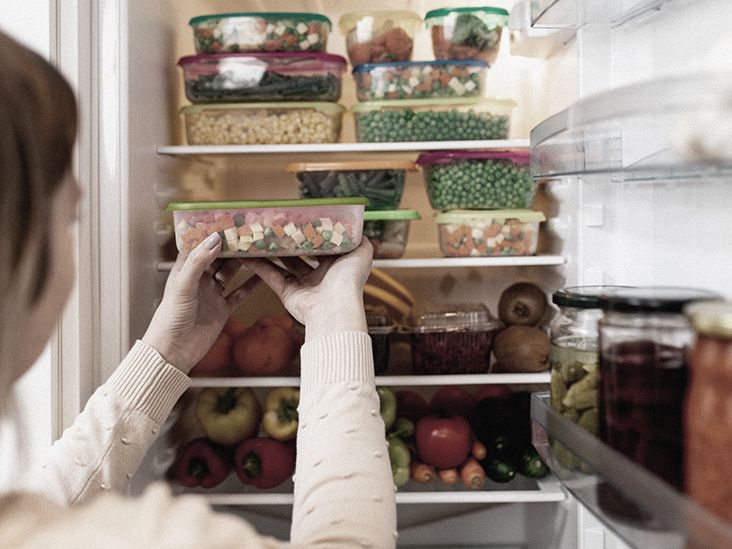

The raw vegan diet has the kind of shiny health halo that makes it sound almost too pure for this planet: fresh fruit, leafy greens, crunchy vegetables, soaked nuts, sprouted seeds, and no cooking beyond low-temperature dehydrating. It is colorful, plant-powered, and Instagram-friendly enough to make a salad look like it has a personal brand. But the big question is not whether a raw vegan plate looks beautiful. The real question is: Is a raw vegan diet healthy?
The answer is a thoughtful “it depends.” A raw vegan diet can be rich in fiber, antioxidants, vitamins, minerals, and minimally processed foods. It may help some people eat more fruits and vegetables, reduce added sugar, avoid ultra-processed foods, and feel more connected to what they eat. However, it is also one of the most restrictive plant-based eating patterns. Without careful planning, it can lead to low intake of vitamin B12, vitamin D, calcium, iodine, iron, zinc, omega-3 fats, protein, and overall calories.
In other words, raw vegan eating is not magic. It is not a guaranteed shortcut to glowing skin, endless energy, or a personality so calm you never argue with customer service again. It is a dietary pattern with potential benefits, real limitations, and a few safety concerns that deserve attention before anyone swaps dinner for a mountain of zucchini noodles.
What Is a Raw Vegan Diet?
A raw vegan diet combines two eating styles. “Vegan” means avoiding all animal products, including meat, poultry, seafood, dairy, eggs, honey, and animal-derived ingredients. “Raw” usually means foods are not heated above about 104°F to 118°F, depending on the version of the diet. The idea is to focus on foods in their uncooked or minimally processed state.
Common raw vegan foods include fruits, vegetables, leafy greens, nuts, seeds, seaweed, cold-pressed oils, fermented vegetables, nut milks, raw soups, smoothies, sprouts, and sprouted grains or legumes. Some people use dehydrators to make crackers, fruit leathers, veggie chips, or “raw bread.” Others prepare raw versions of familiar meals, such as cauliflower rice, cashew “cheese,” walnut taco filling, or banana-based ice cream.
Foods Commonly Eaten on a Raw Vegan Diet
- Fresh fruits such as berries, apples, oranges, bananas, mangoes, dates, and melons
- Raw vegetables such as carrots, cucumbers, bell peppers, tomatoes, zucchini, and leafy greens
- Nuts and seeds, including almonds, walnuts, cashews, chia seeds, hemp seeds, and pumpkin seeds
- Sprouted lentils, chickpeas, mung beans, quinoa, buckwheat, and other sprouted grains or legumes
- Fermented foods such as raw sauerkraut, kimchi without fish sauce, and coconut yogurt
- Cold-pressed oils, avocado, olives, coconut, herbs, spices, lemon juice, and vinegar
Potential Benefits of a Raw Vegan Diet
The strongest benefits of a raw vegan diet usually come from what it emphasizes: whole plant foods. Fruits, vegetables, legumes, nuts, and seeds are linked with better overall diet quality because they provide fiber, potassium, magnesium, folate, vitamin C, and many protective plant compounds. A diet built around these foods can support heart health, digestion, and weight management when it is balanced and adequate.
1. It Encourages More Fruits and Vegetables
Most people do not need a complicated nutrition lecture to improve their diet. They need more plants on the plate and fewer foods that come with a cartoon mascot. A raw vegan diet naturally pushes fruits and vegetables into the spotlight. That can increase intake of fiber, water, antioxidants, and phytonutrients.
High fruit and vegetable intake is associated with benefits for blood pressure, heart health, digestive health, and healthy weight maintenance. Leafy greens, berries, citrus fruits, cruciferous vegetables, and colorful produce bring a wide range of nutrients. A bowl of berries and chia seeds, for example, offers fiber and plant compounds without the sugar rush of a frosted pastry pretending to be breakfast.
2. It Is Naturally High in Fiber
Fiber is one of the quiet heroes of nutrition. It supports regular bowel movements, feeds beneficial gut bacteria, helps with fullness, and may support healthier cholesterol and blood sugar levels. Raw vegan meals can be very high in fiber because they often include whole fruits, vegetables, seeds, nuts, and sprouted foods.
However, “high fiber” is not always comfortable at first. Jumping from a low-fiber diet to giant salads, raw broccoli, chia pudding, and sprouted lentils can make the digestive system file a formal complaint. Anyone transitioning toward a raw vegan diet should increase fiber gradually and drink enough fluids.
3. It Reduces Ultra-Processed Foods
A raw vegan diet usually removes many ultra-processed foods by default: packaged desserts, fried snacks, processed meats, sugary cereals, fast food, and refined convenience meals. This can be a major advantage. Diets lower in ultra-processed foods often leave more room for nutrient-dense choices such as fruits, vegetables, legumes, nuts, and seeds.
That said, “raw” does not automatically mean “balanced.” A raw dessert made from dates, coconut oil, and nuts may be less processed than a candy bar, but it can still be calorie-dense. A raw vegan lifestyle works best when it is built around variety, not just clever recreations of cheesecake that require three cups of cashews and emotional optimism.
4. It May Support Weight Loss for Some People
Some people lose weight on a raw vegan diet because the foods are often high in volume, high in fiber, and lower in calorie density. Big salads, fruit bowls, vegetable noodles, and raw soups can be filling without providing many calories. For people who previously ate a diet high in fried foods, sugary drinks, and refined snacks, the change can be dramatic.
But weight loss is not always a benefit. A diet that is too restrictive can lead to under-eating, low energy, loss of muscle mass, menstrual changes, nutrient deficiencies, and food anxiety. Health is not measured by how tiny lunch can be. A good eating pattern should provide enough energy to live, move, think, study, work, laugh, and occasionally carry all grocery bags in one trip because pride is a powerful motivator.
5. It May Improve Awareness of Food Choices
One underrated benefit of a raw vegan diet is mindfulness. Preparing raw meals often requires planning: soaking nuts, washing produce, chopping vegetables, blending sauces, sprouting seeds, and thinking about meals before hunger turns into a tiny kitchen emergency. That process can help people become more aware of ingredients and eating habits.
For some, this awareness leads to lasting improvements even if they do not stay fully raw. They may continue eating bigger salads, adding fruit to breakfast, using nuts and seeds more often, or replacing packaged snacks with fresh options. A raw vegan phase can become a gateway to a more balanced plant-forward diet.
Is a Raw Vegan Diet Healthier Than a Cooked Vegan Diet?
Not necessarily. This is where the raw vegan diet gets more complicated. Supporters often claim raw foods are healthier because cooking destroys enzymes and nutrients. It is true that some heat-sensitive nutrients, such as vitamin C, can decrease during cooking. But the human body makes digestive enzymes on its own, and many plant enzymes are broken down during digestion anyway.
Cooking can also make certain nutrients easier to absorb. Tomatoes are a classic example: heat can increase the bioavailability of lycopene, an antioxidant linked with health benefits. Cooking carrots and other vegetables may improve access to some carotenoids. Cooking legumes and grains also makes them easier to digest and safer to eat.
A smart diet does not need to turn raw and cooked foods into enemies. Raw spinach can be great in a smoothie, while cooked spinach may offer better mineral availability. Fresh tomatoes are refreshing, while cooked tomato sauce can deliver more absorbable lycopene. Nutrition is not a boxing match. Sometimes the winner is variety.
Risks and Nutrient Concerns of a Raw Vegan Diet
The biggest concern with a raw vegan diet is not that it includes too many fruits and vegetables. The concern is that it may exclude too many reliable sources of essential nutrients. Vegan diets already require planning, especially for vitamin B12. Raw vegan diets narrow the options even more because many fortified foods and cooked staples may be avoided.
Vitamin B12
Vitamin B12 is essential for nerve function, red blood cell formation, and DNA production. Natural reliable sources are mostly animal-derived foods, which means vegans need fortified foods or supplements. A raw vegan diet can make this more difficult if the person avoids fortified cereals, fortified plant milks, nutritional yeast, or supplements because they are considered processed.
This is one area where “natural” thinking can backfire. B12 deficiency can be serious. Raw seaweed, fermented foods, or unwashed produce should not be trusted as dependable B12 sources. Anyone following a vegan diet should have a reliable B12 strategy, ideally discussed with a healthcare professional or registered dietitian.
Calcium and Vitamin D
Calcium and vitamin D are important for bone health. Many vegans get calcium from fortified plant milks, calcium-set tofu, fortified orange juice, cooked greens, almonds, tahini, and certain beans. But a strict raw vegan diet may exclude tofu, fortified beverages, and cooked greens, making calcium harder to obtain consistently.
Vitamin D is also tricky because it is found in relatively few foods. Sun exposure varies by location, skin coverage, season, sunscreen use, and lifestyle. Some people need supplements. A raw vegan diet does not automatically solve vitamin D needs just because the salad is very enthusiastic.
Iron and Zinc
Plant foods contain non-heme iron, which is less easily absorbed than heme iron from animal foods. Raw vegan sources may include pumpkin seeds, hemp seeds, sesame seeds, leafy greens, dried fruit, sprouted lentils, and nuts. Pairing iron-rich plant foods with vitamin C-rich foods, such as citrus, strawberries, bell peppers, or tomatoes, can help improve absorption.
Zinc can also be harder to obtain because many rich plant sources are legumes, whole grains, nuts, and seeds. Soaking and sprouting may help reduce phytates, compounds that can interfere with mineral absorption, but planning still matters.
Protein and Essential Amino Acids
A raw vegan diet can provide protein, but it takes intention. Nuts and seeds help, but relying too heavily on them can make the diet very high in fat while still not providing enough total protein for some people. Sprouted lentils, chickpeas, mung beans, hemp seeds, chia seeds, pumpkin seeds, almonds, and raw nut-based spreads can contribute.
Athletes, growing teens, pregnant people, older adults, and anyone recovering from illness may have higher protein needs. For these groups, a strict raw vegan diet may be difficult to manage safely without professional guidance.
Omega-3 Fatty Acids
Omega-3 fats support brain, heart, and eye health. Raw vegan sources include chia seeds, flaxseeds, hemp seeds, and walnuts. These provide ALA, a plant form of omega-3. The body converts ALA into EPA and DHA, but conversion can be limited. Some vegans choose algae-based DHA and EPA supplements, which may be especially useful for people with higher needs.
Food Safety: The Raw Part Matters
Raw foods can carry food safety risks. Fresh produce can become contaminated through soil, water, handling, storage, or preparation. Sprouts deserve special caution because the warm, moist conditions used for sprouting can also help harmful bacteria grow. This does not mean every salad is suspicious, but it does mean food safety should not be treated like an optional side dish.
Simple Food Safety Tips
- Wash fruits and vegetables under running water before eating or cutting.
- Use clean cutting boards, knives, and storage containers.
- Keep prepared raw foods refrigerated when needed.
- Be cautious with raw sprouts, especially for children, older adults, pregnant people, and anyone with a weakened immune system.
- Discard produce that smells bad, feels slimy, or shows signs of spoilage.
- Avoid raw flour, raw dough, and unpasteurized juices or products unless safety is clearly verified.
Who Should Be Extra Careful With a Raw Vegan Diet?
A raw vegan diet is not ideal for everyone. People who are pregnant or breastfeeding, children, teens, older adults, athletes, people with eating disorder history, people with digestive conditions, and anyone with chronic health issues should be especially cautious. These groups often have higher or more specific nutrient needs.
Teens, in particular, need enough calories, protein, calcium, iron, zinc, vitamin D, and B12 for growth and development. A restrictive raw vegan plan can make that harder. A plant-based diet can be healthy, but during growth years it should be carefully planned with support from a qualified professional.
How to Make a Raw Vegan Diet More Balanced
If someone chooses to try raw vegan eating, the goal should be nourishment, not perfection. A flexible approach is usually safer and easier to maintain than a rigid “100% raw or nothing” mindset. Many people do better with a mostly raw, plant-forward diet that also includes cooked legumes, whole grains, tofu, tempeh, fortified foods, and warm meals.
Practical Meal Ideas
- Breakfast: Chia pudding with berries, ground flaxseed, banana, and fortified plant milk if included.
- Lunch: Large salad with greens, avocado, sprouted lentils, pumpkin seeds, bell peppers, carrots, and lemon-tahini dressing.
- Snack: Apple slices with almond butter or a smoothie with spinach, mango, hemp seeds, and soy or pea protein if included.
- Dinner: Zucchini noodles with raw tomato sauce, walnut “meat,” basil, and a side of fermented vegetables.
- Flexible option: Add cooked beans, quinoa, tofu, or lentil soup for more protein, minerals, and satisfaction.
Smart Supplements to Discuss With a Professional
People following a raw vegan or vegan diet may need to consider vitamin B12, vitamin D, iodine, algae-based omega-3, calcium, iron, or zinc depending on their diet and lab results. Supplements should not be random. More is not always better, and some nutrients can cause problems in excessive amounts. Testing and professional guidance can help.
Raw Vegan Diet vs. Whole-Food Plant-Based Diet
A raw vegan diet and a whole-food plant-based diet overlap, but they are not the same. A whole-food plant-based diet focuses on minimally processed plant foods but usually includes cooked beans, lentils, whole grains, potatoes, soups, stews, steamed vegetables, and cooked sauces. This makes it easier to meet energy and nutrient needs.
For many people, the whole-food plant-based approach is more realistic. It allows a colorful salad at lunch and a warm lentil stew at dinner. It welcomes both crunchy cucumbers and cooked chickpeas. It does not make you choose between health and soup, which is good, because soup has done nothing wrong.
So, Is the Raw Vegan Diet Healthy?
A raw vegan diet can be healthy in the short term for some adults when it is well planned, calorie-adequate, varied, and supported with appropriate supplementation. It can encourage more fruits, vegetables, fiber, and whole foods. It may help reduce intake of ultra-processed foods and added sugars.
But a strict raw vegan diet is not automatically healthier than a balanced vegan, vegetarian, Mediterranean, or plant-forward diet that includes cooked foods. In fact, going fully raw may increase the risk of nutrient gaps, digestive discomfort, social difficulty, food safety issues, and inadequate calorie or protein intake.
The healthiest version of this diet is usually the least extreme version: lots of raw fruits and vegetables, enough healthy fats, reliable protein sources, safe food handling, appropriate supplements, and flexibility when cooked foods would make the diet more complete.
Experiences and Real-Life Lessons From Trying a Raw Vegan Diet
People who experiment with a raw vegan diet often describe the first few days as refreshing. Breakfast might be a smoothie bowl with berries, banana, spinach, and chia seeds. Lunch may be a giant salad with avocado and pumpkin seeds. Dinner could be zucchini noodles with a bright tomato-basil sauce. The meals look vibrant, the grocery cart looks like a farmer’s market parade, and the refrigerator suddenly resembles a small botanical garden.
One common early experience is feeling lighter after replacing heavy, greasy, or ultra-processed meals with fresh produce. Some people notice better regularity because fiber intake rises quickly. Others enjoy the simplicity of eating foods that feel close to nature. There can also be a psychological boost from preparing colorful meals and paying closer attention to ingredients.
But the honeymoon phase can fade when practical challenges appear. Raw vegan meals often require frequent shopping because fresh produce spoils faster than pantry staples. Meal prep can be surprisingly time-consuming. Washing, chopping, soaking, sprouting, blending, dehydrating, and cleaning the blender for the third time in one day can make even motivated people question their life choices. A raw vegan kitchen may be peaceful in theory, but in reality it can involve a lot of wet cutting boards.
Social situations can also be difficult. Eating out may become complicated, especially in restaurants where the vegan option is cooked or where salads are small enough to qualify as table decorations. Family dinners can feel awkward if everyone else is eating warm food and the raw vegan plate looks like it came from a very disciplined rabbit. Flexibility helps. Some people choose to eat raw meals at home but include cooked vegan foods when traveling, studying, working, or eating with others.
Another real-life lesson is that energy intake matters. Raw foods are often bulky and filling, which can make it hard to eat enough calories. A person might feel full from a huge salad but become hungry again an hour later. Adding calorie-dense foods such as avocado, tahini, nuts, seeds, coconut, dates, and cold-pressed oils can help, but balance is important. Too little food can lead to fatigue, irritability, poor concentration, and intense cravings.
Digestive changes are also common. Some people feel great with more fiber. Others feel bloated, gassy, or uncomfortable, especially if they suddenly eat large amounts of raw cruciferous vegetables, sprouts, or seeds. Gradual changes are easier on the gut. Lightly cooked foods can also be useful for people who struggle with digestion, which is one reason a partially raw approach may be more sustainable than a strict one.
The most successful raw vegan experiences usually have one thing in common: planning. People who thrive do not just eat fruit all day and hope dinner figures itself out. They think about protein, minerals, fats, and supplements. They rotate foods, include seeds and nuts, pay attention to B12, and stay realistic. They also know when to adjust. If a diet causes weakness, obsessive food rules, missed periods, dizziness, or constant hunger, that is not a badge of wellness. It is a signal to reassess.
A helpful way to view the raw vegan diet is as a tool, not a test of character. Adding more raw fruits, vegetables, herbs, salads, smoothies, and fresh snacks can be a fantastic upgrade for many diets. Going fully raw may work for a smaller group of people, but it requires knowledge and consistency. For most people, the sweet spot is flexible: mostly whole plant foods, plenty of raw produce, enough cooked staples, and no guilt over a warm bowl of lentils.
Conclusion
The raw vegan diet can offer real benefits, especially when it helps people eat more fruits, vegetables, fiber, nuts, seeds, and minimally processed foods. It may support digestion, heart health, weight management, and better awareness of food choices. However, it also carries meaningful risks when followed strictly without planning.
The biggest takeaway is simple: raw vegan does not automatically mean healthier. A balanced eating pattern should provide enough calories, protein, essential fats, vitamins, and minerals. It should also be safe, enjoyable, and realistic. For many people, a flexible plant-based diet that includes both raw and cooked foods may deliver the best of both worlds: crisp salads, sweet fruit, hearty beans, warm soups, and enough nutrients to keep the body running like it actually has places to be.