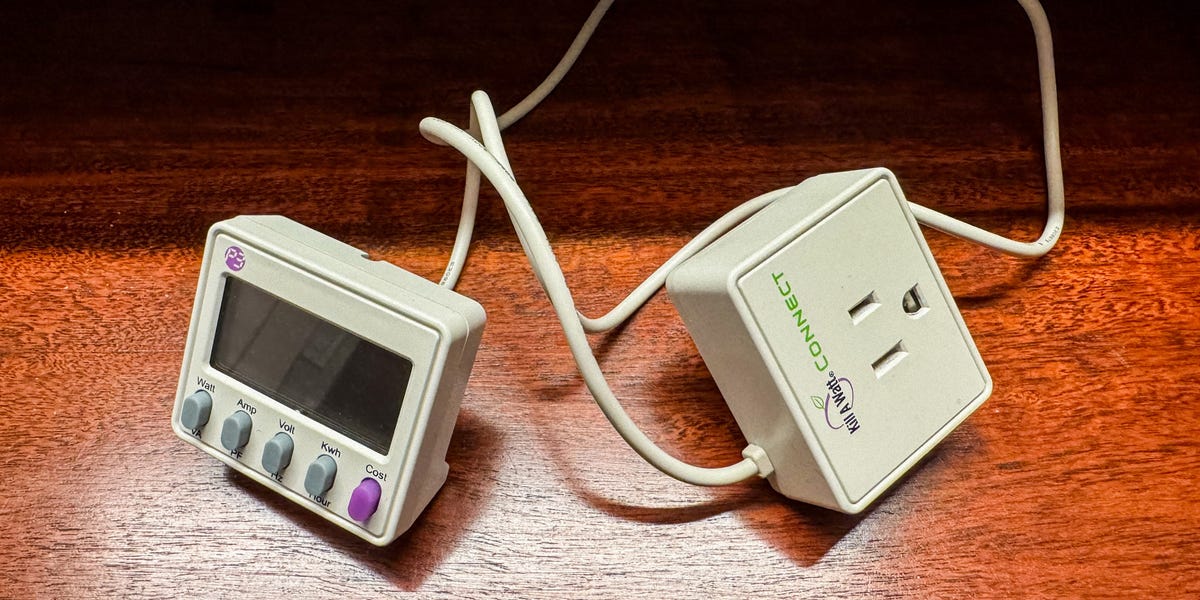

Affordable appliances are having a moment, and honestly, it is about time. Not every kitchen needs a refrigerator that can livestream your grocery list or a coffee maker with enough buttons to launch a small satellite. In 2025, smart shopping means choosing appliances that do the everyday jobs well: heating leftovers evenly, making coffee before your brain fully boots up, washing clothes without eating every sock, and helping dinner happen without turning the kitchen into a sauna.
This guide focuses on affordable appliances that offer practical performance, useful features, reasonable energy use, and fewer gimmicks. The goal is not to buy the cheapest appliance with a suspiciously cheerful product photo. The goal is to find value: a product that earns its counter space, shelf space, or laundry-room footprint over time.
Editorial note: Prices below reflect typical 2025 budget ranges rather than live pricing. Retail prices, promotions, delivery charges, and installation costs can change quickly. The “tested” approach in this guide is based on established third-party product testing, buyer guidance, and real-world performance criteria rather than a claim that every item was tested by one in-house team.
What Makes an Appliance Truly Affordable?
An affordable appliance is not automatically the one with the smallest price tag. A $40 blender that gives up after three smoothies is not a bargain; it is a loud countertop paperweight with trust issues. Real affordability includes the purchase price, energy use, durability, cleaning effort, replacement parts, and whether you will actually use the appliance more than twice.
For major appliances, the best value often comes from choosing a straightforward model with fewer luxury extras. A basic top-freezer refrigerator, freestanding electric range, or conventional top-load washer can cost far less than a feature-heavy alternative while still handling the essential work. For countertop appliances, value usually means one device that solves a frequent problem instead of five novelty gadgets that slowly form a support group in the back of a cabinet.
Look Beyond the Sale Sticker
Before buying, compare the appliance’s capacity, warranty, energy information, replacement filters or accessories, and maintenance requirements. Major appliances often display an EnergyGuide label, which estimates annual energy use and operating cost. That small yellow label is not glamorous, but neither is paying extra every month because your “deal” drinks electricity like it just finished a marathon.
Also consider delivery, haul-away, installation, hoses, venting kits, electrical requirements, and return policies. A discounted washer can become much less charming when the delivery fee, new water lines, and installation suddenly cost enough to sponsor a minor moon mission.
How We Evaluated Affordable Appliances for 2025
Our recommendations prioritize the qualities that matter most in ordinary homes: reliable performance, easy controls, sensible capacity, manageable cleanup, and useful value over time. Fancy features can be great, but only when they solve an actual problem. A touchscreen that requires a tutorial for toast is not progress. It is a cry for help.
Performance Comes First
For cooking appliances, that means even heating, consistent browning, adequate capacity, and settings that are easy to understand. For coffee makers, it means reliable brewing, a reasonable temperature, and a machine that does not demand the attention of a needy houseplant. For blenders, it means smooth drinks, crushed ice, and easy cleanup rather than a blender jar full of spinach confetti.
Ease of Use Matters More Than Marketing
A great budget appliance should make daily life easier. We favor removable dishwasher-safe parts, readable controls, logical settings, and compact footprints. Appliances that require special accessories, complicated apps, or a 40-page ritual before first use are less appealing when affordability is the mission.
Energy and Space Are Part of the Price
Energy-efficient appliances can reduce long-term operating costs, particularly for refrigerators, dishwashers, washers, dryers, and room air conditioners. Space matters, too. Always measure the appliance location, doorway clearance, cabinet depth, electrical outlet access, and ventilation needs. Measure twice, buy once, avoid discovering that your new refrigerator only fits if you remove a wall and apologize to your landlord.
Best Affordable Small Appliances for Everyday Use
1. A Compact Basket Air Fryer: Ninja AF101 or a Similar 4-Quart Model
A compact basket air fryer is one of the most useful affordable appliances for small households, college apartments, busy parents, and anyone who considers crispy leftovers a human right. Models in the Ninja AF101 category are often praised for straightforward controls, compact storage, and reliable crisping for fries, vegetables, wings, fish fillets, and reheated pizza.
Expect a typical 2025 budget range of roughly $70 to $110, depending on sales. A 4-quart basket is usually enough for one to three people, though it can feel snug for a family meal. Look for a removable nonstick basket, dishwasher-safe parts, and a temperature range that supports air frying, roasting, reheating, and dehydrating.
Best for: Small households, quick dinners, snack lovers, and people who want to use the big oven less often.
2. A Basic Drip Coffee Maker: Hamilton Beach or Black+Decker
You do not need to refinance your home for decent coffee. A simple 10- or 12-cup drip coffee maker from Hamilton Beach or Black+Decker can provide dependable daily brewing at a fraction of the cost of premium espresso systems. The key is to choose a model with an easy-to-fill water reservoir, a pause-and-pour feature, and a removable filter basket.
Many affordable drip machines land between $30 and $70. Machines with built-in grinders cost more and can be convenient, but a standard brewer paired with a separate grinder often gives you more flexibility and fewer parts to clean. In other words, your future self may appreciate a coffee maker that produces coffee rather than a second full-time job.
Best for: Families, offices, daily coffee drinkers, and anyone tired of paying café prices before 9 a.m.
3. A Personal Blender: NutriBullet Pro 900 or a Comparable Model
A good personal blender is one of the most practical affordable kitchen appliances because it handles smoothies, protein shakes, salad dressings, sauces, pancake batter, and small-batch soups without demanding a giant blender jar. The NutriBullet Pro 900 is widely recognized for stronger blending performance than many entry-level personal blenders, especially with frozen fruit and ice.
Budget-friendly personal blenders generally range from $70 to $120. Look for at least one large travel cup, a lid that does not leak, and blades that are easy to rinse. Do not obsess over motor wattage alone. A well-designed cup, blade arrangement, and ingredient circulation can matter just as much as a giant number printed on the box.
Best for: Smoothie drinkers, gym routines, small kitchens, and people who want breakfast to happen before their first meeting.
4. A Countertop Microwave: Toshiba 1.2-Cubic-Foot or Magic Chef 1.1-Cubic-Foot
The microwave may not be glamorous, but it is the dependable friend of the kitchen. It reheats, defrosts, melts butter, steams vegetables, and rescues leftovers from their cold and lonely fate. A countertop microwave from Toshiba or Magic Chef offers a good balance of capacity, power, and reasonable pricing.
Look for around 1.1 to 1.2 cubic feet of interior space if you want to fit dinner plates and medium casserole dishes comfortably. Sensor cooking can be helpful, but it is not essential. More important features include a clear display, reliable door handle, easy-to-clean interior, multiple power levels, and a turntable that does not wobble like it is auditioning for a circus.
Best for: Apartments, family kitchens, dorms, break rooms, and anyone replacing a microwave older than their favorite streaming service.
5. A Simple Toaster: Dash Clear View or Another Compact Two-Slice Toaster
A toaster should toast. That sounds obvious, yet uneven browning has turned breakfast into an emotional roller coaster for generations. Compact two-slice models, including affordable options from Dash, are a smart pick for smaller kitchens because they use little counter space and handle toast, waffles, bagels, and frozen pastries without demanding premium pricing.
Expect many good budget options under $50. Prioritize wide slots, a crumb tray, cancel and bagel settings, and simple controls. You do not need Wi-Fi in your toaster. Your English muffin has no urgent emails.
Best for: Small kitchens, first apartments, students, and toast enthusiasts with limited cabinet space.
6. A Conventional Rice Cooker: Aroma or Similar One-Button Models
For households that cook rice, grains, oatmeal, or steamed vegetables regularly, a conventional rice cooker is one of the best value purchases available. Basic Aroma-style rice cookers are inexpensive, simple to use, and often include a keep-warm setting. They may lack the precision of premium Japanese models, but they are reliable for everyday white rice, brown rice, quinoa, and meal prep.
A practical budget range is about $25 to $60. Choose capacity based on cooked-rice output, not just raw-rice measurements. A smaller household may do perfectly well with a 3- to 6-cup unit, while families often benefit from larger capacity.
Best for: Meal preppers, rice lovers, college kitchens, and anyone who has burned rice while “just checking one thing” on their phone.
Affordable Major Appliances Worth Considering
Top-Freezer Refrigerators Offer Excellent Value
If you need a refrigerator on a budget, a traditional top-freezer model is often the value champion. These refrigerators usually cost less than French-door, side-by-side, and smart models while providing useful storage and simpler construction. You may sacrifice a water dispenser, touchscreen, or fancy sliding drawers, but you may also save hundreds of dollars and avoid another filter subscription.
Look for adjustable shelves, clear temperature controls, good door-bin storage, and a configuration that fits your kitchen. Models without exterior water or ice dispensers can use less energy and have fewer components that may need service later.
Freestanding Electric Ranges Keep Costs Sensible
A 30-inch freestanding electric range is often the practical choice for budget-conscious kitchens. It is widely available, easier to replace than more specialized models, and usually less expensive than slide-in or induction ranges. A smooth-top electric range offers easier cleanup, while coil-burner models can be cheaper upfront and simpler to repair.
Focus on oven capacity, self-cleaning options, burner layout, and controls that are easy to use. Air-fry modes and convection can be helpful, but they should not be the only reason to choose a range. A reliable oven that bakes evenly is much more valuable than a feature that becomes a conversation piece for exactly one Thanksgiving.
Basic Dishwashers Can Still Clean Extremely Well
Affordable dishwashers do not need to whisper at library volume or connect to your phone. A basic 24-inch dishwasher with a stainless-steel tub, adjustable upper rack, soil sensor, and normal cycle can offer strong value. When comparing models, check the decibel rating, rack layout, cycle time, and drying performance.
For efficiency, scrape food into the trash or compost instead of pre-rinsing every dish. Modern detergents and dishwashers are designed to handle normal food residue, and a fully loaded dishwasher can be more efficient than washing a pile of dishes by hand.
Top-Load Washers Make Sense for Many Budgets
A conventional top-load washer remains a solid budget choice, especially for households that prefer easy loading, simple controls, and shorter wash cycles. Top-load designs can be easier for some people to access and may cost less upfront than front-load washers. Look for models with multiple water-level options, a useful quick-wash cycle, and an appropriately sized drum.
Front-load washers can offer excellent efficiency, but a basic top-loader may provide better value when purchase price, installation space, and user preference matter more than extra features. Whichever style you choose, avoid overloading the drum and use the correct detergent amount. More detergent does not create more cleanliness; it mostly creates more residue and drama.
Window Air Conditioners Can Beat Portable Units on Value
For cooling a single room, a properly sized window air conditioner can be a cost-effective choice. It often cools more efficiently than a portable unit because it sends heat directly outdoors rather than relying on a hose setup. Choose the correct capacity for the room, install it in a suitable window, and use a grounded outlet. Never use an extension cord or power strip with a room air conditioner.
Do not buy the largest unit just because bigger feels safer. An oversized air conditioner may cool too quickly without removing enough humidity, leaving the room chilly but clammy. Nobody wants their bedroom to feel like a refrigerated cave with a questionable weather system.
How to Shop for Affordable Appliances Without Regret
- Set a true budget: Include taxes, delivery, installation, hoses, cords, filters, and disposal fees.
- Measure everything: Appliance width, depth, height, door swing, cabinet clearance, hallways, and entry doors all matter.
- Read the EnergyGuide label: Compare estimated annual energy use and operating cost among similar major appliances.
- Buy the right capacity: Extra capacity can be useful, but it can also waste money, counter space, and energy.
- Favor simple controls: Physical buttons and clear dials can be easier to use, clean, and understand than a complicated touchscreen.
- Check parts and service: Filters, baskets, racks, replacement cups, and warranty support should be easy to find.
- Watch sale cycles: Small appliances often see strong promotions around major shopping events, while large appliances may be discounted during holiday weekends and bundle sales.
When It Is Worth Spending More
Affordable does not always mean cheapest. Spend more when an appliance will be used daily, supports a large household, affects food safety, or would be expensive to replace after a short lifespan. A refrigerator, washer, dishwasher, or primary cooking range deserves more research than a novelty gadget that promises restaurant-quality waffles in the shape of a dinosaur.
For countertop products, spending slightly more can make sense for a better motor, stronger heating performance, longer warranty, more durable materials, or easier cleaning. The best affordable appliance is the one that reliably handles your routine without making you wish you had bought something else six weeks later.
Additional 500-Word Experience Section: What Affordable Appliances Feel Like in Real Life
The most interesting thing about affordable appliances is that their value becomes obvious in tiny, ordinary moments. It is not usually dramatic. Nobody walks into the kitchen, sees a $79 air fryer, and delivers an acceptance speech. Instead, you notice that dinner happens faster on a Wednesday. You remember that frozen vegetables can taste crisp instead of vaguely disappointed. You stop ordering takeout quite as often because reheating leftovers is suddenly easier than opening another delivery app.
A basic coffee maker has a similar effect. It does not need to grind beans while reciting your horoscope. It just needs to brew a dependable pot before work, during a busy morning, or after a night when sleep was more of a suggestion than a completed task. A straightforward drip brewer can become part of a routine because it works without negotiations. Add water, add grounds, press a button, and let the machine do its little caffeinated miracle.
Personal blenders are another affordable appliance that can quietly improve daily habits. When a blender is easy to clean, a smoothie becomes a realistic breakfast instead of a weekend fantasy involving a sink full of parts. Frozen fruit, yogurt, milk, protein powder, and a handful of spinach can become breakfast in a minute. That is not culinary wizardry, but on a rushed weekday, it feels close enough.
In small apartments, compact appliances can make a kitchen feel more capable without making it feel crowded. A microwave with a roomy turntable, a two-slice toaster, a rice cooker, and a basket air fryer can cover a surprising number of meals. You can steam rice, roast vegetables, heat soup, toast bagels, make quesadillas, crisp chicken, and prepare breakfast without owning a countertop appliance for every emotional phase of your life.
Major appliances are where affordability becomes more strategic. A simple top-freezer refrigerator may not have a screen, an app, or a drawer that sings when you open it, but it can keep food cold, provide useful storage, and leave more room in the budget for groceries. A basic washer may not send push notifications, but it can handle towels, jeans, bedding, and the mysterious mountain of laundry that appears whenever you turn around for five minutes.
The biggest lesson is that affordable appliances work best when they match your actual habits. A family that cooks large dinners may need a bigger air fryer or a full-size range. A solo renter may get more value from a compact microwave and personal blender. A household that drinks coffee every day should spend more on a dependable brewer, while a household that drinks coffee once a month should probably skip the countertop monument entirely.
Value also improves when you maintain what you own. Clean crumbs from the toaster. Descale the coffee maker. Wipe down refrigerator door seals. Remove lint from the dryer filter after every load. Do not leave a blender cup in the sink for three days and then act surprised when it develops a new ecosystem. Basic care helps appliances last longer, work better, and stay affordable long after the receipt has vanished into the mysterious dimension where all receipts go.
Ultimately, the best affordable appliances are not the flashiest. They are the dependable little workhorses that save time, reduce friction, and make home life feel slightly more organized. That may not sound glamorous, but neither does folding laundry, and yet here we are.
Conclusion: Build a Better Home Without Overspending
The best affordable appliances of 2025 are practical, easy to use, and designed around real routines rather than flashy marketing. A compact air fryer, basic drip coffee maker, personal blender, countertop microwave, rice cooker, top-freezer refrigerator, simple dishwasher, or conventional washer can deliver serious value when you choose the right size and features for your household.
Start with the jobs you perform most often. Compare long-term operating costs, check available space, read warranty details, and avoid paying extra for features that will spend their entire lives untouched. The right affordable appliance should save time, reduce stress, and make everyday tasks a little less annoying. That is a much better return on investment than a refrigerator that wants to become your social-media manager.
SEO Tags