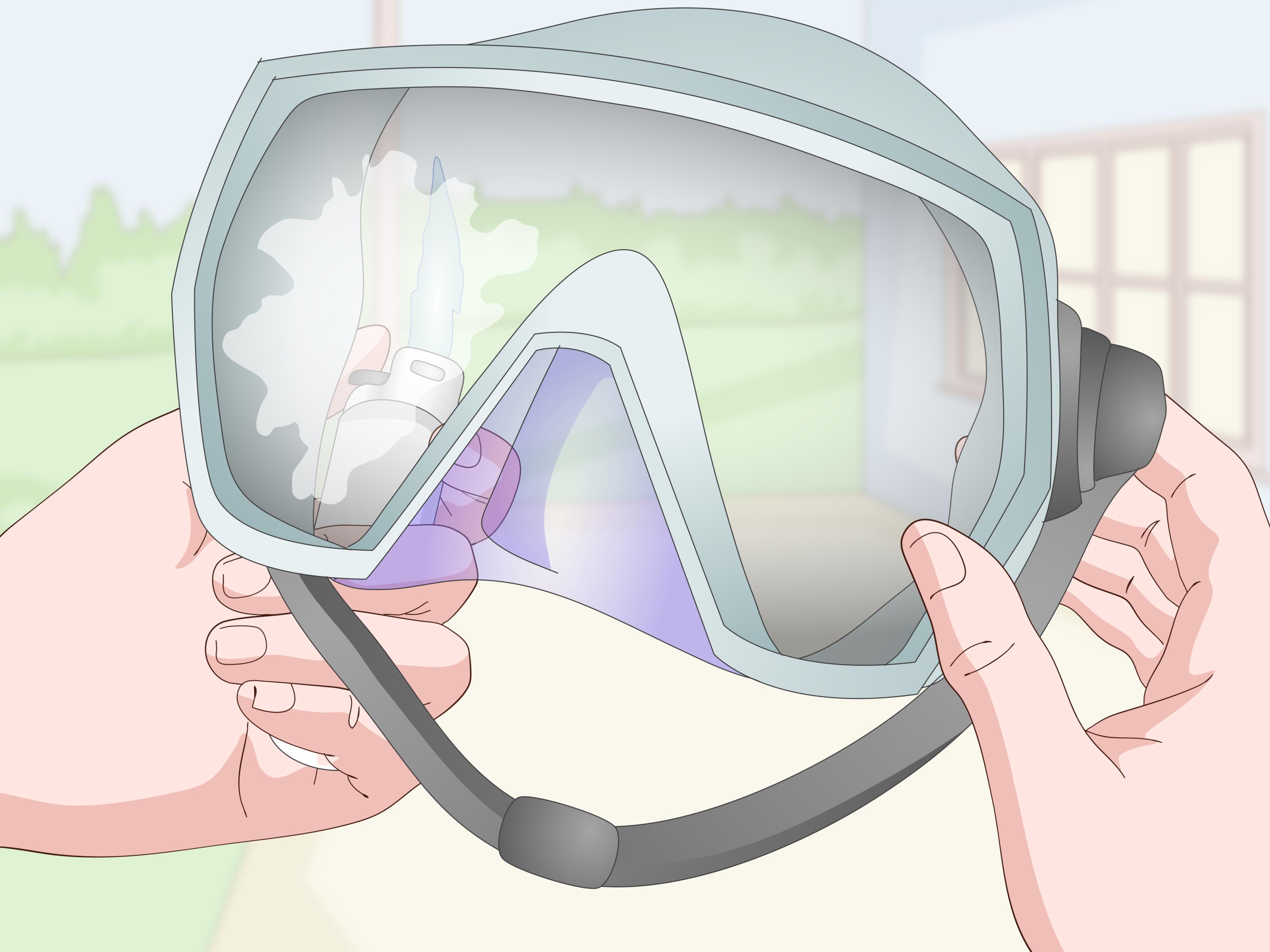

Few things ruin a swim, ski run, dive, or workshop project faster than goggles that suddenly resemble frosted bathroom windows. One moment, you can see every lane marker, trail bump, coral formation, or flying wood chip. The next, you are navigating through a personal cloud bank and wondering whether your goggles have developed their own weather system.
Fortunately, learning how to keep goggles from fogging up is not complicated. Most fogging problems come down to three factors: moisture, temperature differences, and poor airflow. Control those conditions, protect the lens coating, and use the right anti-fog treatment, and you can enjoy much clearer vision.
This guide covers practical anti-fog tips for swimming goggles, ski goggles, snowboard goggles, safety goggles, snorkeling masks, and scuba masks. It also explains which popular tricks are useful, which are risky, and why rubbing the inside of a wet lens is usually a terrible idea.
Why Do Goggles Fog Up?
Fog forms when warm, humid air meets a cooler lens. Water vapor condenses into countless microscopic droplets on the lens surface. Those droplets scatter light instead of allowing it to pass cleanly through, producing the cloudy appearance we call fog.
For swimmers and divers, warmth from the face is trapped inside the goggles while the outside lens is cooled by water. For skiers and snowboarders, body heat, sweat, and warm breath meet lenses exposed to cold mountain air. Safety goggles can fog when physical work generates heat and perspiration inside eyewear with limited ventilation.
Anti-fog coatings do not magically eliminate moisture. Instead, they help water spread into a thin, more transparent film rather than forming vision-blocking droplets. That is why caring for the coating matters just as much as applying an anti-fog product.
How to Keep Goggles from Fogging Up
1. Start With Goggles That Fit Properly
A good fit is the foundation of fog prevention. Swimming goggles should create a gentle, consistent seal around the eyes without requiring enough strap tension to rearrange your eyebrows. Press the goggles lightly against your face without the strap. If they remain in place briefly through suction, the shape is probably compatible with your face.
Ski and snowboard goggles should form an even seal around the face and work smoothly with your helmet. Large gaps can allow warm breath or snow inside. At the same time, vents must remain unobstructed so humid air can escape.
For safety eyewear, choose a size and design appropriate for both your face and the workplace hazard. Do not sacrifice splash, dust, chemical, or impact protection simply to gain more airflow. Directly vented, indirectly vented, and nonvented goggles are designed for different hazards.
2. Do Not Touch the Inside of New Goggles
Many modern goggles leave the factory with an anti-fog coating already applied to the inner lens. Touching, wiping, or scrubbing that surface can remove or weaken the coating.
This is especially important with swimming and snow goggles. Resist the urge to polish the inside with your thumb, towel, shirt, glove, or whatever suspicious fabric is hiding at the bottom of your gym bag. Skin oils leave residue, while rough materials can create scratches.
If the inside becomes wet, shake out loose water and allow the goggles to air-dry. When manufacturer instructions permit it, gently blot moisture with a clean microfiber cloth. Blotting means pressing lightly and liftingnot performing an enthusiastic windshield-wiper impression.
3. Use a Goggle-Safe Anti-Fog Spray
Commercial anti-fog spray is usually the most dependable solution after a factory coating begins to lose effectiveness. Choose a product intended for your exact lens type. A treatment designed for tempered-glass diving masks may not be appropriate for coated polycarbonate ski or swimming lenses.
Application instructions vary, but the usual process is simple:
- Make sure the lens is reasonably clean.
- Apply a small amount of anti-fog solution.
- Spread it only as directed by the manufacturer.
- Rinse lightly or buff dry if the product instructions require it.
- Reapply when fog resistance begins to decline.
More product is not necessarily better. An overly thick layer can create streaks, distorted vision, or eye irritation. Follow the label rather than treating the bottle like a fire extinguisher.
4. Try Diluted Baby Shampoo Carefully
A tiny amount of diluted, tear-free baby shampoo is a popular alternative for swim goggles and dive masks. The surfactants help water spread across the lens instead of collecting in individual droplets.
Mix a small drop with clean water, apply a very thin film, and rinse until only an invisible residue remains. Too much shampoo can sting the eyes or produce smeared vision. Check the goggle manufacturer’s care instructions first, particularly when the lens has a specialized anti-fog, mirrored, photochromic, or hydrophobic coating.
Regular shampoos, moisturizing soaps, and dish liquids may contain fragrances, oils, conditioners, or other additives that leave residue. A product that makes hair silky enough for a shampoo commercial is not automatically ideal for optical equipment.
5. Use Saliva Only When Appropriate
Some swimmers, snorkelers, and scuba divers use saliva as a quick defogging treatment. A thin film can reduce droplet formation temporarily, which explains why the old technique sometimes works.
However, saliva is less consistent than commercial defogger, may leave residue, and is not hygienic for shared or rental equipment. It should not be used on workplace safety goggles, and it may be prohibited by a dive operator or equipment provider. When a purpose-made anti-fog solution is available, it is generally the cleaner and more predictable choice.
6. Keep Ski-Goggle Vents Open
Ventilation is essential for preventing ski goggles from fogging. Inspect the top, bottom, and side vents before heading downhill. Remove packed snow gently and make sure a hat, helmet liner, face covering, or hood is not blocking airflow.
Helmet compatibility matters as well. A poorly matched helmet and goggle combination can create gaps in one area while compressing vents in another. Ideally, the top of the goggles should meet the helmet cleanly without being crushed.
Keep moving after putting on your goggles. Airflow through the ventilation system helps carry warm, damp air away from the lens. Standing still after a sweaty climb is often when the fog monster makes its grand entrance.
7. Keep Goggles Off Your Forehead
Placing ski or snowboard goggles on your forehead seems convenient, but it exposes the interior to heat, perspiration, and moisture from your hat or helmet. It may also reduce airflow through the vents.
Once goggles are on your face, leave them there whenever practical. During a break, remove them completely and place them in a dry, protected location rather than parking them in the warmest, sweatiest spot available.
8. Prevent Warm Breath From Entering Snow Goggles
A neck gaiter or face covering pulled too high can direct warm exhaled air upward into the goggles. Adjust the covering so breath can escape without compromising warmth or protection. Some designs include shaped nose panels or ventilation holes that help send moisture away from the lens.
Check for gaps around the nose bridge. A face covering stuffed under the bottom foam may break the goggle seal and funnel humid air directly inside. In fog-prevention terms, this is less “winter layering” and more “installing a steam pipe.”
9. Manage Sweat Before It Reaches the Lens
Overheating is a major cause of fogging. Open jacket vents, reduce unnecessary layers, and adjust your effort before sweat saturates the face foam. On uphill sections, remove goggles when conditions allow and store them safely rather than filling them with perspiration.
For industrial work, select eyewear designed to balance protection with airflow and anti-fog performance. When heat or humidity is severe, workplace controls such as improved ventilation, rest periods, and suitable personal protective equipment may be necessary.
10. Rinse Swim Goggles After Every Use
After swimming, rinse goggles gently with cool or lukewarm fresh water. This helps remove chlorine, salt, and other contaminants that can degrade straps, gaskets, and lens treatments.
Avoid hot water, which may damage plastic parts, adhesives, seals, or coatings. Do not scrub the inner lens unless the manufacturer specifically instructs you to do so. Shake off excess water and place the goggles somewhere clean to air-dry.
Do not immediately seal wet goggles inside a dark swim bag. That creates a tiny luxury resort for odors, bacteria, and moldexcept nobody enjoys checking in.
11. Clean Safety Goggles With Mild, Oil-Free Products
Safety goggles may collect dust, grease, chemicals, or biological contaminants, so their cleaning requirements differ from recreational eyewear. Follow the manufacturer’s instructions and your workplace’s cleaning and disinfection procedures.
For routine cleaning, many manufacturers recommend clean water and a mild, neutral, oil-free soap. Waxes, lanolin, lotions, and greasy cleaners may leave a film that interferes with anti-fog performance.
Never improvise with strong solvents, ammonia, acetone, paint thinner, or abrasive cleaners unless the manufacturer expressly approves them. These substances can weaken or cloud lenses and damage protective coatings. Replace safety goggles if the lens is deeply scratched, cracked, distorted, or no longer provides clear vision.
12. Let Goggles Dry Completely Before Storage
Air-drying is one of the easiest ways to extend goggle life. Place goggles in a ventilated area away from direct sunlight, heaters, and hot vehicle interiors. Excessive heat can deform frames, damage foam, weaken straps, and reduce the effectiveness of lens coatings.
Once completely dry, store goggles in a protective case or soft bag. A case prevents scratches from keys, tools, buckles, and the collection of mysterious sharp objects that apparently reproduce inside sports bags.
Can You Use Toothpaste to Defog Goggles?
Toothpaste is sometimes recommended for preparing a new tempered-glass scuba or snorkeling mask. Manufacturing residue may remain on the interior of a new glass lens, and gentle treatment with a non-gel, nonabrasive toothpaste can help remove it.
However, toothpaste should not be treated as a universal goggle cleaner. It may scratch plastic or polycarbonate lenses and can damage factory-applied coatings. Do not use toothpaste on swimming goggles, ski goggles, prescription inserts, mirrored lenses, or safety eyewear unless the manufacturer specifically approves it.
Even with a glass dive mask, follow the mask maker’s instructions. Some modern lenses have coatings that require different care. When uncertain, use a purpose-made mask cleaner or ask a reputable dive shop.
Common Anti-Fog Mistakes to Avoid
- Rubbing a wet inner lens: This can smear moisture and remove anti-fog coating.
- Using paper towels: Paper fibers may scratch delicate lenses.
- Applying household glass cleaner: Ammonia, alcohol, fragrances, or solvents may harm coatings.
- Blocking ventilation: Hats, helmets, snow, or face coverings can prevent humid air from escaping.
- Storing goggles while wet: Trapped moisture promotes odors and deterioration.
- Using boiling or very hot water: Heat can warp frames and weaken adhesives.
- Overtightening straps: Excessive pressure does not guarantee a better seal and may make goggles uncomfortable.
- Modifying safety-goggle vents: Drilling holes or removing vent covers can destroy required hazard protection.
Quick Anti-Fog Routine for Different Goggles
| Goggle Type | Before Use | During Use | After Use |
|---|---|---|---|
| Swimming goggles | Apply swim-safe defogger if needed | Avoid touching the inner lens | Rinse with fresh water and air-dry |
| Ski or snowboard goggles | Check vents and helmet fit | Keep goggles on your face and manage sweat | Blot moisture gently and dry fully |
| Scuba or snorkeling mask | Prepare a new mask correctly and apply defogger | Limit unnecessary mask removal | Rinse away salt and store in a mask box |
| Safety goggles | Select the correct venting and hazard rating | Keep the protective seal and vents unobstructed | Clean and disinfect according to official instructions |
Frequently Asked Questions
Why do my brand-new goggles fog?
New goggles may fog because the fit is poor, the interior was touched, vents are blocked, or the temperature and humidity difference is unusually large. Some new scuba masks also contain manufacturing residue that must be removed using a manufacturer-approved preparation method.
Does anti-fog spray work permanently?
No. Most topical treatments are temporary and require reapplication. Their durability depends on the product, lens material, cleaning routine, water conditions, humidity, and frequency of use.
Should I wet swimming goggles before wearing them?
A quick rinse may help with some goggles, but follow the manufacturer’s instructions. Avoid vigorous rubbing, and do not wash away a freshly applied treatment that is meant to remain on the lens.
How often should goggles be replaced?
There is no universal schedule. Replace recreational goggles when the lenses become scratched or distorted, seals leak, straps lose elasticity, foam deteriorates, or fogging remains severe despite proper cleaning and treatment. Replace protective safety eyewear whenever damage could affect its required protection.
Real-World Experiences: What Usually Works Best
The most useful anti-fog lessons often appear when goggles are used in less-than-perfect conditions. Consider a lap swimmer who buys a new pair, enjoys several beautifully clear sessions, and then begins wiping the inner lenses with a towel between sets. Within a few weeks, the goggles fog constantly. The swimmer blames the product, but the more likely problem is that repeated wiping has worn down the factory treatment. Switching to a hands-off routine, rinsing with fresh water, and applying a swim-specific defogger often restores acceptable visibility.
Another familiar situation happens during open-water swimming. The morning air is cool, the swimmer’s face is warm, and the water is colder still. Goggles that behaved perfectly in an indoor pool may start fogging after only a few minutes. In this environment, preparing the lenses before entering the water is more effective than attempting to fix them mid-swim. A secure seal, a light layer of suitable anti-fog treatment, and a backup pair of goggles can prevent an exciting lake swim from becoming an accidental navigation challenge.
On the mountain, fog often appears after exertion rather than during a fast downhill run. A skier completes a warm, sweaty hike, pushes the goggles onto the forehead, and stops to talk. Moisture from the hat and skin enters the goggle while airflow drops to nearly zero. When the skier pulls the goggles down again, the lens clouds immediately. The better routine is to manage clothing vents before overheating, keep the goggles properly positioned, and avoid wiping the wet inner lens. If snow enters, shaking it out and allowing airflow to dry the interior usually causes less damage than scrubbing with a glove.
Divers commonly experience a different pattern. A new mask fogs repeatedly even though commercial defogger is applied before every dive. The underlying issue may be residue on the new tempered-glass lens. After the mask is prepared according to the manufacturer’s directions, a small amount of defogger before each dive becomes much more effective. The important distinction is that a treatment appropriate for an uncoated glass dive mask may be harmful to a coated plastic swimming or ski lens.
Workplace safety goggles add another lesson: clear vision must never come at the expense of protection. A worker may be tempted to enlarge vents, loosen the fit, or switch to ordinary glasses because sealed goggles feel warm. Those shortcuts can expose the eyes to dust, splashes, debris, or chemicals. A safer solution is choosing properly rated anti-fog eyewear with suitable indirect ventilation, improving environmental airflow when possible, and following the manufacturer’s cleaning process.
Across all these situations, the winning habits are remarkably similar. Start with equipment that fits the activity and your face. Preserve the inner coating. Control heat and moisture before they become overwhelming. Use a compatible anti-fog product rather than a random bathroom or kitchen chemical. Finally, dry and store the goggles correctly. Fog prevention is less about one miraculous trick and more about avoiding five small mistakes that quietly sabotage the lens.
Conclusion
Keeping goggles clear requires a combination of proper fit, airflow, moisture control, lens-safe treatment, and gentle care. Begin by protecting the original anti-fog coating: do not touch or aggressively wipe the inner lens. Keep vents open, manage perspiration, rinse away chlorine or salt, and allow goggles to dry completely before storage.
When additional help is needed, use an anti-fog spray formulated for the specific lens. Home remedies such as diluted baby shampoo may work in some situations, but they should be used sparingly and only when compatible with the manufacturer’s instructions. Toothpaste belongs only in limited new-mask preparation scenariosnot on every lens that dares to become cloudy.
With these easy tips and tricks, your goggles can spend more time helping you see and less time impersonating a steamed-up shower door.
{
“meta_title”: “How to Keep Goggles from Fogging Up: Easy Tips”,
“meta_description”: “Learn how to stop swim, ski, dive, and safety goggles from fogging with easy anti-fog tips, proper cleaning methods, and lens-care advice.”,
“sapo”: “Foggy goggles can turn a swim, ski run, dive, or work project into a blurry guessing game. This practical guide explains why lenses fog and how to keep them clear using proper fit, ventilation, anti-fog spray, moisture control, gentle cleaning, and safe storage. It also reveals which popular home remedies may help, which can damage coatings, and how fog prevention differs among swimming goggles, snow goggles, dive masks, and protective safety eyewear.”,
“keywords”: [
“how to keep goggles from fogging”,
“anti-fog goggles”,
“stop swimming goggles fogging”,
“ski goggle fog prevention”,
“goggle anti-fog spray”,
“how to clean goggles”,
“prevent dive mask fog”
]
}