
Measuring vegetables in cups sounds simple until a recipe says “1 cup chopped carrots,” your cutting board looks like a tiny orange construction site, and your measuring cup has mysteriously joined the witness protection program. The good news? You do not need to be a professional chef, a math professor, or the proud owner of twelve matching glass bowls to get vegetable measurements right.
In American recipes, “cups” are a standard way to measure volume. For vegetables, that usually means the amount of chopped, sliced, shredded, cooked, or packed produce that fits into a cup. But vegetables are wonderfully annoying: one cup of spinach does not behave like one cup of diced potatoes, and one giant tomato can laugh in the face of your neat little measuring plan.
This guide explains how to measure vegetables in cups with a measuring cup, without a measuring cup, and with everyday kitchen clues like your fist, a bowl, a plate, or a handful. We will also cover common vegetable cup equivalents, smart chopping tips, and the little mistakes that turn a crisp salad into a “why is this mostly cabbage?” situation.
What Does “1 Cup of Vegetables” Mean?
In most recipes, 1 cup of vegetables means 1 standard U.S. cup by volume. A U.S. cup equals 8 fluid ounces, 16 tablespoons, or about 237 milliliters. However, when you measure vegetables, you are measuring space, not liquid weight. That is why a cup of chopped celery and a cup of cooked peas may look similar in volume but weigh very different amounts.
For nutrition guidance, 1 cup of raw or cooked vegetables often counts as 1 cup-equivalent from the vegetable group. Raw leafy greens are the famous exception: because they are fluffy and full of air, about 2 cups of raw leafy greens usually count as 1 cup-equivalent. Translation: spinach is dramatic, but we forgive it because it cooks down into almost nothing.
How to Measure Vegetables with a Measuring Cup
The easiest method is to use a standard dry measuring cup. Vegetables are solid ingredients, so a dry measuring cup gives you a level top and a more accurate amount than trying to squint through a liquid measuring cup.
Step 1: Prepare the Vegetable the Way the Recipe Says
Pay close attention to the wording. “1 cup carrots, chopped” means chop the carrots first, then measure. “1 cup chopped carrots” means the same thing in most practical cooking situations. But “1 cup cooked spinach” is very different from “1 cup raw spinach.” Cooked spinach shrinks like it just received bad news.
Common preparation terms include:
- Chopped: medium pieces, usually irregular but bite-sized.
- Diced: small, even cubes.
- Sliced: thin or thick flat pieces.
- Shredded: long, thin strips, often made with a grater.
- Packed: gently pressed into the cup, often used for leafy greens or grated vegetables.
Step 2: Fill the Cup Without Smashing the Vegetables
Spoon or place the vegetables into the measuring cup. For chopped vegetables like onions, peppers, carrots, zucchini, broccoli stems, or celery, fill the cup until it is level with the rim. Do not crush the vegetables down unless the recipe says “packed.” A cup of gently filled chopped bell pepper is not the same as a cup of bell pepper that has been bullied into submission.
Step 3: Level the Top
For firm chopped vegetables, level the top with your hand or the flat side of a knife. This does not need to be as exact as baking flour, where one extra scoop can turn cookies into roof shingles. Cooking is usually more flexible. Still, a level cup helps keep soups, casseroles, stir-fries, and salads balanced.
Step 4: Treat Leafy Greens Differently
Leafy greens are light and springy. For raw spinach, lettuce, arugula, kale, chard, or mixed greens, place them loosely into the cup unless the recipe says to pack them. For nutrition cup-equivalents, remember the handy rule: 2 cups raw leafy greens are roughly equal to 1 cup of vegetables. For cooked leafy greens, 1 cup cooked usually counts as 1 cup.
How to Measure Vegetables Without a Measuring Cup
No measuring cup? No panic. You can still estimate vegetables surprisingly well with visual references. Is it as exact as a stainless-steel measuring cup? No. Is it good enough for most weeknight soups, salads, omelets, sheet-pan dinners, and stir-fries? Absolutely.
Use Your Fist as a 1-Cup Estimate
For many adults, a closed fist is close to 1 cup. This works well for chopped vegetables, cooked vegetables, or small whole vegetables like peas, corn, diced squash, or chopped green beans. Hands vary, of course, so if you are built like a basketball player or a Victorian doll, adjust accordingly.
Use a Tennis Ball or Baseball Size
A portion about the size of a baseball is often close to 1 cup. This is useful when estimating vegetables such as chopped broccoli, cooked carrots, diced potatoes, roasted squash, or mixed vegetables. A tennis ball is slightly smaller but still a practical kitchen clue when perfection is not required.
Use a Standard Bowl
Many small cereal bowls hold about 1 1/2 to 2 cups, while larger soup bowls may hold 2 to 3 cups or more. If you know your bowl size once, you can reuse that knowledge. Fill your bowl with water and pour it into any labeled bottle or measuring container one time. Congratulations: your bowl now has a secret identity as a measuring tool.
Use the Half-Plate Method
For meals rather than recipes, the half-plate method is wonderfully simple. Fill half your plate with vegetables and fruits, with vegetables taking the starring role whenever possible. This does not give you an exact cup measurement, but it helps you build a balanced plate without turning dinner into a geometry exam.
Use Handfuls
One adult handful of chopped vegetables is often around 1/2 cup. Two handfuls are roughly 1 cup. For raw leafy greens, two big handfuls may equal about 2 cups, depending on the greens and how fluffy they are. Kale, for example, has a personality and takes up more room than it probably deserves.
Common Vegetable Cup Equivalents
Vegetables vary by size, moisture, cut, and density, so these are practical estimates rather than laboratory commandments. Use them when a recipe gives a cup measurement but your vegetables are still whole.
| Vegetable | Approximate Amount for 1 Cup | Best Measuring Tip |
|---|---|---|
| Carrots | 2 medium carrots chopped, or about 12 baby carrots | Slice or chop before measuring. |
| Bell pepper | 1 large bell pepper chopped | Remove seeds and ribs first. |
| Broccoli | About 1 medium handful of chopped florets | Cut large florets into bite-size pieces. |
| Spinach, raw | 2 loosely packed cups count like 1 cup vegetable equivalent | Do not compress unless the recipe says packed. |
| Spinach, cooked | 1 cup cooked | Drain excess liquid before measuring. |
| Onion | 1 medium onion chopped | Dice evenly for better recipe balance. |
| Celery | 2 to 3 medium stalks chopped | Slice across the stalk for consistent pieces. |
| Green beans | About 1 generous handful trimmed and cut | Trim ends before measuring. |
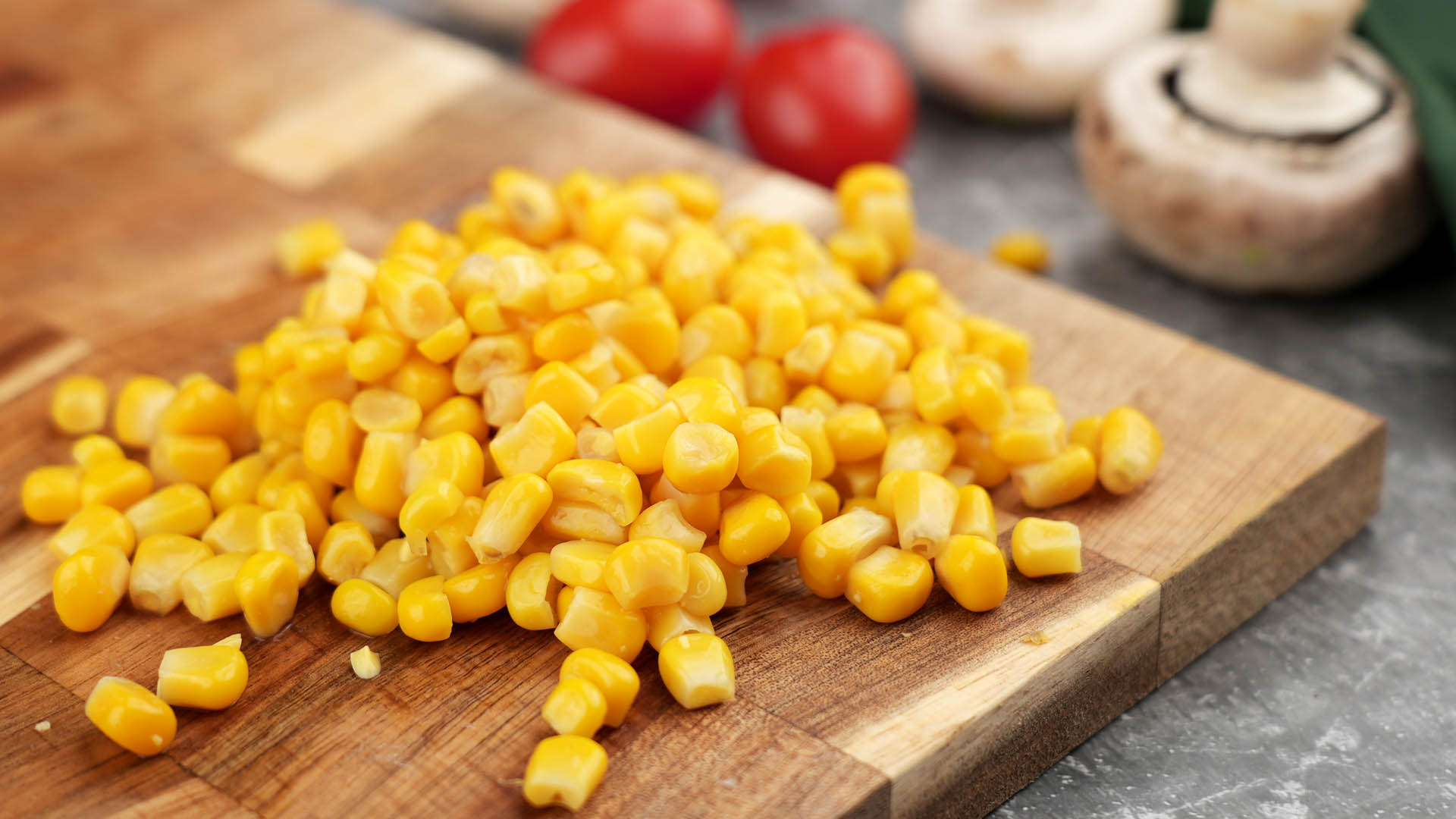
| Corn | 1 large ear of corn, kernels removed | Cut kernels from cob before measuring. |
| Potato | 1 medium potato diced may be close to 1 cup | Measure after peeling if the recipe requires peeling. |
| Zucchini | 1 small to medium zucchini chopped or sliced | For baking, lightly blot shredded zucchini if watery. |
| Cabbage | 1 cup shredded is a small mound | Lightly pack for slaws unless recipe says loose. |
Raw vs. Cooked Vegetables: Why the Cup Changes
Raw vegetables often contain more air and structure. Cooking softens them, releases water, and reduces volume. That is why 4 cups of raw spinach can become a tiny green puddle that looks like it owes you money.
When a recipe says 1 cup cooked vegetables, cook them first, drain if needed, and then measure. This is especially important for spinach, mushrooms, cabbage, kale, onions, and zucchini because they shrink or release moisture. If a soup recipe calls for 1 cup chopped raw onion, do not sauté a random amount and then measure it after cooking. The recipe expects the raw amount.
Chopped, Diced, Sliced, or Shredded: The Cut Matters
The way you cut vegetables affects how much fits in a cup. Large broccoli florets leave air gaps. Finely diced broccoli stems pack more tightly. Shredded carrots settle differently from carrot coins. This is why recipe writers use words like chopped, diced, sliced, grated, or shredded.
When Accuracy Matters Most
For soups, stews, salads, casseroles, omelets, and stir-fries, a small difference rarely ruins the dish. For baking, pickling, canning, and tightly balanced sauces, measuring more carefully matters. Zucchini bread, for instance, can become soggy if you add too much shredded zucchini without draining excess moisture. Pickled vegetables also depend on proper ratios of vegetables, vinegar, salt, and liquid for safety and flavor.
When You Can Relax
If you are making a salad, pasta bowl, rice bowl, burrito filling, stir-fry, or roasted vegetable tray, a little extra vegetable is usually a gift, not a problem. Recipes are maps, not prison sentences. If your “1 cup broccoli” becomes 1 1/4 cups, dinner will survive.
How to Measure Leafy Greens in Cups
Leafy greens deserve their own section because they refuse to behave like normal vegetables. A cup of chopped cucumber is tidy. A cup of kale is basically a leafy balloon animal.
For raw leafy greens, use a loose cup unless the recipe says otherwise. Tear or chop large leaves first if the recipe calls for chopped greens. Remove tough stems from kale, collards, or chard when needed. If measuring salad greens, do not press them down hard. You want the amount you would naturally eat, not a compacted green brick.
For cooked greens, drain them well. Cooked spinach, collards, mustard greens, and kale can hold a lot of water. Extra liquid can thin a quiche, soup, dip, or casserole. Press cooked greens gently in a strainer or squeeze them in a clean towel if the recipe needs a drier texture.
How to Convert Cups to Tablespoons and Smaller Amounts
Sometimes you only need a small amount of vegetables, especially for garnishes, sauces, omelets, or baby portions. Use these standard U.S. kitchen conversions:
- 1 cup = 16 tablespoons
- 1/2 cup = 8 tablespoons
- 1/3 cup = about 5 tablespoons plus 1 teaspoon
- 1/4 cup = 4 tablespoons
- 1 tablespoon = 3 teaspoons
For minced onion, chopped herbs, diced jalapeño, scallions, garlic, or grated carrot, tablespoons are often easier than cups. Nobody wants to measure “1/16 cup minced celery” unless they are being punished by a very tiny soup committee.
Using a Kitchen Scale for Better Accuracy
A kitchen scale is the most accurate way to measure vegetables, especially when you are meal prepping, tracking nutrition, or repeating a recipe. The challenge is that cups and grams do not convert perfectly for all vegetables because density changes by cut and moisture. One cup of chopped cucumber weighs less than one cup of mashed sweet potato.
If a recipe gives both cups and grams, use the gram measurement for best consistency. If it only gives cups, measure by volume the first time. If you love the result, weigh that amount and write it down. Future you will be grateful, and possibly smug.
Measuring Frozen, Canned, and Dried Vegetables
Frozen Vegetables
Frozen vegetables can usually be measured straight from the bag if the recipe will cook them. Shake the bag first to break up clumps. For recipes where texture matters, such as casseroles or sautés, thaw and drain watery vegetables like spinach, zucchini, or mixed greens before measuring.
Canned Vegetables
For canned vegetables, drain first unless the recipe specifically includes the liquid. One cup of canned corn or green beans should mean the vegetable itself, not a cup that is half vegetable and half salty swimming pool. Choose low-sodium or no-salt-added options when you want more control over seasoning.
Dried Vegetables
Dried vegetables are concentrated and do not equal fresh vegetables cup for cup. Follow package directions when rehydrating dried mushrooms, dried onions, dried peppers, or soup mixes. After rehydrating, drain and measure as cooked vegetables if the recipe calls for volume.
Common Mistakes When Measuring Vegetables
Mistake 1: Measuring Before Cutting
If the recipe says “1 cup diced tomatoes,” dice the tomatoes first. Whole vegetables leave too much empty space and create inaccurate results.
Mistake 2: Packing Everything Like Brown Sugar
Most chopped vegetables should not be packed tightly. The exception is when a recipe clearly says “packed,” often for leafy greens, shredded cabbage, or grated vegetables.
Mistake 3: Ignoring Water Content
Watery vegetables can change a dish. Zucchini, mushrooms, spinach, tomatoes, and cabbage release moisture as they cook. Drain or blot them when needed, especially for baked dishes, dips, and stuffed fillings.
Mistake 4: Confusing Serving Size with Recipe Measurement
A nutrition serving and a recipe cup are related but not always identical. A recipe may call for 1 cup of raw spinach for flavor and texture, while nutrition guidance may treat 2 cups of raw leafy greens as a cup-equivalent. Read the context before grabbing the greens and hoping for peace.
Quick Guide: Measuring Vegetables Without Stress
Here is a simple rule that works in most kitchens: cut first, fill loosely, level gently, and adjust for greens. For chopped firm vegetables, use a level cup. For raw leafy greens, use about 2 cups for every 1 cup-equivalent. For cooked vegetables, drain extra liquid. For no measuring cup, use your fist as a rough 1-cup guide or two handfuls for many chopped vegetables.
Recipes are more forgiving than people think. Unless you are baking, canning, or following a medical meal plan, vegetable measurements can flex a little. Extra carrots in soup? Lovely. More broccoli in stir-fry? Responsible. A slightly larger salad? Your future self is applauding with a fork.
Real Kitchen Experiences: What Measuring Vegetables Has Taught Me
The first lesson of measuring vegetables in cups is that vegetables have absolutely no interest in being uniform. A cup of peas behaves like a polite guest. It settles neatly, fills the space, and gives you very little trouble. A cup of chopped cauliflower, on the other hand, is a pile of tiny trees staging a rebellion. There are gaps, odd angles, crumbly bits, and one floret that refuses to fit unless you cut it down to size. That is when you learn that measuring vegetables is less about perfection and more about consistency.
One of the most useful habits is prepping vegetables before measuring. I used to grab an onion, look at the recipe, and think, “One medium onion is probably one cup.” Sometimes it was. Sometimes it was closer to 1 1/2 cups, and suddenly the salsa tasted like it was trying to win an onion-eating contest. Now I chop first, scoop into a cup, and save any extra in a small container. Those extras become omelet filling, soup starters, fried rice add-ins, or the heroic little pile of vegetables that makes lunch look planned.
Leafy greens taught another lesson: never trust raw volume to stay put. A huge bowl of raw spinach can collapse into a few spoonfuls after cooking. This is not a kitchen failure; it is spinach being spinach. When making sautés, egg bites, pasta fillings, or dips, I measure cooked greens after draining them. If the greens are going into salad, I measure loosely and generously. Nobody ever looked at a fresh salad and said, “Oh no, too much crisp lettuce,” unless the lettuce was the only thing invited to the party.
Measuring without a cup also becomes easier with practice. Your fist, a small bowl, and your favorite plate can become reliable guides. After a while, you start recognizing what 1 cup of chopped pepper looks like on your cutting board. You know that two adult handfuls of diced zucchini are close enough for a weeknight skillet. You also learn when close enough is not close enough. For zucchini bread, I measure more carefully because too much shredded zucchini can make the loaf damp. For vegetable soup, I let the carrots wander. Soup is friendly like that.
The best experience-based tip is to write notes on recipes you repeat. If a chili recipe says 1 cup chopped bell pepper and you prefer 1 1/2 cups, write it down. If your family likes extra mushrooms in pasta sauce, note it. If shredded cabbage needs to be lightly packed for your favorite slaw, save that detail. Good cooking is not just following measurements; it is learning how your ingredients, tools, and taste buds work together. Measuring vegetables in cups gives you a starting point, but experience gives you confidence. And confidence is what keeps dinner moving when the measuring cup is dirty, missing, or hiding behind the coffee mugs like a tiny plastic coward.
Conclusion
Learning how to measure vegetables in cups is one of those kitchen skills that quietly improves everything you cook. Use a dry measuring cup for chopped, sliced, shredded, or cooked vegetables. Measure after preparing the vegetable as the recipe describes. Keep leafy greens loose unless the recipe says packed, and remember that 2 cups raw leafy greens often equal about 1 cup of vegetables for nutrition purposes.
Without a measuring cup, use practical visual clues: your fist for about 1 cup, two handfuls for many chopped vegetables, a baseball-sized mound, or the half-plate method for everyday meals. The goal is not to turn your kitchen into a measuring laboratory. The goal is to cook food that tastes balanced, looks good, and does not require emotional support from a calculator.
Note: This original article is based on standard U.S. cooking measurement practices, nutrition guidance, and practical kitchen experience, rewritten in a natural style for web publication.