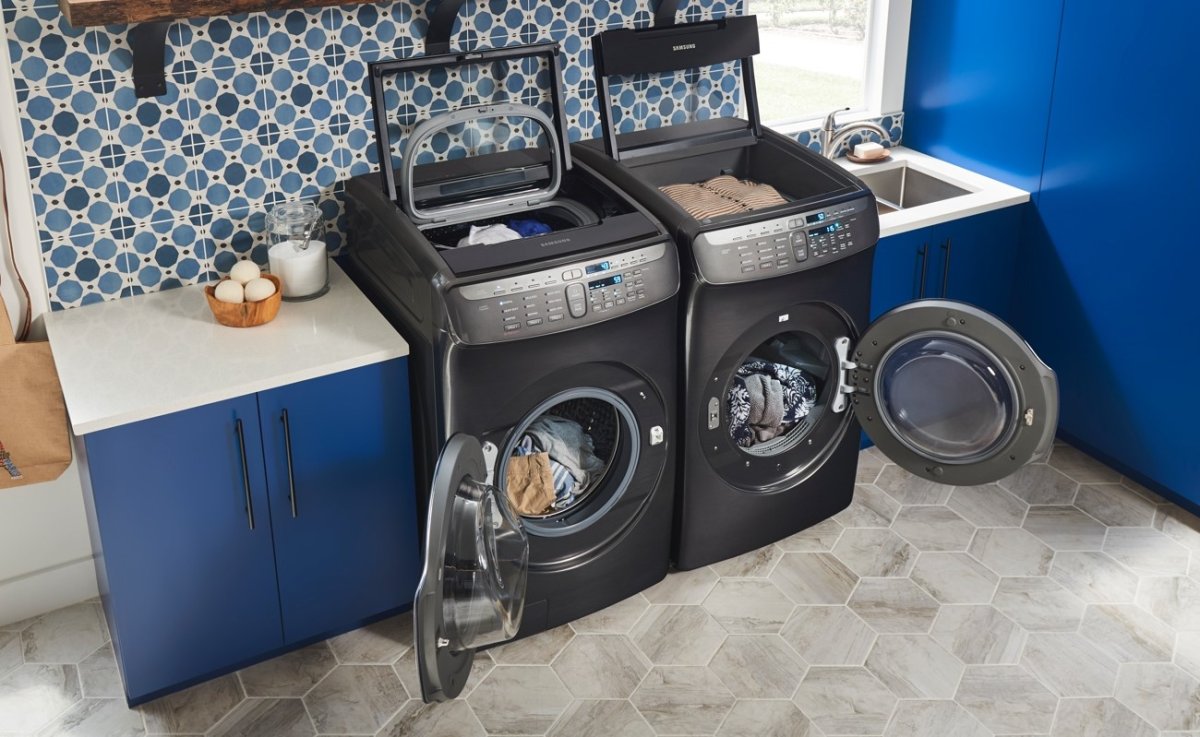

Black stainless steel appliances can make an ordinary kitchen look as though it recently acquired a tailored suit and a reservation at a very expensive restaurant. The finish is dramatic, contemporary, and warmer than traditional silver stainless steel. It can also hide fingerprints surprisingly wella valuable talent in homes where children, enthusiastic cooks, or mysteriously sticky adults frequently visit the refrigerator.
However, choosing black stainless steel is not simply a matter of deciding that black looks sophisticated. The finish may be more vulnerable to visible scratches, colors can differ between manufacturers, and replacement appliances may be harder to match several years from now. Before outfitting your kitchen in its darkest wardrobe, consider how the material is made, how it behaves in daily life, and whether its advantages outweigh its limitations.
What Is Black Stainless Steel?
Black stainless steel is generally stainless steel that has been given a dark, low-gloss surface treatment. On many appliances, manufacturers create the color by applying a tinted protective coating over ordinary stainless steel. Other manufacturers use specialized baked-on or chemically treated finishes intended to improve resistance to scratches and fingerprints.
This distinction matters because “black stainless steel” is a color category, not one universal material formula. A refrigerator from one brand may have a warm charcoal tone, while another looks almost jet black. One finish may be relatively resistant to scratching, while another may reveal bright silver metal after an unfortunate encounter with a belt buckle, moving box, or metal bar stool. Bosch, for example, describes its version as a baked-on material rather than a simple foil coating, while independent appliance guides note that many competing finishes use dark polymer coatings over stainless steel.
The finish itself usually does not determine how well an appliance cooks, cools, washes, or stores food. Performance depends on the individual model. Black stainless steel is primarily an aesthetic and maintenance choice, so buyers should compare reliability, capacity, energy use, warranties, and features before becoming hypnotized by the color.
The Pros of Black Stainless Steel Appliances
1. Fingerprints and Smudges Are Less Obvious
Traditional stainless steel has many virtues, but discretion is not one of them. It can display every fingerprint, water droplet, grease mark, and late-night snack expedition in high definition. Black stainless steel usually has a softer, less reflective surface that makes everyday marks less noticeable.
Manufacturers commonly promote these appliances as fingerprint-resistant or smudge-resistant. That does not mean they are fingerprint-proof. Sticky hands can defeat nearly any marketing department. Still, black stainless typically requires less constant polishing than highly reflective silver stainless steel. LG, Maytag, Lowe’s, and Consumer Reports have all highlighted easier cleanup or reduced fingerprint visibility as a major attraction of the finish.
2. The Color Creates a High-End, Contemporary Look
Black stainless steel gives a kitchen visual weight without looking as flat as basic black enamel. Its subtle metallic character reflects a small amount of light, creating depth and making the finish appear more luxurious. It can be especially effective on large appliances, such as French-door refrigerators, double ovens, and professional-style ranges.
Against white cabinets, black appliances provide crisp contrast. With gray or navy cabinetry, they create a moody, sophisticated palette. In kitchens featuring walnut, oak, brick, stone, or butcher-block counters, the dark finish can soften the industrial feeling associated with bright stainless steel. Design sources also note that dark appliances can add warmth and pair well with natural textures.
3. It Works With Several Kitchen Styles
Although commonly associated with modern kitchens, black stainless steel is surprisingly adaptable. It can complement industrial lofts, transitional interiors, contemporary farmhouses, minimalist spaces, and even traditional kitchens with dark hardware.
The easiest combinations usually include at least one repeated dark element. Black cabinet pulls, pendant lights, faucets, window frames, or bar-stool legs can make the appliances look intentional instead of accidentally delivered to the wrong house.
4. Routine Cleaning Is Usually Simple
Most black stainless steel surfaces can be cleaned with warm water, mild dish soap, and a clean microfiber cloth. A second dry cloth removes streaks and water spots. There is generally no need to perform a ceremonial polishing routine every time someone touches the freezer drawer.
Manufacturer instructions are important, however. GE specifically warns that conventional stainless steel cleaners and polishes can damage its black stainless finish. Bosch, Maytag, LG, and Samsung likewise recommend soft cloths and nonabrasive cleaning methods for coated or premium finishes.
5. It Can Refresh a Kitchen Without Major Construction
Replacing appliances is not inexpensive, but it is usually less disruptive than replacing cabinets, countertops, flooring, and half the structural personality of the house. A coordinated black stainless appliance package can change the room’s overall appearance without demolition dust appearing in your coffee.
This strategy works particularly well when existing cabinets and counters are in good condition but the kitchen feels dated. Dark appliances can provide a strong new focal point and help older finishes appear more deliberate.
The Cons of Black Stainless Steel Appliances
1. Scratches Can Be Extremely Noticeable
The biggest concern is not whether black stainless steel can scratch. It can. The real concern is what becomes visible underneath the scratch.
When a dark surface coating is damaged, the lighter stainless steel beneath it may show through. The resulting silver line can be much more obvious than a scratch on regular stainless steel, where the exposed material is approximately the same color as the surrounding surface. Independent appliance specialists and design publications repeatedly identify visible scratching and limited repair options as the finish’s main weakness. Even brands that promote enhanced scratch resistance clarify that their products are not completely scratch-proof.
Touch-up paint may disguise a small chip, but matching the original color, sheen, and texture can be difficult. A repaired area may look acceptable from across the kitchen yet remain visible whenever the light hits itwhich, naturally, will be every time you look at it after paying for the repair.
2. Different Brands May Not Match
One manufacturer’s “black stainless” may be charcoal, another may have a brown undertone, and a third may look nearly black with a cooler blue-gray cast. Gloss levels also vary. Appliances that appear compatible in separate online photographs can look noticeably mismatched when placed side by side.
This makes mixing brands more complicated. If you prefer one company’s refrigerator, another company’s range, and a third company’s dishwasher, inspect physical samples under the same lighting before buying. Showroom lighting is helpful, but bringing finish swatches into your kitchen is even better.
3. Model Selection Can Be More Limited
Traditional stainless steel remains one of the most widely available appliance finishes. Black stainless is offered across many major categories, but not every model, size, configuration, or feature package comes in that color.
You may find the perfect refrigerator layout only to discover that it is available in silver stainless, white, and a color called something adventurous like “midnight graphite”but not in the black stainless finish already installed throughout your kitchen. Choosing color first can therefore restrict your options or encourage you to compromise on features.
4. Replacing One Appliance Later May Be Difficult
Major appliances rarely coordinate their retirement plans. The dishwasher may fail while the refrigerator still has years of useful service. If the manufacturer has changed its finish, discontinued the collection, or left the category entirely, locating a visually compatible replacement can become challenging.
Traditional stainless steel also varies between brands, but differences tend to be less dramatic because the underlying color remains silver. A black coating’s undertone and gloss level make mismatches easier to notice.
5. Dark Appliances Can Make Some Kitchens Feel Smaller
Black stainless steel can look elegant in a bright, balanced room. In a small kitchen with limited natural light, dark flooring, dark cabinets, and dark counters, it may make the room feel heavy. A large black refrigerator can visually dominate a narrow space like a very fashionable monolith.
This does not mean small kitchens must avoid black appliances. Use lighter walls, reflective backsplashes, under-cabinet lighting, pale countertops, or glass-front cabinets to prevent the room from feeling closed in.
6. The Finish Alone Does Not Guarantee Resale Value
Black stainless steel can make a coordinated kitchen attractive to buyers, but it is not a guaranteed investment. Current real estate commentary suggests that shoppers evaluate the complete kitchencondition, layout, lighting, functionality, and overall cohesionrather than awarding value solely because the appliances have a fashionable finish.
A pristine, matching suite may help create a polished impression. A scratched refrigerator next to appliances in three different shades of black may have the opposite effect.
Black Stainless Steel vs. Other Popular Finishes
| Finish | Main Advantages | Main Drawbacks | Best For |
|---|---|---|---|
| Black stainless steel | Modern appearance, reduced fingerprint visibility, warmer than silver steel | Visible scratches, difficult brand matching, fewer replacement options | Coordinated kitchens with careful households |
| Traditional stainless steel | Widely available, neutral, easy to coordinate, scratches are less color-contrasting | Shows fingerprints, streaks, and water spots | Buyers who prioritize flexibility and long-term availability |
| Matte black | Bold color, low reflection, hides some marks | May lack metallic depth and can still chip or scratch | Modern, industrial, or high-contrast kitchens |
| White | Bright, classic, works well in small kitchens | Some finishes may yellow or show grime around handles | Cottage, retro, minimalist, and light-colored kitchens |
How to Decide Whether Black Stainless Steel Is Right for You
Consider Your Household
A home with careful adults may keep coated appliances looking new for years. A household with toddlers, large dogs, bicycles stored near the kitchen, or frequent furniture-moving adventures faces a higher risk of scratches. A dark finish can hide fingerprints, but it cannot hide a collision with a metal toy truck.
Choose Performance Before Color
Start by listing your essential appliance features. For a refrigerator, that may include capacity, counter depth, adjustable shelving, ice production, or an internal water dispenser. For a range, it may include induction cooking, convection, burner power, or double ovens.
After identifying models that perform well, compare available finishes. This order prevents an attractive exterior from persuading you to buy an appliance with an inconvenient layout or disappointing reliability record.
Inspect the Exact Finish
Do not rely entirely on product photographs. Screen brightness, editing, and studio lighting can significantly change how a finish appears. View the appliances in person, compare brands side by side, and look at the surfaces from multiple angles.
Ask About Cosmetic Warranty Coverage
Read warranty terms carefully. Cosmetic damage, including scratches, chips, dents, or peeling caused after installation, may be excluded. Ask the retailer how damage discovered during delivery is handled and inspect every panel before accepting the appliance.
Think About Future Replacement
If a perfect visual match matters, purchasing a complete suite at the same time reduces risk. Save model numbers, finish names, care instructions, and photographs of the original color. These records may help when ordering accessories or searching for a replacement later.
How to Clean and Protect Black Stainless Steel
- Check the manual first. Cleaning rules vary because manufacturers use different coatings and treatments.
- Use a soft microfiber cloth. Avoid steel wool, rough sponges, scrub brushes, and abrasive powders.
- Start with warm water. For grease or food residue, add a small amount of mild dish soap.
- Apply cleaner to the cloth. Spraying directly onto controls, seams, or openings may allow moisture to enter the appliance.
- Wipe gently. Follow any visible grain and avoid excessive pressure.
- Dry the surface. A clean, dry cloth reduces streaks and water spots.
- Avoid unapproved polish. Traditional stainless steel polish, wax, bleach, chlorine cleaners, and acidic products may damage certain black coatings.
- Protect high-risk areas. Keep metal stools, cleaning carts, laundry baskets, and children’s ride-on toys away from appliance doors.
For a scratch or chip, contact the manufacturer before experimenting with automotive paint, permanent markers, abrasive pads, or internet remedies involving three household chemicals and unreasonable optimism. An approved touch-up product may improve the appearance without causing additional damage.
Real-World Experiences With Black Stainless Steel Appliances
The showroom experience and the ownership experience can be very different. Under showroom lights, black stainless steel often looks nearly flawless. The finish is smooth, the handles are spotless, and no one has recently opened the refrigerator while holding pizza dough. At home, the benefits and weaknesses become clearer within the first few months.
One of the most common positive experiences is relief from constant fingerprint cleaning. In a busy kitchen, traditional stainless steel may look smudged minutes after polishing. Black stainless usually remains presentable longer. Parents often appreciate that small handprints are less visible from across the room, while frequent cooks notice that light grease marks do not immediately announce themselves to every guest.
Owners also tend to enjoy the way the finish changes the mood of a kitchen. White cabinets can look sharper, warm wood cabinets can appear richer, and black hardware suddenly seems more connected to the rest of the design. In open-concept homes, dark appliances may feel more like furniture and less like commercial kitchen equipment.
The experience becomes less cheerful when the first scratch appears. This often happens during delivery, renovation work, or ordinary household activity rather than cooking. A metal belt buckle can brush a refrigerator door. A dishwasher panel can be scraped by a tool. A vacuum attachment can strike the lower edge of a range. Because the exposed line may be silver, even a small scratch can attract the owner’s attention like a neon sign reading, “Remember what happened Tuesday?”
Another practical lesson involves mixed brands. Two appliances labeled black stainless may appear identical online but noticeably different after installation. Under warm pendant lights, one may look brown-black while another appears blue-gray. Homeowners who successfully mix brands usually compare samples in advance or separate the appliances visually so the finishes are not directly adjacent.
Cleaning habits also evolve. Many owners initially assume that a bottle labeled “stainless steel cleaner” is appropriate. That assumption can be risky because some black finishes should be cleaned only with mild soap and water. The best ownership experiences generally come from following the exact manufacturer instructions, keeping a dedicated microfiber cloth nearby, and cleaning spills before they dry into stubborn archaeological layers.
Long-term satisfaction often depends on expectations. Buyers who expect an indestructible finish may be disappointed. Buyers who understand that the coating requires reasonable care are more likely to enjoy its advantages. Black stainless steel works best for people who value design, dislike visible fingerprints, and are willing to protect the surface from impact and abrasion.
A useful compromise is to begin with one appliance located away from heavy traffic. A black stainless wall oven or dishwasher may face fewer accidental collisions than a refrigerator beside a narrow walkway. However, purchasing a single appliance also creates a matching challenge later. The decision comes down to whether you prefer testing the style gradually or securing a coordinated suite while the finish is available.
The most successful kitchens treat black stainless steel as part of a complete palette. Repeating black in cabinet hardware, lighting, plumbing fixtures, or furniture helps the appliances belong. Good lighting keeps the room from becoming too dark, while lighter counters or backsplashes add contrast. When these elements are balanced, black stainless steel can remain striking without demanding all the attention.
Final Verdict
Black stainless steel appliances offer a stylish alternative to ordinary silver stainless steel. They tend to conceal fingerprints, bring warmth and contrast to a kitchen, and require only simple routine cleaning. In the right room, a matching suite can look refined, modern, and more expensive than it actually waswhich is one of interior design’s favorite magic tricks.
The disadvantages deserve equal attention. Coated surfaces can reveal bright scratches, finishes from different manufacturers may not match, and replacing one appliance years later may be difficult. Buyers should compare performance first, inspect finishes in person, study warranty exclusions, and follow brand-specific cleaning instructions.
Choose black stainless steel when you love the look enough to care for it properly and can purchase models that meet your functional needs. Choose traditional stainless steel when maximum flexibility, broad availability, and easier long-term matching matter more. Neither option is universally better; the best finish is the one that survives both your design preferences and the daily circus occurring in your kitchen.
SEO Metadata