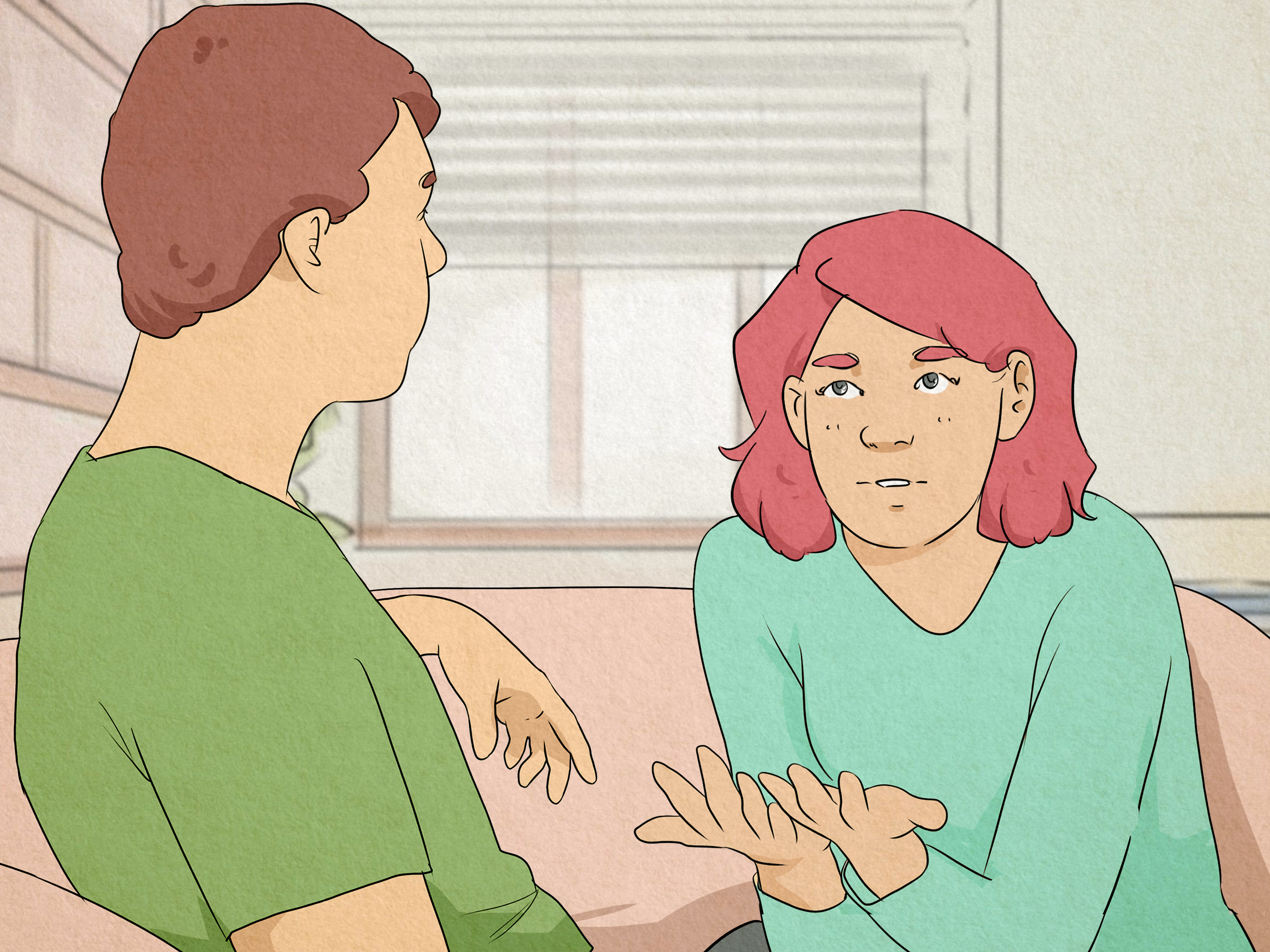

Are introverts shy hermits who communicate mainly through carefully selected reaction GIFs? Are extroverts unstoppable conversation machines who consider an elevator ride a networking opportunity? Popular culture loves dividing humanity into two neat personality camps. Psychology, inconveniently but accurately, says the picture is more complicated.
Introversion and extroversion are not rival teams, diagnoses, or permanent instructions for how to behave at a party. They describe tendencies along a personality spectrum. Most people display a combination of both, with their behavior changing according to the setting, their energy level, the people involved, and whether the event includes free snacks.
This research-based introvert vs. extrovert quiz will test what you know, challenge familiar stereotypes, and help you better understand your own social style.
Introverts vs. Extroverts: Take the Quiz
Answer each question before opening the explanation. Keep score if you enjoy competition, or simply read along if scoring yourself feels suspiciously like unpaid administrative work.
1. True or False: Introversion and extroversion are completely separate personality types.
Reveal the answer
False. Modern personality psychology generally treats introversion and extroversion as opposite ends of a continuous dimension. A person can score anywhere along that line, and relatively few people sit at either extreme.
2. Which description best fits psychological extroversion?
- Being unable to tolerate silence
- Showing greater tendencies toward sociability, assertiveness, activity, and positive emotional engagement
- Talking more loudly than everyone else
- Having hundreds of social media followers
Reveal the answer
B. Extraversion, the spelling commonly used in academic psychology, includes several related facets. Sociability is important, but so are assertiveness, enthusiasm, activity level, and responsiveness to rewarding experiences. Someone can be socially confident without being the loudest person in the room.
3. True or False: All introverts are shy.
Reveal the answer
False. Shyness involves discomfort or self-consciousness in social situations. Introversion concerns broader personality tendencies, such as preferring lower-stimulation environments or spending more time focused inward. A confident public speaker can be introverted, while an extroverted person can still feel shy around unfamiliar people.
4. What is an ambivert?
- An introvert who has consumed two espressos
- An extrovert who temporarily turned off notifications
- Someone whose traits fall near the middle of the introversion-extroversion spectrum
- A clinical personality diagnosis
Reveal the answer
C. Ambiverts combine introverted and extroverted tendencies. They may enjoy lively social interaction while also valuing solitude, or they may adapt comfortably to different environments. Ambiversion is a descriptive label, not a medical category.
5. True or False: Introversion is the same thing as social anxiety disorder.
Reveal the answer
False. Social anxiety disorder involves persistent fear of being judged, embarrassed, or rejected, often causing significant distress or interference with everyday life. Introversion by itself is not an illness and does not require treatment. An introvert may have social anxiety, but so may an extrovert.
6. Who is automatically the better leader?
- The introvert
- The extrovert
- The person with the deepest voice
- Neither; effectiveness depends on behavior, employees, goals, and context
Reveal the answer
D. Extroverted people are often more likely to be noticed as potential leaders because assertiveness is highly visible. However, visibility is not identical to effectiveness. Research suggests that quieter leaders can perform especially well with proactive employees, while more extroverted leaders may be useful when teams need stronger direction and activation.
7. True or False: Extroverts are poor listeners.
Reveal the answer
False. This is a stereotype, not a dependable rule. Talkative people may sometimes appear less attentive, but listening is a skill influenced by motivation, empathy, habits, and the situation. Quietness does not automatically equal careful listening, either. A silent person may be thoughtfully processing your wordsor mentally planning dinner.
8. In a well-known study of sales representatives, which group performed best?
- Highly introverted employees
- Highly extroverted employees
- Employees near the middle of the spectrum
- Employees who used the most impressive business jargon
Reveal the answer
C. In a study that followed 340 outbound sales representatives, ambiverts achieved stronger sales results than employees at either extreme. Their advantage appeared to come from balancing enthusiasm and assertiveness with listening and responsiveness.
9. True or False: Your everyday behavior must always match your general personality.
Reveal the answer
False. Personality traits describe patterns, not rigid commands. Introverts can behave assertively, host events, and deliver energetic presentations. Extroverts can enjoy solitary work, quiet hobbies, and weekends without a single brunch reservation. People regularly adjust their behavior to pursue goals.
10. Which question is most useful when considering your own personality?
- Do I ever enjoy being alone?
- Have I spoken to another human this week?
- Across many situations, which environments and behaviors do I consistently prefer?
- Which online personality meme looks most like me?
Reveal the answer
C. A single evening, party, meeting, or vacation cannot define your personality. Look for stable patterns across time. Consider your preferred stimulation level, conversational style, social habits, assertiveness, and recovery needs.
Your Score
- 9–10 correct: Personality professor in spirit. You may now adjust your imaginary glasses thoughtfully.
- 6–8 correct: Strong knowledge with only a few stereotypes hiding behind the furniture.
- 3–5 correct: You know the basics, but popular personality myths have been whispering in your ear.
- 0–2 correct: Excellent news: Nearly the entire article is still full of surprises.
Research basis for the spectrum, Big Five facets, and clinical distinction:
What Introversion and Extroversion Really Mean
Introversion-extroversion is one of the best-known dimensions in the Five-Factor Model of personality, commonly called the Big Five. The other broad dimensions are openness, conscientiousness, agreeableness, and neuroticism, or emotional instability.
People higher in extroversion tend to be more socially engaged, energetic, expressive, assertive, and willing to seek stimulation. People lower in extroversion tend to be more reserved, reflective, deliberate, and comfortable with quieter activities. These are averages, not rules governing every person in every situation.
The popular “social battery” metaphor can be useful, but it does not capture the entire trait. Many introverts enjoy parties, teamwork, teaching, performing, or meeting new people. The difference may appear later, when they desire a quieter environment. Extroverts also need solitude, sleep, concentration, and relief from stimulation. Nobody recharges exclusively through cocktail parties.
Personality Is a Pattern, Not a Prison
Traits predict tendencies across many situations, but people possess considerable behavioral flexibility. A reserved employee may become animated while discussing a favorite project. An outgoing manager may spend an entire afternoon happily analyzing spreadsheets. Context activates different parts of personality.
Age, culture, work demands, family responsibilities, health, and learned skills can also influence how traits are expressed. Personality generally shows stability, yet it is not frozen like a prehistoric mosquito in amber.
Five Common Myths That Deserve Retirement
Myth 1: Introverts dislike people
Many introverts value close relationships deeply. They may prefer smaller gatherings, more meaningful conversations, or longer periods between social activities. Wanting two close friends at dinner instead of 40 acquaintances at karaoke is a preference, not evidence of misanthropy.
Myth 2: Extroverts are shallow
Talkativeness says little about emotional or intellectual depth. Extroverts can be reflective, creative, sensitive, and thoughtful. They may simply process ideas through conversation rather than waiting until every sentence has passed an internal committee review.
Myth 3: Introverts are naturally better listeners
Introverts are often described as superior listeners, but research does not support treating that advantage as universal. Listening depends on attention and practice. Some quiet people listen beautifully; others are merely waiting for the discussion to end.
Myth 4: Extroverts make the best salespeople
Extreme enthusiasm can become a disadvantage when it prevents a salesperson from noticing what a customer actually needs. Balanced communicators may be more persuasive because they know when to speak, when to ask, and when to stop describing the premium package.
Myth 5: One personality style is healthier
Extroversion is often associated with more frequent positive emotion, but that does not mean every extrovert is happy or every introvert is gloomy. Meaningful relationships, health, purpose, emotional stability, financial security, and life circumstances all matter. Introverts and extroverts can both build satisfying lives that fit their preferences.
Research basis for misconceptions, well-being, and social experiences:
The Ambivert Advantage
Most people are not extreme introverts or extreme extroverts. They live somewhere in the spacious middle, where canceling Saturday’s plans can feel wonderful and receiving no invitations at all can feel mildly insulting.
Ambiverts may have an advantage in situations requiring behavioral flexibility. They can speak confidently without dominating, listen without disappearing, and adjust their level of social engagement. This does not make every ambivert automatically successful. It simply illustrates why the “more extroverted is always better” assumption fails.
The goal is not to force yourself into the middle. A strongly introverted or extroverted person can thrive by recognizing personal patterns, developing useful skills, and choosing environments that do not require constant performance against type.
Introverts and Extroverts at Work
Modern workplaces frequently reward visible participation. The employee who speaks first in a meeting may appear more prepared than the colleague who needs a few minutes to evaluate the proposal. Yet speed of speech and quality of thought are not interchangeable.
Creating a More Balanced Workplace
Teams can make better use of different personalities by combining live discussion with written input. Sending an agenda before a meeting gives reflective employees time to prepare. Inviting comments afterward helps capture ideas that emerge once the room becomes quiet.
Extroverted employees may excel at initiating conversations, generating energy, networking, and building momentum. Introverted employees may contribute through focused analysis, preparation, independent work, and carefully developed ideas. These are tendencies, not exclusive job descriptions.
Leadership works similarly. Extroverted leaders can energize passive groups and communicate a forceful direction. More introverted leaders may be especially receptive to suggestions from proactive team members. The strongest manager is not necessarily the loudest or quietest person; it is the person who understands what the team needs.
Research basis for sales, leadership, and workplace context:
Introvert-Extrovert Relationships
Personality differences can become charming or irritating, often before breakfast. One partner may see a free weekend as an opportunity to host friends. The other may see it as an opportunity to become temporarily unavailable to civilization.
Neither preference is wrong. Problems begin when people assign moral meaning to differences. The extroverted partner is not automatically needy, and the introverted partner is not automatically distant. They may simply require different amounts or styles of interaction.
Useful compromises include attending some events separately, setting an approximate departure time before a party, scheduling quiet recovery periods, and discussing plans before one partner invites 18 people over for “something casual.”
Good communication matters more than matching personality labels. Two introverts can disagree about social needs, while an introvert and an extrovert can build an excellent relationship through respect, flexibility, and shared values.
How to Identify Your Own Social Style
Rather than asking whether you are an introvert or extrovert as though selecting a blood type, watch your recurring patterns for several weeks.
- Do you usually think before speaking, or discover your thoughts while speaking?
- Do highly stimulating environments feel exciting, exhausting, or both?
- How much social activity feels satisfying before you want a break?
- Are you comfortable initiating conversations and expressing disagreement?
- Do you prefer broad networks, a few deep connections, or a mixture?
- Does your answer change depending on whether you know the people involved?
A scientifically developed Big Five assessment can offer more useful information than a viral quiz claiming your coffee order reveals your personality. Even then, treat the result as a description of tendencies rather than an identity contract.
Real-Life Experiences: What the Spectrum Looks Like in Practice
The following composite experiences illustrate how introverted, extroverted, and ambiverted tendencies can appear in ordinary life. They are not universal profiles, because humans remain stubbornly more complicated than labels.
The Introverted Presenter
Consider Maya, a software designer who appears confident during client presentations. She rehearses thoroughly, answers questions clearly, and occasionally makes the room laugh. New coworkers assume she must be extroverted.
After the presentation, however, Maya does not want a celebratory lunch with 12 people. She wants a quiet sandwich and 30 minutes without conversation. Public speaking does not frighten her; sustained stimulation drains her. Her experience shows why introversion should not be confused with poor communication or fear of attention.
The Extrovert Working From Home
Then there is Daniel, an account manager who enjoys remote work for approximately two days before beginning to chat with household appliances. He concentrates well at home, but too little interaction eventually lowers his motivation.
Daniel solves the problem by scheduling video calls, working from a shared office twice a week, and taking lunch with colleagues. He still needs quiet time to complete detailed reports. Being extroverted does not prevent him from focusing alone; regular interaction simply helps him maintain energy and enthusiasm.
The Ambivert at a Conference
Priya attends a three-day professional conference. On the first morning, she introduces herself to strangers, asks thoughtful questions, and happily joins a group dinner. By the second evening, she orders room service and watches a documentary alone.
Nothing has gone wrong. Her preferred level of interaction depends partly on how much stimulation she has already experienced. She can act socially assertive and genuinely enjoy it, but she also notices when she needs a quieter setting. That flexibility is characteristic of many people near the middle of the spectrum.
The Quiet Employee in a Fast Meeting
Marcus rarely speaks during brainstorming meetings. His manager initially assumes he lacks ideas. In reality, Marcus finds it difficult to evaluate rapid suggestions while several people are competing for airtime.
The team begins distributing questions in advance and allows written follow-up. Marcus starts contributing detailed recommendations that identify risks everyone else missed. The lesson is not that written communication is always superior. It is that meeting design can accidentally favor one processing style and hide valuable contributions from another.
The Talkative Friend Who Still Listens
Elena is enthusiastic, expressive, and usually responsible for turning a quick cup of coffee into a three-hour social event. Friends sometimes joke that she could start a conversation during a fire drill.
Yet when someone is struggling, Elena remembers small details, asks follow-up questions, and checks in days later. Her extroversion influences how visibly she communicates, but it does not prevent empathy or careful listening. Personality stereotypes often fail because they confuse communication style with character.
The Couple With Different Social Calendars
Sam loves large weekend gatherings. Jordan prefers dinner with one or two friends. Early in their relationship, Sam interprets Jordan’s reluctance as rejection, while Jordan experiences Sam’s constant invitations as pressure.
They eventually create a simple system: some events are shared, some are solo, and major plans are discussed before invitations go out. Jordan no longer feels dragged from gathering to gathering, and Sam does not feel guilty for wanting more social activity. Their compatibility improves not because either personality changes, but because both stop treating preference as a personal criticism.
The Practical Takeaway
These experiences reveal a central truth: personality is best understood through patterns and context. An introvert may enjoy performing. An extrovert may need solitude. An ambivert may move between both modes. The useful question is not, “Which box permanently contains me?” It is, “What patterns help me work, connect, recover, and function at my best?”
Conclusion: There Is No Winning Side
Introverts and extroverts are not opposites in a contest for the correct way to be human. They represent different patterns of sociability, assertiveness, stimulation seeking, reflection, and engagement. Each pattern can bring strengths or challenges depending on the environment.
Understanding the spectrum can help you plan your social life, communicate with partners, design better meetings, manage your energy, and stop assuming that the quiet person is unhappy or the talkative person has never experienced an internal thought.
The most useful personality knowledge creates flexibility rather than limitations. Learn your tendencies, respect other people’s rhythms, and develop the skills needed for situations that matter to you. You are allowed to be reflective on Monday, sociable on Friday, and mysteriously unavailable on Sunday.
Research basis for social engagement, solitude, relationships, and behavioral flexibility: