
Brake rotors are one of those car parts most drivers do not think about until the steering wheel starts shaking like a nervous Chihuahua. But rotors are not background extras in your vehicle’s safety system. They are the metal discs your brake pads clamp down on every time you slow, stop, dodge a distracted squirrel, or survive rush-hour traffic without saying words your grandmother would not approve of.
So, how long do brake rotors typically last? For many everyday vehicles, brake rotors usually last somewhere between 30,000 and 70,000 miles. Some gentle highway drivers may stretch them beyond that range, while heavy stop-and-go commuters, towing vehicles, performance cars, and aggressive drivers may wear them out sooner. The real answer is not just mileage. It is mileage plus heat, friction, driving style, vehicle weight, brake pad condition, road conditions, and whether your brakes have been inspected before they start auditioning for a heavy metal band.
This guide explains brake rotor lifespan, warning signs of worn rotors, what affects rotor wear, when resurfacing makes sense, and how to make your brake rotors last longer without treating your brake pedal like an emergency button.
What Are Brake Rotors?
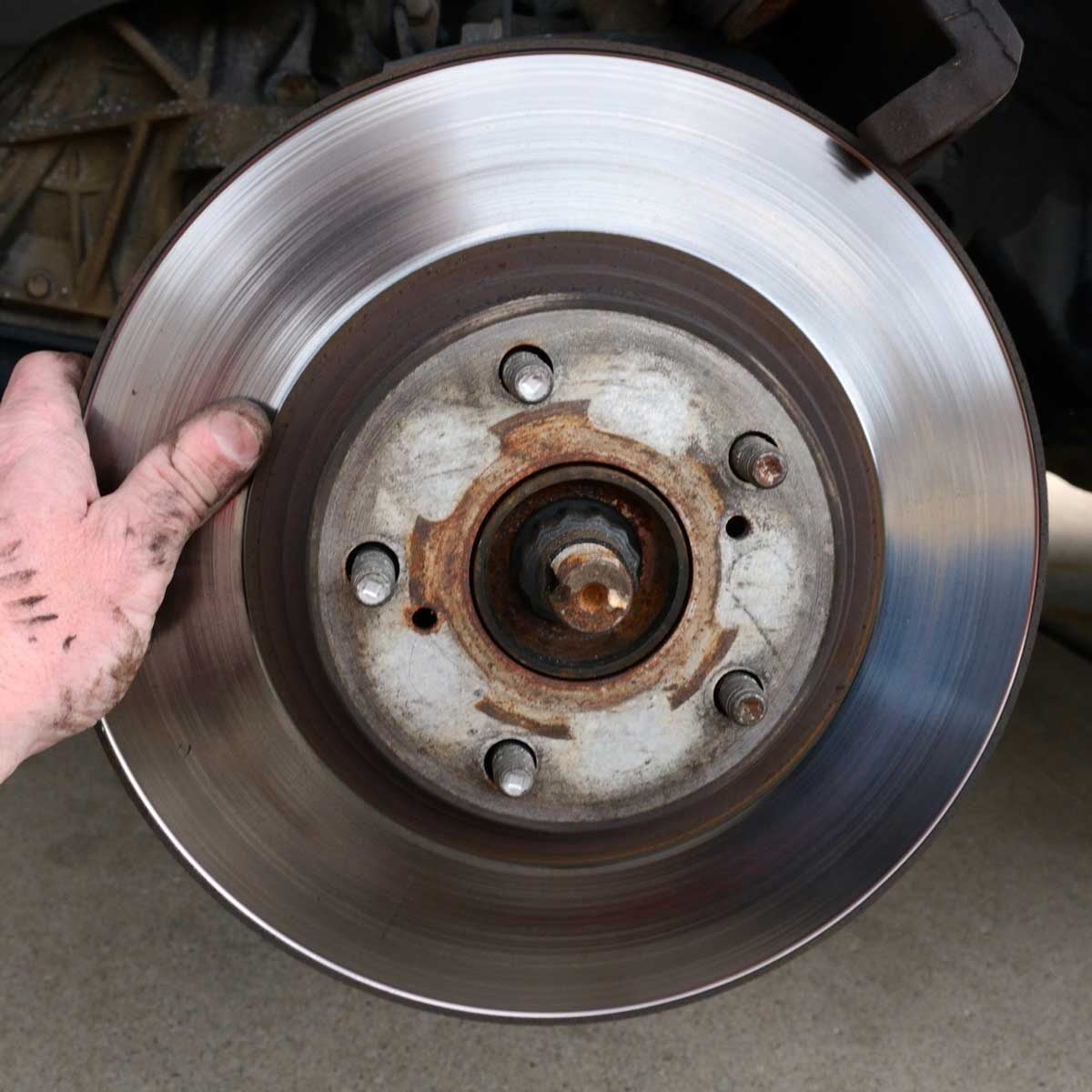
Brake rotors, also called brake discs, are round metal components mounted behind your wheels. In a disc brake system, the brake caliper squeezes the brake pads against the rotor. That friction slows the wheel and turns your car’s motion into heat. In simple terms, rotors are where speed goes to retire.
Most modern vehicles use disc brakes on the front wheels, and many use them on all four wheels. Front brake rotors often wear faster because the front brakes handle most of the stopping force, especially when the vehicle’s weight shifts forward during braking. Rear rotors can last longer, but they are not immortal. They still deal with heat, road salt, moisture, pad wear, and the occasional driver who brakes late for every stop sign like it owes them money.
How Long Do Brake Rotors Typically Last?
In normal driving, brake rotors commonly last 30,000 to 70,000 miles. A careful driver who mostly travels on highways may see rotors last closer to the higher end of that range. A city driver dealing with traffic lights, steep hills, short trips, and constant braking may see rotor wear much earlier.
Some vehicles may need rotor replacement around the same time as every second set of brake pads. Others may need pads and rotors together, especially if the rotors are thin, grooved, warped, cracked, rust-damaged, or below the manufacturer’s minimum thickness specification. Mileage is a helpful clue, but the final decision should come from measurement and inspection.
Average Brake Rotor Lifespan by Driving Situation
| Driving Situation | Typical Rotor Life | Why It Matters |
|---|---|---|
| Mostly highway driving | 50,000–80,000+ miles | Fewer stops and less heat buildup help rotors last longer. |
| City commuting | 30,000–60,000 miles | Stop-and-go traffic increases friction and heat. |
| Mountain or hilly driving | 25,000–50,000 miles | Long descents and repeated braking can overheat rotors. |
| Towing or hauling | 20,000–50,000 miles | More vehicle weight means the brakes work harder. |
| Performance driving | Varies widely | High speeds and hard braking can wear rotors quickly. |
Why Brake Rotor Lifespan Varies So Much
Two drivers can own the same car, install the same brake parts, and still get completely different rotor life. One driver glides through traffic like a calm boat captain. The other treats every yellow light as a personal challenge. Guess whose rotors retire early?
1. Driving Style
Aggressive braking is one of the fastest ways to shorten brake rotor lifespan. Hard stops create more heat, and heat is the villain in many brake problems. When rotors repeatedly heat up and cool down, they can develop uneven pad deposits, thickness variation, scoring, or vibration.
Smooth braking, longer following distance, and coasting when safe can reduce rotor wear. You do not need to drive like there is a priceless wedding cake in the passenger seat, but gentle habits make a real difference.
2. Vehicle Weight
Heavy SUVs, trucks, vans, and electric vehicles can put more stress on brake rotors than small sedans. More weight requires more braking force, especially during downhill driving or emergency stops. If you tow a trailer, haul tools, carry passengers often, or drive a loaded pickup, expect your rotors and pads to work harder.
3. Brake Pad Material
Brake pads and rotors work as a pair. Ceramic pads are often quiet and long-lasting, semi-metallic pads can handle heat well but may be harder on rotors, and organic pads may be softer but wear faster. The wrong pad choice can shorten rotor life or create noise, dust, and uneven wear.
4. Road Conditions and Weather
Rust is another rotor enemy. Cars driven in snowy regions where road salt is common may develop rotor corrosion faster. Vehicles parked outside for long periods can also develop surface rust. Light rust may clean off during normal braking, but heavy pitting, flaking, or uneven corrosion can reduce braking performance and require replacement.
5. Brake System Health
A sticking caliper, seized slide pin, collapsed brake hose, or uneven pad wear can destroy a rotor long before its expected lifespan. If one rotor is much hotter than the others after driving, or one wheel smells burnt, the issue may not be the rotor itself. It may be a brake system problem forcing the rotor to work overtime.
Signs Your Brake Rotors Need Replacement
Brake rotors rarely fail in complete silence. They usually send warnings first. Unfortunately, many drivers respond by turning up the radio. That is not a repair strategy. That is denial with speakers.
Vibration When Braking
If the steering wheel or brake pedal pulses when you apply the brakes, your rotors may be warped or uneven. The word “warped” is commonly used, though many rotor vibration problems come from uneven thickness or pad material deposits rather than a rotor literally bending like a potato chip. Either way, vibration is a sign to inspect the brakes.
Grinding or Scraping Noises
Grinding often means the brake pads have worn down too far and metal is contacting the rotor. At that point, the rotor may be deeply scored and may need replacement. A light squeak can have several causes, but grinding should be treated as urgent.
Deep Grooves or Scoring
Visible grooves on the rotor surface can reduce pad contact and braking efficiency. Minor marks may be normal over time, but deep scoring, rough surfaces, or a pronounced outer lip usually indicate significant wear.
Longer Stopping Distance
If your car takes longer to stop than it used to, do not blame the universe. Worn pads, thin rotors, air in the brake lines, low brake fluid, or caliper problems can all affect stopping performance. The entire brake system should be checked.
Blue or Dark Heat Marks
Blue discoloration on rotors can indicate overheating. Heat-damaged rotors may develop hard spots, vibration, cracking, or uneven braking. If your rotors look like they have been through a campfire, they deserve professional attention.
Cracks or Heavy Rust
Cracked rotors should be replaced. Heavy rust, flaking, or pitting can also make replacement the safer choice, especially if the rotor surface is uneven or the braking feel has changed.
Do Brake Rotors Need to Be Replaced Every Time You Change Pads?
No, brake rotors do not always need to be replaced every time you change brake pads. If the rotors are smooth, thick enough, not warped, not cracked, and within manufacturer specifications, they may be reused. However, installing new pads on badly worn rotors is like putting fresh socks into muddy boots. Technically possible, emotionally questionable, and usually not ideal.
Many repair shops inspect rotor thickness, surface condition, and runout when replacing pads. If the rotors are below minimum thickness, replacement is mandatory. If they are slightly uneven but still thick enough, resurfacing may be possible. If they are severely damaged, replacement is the better option.
Resurfacing vs. Replacing Brake Rotors
Rotor resurfacing, sometimes called machining or turning, removes a thin layer of metal from the rotor surface to make it smoother and more even. It can help correct minor grooves, glazing, or slight unevenness. However, resurfacing is only safe if the rotor remains above the required minimum thickness after machining.
Brake rotors should be replaced instead of resurfaced when they are too thin, cracked, heavily grooved, heat-damaged, badly rusted, or when machining would remove too much material. In many modern brake jobs, replacement is common because new rotors are often affordable, labor costs can make resurfacing less attractive, and thinner modern rotors may not have much extra material to spare.
The Minimum Thickness Rule
Every rotor has a minimum thickness specification set by the manufacturer. This number may be stamped on the rotor or listed in the service information for the vehicle. Once a rotor is at or below that limit, it should not be reused or resurfaced. Thin rotors cannot absorb and dissipate heat as well, and they may be more prone to cracking, fading, vibration, or poor braking performance.
How Much Does Brake Rotor Replacement Cost?
Brake rotor replacement cost varies by vehicle, location, parts quality, labor rates, and whether pads are replaced at the same time. For many common cars, replacing pads and rotors may cost a few hundred dollars per axle. Larger trucks, luxury vehicles, performance cars, and vehicles with specialty brake systems can cost much more.
While it is tempting to chase the cheapest brake quote, brakes are not the place to gamble like you are buying mystery sushi from a gas station. Quality parts, correct installation, proper torque, clean caliper slides, and correct bedding procedures all matter. A cheap brake job done poorly can lead to noise, vibration, uneven wear, and another repair bill sooner than expected.
How to Make Brake Rotors Last Longer
Drive Smoothly
Look ahead, keep a safe following distance, and avoid unnecessary hard stops. Smooth braking reduces heat and helps both pads and rotors last longer.
Do Not Ride the Brakes
On long downhill roads, use lower gears when appropriate instead of keeping your foot lightly on the brake the entire time. Riding the brakes creates steady heat, and heat shortens brake life.
Replace Brake Pads Before They Are Gone
Waiting until pads grind into the rotors can turn a simple pad replacement into a pads-and-rotors replacement. Change pads before the backing plate starts carving the rotor like a tiny metal villain.
Fix Caliper Problems Early
If pads are wearing unevenly or one rotor looks much worse than the others, the problem may be a sticking caliper or hardware issue. Replacing rotors without fixing the cause can lead to the same problem again.
Use Quality Brake Parts
Cheap rotors and mismatched pads may save money today but cost more later. Use parts that match your vehicle, driving needs, and manufacturer recommendations.
Schedule Regular Brake Inspections
Have your brakes inspected at least once a year, or more often if you drive in heavy traffic, tow, live in a hilly area, or notice noise, vibration, pulling, or longer stopping distances. A quick inspection can catch rotor wear before it becomes expensive.
Brake Rotor Lifespan: Practical Examples
Imagine two drivers with the same midsize SUV. Driver A commutes mostly on the highway, leaves plenty of room, brakes smoothly, and replaces pads before they are dangerously thin. Their rotors may last 60,000 to 80,000 miles.
Driver B uses the same SUV for city deliveries, carries heavy cargo, brakes hard, and ignores squealing for three months because “it still stops.” Their rotors may need replacement before 40,000 miles. Same vehicle, different lifestyle, different repair bill.
Now consider a pickup truck towing a trailer through hilly terrain. Even with good brake parts, rotor wear can happen faster because the brakes must control more weight and heat. In this case, frequent inspections are not overkill. They are common sense with lug nuts.
Frequently Asked Questions About Brake Rotors
Can I drive with bad brake rotors?
You should not ignore bad brake rotors. If you notice grinding, severe vibration, cracking, or reduced stopping power, have the vehicle inspected as soon as possible. Driving with damaged rotors can reduce braking performance and damage other brake parts.
Are front rotors different from rear rotors?
Yes. Front and rear rotors often differ in size, thickness, cooling design, and braking load. Front rotors usually handle more braking force, so they may wear faster.
Can warped rotors be fixed?
Sometimes. If the rotor is only slightly uneven and still has enough thickness, resurfacing may help. If it is too thin, cracked, heavily grooved, or heat-damaged, replacement is safer.
How do mechanics check brake rotors?
Mechanics inspect the rotor surface, measure rotor thickness with a micrometer, check for runout or unevenness, look for heat damage or cracks, and compare the measurements with the manufacturer’s specifications.
Do expensive rotors last longer?
Not always, but high-quality rotors that match your vehicle and driving needs can improve durability, heat handling, and braking feel. The best rotor is not simply the most expensive one; it is the correct one for your vehicle.
Conclusion: So, How Long Do Brake Rotors Last?
Brake rotors typically last 30,000 to 70,000 miles, but that range is only a starting point. Your actual brake rotor lifespan depends on how you drive, where you drive, what you drive, the quality of your brake pads, and whether the brake system is maintained properly. Highway miles are gentle. City traffic is demanding. Towing, hills, rust, heat, and aggressive braking can all shorten rotor life.
The smartest approach is simple: do not rely on mileage alone. Watch for vibration, grinding, longer stopping distances, deep grooves, heat marks, and uneven braking. Have your brakes inspected regularly, replace pads before they damage the rotors, and never reuse rotors that are below minimum thickness. Brake rotors may not be glamorous, but they are very good at one important job: helping your car stop before your day becomes dramatically more interesting.
Real-World Experiences: What Brake Rotor Life Looks Like in Everyday Driving
Brake rotor lifespan becomes much easier to understand when you look at real driving situations. The numbers on paper are useful, but the way people actually drive is where the story gets interesting. A rotor does not know what the odometer says. It only knows heat, pressure, friction, and whether the driver just slammed the pedal because the drive-thru line moved unexpectedly.
One common experience comes from highway commuters. A driver who travels 40 miles each way on open roads may be surprised when a mechanic says the original rotors still look healthy at 65,000 miles. That is not magic. Highway driving usually means fewer stops, less heat cycling, and smoother braking. The brake pads wear slowly, the rotors stay relatively even, and the whole system lives a calmer life. These drivers often get excellent rotor life as long as they do not ignore pad wear.
City drivers usually tell a different story. Someone driving daily through downtown traffic may need rotors far sooner, sometimes around 35,000 to 45,000 miles. The car may stop hundreds of times per week. Every red light, parking garage ramp, school pickup line, and sudden “why did that person stop?” moment adds heat and wear. The rotors may develop grooves or pulsation even when the vehicle is not especially old.
Then there is the driver who hears squealing and waits. This is one of the most expensive brake stories because it starts small. At first, the sound may be a light chirp from the pad wear indicator. Then it becomes scraping. Then grinding. By the time the car reaches the shop, the pads are gone and the rotor surface is carved with deep grooves. What could have been a pad replacement becomes pads, rotors, and possibly caliper work. The lesson is not subtle: squeaks are cheaper than grinding.
Truck owners and weekend towers have another experience. A pickup used for camping trips, boat towing, or hauling materials may wear rotors faster than the same truck used lightly. Long downhill roads can heat the rotors quickly, especially if the driver rides the brakes instead of downshifting when appropriate. Many experienced truck owners learn to inspect brakes before travel season, not after the steering wheel starts shaking on a mountain road.
Performance-car drivers also know that rotor life can be unpredictable. A sports sedan driven gently may have normal rotor life, but the same vehicle used for spirited driving or track days may consume pads and rotors much faster. High heat is brutal. Even quality rotors can develop cracks, pad deposits, or vibration when pushed hard repeatedly.
The most practical experience-based rule is this: your brakes usually warn you before they become a crisis. A pulse in the pedal, a steering wheel shake, a grinding sound, a burnt smell, or a longer stop is your car waving a little red flag. Pay attention early, and brake rotor replacement becomes routine maintenance. Ignore it, and the repair bill may arrive wearing tap shoes.
Note: This article is for general informational purposes. Brake systems are safety-critical, so any unusual noise, vibration, warning light, or reduced stopping power should be inspected by a qualified technician.
SEO Tags