
Editorial note: This article is written for web publication and synthesizes real ideas from online art communities, visual storytelling practices, museum-style art interpretation, creator platforms, and Bored Panda-style community prompts. External source links are intentionally omitted as requested.
When Art Walks Into the Room With No Explanation
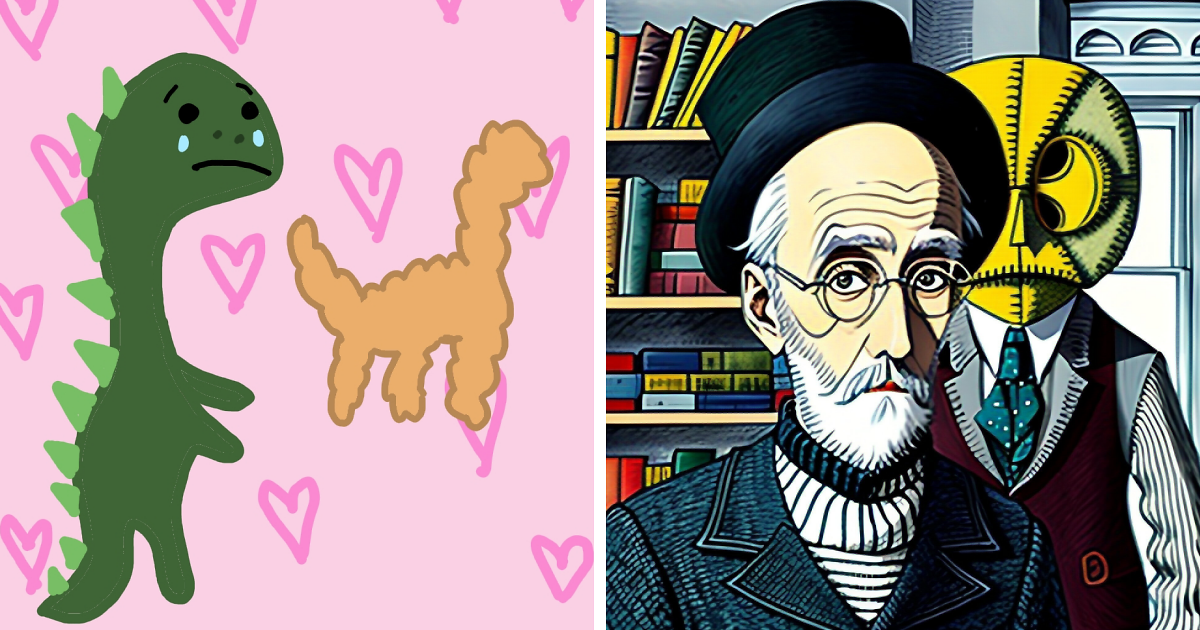
“Hey Pandas, post your out of context art” sounds like a casual internet challenge, but it taps into something surprisingly powerful: our love of mystery. A drawing of a duck wearing a crown? A watercolor banana floating through space? A charcoal portrait of a cowboy crying into a bowl of cereal? None of these need a long artist statement to make people stop scrolling. In fact, the lack of explanation is the point.
Out of context art is the visual equivalent of hearing one strange sentence from a conversation and spending the next ten minutes building an entire imaginary backstory. It is funny, weird, confusing, oddly emotional, and sometimes more memorable than polished gallery-ready work. Online communities love it because it invites instant participation. Viewers do not need an art degree, a museum guide, or a complicated theory about postmodern fruit symbolism. They only need curiosity and a willingness to say, “I have no idea what I’m looking at, but I absolutely want to know more.”
In the world of digital sharing, where attention spans are shorter than a pencil after a final exam, out of context art has a special advantage. It creates a pause. It asks a question without typing one. And for artists, illustrators, doodlers, students, hobbyists, meme-makers, and creative chaos goblins, it offers a fun way to share work without overexplaining it to death.
What Does “Out Of Context Art” Actually Mean?
Out of context art is artwork shared without its full story, purpose, prompt, or original setting. It might be a sketch from a larger comic, a painting made during a late-night creative spiral, a concept design with no caption, or a random doodle that escaped from the notebook and somehow gained a personality. The art may be unfinished, experimental, accidental, or intentionally strange.
The phrase “out of context” usually means information has been removed from its original surroundings. In art, this removal can make a piece feel funnier, stranger, or more open-ended. A perfectly normal character design becomes hilarious if nobody knows why the character is holding twelve spoons. A moody landscape becomes suspicious if a tiny frog in sunglasses appears in the corner. A dramatic oil painting of a single sock feels like high tragedy if the viewer is not told it was part of a laundry-themed art class assignment.
Why Context Changes Everything
Context helps viewers understand why a work exists. It can include the artist’s intention, the subject, the medium, the historical background, the social message, or the creative process. Museums often use labels, audio guides, and educational programs to help visitors interpret art. Online, however, captions are optional, and mystery often becomes part of the entertainment.
When context disappears, the audience becomes more active. Viewers start guessing. They create theories. They project their own memories onto the image. They ask questions in the comments. In short, they do part of the storytelling themselves. That interaction is exactly what makes out of context artwork such a good fit for community-driven platforms.
Why “Hey Pandas” Prompts Work So Well Online
Community prompts like “Hey Pandas” are simple, friendly invitations. They do not sound stiff or intimidating. They feel like someone is opening the door and saying, “Come show us the weird thing you made.” That tone matters because many people are nervous about sharing art online. A casual prompt lowers the pressure.
Bored Panda-style community posts often work because they combine visual content, personal participation, humor, and low barriers to entry. Users can share photos, drawings, stories, creative experiments, or odd discoveries. Other readers can react, comment, vote, and enjoy the collective weirdness. This format turns passive browsing into a small social event.
People Love Seeing Real Creativity
Highly polished professional art is impressive, but imperfect human-made creativity often feels more relatable. A messy sketch can be more charming than a flawless digital render because it shows personality. A strange doodle drawn in the corner of a notebook can feel alive because it was not trying too hard. Out of context art gives these pieces a place to shine.
That is especially important in an online culture where creators often feel pressured to present finished, branded, optimized work. A prompt about out of context art gives permission to share the odd little things: the creature design that never found a story, the abandoned painting that still has one excellent eyebrow, or the clay sculpture that looks like a potato having an existential crisis.
The Appeal of Art That Makes No Immediate Sense
Humans are pattern-seeking machines. Give us a few shapes, colors, or expressions, and we start building meaning. That is why clouds become dragons, toast burns into celebrity look-alikes, and a random ink spill suddenly looks like a raccoon plotting tax fraud. Out of context art plays with the same instinct.
When viewers encounter a strange image without explanation, they naturally try to solve it. But unlike a math problem, there may be no correct answer. That freedom is delightful. The audience can interpret the piece as comedy, fantasy, satire, personal expression, or pure nonsense. Sometimes, nonsense is exactly what the internet ordered.
Mystery Makes Viewers Stay Longer
From an SEO and user engagement perspective, mystery can be valuable. A title like “Hey Pandas, Post Your Out Of Context Art” suggests surprise. It promises variety. Readers expect an unpredictable scroll, and unpredictability keeps people curious. Each image or example becomes a small puzzle: What is happening? Why is it happening? Should I be concerned about the smiling toaster?
This sense of discovery can improve the user experience because the article is not just delivering information; it is inviting participation. Readers may start thinking about their own drawings, paintings, sketches, or digital experiments. They may even feel inspired to post something they once considered too odd to share.
Types of Out Of Context Art People Love to Share
Out of context art can appear in nearly any medium. The best examples are not always the most technically advanced. They are the ones that create a reaction. A raised eyebrow counts. A confused laugh counts. A sudden emotional attachment to a badly drawn bird also counts.
1. Random Sketchbook Doodles
Sketchbooks are natural habitats for out of context art. Artists often draw while thinking, waiting, procrastinating, or avoiding emails with the intensity of a medieval knight avoiding a dragon. The result may be a page full of floating heads, strange animals, dramatic hands, invented symbols, or characters with no home.
These doodles are perfect for online sharing because they feel spontaneous. They show the playful side of creativity. A quick sketch of a cat dressed as a judge may not belong in a formal portfolio, but on the internet, it can become the star witness.
2. Unfinished Paintings
An unfinished artwork can look beautifully mysterious. Maybe the background is complete but the main figure is only half-sketched. Maybe one eye is rendered in stunning detail while the rest of the face remains a ghostly outline. Without context, unfinished art can feel like a scene from a dream that forgot to finish loading.
Sharing unfinished work also helps normalize the creative process. Not every piece becomes a masterpiece. Some paintings pause, evolve, or get abandoned. Out of context art lets these in-between stages become interesting on their own.
3. Digital Experiments
Digital artists often test brushes, lighting, textures, color palettes, and weird effects. These experiments can produce images that look like album covers from another dimension. A character may be glowing for no reason. A landscape may have six moons. A robot may be wearing a tiny scarf because the artist wanted to test fabric folds and accidentally gave the robot a winter wardrobe.
Digital out of context art works well because it can be bold, colorful, and immediately eye-catching. It is also easy to share across platforms, making it ideal for visual communities.
4. Accidental Art
Accidental art deserves its own standing ovation. Paint spills, coffee stains, cracked walls, shadows, folded paper, and random kitchen disasters can all create images that look intentional. A splash of sauce might resemble a dragon. A pile of laundry might look like a Renaissance sculpture if you squint with optimism.
People love accidental art because it blurs the line between creation and discovery. It reminds us that creativity is not limited to studios, tablets, and expensive supplies. Sometimes it appears on a sidewalk, in a sink, or on a napkin that has seen things.
5. Character Art Without a Story
Many artists design characters before they know who those characters are. The result can be wonderfully confusing: a knight holding a rubber duck, a vampire accountant, a mushroom warrior, or a cheerful ghost carrying groceries. Without a caption, viewers are free to invent their own lore.
This type of art is particularly engaging because people love characters. A single expression, costume, or pose can suggest an entire world. Out of context character art invites the audience to ask, “Who is this, and why do I already care?”
How Artists Can Post Out Of Context Art Without Losing Their Voice
Posting art without context does not mean posting carelessly. Artists can still make thoughtful choices about presentation, image quality, credit, and boundaries. The goal is to create intrigue, not confusion that frustrates viewers or misrepresents the work.
Choose Pieces With Strong Visual Hooks
A good out of context post should have something that grabs attention quickly. That might be an unusual subject, expressive face, dramatic color contrast, strange composition, unexpected object, or funny visual detail. The viewer should feel there is a story hiding nearby, even if the story is currently wearing a fake mustache and refusing to identify itself.
Use Minimal Captions Strategically
Even out of context art can benefit from a tiny caption. Phrases like “I cannot explain this,” “Found this in my sketchbook,” or “No context will be provided” can strengthen the joke. The trick is to add just enough framing to invite curiosity without solving the mystery.
Credit Yourself Clearly
If the artwork is yours, make that clear. If it is not yours, do not post it as if it is. Online creative communities depend on trust, and proper credit is basic respect. Artists should consider adding a small signature or watermark, especially if the image may be widely shared.
Protect Personal or Sensitive Work
Some art may have private meaning. Before sharing, artists should ask whether they are comfortable with strangers interpreting, joking about, or remixing the piece in comments. Out of context art can be fun, but creators still get to decide what belongs online and what stays safely in the sketchbook cave.
Why Viewers Should Look Before Asking “What Is This?”
One of the joys of out of context art is slow looking. Instead of immediately demanding an explanation, viewers can spend a moment exploring the image. What do they notice first? What mood does it create? What details seem intentional? What feels funny, eerie, beautiful, or surprising?
This habit is similar to visual literacy, the skill of reading and interpreting images thoughtfully. Visual literacy is useful far beyond art galleries. It helps people understand advertising, social media, photography, design, news images, memes, and the endless parade of internet visuals that appear before breakfast.
Questions That Make Viewing More Fun
When looking at out of context art, try asking playful questions:
- What story could explain this image?
- What emotion does it create before I understand it?
- Which detail feels the most intentional?
- What would the title be if this were a movie?
- Would I trust this character to water my plants?
These questions transform confusion into engagement. Instead of treating the artwork as a problem, the viewer treats it as an invitation.
SEO Value of “Hey Pandas, Post Your Out Of Context Art”
For publishers, the title “Hey Pandas, Post Your Out Of Context Art” has strong community and search potential because it combines a recognizable prompt style with a specific creative theme. It targets readers interested in Bored Panda community posts, funny art, weird drawings, internet art challenges, visual humor, and user-generated content.
The phrase also works because it sounds conversational. Search engines increasingly reward helpful, original content that satisfies user intent. A strong article on this topic should not simply repeat the title. It should explain what out of context art is, why people enjoy it, how creators can share it, and what makes the format engaging.
Natural Keyword Opportunities
Useful related keywords include out of context art, funny drawings, weird art, Bored Panda art, community art challenge, online art sharing, visual storytelling, accidental art, sketchbook doodles, and creative internet posts. These terms can appear naturally in headings and paragraphs without turning the article into a keyword casserole nobody ordered.
The best SEO strategy is simple: write for curious humans first. If readers enjoy the article, spend time with it, and find it easy to navigate, search performance has a much better foundation.
How to Create Your Own Out Of Context Art
You do not need fancy tools to make out of context art. You need an image that feels like it fell out of a larger story. The goal is not perfection. The goal is curiosity.
Start With an Unexpected Combination
Put two unrelated things together: a raccoon and a business meeting, a lighthouse in a cereal bowl, a medieval knight at a vending machine, or a houseplant giving a motivational speech. Unexpected combinations create instant visual tension, and visual tension creates interest.
Remove the Explanation
Once the piece is done, resist the urge to explain everything. Let the audience wonder. You can always reveal the backstory later, but the first impression should have room to breathe. Think of the artwork as a joke with the punchline hidden in another room.
Use Strong Silhouettes and Expressions
Even strange art benefits from clarity. A bold silhouette helps viewers understand the image quickly. Expressive faces, dramatic gestures, and readable shapes make the piece more shareable. Confusing subject matter is fun; confusing composition is less fun.
Experiment With Titles
A title can add another layer of humor. Try names like “The Meeting Was Not Going Well,” “He Knew Too Much About Soup,” or “Portrait of a Tuesday.” A good title does not explain the art. It makes the mystery even better.
What Out Of Context Art Teaches Us About Creativity
Out of context art reminds us that creativity does not always arrive wearing a serious hat. Sometimes it arrives as a doodle of a confused pigeon. Sometimes it appears in a failed painting, a random sketch, an accidental stain, or a digital experiment that got wonderfully out of hand.
It also challenges the idea that every artwork needs a polished explanation to matter. Meaning can be planned, but it can also be discovered. Viewers bring their own humor, memories, fears, and imagination to an image. That shared process can make even a small, strange drawing feel alive.
For artists, this is freeing. You do not have to wait until everything is perfect before sharing. You can post the odd piece, the funny piece, the mysterious piece, or the experiment that refuses to fit into a neat category. For viewers, it is a reminder to enjoy art with curiosity rather than immediate judgment.
Personal Experiences With Out Of Context Art
Anyone who has ever kept a sketchbook knows that some drawings seem to appear from another dimension. You open the page later and wonder why you drew a tiny wizard arguing with a sandwich. There is no memory of the decision. No grand concept. No dramatic artistic manifesto. Just a wizard, a sandwich, and the uncomfortable feeling that the sandwich might have won the argument.
That is the magic of out of context art. It captures the moments when creativity moves faster than explanation. Many artists have experienced this during class, work breaks, long phone calls, late-night brainstorming, or the dangerous five minutes before sleep when the brain suddenly announces, “What if a goldfish became mayor?” These ideas may not become finished projects, but they often reveal something important: imagination likes to play before it agrees to be useful.
Sharing this kind of art can feel surprisingly vulnerable. Finished pieces are easier to defend because they look intentional. Random sketches and strange experiments feel more personal. They show the messy middle of the creative process, where ideas are still stretching, tripping, and occasionally wearing hats they cannot explain. But when people respond with laughter, curiosity, or their own interpretations, that vulnerability turns into connection.
One common experience among creators is discovering that the artwork they almost did not share becomes the one people love most. The polished illustration may receive polite compliments, while the chaotic doodle of a frog in office attire gets enthusiastic comments, fan theories, and requests for a full comic series. This does not mean technical skill is unimportant. It means personality matters. A weird drawing with energy can travel farther online than a perfect image with no pulse.
Out of context art also helps fight creative burnout. When every piece must be portfolio-worthy, monetizable, on-brand, and algorithm-friendly, art starts feeling like paperwork with colors. Posting something silly or mysterious can bring back the sense of play. It reminds creators that not every brushstroke has to build a career. Some can simply make someone grin during lunch.
For viewers, the experience is just as fun. Seeing unexplained art invites imagination without homework. You can invent a story, leave a joke, or simply enjoy the oddness. There is no pressure to understand the “correct” meaning because the correct meaning may not exist. That openness is refreshing in a digital world where everything is usually labeled, ranked, optimized, and explained until the magic needs a nap.
The best out of context art feels like finding a page torn from a dream journal. It is incomplete, but that is why it works. It leaves space for the audience to enter. Whether it is beautiful, ridiculous, unsettling, or all three at once, it proves that art does not always need a neat frame around its meaning. Sometimes the most memorable creative moments are the ones that look at the viewer and say, “No context. Good luck.”
Conclusion: No Context, Plenty of Creativity
“Hey Pandas, Post Your Out Of Context Art” is more than a quirky community prompt. It is a celebration of visual curiosity, internet humor, creative freedom, and the strange little masterpieces that do not fit anywhere else. By removing the explanation, artists give viewers room to imagine. By sharing imperfect or unusual work, creators remind everyone that art can be playful, spontaneous, and wonderfully confusing.
In a world full of polished feeds and carefully planned content, out of context art feels refreshingly human. It does not beg to be understood immediately. It winks from across the room, holding a rubber chicken and a paintbrush, and trusts the audience to come closer.