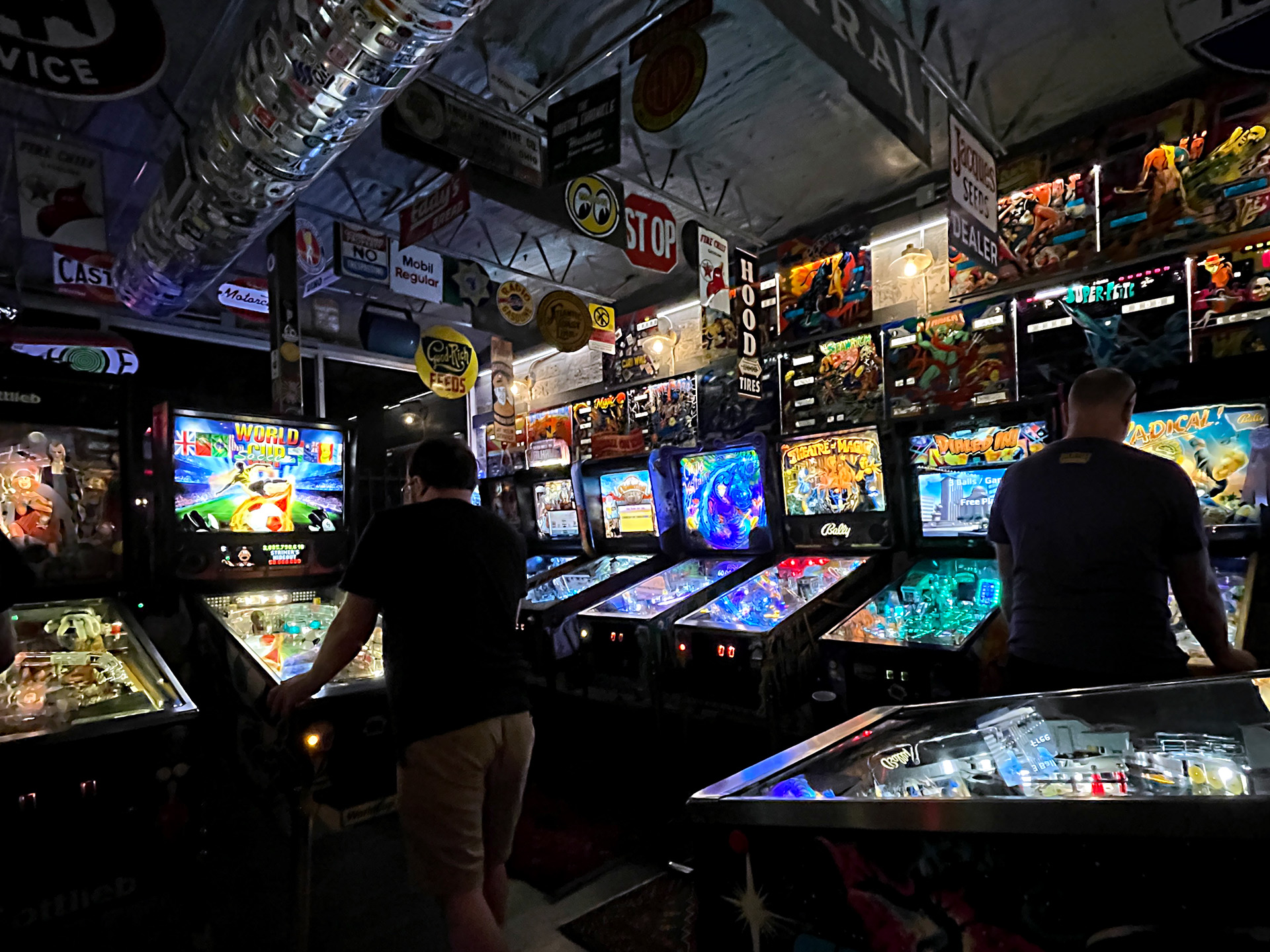

Pull the plunger, hear the ball hit the shooter lane, and wait for that first glorious crack of a flipper. When a vintage pinball machine works properly, it feels less like an appliance and more like a tiny amusement park having a nervous breakdown in your living room.
Unfortunately, old machines rarely arrive ready for action. They show up with weak flippers, cracked rubber rings, burned connectors, sleepy score displays, mysterious wiring repairs, and enough dust to qualify as an archaeological site. That is where the modern pinball restoration revival begins.
Across the United States, collectors, makers, museum volunteers, competitive players, and repair technicians are bringing decades-old games back to life. Community workshops, online repair archives, reproduction parts, playable museums, and organized tournaments have transformed restoration from an obscure specialty into a lively branch of maker culture.
The goal is not merely to create a shiny display piece. A properly restored pinball machine should light up, score accurately, launch balls reliably, and tempt everyone nearby to say, “One more game,” for the next three hours.
Why Pinball Restoration Is Booming Again
Pinball has survived gambling restrictions, shifting entertainment trends, the arcade crash, the rise of home consoles, and countless predictions that physical games were finished. Yet the silver ball keeps rolling.
Modern manufacturers continue to produce sophisticated machines, while museums and private collections preserve games from earlier eras. Competitive pinball has also become an international activity supported by leagues, rankings, championship circuits, and local tournaments. Thousands of players now encounter machines not as forgotten relics but as living games that demand precision, timing, and the emotional strength to watch a perfect ball drain between the flippers.
Home ownership helped accelerate the revival. When more people began purchasing machines for game rooms, workshops, restaurants, and neighborhood arcades, demand increased for both new games and older titles. A neglected machine that once sat in the back of a warehouse could suddenly become a desirable restoration candidate.
The maker movement added another ingredient. Pinball restoration combines woodworking, electronics, mechanical engineering, painting, soldering, troubleshooting, and historical research. Few hobbies allow one project to involve a multimeter, a paintbrush, a wiring diagram, and a bag containing 37 rubber rings of suspiciously similar sizes.
A Pinball Machine Is Several Machines at Once
Restoration becomes easier when the machine is viewed as a collection of systems rather than one intimidating cabinet full of wires.
The Cabinet and Backbox
The cabinet supports the game and carries much of its visual identity. Its condition can reveal water exposure, careless transportation, swelling plywood, rusted hardware, fading artwork, or previous repairs. The backbox houses score displays, artwork, circuit boards, relays, or score reels, depending on the machine’s age.
Cabinet restoration may involve cleaning, wood repair, repainting, decal replacement, leg refinishing, and reinforcement around worn mounting points. Cosmetic work should follow structural repairs. A beautiful cabinet that wobbles like a café table with one short leg is not finished.
The Playfield
The playfield is the machine’s busiest surface. Balls, posts, rings, flippers, kickers, ramps, targets, and spinning devices repeatedly strike or rub against it. Dirt may be removable, but worn artwork, cupped inserts, lifted Mylar, broken plastics, and damaged wood require careful judgment.
Collectors often prefer honest wear to a clumsy repaint. Touch-up work should therefore be conservative, color-matched, and protected appropriately. Clear coating can produce excellent results when performed by an experienced professional, but automotive-grade coatings require proper equipment, ventilation, and safety precautions. A kitchen table and heroic confidence are not substitutes for a controlled spray environment.
The Mechanical Assemblies
Flippers, pop bumpers, slingshots, drop targets, ball ejectors, and score mechanisms depend on springs, switches, plungers, links, coils, sleeves, and stops. These components wear gradually, so a machine may technically operate while playing poorly.
A weak flipper is a classic example. The coil may still fire, but a worn plunger, mushroomed link, dirty sleeve, damaged bushing, tired spring, incorrect gap, or misadjusted end-of-stroke switch can rob it of power. Rebuilding the assembly often produces a more dramatic improvement than adding decorative lights or aftermarket toys.
The Electrical and Electronic Systems
Electromechanical games use relays, stepper units, score reels, and switch logic. Later solid-state machines rely on circuit boards, transistors, switch matrices, lamp drivers, displays, and software. Each generation has characteristic failure points.
Battery corrosion is particularly dangerous in older solid-state machines. Leaking alkaline batteries can damage circuit-board traces and nearby components. Burned connectors, oversized fuses, brittle wiring, cold solder joints, and undocumented modifications should also receive immediate attention.
Electrical safety comes before gameplay. A restorer should inspect the power cord, grounding, fuse values, line filter, transformer connections, and cabinet wiring before repeatedly turning on an unknown machine. The phrase “Let’s see what happens” is exciting in movies and expensive around vintage electronics.
The Right Order for a Pinball Restoration
The most effective restorations follow a deliberate sequence. Jumping directly to cosmetics can waste time and hide important problems.
1. Document the Machine Before Disassembly
Take detailed photographs of the cabinet, playfield, backbox, connectors, wire routes, assemblies, and hardware. Photograph each layer as parts are removed. Create labels for connectors and store hardware in separate containers.
Factory manuals, schematics, parts catalogs, and machine databases are invaluable. They help identify missing components, correct fuse ratings, switch positions, coil numbers, lamp types, and assembly details. Previous owners may have been inventive. Documentation helps determine whether their invention belongs in the machine or in a museum devoted to electrical improvisation.
2. Inspect Before Applying Power
Look for corrosion, loose connectors, damaged insulation, burned wires, missing ground straps, incorrect fuses, broken boards, and signs of water or rodent damage. On electromechanical games, inspect relay contacts and moving units for hardened grease. On electronic games, examine battery areas and high-current connectors closely.
Do not bypass safety devices or install larger fuses to “keep them from blowing.” A fuse is reporting a problem, not requesting a promotion.
3. Make the Machine Mechanically Reliable
Clean and rebuild worn assemblies. Replace broken springs, cracked coil sleeves, deteriorated rubber rings, loose posts, and damaged switches. Check that flippers sit above the playfield rather than scraping it. Verify that balls move freely through troughs, lanes, ramps, and eject holes.
Mechanisms generally work best when clean and correctly adjusted. Oils and heavy grease can attract dirt or slow parts that were designed to operate dry. Use lubricants only where the service documentation specifically recommends them.
4. Repair the Electrical Problems
A digital multimeter is one of the most useful tools in the shop. It can help verify fuses, switches, coil resistance, continuity, voltages, and ground connections. A soldering station, logic probe, crimping tools, nut drivers, screwdrivers, and reliable work lighting are also worthwhile.
Troubleshooting should be systematic. If a feature does not work, observe what the game is trying to do. Check the associated switch, connector, wire, coil, driver component, and power supply in a logical order. Random parts replacement can occasionally succeed, but so can shaking a vending machine. Neither is an ideal diagnostic method.
5. Clean and Rebuild the Playfield
Remove ramps, plastics, posts, and hardware carefully, recording the location of every part. Use cleaning products that are appropriate for the playfield’s age and finish. Test unfamiliar products in an inconspicuous area, especially on older artwork.
Install a complete rubber set when the existing rings are brittle, stretched, cracked, or mismatched. Clean metal guides, polish reusable hardware, replace dead lamps, and inspect plastic pieces for hidden cracks. Cloudy ramps may improve with careful cleaning and polishing, although deeply damaged ramps may need replacement.
6. Address Cabinet and Artwork Restoration
Once the machine is dependable, move to cosmetic refinishing. Repair loose joints, damaged corners, stripped leg-bolt plates, and swollen wood before applying artwork. Preserve original graphics whenever practical. Reproduction decals and stencils can rescue severely damaged cabinets, but preparation determines whether the result looks professional or resembles a sticker applied during an earthquake.
7. Test the Complete Game
Run switch tests, lamp tests, coil tests, display tests, and multiple full games. Every ball should enter and leave each mechanism correctly. Scores, bonuses, multiplayer turns, extra balls, tilt functions, and game-over behavior should be verified.
Testing must include actual play. A feature can pass a service test yet fail when struck by a fast-moving ball. Invite another player to try the machine because fresh eyes often discover issues the restorer has unconsciously learned to avoid.
Observation Is the Restorer’s Best Tool
One lesson repeated throughout the repair community is that many failures become obvious after careful observation. A loose wire, detached spring, dirty switch, jammed ball, or shifted connector may appear catastrophic until the glass is removed and the playfield is lifted.
Listen to the game. A buzzing coil, slow score reel, repeated reset attempt, weak eject, or unusual transformer hum provides clues. Smell can also reveal overheated components, although the correct response to electrical smoke is to remove powernot lean closer for a more confident diagnosis.
Observation also prevents unnecessary restoration. Dirt can make a machine look far worse than it is. Under a gray film may be bright artwork and well-preserved inserts. Conversely, a polished cabinet can conceal battery damage, hacked boards, or worn mechanisms. Evaluate the condition beneath the presentation.
Originality Versus Modern Upgrades
Restorers frequently debate how far modernization should go. LEDs reduce heat and power consumption, replacement boards can improve reliability, and upgraded speakers or displays may enhance the experience. However, changes can alter the original appearance and behavior of a game.
The best approach depends on the machine and its purpose. A rare historical title may deserve conservative preservation. A frequently played tournament machine may benefit from reliability upgrades. A home machine can reflect its owner’s preferences as long as modifications are safe and reversible where possible.
Colored LEDs, extremely bright lamps, custom toys, mirrored blades, and elaborate lighting kits should come after basic restoration. A machine with dazzling illumination and a broken ball trough is still broken; it is simply broken with excellent stage lighting.
The Community Behind the Revival
Pinball restoration thrives because knowledge is shared. Repair archives document common failures across manufacturers and eras. Parts suppliers reproduce switches, rubber rings, plastics, boards, flipper components, lamps, cabinet hardware, and specialized tools. Online databases preserve manuals, production information, photographs, and historical details.
Playable museums contribute by keeping machines in operation rather than placing them behind ropes. Institutions in states such as California, Rhode Island, Idaho, Nevada, and Michigan use pinball to teach art, engineering, physics, history, and design. Visitors can compare woodrail games, electromechanical machines, early solid-state tables, dot-matrix titles, and modern connected games in one afternoon.
Local clubs and tournament venues provide another form of preservation. A machine that receives regular play also receives regular attention. Switches are adjusted, broken rings are replaced, and developing problems are discovered before they become major failures. Scheduled maintenance nights turn repair into a social activity instead of a solitary battle beneath a raised playfield.
Competitive pinball strengthens this network. Ranked events range from neighborhood competitions to major championships with hundreds of participants. Players quickly notice weak flippers, inconsistent switches, or unfair ball behavior, making tournament preparation one of the toughest tests a restored machine can face.
Common Pinball Restoration Mistakes
Replacing Parts Without Diagnosing the Fault
Swapping boards and coils may temporarily change symptoms without identifying the real cause. Confirm power, connectors, switches, wiring, and control signals before ordering expensive replacements.
Using the Wrong Cleaning Product
Different playfield finishes respond differently to solvents and polishes. A product that works well on a modern clear-coated surface may damage older paint. Research the game’s construction and test cautiously.
Mixing Hardware During Disassembly
Pinball machines contain a spectacular variety of screws, spacers, nuts, posts, and washers. Keep each assembly organized. Magnetic trays and labeled bags are inexpensive protection against the dreaded leftover screw.
Over-Restoring Original Artwork
Aggressive sanding, repainting, or touch-up work can erase historical character and reduce collector appeal. Preserve first, repair second, and replace only when necessary.
Ignoring Routine Maintenance
Restoration is not permanent immunity from wear. Balls should be replaced before they become rough enough to damage the playfield. Rubber rings, flipper mechanisms, lamps, connectors, and moving parts require periodic inspection.
What the Restoration Experience Is Really Like
A typical pinball restoration begins with optimism. The machine is rolled into the workshop, its faded cabinet glowing with possibility. The seller said it “worked the last time it was plugged in,” a phrase that may refer to last Tuesday or the Carter administration.
The first inspection often brings mixed news. The playfield is dirty but surprisingly colorful beneath the grime. Several plastics are intact. The backglass looks excellent. Then the backbox opens, revealing a corroded battery holder and a mysterious wire running between two boards like a shortcut designed by someone fleeing the scene.
The most valuable early experience is learning not to panic. Instead of attempting a complete restoration in one heroic weekend, the project is divided into systems. Photographs are taken. Connectors are labeled. The correct manual is located. A written list separates safety issues, mechanical failures, electrical problems, missing parts, and cosmetic work.
Cleaning the first major assembly can provide the motivation to continue. A pop-bumper body changes from nicotine beige to bright white. Stainless guides regain their shine. Inserts begin transmitting light again. The transformation is satisfying precisely because it is physical and measurable. Yesterday there was a pile of dirty parts; today there is a working mechanism that kicks a steel ball with unnecessary enthusiasm.
Not every session produces a victory. A repaired switch may reveal a second fault farther along the circuit. A replacement coil sleeve may expose a bent plunger. One stubborn connector can consume an evening while the rest of the machine waits silently, judging every decision.
Then comes the breakthrough. The game completes its startup sequence. Score displays wake up. The ball ejects into the shooter lane. The first flip sounds strong and clean. That moment explains why restorers tolerate hours of tracing wires and searching the floor for a washer that apparently entered another dimension.
Playing the first complete game creates a new list of problems. The right slingshot is too sensitive. One rollover switch misses fast shots. A ball hangs briefly near a gate. Restoration experience teaches that “working” is not a single finish line. Reliability emerges through repeated adjustment, testing, and play.
The project also changes how the restorer sees the machine. What began as an old cabinet becomes a record of design choices. Relay logic reveals how engineers created complex rules without microprocessors. Mechanical scoring units show how motion can function as memory. Playfield artwork, sound, lighting, and geometry demonstrate how many disciplines were combined to produce a game lasting only a few minutes.
The most rewarding experience often arrives after the tools are put away. A visitor presses the start button, learns the main shots, and becomes completely absorbed. The restored machine is no longer a workshop project. It is doing what its designers intended: creating suspense, frustration, competition, laughter, and the irrational certainty that the next ball will be better.
That transformationfrom silent furniture to playable historyis the heart of the pinball restoration revival.
Conclusion: Keep the Silver Ball Moving
Pinball restoration preserves far more than collectible machinery. Every repaired switch, rebuilt flipper, cleaned playfield, and stabilized circuit board protects a piece of American art, engineering, manufacturing, and entertainment history.
The hobby is especially well suited to makers because no two projects follow exactly the same path. One machine may require careful electronics work, another may need cabinet reconstruction, and a third may return to service after nothing more dramatic than cleaning, adjustment, and replacement rubber.
The revival will continue as long as owners share information, museums keep games playable, suppliers reproduce essential parts, and new technicians are willing to open a cabinet instead of declaring the machine too old to save. Vintage pinball games were built to be touched, shaken, heard, and played. Restoration gives them another chance to light up a roomand another chance to send the ball directly down the center drain when victory seems certain.
Note: Always disconnect power before servicing a machine. High voltages may remain present in some systems, and specialized cabinet, circuit-board, or playfield repairs should be handled by an experienced technician when appropriate.