
Painting the bathroom Elephant Gray by Benjamin Moore sounds simple enough: buy the paint, roll it on, admire your sophisticated new walls, and casually pretend you have always had excellent design instincts. But bathrooms are not ordinary rooms. They are tiny weather systems with toothbrushes. Steam, splashes, soap residue, poor lighting, and mystery wall streaks can turn even a beautiful color into a regrettable weekend if you skip the right prep.
Fortunately, Benjamin Moore Elephant Gray 2109-50 is the kind of medium gray that can make a bathroom feel calm, polished, and grown-up without sliding into cold, industrial territory. Benjamin Moore describes Elephant Gray as a medium gray with hints of violet and brown, and that little bit of warmth is exactly why it works so well in a space filled with porcelain, tile, chrome, glass, and mirrors. It is gray, yesbut not the gloomy kind that makes your bathroom feel like a parking garage with hand towels.
This guide covers how Elephant Gray behaves in a bathroom, which sheen makes sense, how to prep the space, what colors and finishes pair well with it, and how to avoid the classic painting mistakes that make walls peel, streak, or look patchy. Let’s give the bathroom elephant in the room a very stylish coat.
Why Elephant Gray Works Beautifully in a Bathroom
Elephant Gray is officially listed as Benjamin Moore 2109-50, part of the Color Preview collection. Its LRV is 41.5, placing it in the medium range. LRV, or Light Reflectance Value, helps explain how much light a color reflects. A higher LRV feels brighter and airier; a lower LRV feels deeper and moodier. At 41.5, Elephant Gray has enough body to look intentional, but it is not so dark that it automatically shrinks the room.
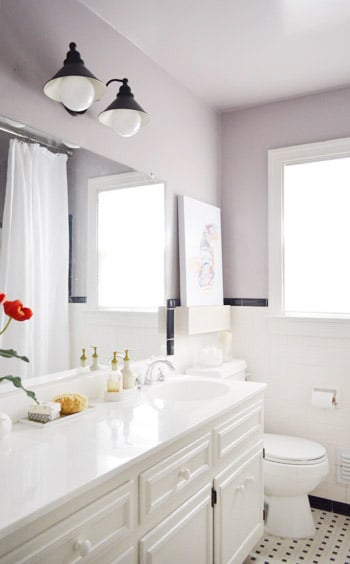
That balance matters in bathrooms. Many bathrooms are small, windowless, or blessed with lighting that makes everyone look like they have just survived tax season. A gray with violet and brown undertones can soften that harshness. The violet note gives the color a slightly elegant, smoky quality, while the brown keeps it from feeling icy. In a bathroom, this means Elephant Gray can look refined beside white tile, warm against brass or wood accents, and dramatic beside matte black fixtures.
It Is Not Just “Gray”It Is a Mood
The magic of Elephant Gray is that it changes depending on the room. In bright natural light, it may look like a soft, warm gray with a subtle lavender-brown undertone. Under warm LED bulbs, it can lean taupe-gray and cozy. Under cool bulbs, the violet undertone may become more visible. This is not a flaw; it is personality. Paint colors with personality are like houseguests: wonderful when expected, awkward when surprising.
That is why sampling is non-negotiable. Paint a large sample on at least two bathroom walls, then check it in morning light, evening light, and with the vanity lights turned on. If your bathroom has no window, test it under the exact bulbs you use every day. Elephant Gray may look stunning under 2700K warm white bulbs and a little moodier under cooler 4000K lighting.
Best Bathroom Style Ideas for Elephant Gray
Elephant Gray is flexible enough for several bathroom styles, from modern farmhouse to urban spa. It has enough depth to feel designed, but it still plays nicely with classic bathroom materials.
1. Spa-Like Bathroom
Pair Elephant Gray walls with crisp white trim, white towels, pale stone, clear glass, and warm wood. The result is clean but not clinical. Add eucalyptus, a woven basket, and a robe you may or may not actually wear. The gray gives the room a quiet backdrop, while the white and natural textures keep the space fresh.
2. Modern Bathroom With Black Fixtures
Matte black faucets, shower frames, towel hooks, and mirror frames look sharp against Elephant Gray. The contrast is modern without feeling harsh. To keep the space from becoming too dark, use a white ceiling, white vanity top, or light tile floor. Think “boutique hotel,” not “villain’s powder room.”
3. Warm Traditional Bathroom
If your bathroom has cream tile, beige stone, warm brass, or a wooden vanity, Elephant Gray can bridge the old and new. Its brown undertone helps it coordinate with warmer finishes, while the gray keeps the space current. This is especially useful in homes where replacing tile is not in the budgetor where the tile has been there since the Eisenhower administration and refuses to leave.
4. Small Powder Room Drama
In a powder room, Elephant Gray can be used more boldly. Because powder rooms usually do not have shower steam, you can focus more on style. Paint the walls Elephant Gray, add a brass mirror, install a sculptural light fixture, and use patterned wallpaper or art for contrast. A small room can handle drama because nobody is living in there full time, except perhaps the guest who took too long at Thanksgiving.
Choosing the Right Benjamin Moore Paint Product and Sheen
Bathrooms need durable paint. The color may be the star, but the paint product and finish are the stage crew keeping the show from collapsing.
For bathrooms, many homeowners look at Benjamin Moore Aura Bath & Spa, a premium matte finish paint designed for high-humidity environments. It offers a mildew-resistant coating, low VOC formulation, excellent hide, and rich color performance. This product is especially appealing if you love the look of a matte wall but do not want the usual bathroom problems that can come with ordinary flat paint.
Traditionally, satin and semi-gloss finishes have been recommended for bathrooms because they are easier to clean and better at resisting moisture than flat finishes. That advice still makes sense, especially in bathrooms with poor ventilation or walls close to showers. However, specialty bathroom paints have changed the conversation. A moisture-resistant matte product can give you a softer, designer look while still being appropriate for steamy spaces.
Recommended Sheens by Bathroom Type
- Full bathroom with shower or tub: Aura Bath & Spa matte, satin, or pearl depending on the product and ventilation.
- Poorly ventilated bathroom: Consider satin or semi-gloss for extra cleanability, especially near wet zones.
- Powder room: Matte, eggshell, or satin can work well because moisture is lower.
- Trim, doors, and cabinets: Satin, semi-gloss, or a cabinet-grade enamel finish is usually best.
- Ceiling above shower: Use a moisture-resistant bathroom paint rather than ordinary flat ceiling paint.
How to Prepare a Bathroom Before Painting Elephant Gray
Bathroom prep is not glamorous, but neither is peeling paint. If you want Elephant Gray to look smooth, rich, and expensive, preparation is where the magic begins.
Step 1: Clean the Walls Thoroughly
Bathroom walls collect more than dust. They can hold soap film, hairspray, toothpaste mist, body oil, and the ghost of every steamy shower ever taken. Before painting, wash the walls with a mild cleaner or a paint-prep solution. Focus on areas near the sink, shower, and towel bars. Rinse if needed and let everything dry completely.
Step 2: Repair Cracks, Dents, and Peeling Paint
Elephant Gray has enough depth to make wall flaws more visible if the surface is neglected. Scrape loose paint, patch holes, sand rough spots, and feather the edges. If the previous paint is peeling because of moisture, fix the moisture problem first. Painting over a problem is like putting a bow tie on a raccoonit may look cute briefly, but chaos is still coming.
Step 3: Sand Glossy Areas
If the existing paint has a glossy finish, lightly sand it so the new coating can grip. You do not need to sand like you are restoring a ship; just dull the surface enough for adhesion. Wipe away dust with a damp cloth or tack cloth before priming or painting.
Step 4: Use Primer When Needed
Benjamin Moore paints are often self-priming on previously painted walls in good condition, but primer is still useful in several cases. Use primer if you are painting over a very dark or very bright color, covering stains, painting new drywall, dealing with patched areas, or painting slick surfaces such as laminate. In older homes built before 1978, be cautious with sanding or scraping because lead-based paint may be present. Follow EPA lead-safe practices or hire a certified professional if needed.
Step 5: Tape and Protect Everything
Tape around trim, tile, mirrors, outlets, and fixtures. Cover the vanity, toilet, floor, and tub. Remove towel bars, switch plates, vent covers, and hardware when possible. You can paint around everything, but removing small obstacles usually gives a cleaner result and saves you from doing acrobatic brushwork around a toilet tank.
Painting the Bathroom Elephant Gray: A Practical Method
Once the room is clean, dry, repaired, taped, and ready, painting can begin. Stir the paint well before starting. Pour a manageable amount into a tray and keep the lid on the can when you are not using it to prevent skinning.
Cut In First
Use a quality angled brush to cut in around corners, trim, ceiling lines, tile edges, and fixtures. Keep the brush loaded but not dripping. Elephant Gray is a medium tone, so clean cut lines matter. A wobbly line near a white ceiling will wave at you every morning while you brush your teeth.
Roll in Small Sections
Use a roller suited for smooth or lightly textured walls. Work in small sections, keeping a wet edge to avoid lap marks. A “W” or “M” rolling pattern followed by even vertical passes helps distribute paint smoothly. Do not press too hard; let the roller do the work. Pressing hard can leave roller lines and uneven texture.
Apply Two Coats
Most bathroom projects look best with two coats, especially when using a color with depth like Elephant Gray. The first coat establishes coverage; the second coat gives the color richness and consistency. Let the first coat dry according to the paint label before recoating. After the final coat, give the room adequate drying time before returning it to full shower-and-steam duty.
Color Pairings That Make Elephant Gray Shine
The right supporting colors can make Elephant Gray look custom rather than accidental. Because it has violet and brown undertones, it pairs best with whites, woods, metals, and accent colors that respect that warmth.
Best Whites for Trim and Ceilings
For a clean look, pair Elephant Gray with a soft white trim. Avoid whites that are too blue or stark unless your bathroom has very modern finishes. Warmer whites and neutral whites tend to make Elephant Gray feel more balanced. A white ceiling is usually a smart choice in smaller bathrooms because it helps bounce light and keeps the space from feeling closed in.
Best Metal Finishes
Elephant Gray looks excellent with polished chrome, brushed nickel, matte black, and aged brass. Chrome and nickel keep the room crisp. Matte black adds contrast. Brass brings warmth and a little drama, especially if the bathroom has warm bulbs and natural wood accents.
Best Tile and Flooring Combinations
White subway tile is an easy win. Marble-look porcelain can feel elegant, especially when gray veining ties into the wall color. Warm beige stone can work too, thanks to the brown undertone in Elephant Gray. If your tile has pink, purple, taupe, or mushroom tones, test a sample carefully because Elephant Gray may either harmonize beautifully or amplify undertones you did not know existed.
Lighting Tips for Elephant Gray in the Bathroom
Lighting can make or break this color. Since bathrooms often depend on artificial light, choose bulbs before you judge the paint. Warm white bulbs around 2700K to 3000K usually bring out the cozy side of Elephant Gray. Cooler bulbs can make the color appear more violet or shadowy. If you apply makeup or shave in the bathroom, use balanced lighting around the mirror so the room looks stylish and faces still look human.
Layered lighting helps. A ceiling fixture gives overall light, while sconces or vanity lights reduce shadows. If the bathroom has no window, stronger lighting may be needed to keep Elephant Gray from feeling too deep. In a tiny bathroom, consider a large mirror to reflect light and visually expand the space.
Common Mistakes to Avoid
Skipping the Sample
Never choose Elephant Gray from a screen alone. Digital color previews are helpful, but bathroom lighting is a trickster. Sample first, then commit.
Using the Wrong Paint for Moisture
A regular flat wall paint may look lovely on day one, but bathrooms demand more durability. Choose a bathroom-appropriate product and finish, especially in full baths.
Painting Over Damp Walls
Walls must be dry before painting. Running the fan, opening a window, and avoiding showers before painting can help. Moisture trapped under paint can lead to peeling, blistering, and streaks.
Ignoring Ventilation
Even the best paint appreciates a good exhaust fan. Use the fan during showers and let it run afterward to reduce humidity. Paint is durable, not magical.
Rushing the Cure Time
Paint may feel dry before it is fully cured. Be gentle with newly painted walls, avoid scrubbing too soon, and give the finish time to harden.
Is Elephant Gray Too Dark for a Small Bathroom?
Not necessarily. Elephant Gray is medium-toned, not charcoal. In a small bathroom with good lighting, white trim, reflective surfaces, and a light ceiling, it can feel cozy and polished rather than cramped. The key is contrast. If every surface is darkthe walls, floor, vanity, towels, and shower curtainthe room may feel heavy. But Elephant Gray with white tile, a bright mirror, and clean lighting can look intentionally elegant.
If you are nervous, try painting only the vanity wall or the lower half of the room with wainscoting. Another option is to use Elephant Gray on the vanity cabinet while keeping the walls lighter. That gives you the beauty of the color without committing every wall to it.
Personal Experience: What It Feels Like to Paint a Bathroom Elephant Gray
Painting a bathroom Elephant Gray by Benjamin Moore is one of those projects that feels small until you are standing on a step stool, holding a brush at a strange angle, wondering why the towel bar has six screws and an emotional support bracket. The bathroom may be the smallest room in the house, but it has more edges, corners, fixtures, and awkward spaces than a game of home improvement Tetris.
The first thing you notice with Elephant Gray is that the sample can surprise you. On a paint chip, it may look like a calm medium gray. On the wall, it gains depth. In daylight, it can feel soft and warm. At night, especially under warmer bulbs, it becomes richer and more cocoon-like. That is why the sample stage matters so much. A small chip taped to the wall is not enough. A larger painted sample shows how the color behaves beside tile, mirrors, countertop material, and towels.
During application, Elephant Gray is satisfying because it has enough pigment to feel like a real transformation. The first coat may look a little uneven, especially over lighter or glossier walls, but the second coat usually brings the color together. That second coat is when the bathroom stops looking like a project and starts looking like a room with opinions. Good opinions.
One practical lesson is to remove more hardware than you think you need to remove. Towel bars, robe hooks, outlet covers, and vent grilles are easier to take down than to paint around. Painting behind the toilet is still the boss level. A small roller helps, but if the tank is very close to the wall, patience is your best tool. Also, do not overload the brush near tile or caulk lines. Medium gray paint on white tile is not subtle. It announces itself.
Another experience worth mentioning is how Elephant Gray changes the feeling of bathroom accessories. White towels suddenly look brighter. Wood shelves look warmer. Chrome looks cleaner. Brass looks more intentional. Even a plain mirror can appear more expensive against this color. It gives the room a backdrop, and that backdrop makes ordinary objects look curated. This is wonderful news for anyone whose bathroom budget is mostly paint, a new shower curtain, and optimism.
The only caution is lighting. If the bathroom has weak bulbs or one sad overhead fixture, Elephant Gray may feel heavier than expected. Upgrading bulbs or adding better vanity lighting can make the color look dramatically better. In fact, lighting can be the difference between “moody boutique hotel” and “why is my bathroom preparing for a thunderstorm?”
After the paint dries, the room tends to feel calmer and more finished. Elephant Gray is not loud, trendy, or fussy. It is sophisticated without being snobby. It can handle white tile, black accents, brass hardware, plants, baskets, and classic bathroom linens. For homeowners who want a bathroom color that feels modern but not cold, stylish but not shouty, Elephant Gray is a very strong choice.
Conclusion
Painting the bathroom Elephant Gray by Benjamin Moore is a smart way to create a bathroom that feels calm, refined, and quietly dramatic. The color’s medium depth, violet-brown undertones, and warm gray personality make it more interesting than basic gray while still being versatile enough for many design styles.
The secret to success is not just choosing the color. It is choosing the right bathroom paint product, preparing the walls properly, testing the shade in your actual lighting, and giving the finish time to dry and cure. Pair Elephant Gray with white trim, warm metals, good lighting, and moisture-smart materials, and your bathroom can look less like a utility room and more like a small private retreat.
In other words, the elephant in the bathroom is not a problem. It is the design feature.