
Downturned eyes have a naturally soft, slightly sloped shape where the outer corners sit lower than the inner corners. Think gentle, romantic, a little mysterious, and very “main character walking through a vintage movie scene.” This eye shape is beautiful on its own, but the right makeup can make it look brighter, more lifted, more defined, or more dramatic depending on your mood.
The trick is not to fight your eye shape. Makeup is not a construction crew sent to rebuild your face. It is more like lighting design: a little shadow here, a tiny flick there, and suddenly the whole room looks expensive. Whether you want a natural everyday look, a soft glam moment, or a sharper cat eye, downturned eyes respond beautifully to smart placement.
In this guide, you will learn what downturned eyes are, how to identify them, which eyeliner and eyeshadow techniques work best, what makeup mistakes to avoid, and how to create flattering looks without making your eyes appear smaller or heavier.
What Are Downturned Eyes?
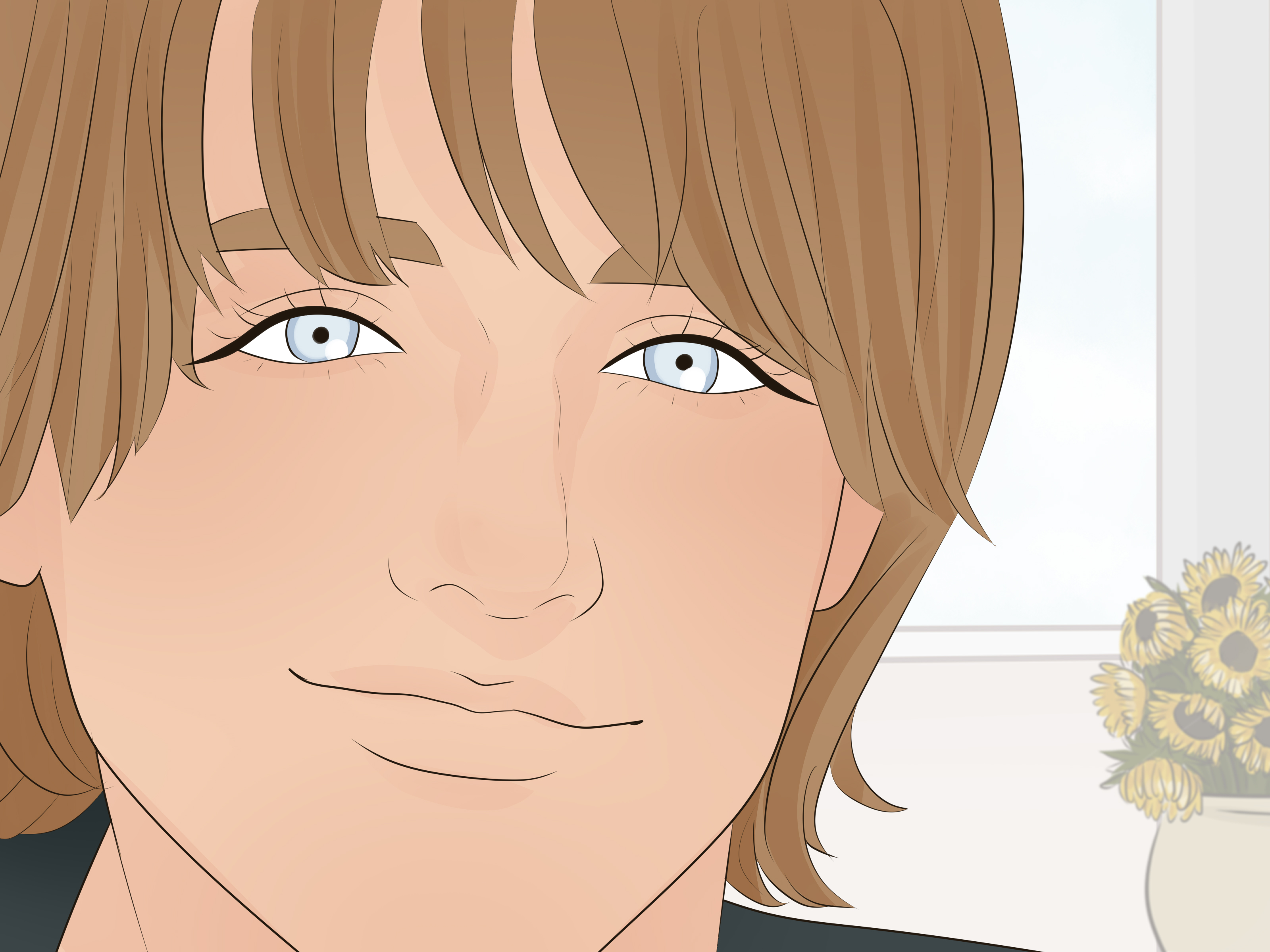
Downturned eyes are an eye shape where the outer corners angle slightly downward. If you draw an imaginary straight line across the center of your eyes, the outer corner may fall below that line. This creates a naturally soft, relaxed, or dreamy appearance.
Downturned eyes can be almond-shaped, round, hooded, deep-set, wide-set, or close-set. Eye shape is not one single label; it is often a combination. For example, someone can have hooded downturned eyes, almond downturned eyes, or round downturned eyes. That is why makeup advice should be flexible, not bossy.
How to Tell If You Have Downturned Eyes
Look straight into a mirror with your face relaxed. Avoid raising your eyebrows or smiling, because facial movement can change how your eyes appear. Notice the angle of your outer corners. If they point downward compared with the inner corners, you likely have downturned eyes.
Another easy test is to imagine a horizontal line running from the inner corner to the outer corner of each eye. If the outer corner sits lower, your eyes are downturned. If it sits higher, your eyes are upturned. If the corners are roughly level, your eyes may be straight or balanced in angle.
Are Downturned Eyes the Same as Droopy Eyes?
No. Downturned eyes are a natural eye shape. Droopy eyelids, also called ptosis, refer to the upper eyelid sagging lower than usual, sometimes enough to affect vision. A person can have downturned eyes without any medical issue at all.
If one eyelid suddenly droops, your vision changes, or your eyelid covers part of your pupil, that is not a makeup problem. That is a reason to speak with an eye doctor. But if your outer corners simply slope downward naturally, congratulations: you have an eye shape with built-in softness, and your eyeliner just needs a better GPS.
Why Makeup Placement Matters for Downturned Eyes
With downturned eyes, makeup placement can either enhance the natural shape or visually pull the eye farther downward. Neither is “wrong,” because makeup has no royal court of laws. But if your goal is a lifted, open look, you want to guide color upward and outward.
The most flattering downturned eye makeup usually follows three ideas: keep darkness controlled at the outer corner, angle liner and shadow slightly upward, and concentrate lift through lashes, brows, and light-reflecting details. Small changes matter. A wing that sits two millimeters too low can suddenly look tired, while a tiny upward flick can make the eye look fresh and awake.
Best Eyeliner Tips for Downturned Eyes
1. Start Your Wing Before the Outer Corner
One of the most useful eyeliner tricks for downturned eyes is to begin the wing slightly before the natural outer corner. If you follow the lash line all the way down and then wing out, the liner may exaggerate the downward slope. Instead, start lifting the liner from the outer third of the eye.
Look straight ahead in the mirror. Draw a thin line along the upper lash line, then create a small flick that angles toward the tail of your brow. The line does not need to be dramatic. Even a baby wing can do the job. Think “espresso shot,” not “architectural blueprint.”
2. Keep the Inner Corner Thin
Heavy eyeliner from inner corner to outer corner can make downturned eyes look smaller. Keep the inner half of the liner thin or skip it entirely. Focus most of the definition on the outer half of the upper lash line.
A good formula is simple: thin at the inner corner, slightly thicker at the outer third, then lifted at the end. This creates balance without closing off the eye.
3. Try a Soft Cat Eye
A cat eye is a classic choice for downturned eyes because it visually lifts the outer corner. The key is softness. A thick, heavy wing can overwhelm the eye, especially if you have limited lid space or hooded lids.
Use a brown pencil, gel liner, or dark eyeshadow if black liquid liner feels too intense. Sketch the shape first, then smudge the top edge with a small angled brush. The result is polished but forgiving, which is exactly what we want from makeup and, frankly, most group projects.
4. Be Careful With Puppy Liner
Puppy liner follows the natural downward angle of the eye and extends the liner slightly downward. It can look adorable, soft, and trendy. However, if your goal is a lifted effect, puppy liner may emphasize the downturn.
That does not mean you can never wear it. If you love a sweet, doll-like, K-beauty-inspired look, puppy liner can be gorgeous. Just understand the effect: it enhances the natural slope rather than lifting it.
Best Eyeshadow Tips for Downturned Eyes
1. Blend Shadow Upward Toward the Temple
Eyeshadow for downturned eyes works best when it gently moves upward and outward. Apply a transition shade through the crease, then blend the outer corner toward the temple. Avoid dragging shadow downward past the outer corner, unless you intentionally want a smoky, sultry effect.
Use a fluffy brush and soft pressure. Harsh shadow can make the outer corner look heavy. The goal is a lifted haze, not a storm cloud with ambition.
2. Keep the Darkest Shade Slightly Above the Outer Corner
Place your deepest eyeshadow shade on the outer third of the lid, but do not let it sink too low. Imagine creating a tiny upward triangle at the outer corner. This helps visually raise the eye and adds depth without pulling everything down.
Matte taupe, soft brown, espresso, plum, charcoal, and bronze shades work beautifully. For daytime, choose medium neutrals. For evening, build depth slowly and blend until the edges look soft.
3. Brighten the Inner Corner
A touch of light shimmer or satin shadow on the inner corner can make downturned eyes look more open. Champagne, pearl, pale gold, soft rose, or beige shimmer can add brightness without taking over the look.
Keep glittery products away from the actual eye and avoid chunky sparkle near the waterline, especially if your eyes are sensitive or you wear contact lenses. A smooth shimmer is usually safer and more elegant than craft glitter pretending it got invited.
4. Avoid Heavy Shadow Under the Outer Corner
Lower lash line makeup can be flattering, but placement matters. If you place too much dark shadow directly under the outer corner, it can pull the eye downward. Instead, keep lower lash color soft and slightly lifted at the outer edge.
For a balanced look, use a small brush to apply medium brown or taupe along the outer half of the lower lash line, then blend gently. Stop before the shadow drops too low. You want definition, not a tiny under-eye thunderstorm.
Mascara and Lash Tips for Downturned Eyes
1. Curl Your Lashes First
An eyelash curler can make a major difference for downturned eyes. Curling the lashes helps open the eye and directs attention upward. Hold the curler gently at the base of the lashes, pulse lightly, then move toward the middle of the lashes for a natural curve.
Never yank, rush, or curl after mascara has dried. That can make lashes stiff and more likely to break. Treat your lashes like silk curtains, not weeds in a driveway.
2. Focus Mascara on the Center and Outer Lashes
Apply mascara generously to the center and outer upper lashes. Wiggle the wand at the base, then sweep upward and slightly outward. This creates the illusion of wider, more lifted eyes.
If your lashes naturally point downward, consider a waterproof or tubing mascara for better hold. Just remember to remove it gently at night with an eye-safe remover.
3. Choose Lashes That Lift, Not Drag
False lashes can be wonderful for downturned eyes, but avoid styles that are too long and heavy at the outer corners. Extra weight at the outer edge can make the eyes look more downturned.
Instead, look for wispy lashes with length concentrated near the center or slightly past the center. Half lashes can also work well if placed a little above the natural outer lash line to create lift.
Brow Tips That Help Flatter Downturned Eyes
Brows frame the eyes, so they matter more than they usually get credit for. A softly lifted brow tail can make downturned eyes appear more open. Brush brow hairs upward with a clear or tinted brow gel, then lightly fill sparse areas with a pencil or powder.
Avoid drawing the tail of the brow too low. If the brow tail drops sharply, it can echo the downward angle of the eye. Keep the shape natural, but aim for a clean, slightly lifted finish.
Makeup Mistakes to Avoid With Downturned Eyes
Following the Downward Lash Line Too Far
The most common mistake is tracing the upper lash line all the way down at the outer corner before creating a wing. This can make the eye look heavier. Begin the lift earlier, especially if you want a bright, awake effect.
Using Too Much Black Liner on the Lower Lash Line
Heavy black liner under the eye can close the eye and intensify the downward slope. For a softer look, use brown, bronze, taupe, or gray. Smudge lightly instead of drawing a harsh line.
Skipping Mascara on the Upper Lashes
Downturned eyes often benefit from lifted lashes. If you skip mascara but wear heavy liner, the liner may dominate the eye and make it look smaller. Mascara adds balance and softness.
Dragging Concealer or Shadow Downward
When applying concealer or blending shadow, keep your motions slightly upward. Even complexion products can affect the overall visual direction of the face. Tiny habits create the final look.
Easy Everyday Makeup Look for Downturned Eyes
For a simple everyday look, start with eye primer or a thin layer of concealer on the lids. Apply a soft beige or light taupe shade across the lid. Blend a medium brown shade into the outer crease, sweeping upward toward the temple.
Use a brown pencil liner on the outer half of the upper lash line. Smudge it softly, then add a tiny upward flick. Curl your lashes and apply mascara to the center and outer lashes. Add a small touch of highlight to the inner corner. Finish by brushing your brows upward.
This look takes only a few minutes, but it makes the eyes appear polished and awake. It is the makeup equivalent of making your bed before a video call: simple, effective, and suspiciously powerful.
Soft Glam Look for Downturned Eyes
For soft glam, use a satin champagne or rose-gold shade on the lid. Blend warm brown or mauve through the crease, keeping the outer edge lifted. Add a deeper brown to the outer third of the lid, then blend until the color fades upward.
Create a soft wing with gel liner or dark eyeshadow. Keep the wing angled upward, not straight out or downward. Add individual lashes or a lightweight half lash if you want more drama. Finish with mascara and a little lower lash definition on the outer half only.
This style works beautifully for dinner, photos, weddings, parties, and any event where lighting is questionable but your eye makeup is not.
Smoky Eye Tips for Downturned Eyes
A smoky eye can absolutely work on downturned eyes. The secret is to smoke upward, not downward. Start with a mid-tone shade across the lid, then add depth to the outer third. Use a clean brush to blend the shadow up and out.
Keep the darkest color closest to the upper lash line and outer lid. Avoid creating a rounded droop at the outer corner. A smoky wing shape is usually more flattering than a heavy circular smoky eye.
For lower lashes, apply a softer version of your crease color. Blend lightly and keep the outer edge lifted. Add inner-corner brightness to prevent the look from becoming too heavy.
Eye-Safe Makeup Habits to Remember
Because downturned eye makeup often involves liner, mascara, and detailed outer-corner work, hygiene matters. Replace old mascara regularly, avoid sharing eye makeup, and remove makeup before bed. If a product smells strange, changes texture, or irritates your eyes, toss it.
Be careful with glitter, metallic flakes, and products not intended for use near the eyes. Avoid placing liner directly on the waterline if your eyes are sensitive, watery, or dry. Clean brushes often, sharpen pencils when needed, and use gentle removal methods instead of scrubbing.
Beautiful makeup should not leave your eyes red, itchy, or angry enough to write a strongly worded email. Comfort counts.
Experience Notes: What Usually Works in Real Life
In real everyday makeup routines, downturned eyes often teach one big lesson: placement beats product. People sometimes buy a new eyeliner, a new mascara, and three “life-changing” palettes, only to discover the problem was not the product at all. It was the angle. A basic brown pencil can look expensive when placed correctly, while a luxury liquid liner can look chaotic if the wing follows the eye downward and then panics at the end.
One common experience is the “why does my wing look sad?” moment. This usually happens when the liner is drawn with the eye closed. When the eye opens, the natural downturn changes the angle. The fix is simple: draw the wing while looking straight ahead. Keep your face relaxed, mark the direction first, then connect it to the lash line. This one habit can save time, cotton swabs, and emotional stability.
Another real-life discovery is that black liner is not always the hero. For many downturned eyes, dark brown, espresso, bronze, or plum creates definition without harshness. Softer liner is especially useful during the day, when a thick black wing can look heavier than expected. Brown liner can still lift the eye, but it whispers instead of shouting through a megaphone.
Many people with downturned eyes also learn that mascara placement changes everything. Coating every lower lash heavily can make the eye look rounder and lower. But focusing mascara on the upper center and outer lashes creates a lifted, open effect. A lash curler can feel like a small medieval device at first, but once used gently and correctly, it becomes the tiny backstage crew behind the whole look.
Eyeshadow can be another turning point. A lot of beginners place dark shadow exactly where the eye naturally dips, then wonder why the outer corner looks heavy. The better approach is to place the deepest shade slightly higher and blend upward. It may feel strange at first, almost like you are coloring outside the lines. But that is the point. Makeup often works best when it creates a new visual direction rather than simply tracing what is already there.
There is also the emotional side of learning your eye shape. Many people search for downturned eye tips because they think their eyes look tired or sad. But once they find the right techniques, they often realize their eye shape was never the issue. The issue was using tutorials made for a completely different face. A dramatic wing designed for upturned eyes may not translate perfectly to downturned eyes, just like bangs in a movie montage do not guarantee a new personality by Friday.
The best experience-based advice is to experiment on a day when you are not rushing. Try one eye with your usual method and the other with an upward-angled liner, lifted shadow, curled lashes, and a brighter inner corner. Compare them in natural light. Take a photo if that helps. Makeup looks different in the bathroom mirror than it does near a window, and the window is usually more honest.
Finally, the most flattering look is the one that feels like you. Some people love lifting downturned eyes with a clean cat eye. Others prefer leaning into the natural softness with puppy liner, smoky lower lash definition, or romantic blurred shadow. Both approaches are valid. Your eye shape is not a flaw to disguise. It is a feature to understand, play with, and occasionally decorate like it has somewhere fabulous to be.
Conclusion
Downturned eyes are defined by outer corners that slope slightly downward, creating a naturally soft and expressive look. The best makeup for downturned eyes depends on your goal. If you want lift, angle eyeliner and eyeshadow upward, keep heavy color from dropping too low, curl your lashes, and focus mascara on the upper center and outer lashes. If you want to emphasize the natural shape, softer liner and smoky lower-lash looks can be beautiful too.
Remember: makeup is not about correcting your face. It is about learning what works for your features, your routine, and your mood. Downturned eyes can wear clean wings, soft glam, smoky shadow, natural makeup, and playful trends. The real secret is not a magic product. It is placement, blending, and the confidence to stop following tutorials that were never made for your eye shape in the first place.