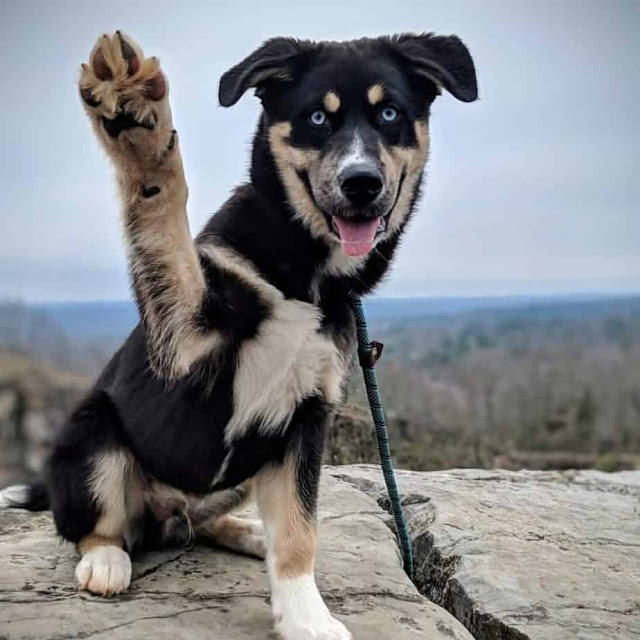

Mixing a Siberian Husky with another dog breed can feel like pressing the “shuffle” button on a playlist made of fur, energy, attitude, and dramatic side-eye. One puppy may inherit the Husky’s icy blue eyes and marathon-level stamina. Another may get the other parent’s calmer nature, shorter coat, or eagerness to follow commands without first holding a family meeting about it. That is the funand the mysteryof Siberian Husky mixes.
Siberian Huskies are famous for their wolf-like beauty, thick double coats, athletic bodies, friendly personalities, and legendary talent for making ordinary walks feel like Arctic expeditions. They were bred as working sled dogs, which means they are built for movement, teamwork, and endurance. When mixed with breeds such as German Shepherds, Golden Retrievers, Pomeranians, Labrador Retrievers, Corgis, Boxers, or Pit Bull-type dogs, the result can be charming, smart, hilarious, and occasionally a little chaotic.
But here is the important truth: a Husky mix is not a custom-made product. You cannot order “50% fluffy, 30% obedient, 20% blue eyes, and zero couch hair.” Genetics does not read online wish lists. Every mixed-breed dog is an individual, and the best match depends on health, temperament, training, lifestyle, and responsible breedingnot just cute photos.
Why People Love Siberian Husky Mixes
People are drawn to Husky mixes for obvious reasons. Huskies are stunning dogs. Their almond-shaped eyes, expressive faces, upright ears, and plush coats give them a dramatic look that says, “I belong in a snowstorm,” even when they are standing next to a dishwasher. They are also social, playful, and often friendly with people and other dogs when properly socialized.
When mixed with another breed, a Husky can pass along some of those eye-catching features. A Husky-German Shepherd mix may look powerful and alert. A Husky-Golden Retriever mix may be fluffy, cheerful, and photogenic enough to make your phone storage cry for help. A Husky-Pomeranian mix, often called a Pomsky, may look like someone shrank a sled dog and gave it a celebrity haircut.
Beyond looks, many owners hope a mix will balance the Husky’s high energy or independent streak. Sometimes that happens. A Labrador Retriever mix may add a more people-pleasing attitude. A Border Collie mix may increase trainability, though it may also create a dog that mentally rearranges your furniture if bored. A calmer breed may soften the Husky’s intensity, but there are no guarantees.
What Traits Can a Husky Pass Down?
A Siberian Husky mix may inherit any combination of physical and behavioral traits from either parent. Some traits are easy to spot, while others show up later as the dog matures. That adorable puppy who naps under the coffee table may become a teenage athlete with opinions, volume, and a sincere belief that fences are merely suggestions.
Energy and Exercise Needs
Huskies are working dogs, and that work ethic often appears in their mixes. Many Husky mixes need daily exercise, not just a slow stroll around the block while you sip coffee and pretend it counts as cardio. They may enjoy running, hiking, long walks, agility, fetch, scent games, or structured play. Without enough physical and mental stimulation, they may create their own entertainment. Unfortunately, their hobbies may include digging, howling, chewing, escape planning, and redecorating with pillow stuffing.
Coat and Shedding
The Husky double coat is beautiful, weather-resistant, and extremely committed to being everywhere. A Husky mix may shed lightly, moderately, or dramatically depending on the other parent breed. Mix a Husky with another double-coated breed, such as a German Shepherd or Akita, and you may need a vacuum with emotional support. Mix with a shorter-coated breed, and shedding may be reduced, but not always.
Regular brushing is usually necessary, especially during seasonal shedding. Shaving a Husky-type coat is generally not recommended unless a veterinarian advises it for medical reasons, because the coat helps regulate temperature and protect the skin.
Personality and Independence
Huskies are intelligent, social, and famously independent. They often understand commands; they simply like to review whether the command aligns with their personal brand. A Husky mix may be easier to train if the other parent is highly biddable, such as a Labrador Retriever or Golden Retriever. But if both parent breeds are independent thinkers, the result may be a dog who needs patient, consistent, reward-based training from day one.
Voice and Drama
Siberian Huskies are not always heavy barkers, but many are enthusiastic talkers. They howl, grumble, yodel, complain, negotiate, and sometimes perform what sounds like a courtroom objection. A Husky mix may inherit this vocal style. This can be adorable in short clips and less adorable at 6:12 a.m. when your dog announces that breakfast is late by eight seconds.
Popular Siberian Husky Mixes and What to Expect
Every individual dog is different, but looking at common Husky mixes can help you understand possible traits. Think of these examples as educated guesses, not guarantees.
Husky German Shepherd Mix
Often called a Gerberian Shepsky, this mix may combine the Husky’s athletic energy with the German Shepherd’s loyalty, intelligence, and protective instincts. These dogs are often striking, alert, and highly active. They may do best with experienced owners who can provide structure, training, socialization, and plenty of exercise. Without guidance, they can become bored, pushy, or overly suspicious of strangers.
Husky Labrador Retriever Mix
Sometimes called a Huskador or Labsky, this mix may be friendly, playful, and energetic. Labrador Retrievers are often eager to please, which can help balance the Husky’s independent streak. However, both breeds are active, so this is usually not a low-energy couch companion. A Huskador may love swimming, running, fetch, and joining every family activity like an unpaid assistant manager.
Husky Golden Retriever Mix
A Husky-Golden mix, often called a Goberian, may be affectionate, social, and gorgeous. Golden Retrievers are known for their people-oriented personalities, while Huskies bring endurance and sparkle. This mix may be friendly with families, but still needs training, exercise, and grooming. Expect a dog that wants to be involved in everything, including activities that were not meant to involve dogs, such as folding laundry.
Husky Pomeranian Mix
The Pomsky has become popular because it can resemble a miniature Husky. However, size, coat, and temperament can vary widely. Some Pomskies are small and fluffy; others grow larger than expected. They may be vocal, energetic, and clever. Because of the major size difference between parent breeds, ethical breeding practices matter a great deal. Prospective owners should ask serious questions about parent health, breeding methods, and puppy care.
Husky Corgi Mix
A Husky-Corgi mix may combine a long body, short legs, upright ears, and a face that looks ready to lead a tiny kingdom. These dogs can be smart, energetic, and stubborn. Because Corgis are herding dogs and Huskies are working sled dogs, this mix may have strong instincts and a big personality. Owners should watch weight carefully, especially if the dog inherits a long-backed build.
Husky Pit Bull-Type Mix
Often called a Pitsky, this mix may be muscular, affectionate, energetic, and people-focused. Many are loyal companions when well socialized and trained. Because both Husky and Pit Bull-type dogs can be strong and athletic, owners should prioritize leash manners, positive reinforcement training, and safe introductions to other animals.
Husky Australian Shepherd or Border Collie Mix
Mixing a Husky with a herding breed can create a brilliant, energetic dog with a brain that never clocks out. These mixes may excel at training games, agility, trick work, and active homes. They can also become restless without a job. If you want a dog who can learn quickly, this mix may be exciting. If you want a dog who naps while you binge-watch eight episodes, choose carefully.
Are Husky Mixes Healthier Than Purebred Huskies?
Many people assume mixed-breed dogs are automatically healthier than purebred dogs. The reality is more nuanced. Genetic diversity can reduce the risk of certain inherited conditions, but mixed-breed dogs can still inherit health problems from either parent. A Husky mix is not magically protected from disease just because the family tree has more branches.
Siberian Huskies can be associated with health concerns such as hip dysplasia and inherited eye conditions. Depending on the other parent breed, a mix could also be at risk for conditions common in that breed. For example, a Husky-German Shepherd mix may need attention to hip and elbow health. A Husky-Corgi mix may require extra care for body structure and weight. A Husky-Golden Retriever mix may need screening related to common Golden Retriever health concerns.
Responsible breeders should test parent dogs for relevant inherited conditions, share results openly, and avoid breeding dogs with serious health or temperament problems. If adopting from a shelter or rescue, ask about veterinary exams, observed behavior, and any known medical history. A DNA test can sometimes help identify breed background and potential health risks, but it should not replace regular veterinary care.
Training a Siberian Husky Mix
Training a Husky mix is like negotiating with a clever roommate who can run faster than you and has no rent obligations. The good news is that these dogs can learn beautifully when training is consistent, positive, and interesting. The bad news is that boring repetition may cause them to mentally unsubscribe.
Start with basic obedience: sit, stay, come, leave it, drop it, leash walking, and polite greetings. Keep sessions short and upbeat. Use rewards your dog actually values, such as treats, toys, praise, or movement. Practice in different places so the dog learns that “come” means come at home, in the yard, at the park, and when a squirrel is making suspicious life choices nearby.
Recall training is especially important. Huskies are known for their desire to run, explore, and chase. Many Husky mixes should not be trusted off leash in unsecured areas. A fenced yard is helpful, but the fence must be secure. Some Husky mixes dig under, climb over, or inspect weak points like tiny furry engineers.
Best Homes for Husky Mixes
A Husky mix often thrives in an active household that enjoys outdoor activities and daily engagement. These dogs are not ideal for people who want a decorative pet that behaves like a throw pillow. They need companionship, movement, training, and enrichment.
A good home for many Husky mixes includes secure outdoor space, daily exercise, patient training, and people who enjoy a dog with personality. Families with children should teach both the dog and the kids respectful behavior. Many Husky mixes are friendly, but any dog can become overwhelmed by rough handling, loud chaos, or lack of boundaries.
Homes with cats or small pets should be cautious. Huskies can have a strong prey drive, and that instinct may carry into mixed-breed dogs. Some Husky mixes live peacefully with cats when raised together and carefully managed. Others may chase. Slow introductions, supervision, and honest assessment are essential.
Should You Buy or Adopt a Husky Mix?
Both adoption and responsible purchasing can be ethical paths when done carefully. Many Husky mixes appear in shelters and rescues because people underestimate their energy, shedding, vocal habits, or training needs. Adoption can be a wonderful choice, especially if the shelter or rescue provides behavior notes and support.
If buying from a breeder, avoid anyone who sells puppies based only on trendy names, rare colors, or social media cuteness. A responsible breeder should welcome questions, provide health testing information, allow you to meet at least one parent when possible, and care more about matching puppies to suitable homes than making a fast sale. If the sales pitch sounds like a limited-time sneaker drop, walk away.
Real-Life Experiences With Siberian Husky Mixes
Living with a Siberian Husky mix can be one of the funniest, most rewarding, and most humbling experiences in dog ownership. The first thing many owners notice is that these dogs are rarely background characters. They are involved. They supervise. They comment. They inspect groceries, monitor neighborhood activity, and stare at you as if your life choices require immediate review.
One common experience is discovering that “tired dog” has a very specific meaning. A Husky mix may go on a long walk, take a short nap, and then return with the energy of a motivational speaker at a fitness convention. Owners often find that physical exercise alone is not enough. Puzzle toys, obedience games, scent work, and training challenges can make a huge difference. A mentally tired Husky mix is often calmer than one who has only run in circles.
Another real-world lesson is that grooming becomes part of the household rhythm. During shedding season, owners may brush out enough fur to assemble what appears to be a second dog. The couch, car seats, black pants, and possibly the butter dish may collect hair. Regular brushing helps, but acceptance also helps. Husky mix ownership teaches you that lint rollers are not accessories; they are a lifestyle.
Owners also learn that boundaries matter. A Husky mix may test doors, gates, crates, and human patience. This does not mean the dog is bad. It means the dog is smart, curious, and often motivated by adventure. Secure fencing, leash safety, crate training, and reliable routines help prevent problems. Many owners say their Husky mix became much easier to live with once the dog understood what to expect each day.
Socially, Husky mixes can be delightful. Many are goofy, affectionate, and expressive. They may lean into you, flop dramatically on the floor, or hold conversations that sound like a tiny opera. Some are friendly with strangers; others are more reserved, especially if mixed with guardian or herding breeds. Early socialization helps them become confident without becoming pushy or fearful.
The biggest experience-based advice is simple: do not choose a Husky mix only because of appearance. Blue eyes and fluffy coats are wonderful, but they do not walk themselves, train themselves, or vacuum the hallway. Choose the dog whose needs match your daily life. If you enjoy activity, structure, humor, and a little chaos, a Husky mix can be an unforgettable companion. If you prefer quiet predictability, you may want a dog with fewer sled-dog software updates installed.
Conclusion: Is a Siberian Husky Mix Right for You?
Mixing Siberian Huskies with other breeds can create beautiful, intelligent, energetic, and deeply entertaining dogs. These mixes may inherit the Husky’s athleticism, friendliness, thick coat, vocal personality, and independent mind, along with traits from the other parent breed. That combination can be magical, but it can also be demanding.
The best Husky mix is not the trendiest one. It is the dog whose temperament, health needs, size, grooming requirements, and exercise level fit your real life. Whether you adopt from a rescue or work with a responsible breeder, ask questions, prepare your home, invest in training, and be honest about your schedule.
A Siberian Husky mix may not be the easiest dog in the world, but for the right person, that is part of the charm. They are adventure partners, comedians, athletes, escape-room consultants, and loyal companions wrapped in fur. Just remember: when you mix a Husky with another breed, you are not just getting a dog. You are getting a personality with paws.