
Psoriasis vulgaris sounds like something a medieval physician might diagnose while holding a candle and looking worried. In modern dermatology, however, it simply means plaque psoriasisthe most common form of psoriasis. It is a chronic, immune-mediated skin condition that causes raised, scaly patches called plaques. These plaques often show up on the elbows, knees, scalp, lower back, and other high-friction areas, as if your skin decided to redecorate without asking permission.
The good news: psoriasis vulgaris is not contagious, it is not caused by poor hygiene, and it is very treatable. The less-good news: it tends to come and go over time, which means managing it often feels more like maintaining a houseplant than fixing a leaky faucet. You do not “catch” psoriasis from someone, and you cannot pass it to another person by touching, hugging, sharing towels, or sitting next to them at lunch.
This guide explains what psoriasis vulgaris looks like in pictures, common symptoms, possible triggers, diagnosis, treatment options, lifestyle tips, and real-world experiences that may help readers better understand the condition.
What Is Psoriasis Vulgaris?
Psoriasis vulgaris, also called plaque psoriasis, is a long-term inflammatory skin disease. In psoriasis, the immune system becomes overactive and speeds up the life cycle of skin cells. Instead of shedding normally, skin cells build up quickly on the surface, creating thick plaques with scale.
These plaques may look red or pink with silvery-white scale on lighter skin. On medium to darker skin tones, psoriasis may appear violet, gray, dark brown, reddish-brown, or thicker and less obviously “red.” This matters because psoriasis is sometimes under-recognized in people with darker skin, especially when medical images mostly show lighter skin. A useful psoriasis picture guide should include a range of skin tones, body areas, and stages of flares.
Psoriasis Vulgaris Pictures: What Does It Look Like?
If you are adding images to a published article, choose medically accurate pictures that show different skin tones and common plaque locations. Avoid overly dramatic or frightening images. Psoriasis is already frustrating enough without turning the article into a horror movie trailer.
Common Visual Signs in Psoriasis Pictures
In pictures, psoriasis vulgaris often appears as clearly defined plaques. These patches may be thick, raised, dry, scaly, cracked, itchy, or sore. The edges are usually sharper than eczema, although the two can sometimes be confused.
On lighter skin, plaques may look red or salmon-colored with white or silver scale. On darker skin, plaques may look purple, brown, gray, or darkened with thicker scale. After a flare improves, darker or lighter marks may remain for weeks or months. This color change is called post-inflammatory hyperpigmentation or hypopigmentation, and it can be just as emotionally annoying as the original flare.
Best Image Alt Text Examples for SEO
For web publishing, images should include helpful alt text. Good examples include:
- “Plaque psoriasis on elbow with thick white scale.”
- “Psoriasis vulgaris on darker skin showing purple-brown plaques.”
- “Scalp psoriasis with flaking near the hairline.”
- “Nail psoriasis with pitting and thickened nail plate.”
These alt descriptions help search engines understand the image while making the article more accessible for readers using screen readers.
Common Symptoms of Psoriasis Vulgaris
The symptoms of psoriasis vulgaris can range from mild and barely noticeable to widespread and life-disrupting. Some people have only a few plaques. Others may have large areas of skin involved, frequent flares, or symptoms that interfere with sleep, exercise, clothing choices, and confidence.
Skin Symptoms
Typical skin symptoms include raised plaques, scaling, dryness, itching, burning, stinging, cracking, and soreness. Plaques often form on the elbows, knees, scalp, lower back, belly button, hands, feet, and skin folds. They may bleed if scratched or if thick scale cracks.
Itching can be one of the most irritating symptoms. Some people describe it as a low-level background noise that never fully turns off. Others have intense itch during flares, especially at night or after sweating.
Scalp Symptoms
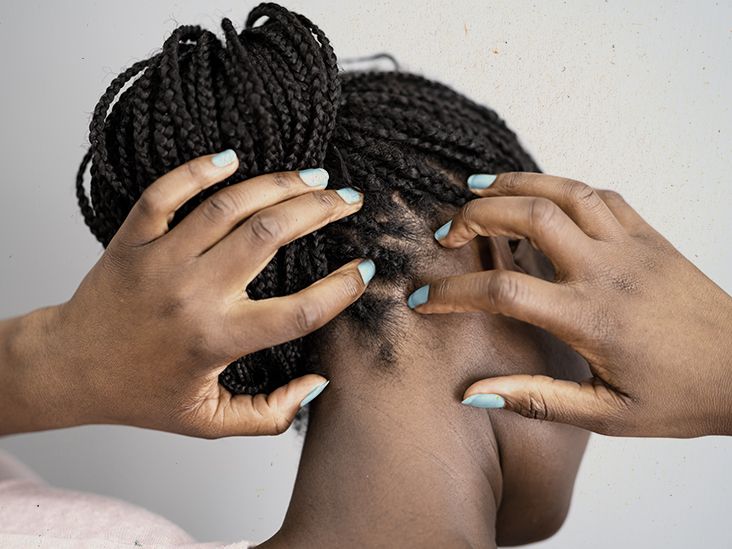
Scalp psoriasis can look like dandruff’s more dramatic cousin. It may cause dry flakes, thick scale, itching, redness or discoloration, and plaques that extend beyond the hairline. Unlike ordinary dandruff, scalp psoriasis may form thicker, more defined patches and can be tender.
Nail Symptoms
Psoriasis can affect fingernails and toenails. Nail psoriasis may cause tiny pits, ridges, discoloration, thickening, crumbling, or separation of the nail from the nail bed. These changes can be mistaken for fungal infections, so proper diagnosis matters.
Joint Symptoms
Some people with psoriasis develop psoriatic arthritis, a related inflammatory joint condition. Warning signs include joint pain, stiffness, swelling, tender tendons, sausage-like swelling of fingers or toes, back pain, heel pain, fatigue, and nail changes. Joint symptoms should not be ignored because early treatment can help protect long-term joint function.
What Causes Psoriasis Vulgaris?
Psoriasis vulgaris is linked to immune system dysfunction, genetics, and environmental triggers. It is not caused by dirt, laziness, diet “failure,” or anything that deserves blame. The immune system becomes overactive, inflammation rises, and skin cell turnover speeds up.
Family history can increase risk, but not everyone with psoriasis has relatives with the condition. Likewise, having a family member with psoriasis does not guarantee that a person will develop it. Genes may load the dice, but triggers often roll them.
Common Psoriasis Triggers
Triggers vary from person to person. One person’s flare trigger may be stress; another person’s may be winter weather, infection, or skin injury. Keeping a simple flare diary can help identify patterns.
Stress
Stress is one of the most common flare triggers. Unfortunately, psoriasis itself can cause stress, creating a loop that feels wildly unfair. Stress management will not cure psoriasis, but it may help reduce flare frequency or intensity for some people.
Skin Injury
Cuts, scrapes, burns, bug bites, tattoos, and even friction can sometimes trigger plaques in the injured area. This reaction is called the Koebner phenomenon.
Weather and Dry Skin
Cold, dry weather can worsen psoriasis by drying the skin barrier. Many people notice improvement in warmer months, although too much sun can cause sunburn, which may trigger a flare.
Infections and Certain Medications
Some infections can trigger or worsen psoriasis. Certain medications may also be associated with flares in some people. Anyone who suspects a medication is affecting psoriasis should talk with a healthcare professional before stopping it.
How Is Psoriasis Vulgaris Diagnosed?
Dermatologists often diagnose psoriasis by examining the skin, scalp, nails, and medical history. In uncertain cases, a small skin biopsy may be done to rule out conditions that can look similar, such as eczema, fungal infection, seborrheic dermatitis, lichen planus, or cutaneous lupus.
A good evaluation also asks about joint pain, morning stiffness, nail changes, family history, medication use, and quality of life. Severity is not only about how much skin is covered. A small plaque on the face, genitals, palms, soles, or scalp can have a major impact on daily life.
Treatment Options for Psoriasis Vulgaris
Psoriasis treatment is usually based on severity, location, symptoms, other health conditions, and personal preferences. The main categories are topical treatments, phototherapy, oral medications, and injectable biologic therapies.
Topical Treatments
Topical treatments are applied directly to the skin and are often used for mild to moderate psoriasis. Common options include corticosteroids, vitamin D analogs, salicylic acid, coal tar products, retinoids, calcineurin inhibitors for sensitive areas, and newer nonsteroidal prescription creams.
Topical corticosteroids can reduce inflammation and itching quickly, but they must be used carefully, especially on the face, groin, underarms, and thin skin. Overuse may cause side effects such as thinning skin or stretch-mark-like changes. That is why “more cream, more power” is not always the winning strategy.
Salicylic acid can help soften and remove scale. Vitamin D analogs help slow skin cell growth. Coal tar may reduce scaling and itching, although its smell has never been mistaken for luxury perfume. Newer topical options may be useful for people who want steroid-sparing treatments or have plaques in sensitive areas.
Moisturizers and Skin Barrier Care
Moisturizers are not a cure, but they are a big deal. Thick, fragrance-free creams or ointments can reduce dryness, itching, cracking, and irritation. Applying moisturizer after bathing helps trap water in the skin. Gentle cleansers and lukewarm showers are usually better than hot water and harsh scrubbing.
Phototherapy
Phototherapy uses controlled ultraviolet light to slow overactive skin cell growth and reduce inflammation. Narrowband UVB is commonly used for moderate psoriasis or psoriasis that covers larger areas. Treatment is done under medical guidance, either in a clinic or, for selected patients, with a prescribed home unit.
Phototherapy is not the same as casually baking in the sun. Medical light therapy is measured and monitored. Sunburn can worsen psoriasis and increase skin cancer risk, so “I’ll just roast myself by the pool” is not a treatment plan.
Oral Systemic Medications
For moderate to severe psoriasis, or psoriasis that does not respond well to topical treatment, oral medications may be considered. These can include methotrexate, cyclosporine, acitretin, apremilast, and other immune-targeting medications. Each has benefits, risks, monitoring needs, and reasons it may or may not be appropriate.
Biologic Treatments
Biologics are injectable medications that target specific parts of the immune system involved in psoriasis inflammation. They may target pathways such as TNF-alpha, IL-17, IL-23, or IL-12/23. Biologics can be highly effective for moderate to severe plaque psoriasis and may also help psoriatic arthritis, depending on the medication.
Before starting biologics, clinicians may screen for infections and review vaccination status. These treatments are powerful tools, but they should be matched carefully to the individual.
Lifestyle Tips That May Help
Lifestyle changes cannot replace medical treatment, but they can support skin health and reduce flare triggers. Helpful habits may include moisturizing daily, avoiding harsh skin products, managing stress, not smoking, limiting alcohol, maintaining a healthy weight, sleeping well, and treating infections promptly.
Some people notice that certain foods seem to affect their flares, but psoriasis diets are not one-size-fits-all. A balanced eating pattern rich in vegetables, fruits, whole grains, lean protein, and healthy fats may support overall inflammation control. Be cautious with extreme diets that promise a “miracle cure.” Psoriasis is complicated; your immune system is not a toaster with one button.
When to See a Doctor
Anyone with persistent scaly patches, painful plaques, bleeding cracks, scalp symptoms, nail changes, or suspected psoriasis should consider seeing a dermatologist. Medical care is especially important if symptoms affect sleep, work, school, exercise, relationships, or mental health.
Seek evaluation for joint pain, swelling, morning stiffness, heel pain, back pain, or swollen fingers and toes. These may suggest psoriatic arthritis, which benefits from early diagnosis and treatment.
Living With Psoriasis Vulgaris
Psoriasis vulgaris can affect far more than the skin. It can influence clothing choices, social plans, dating confidence, haircuts, workouts, sleep, and mood. A plaque on the elbow may be medically “mild,” but if it makes someone feel embarrassed every time they wear short sleeves, it still matters.
Because flares come and go, the best approach is usually flexible. Some days require prescription treatment. Some days require moisturizer and patience. Some days require explaining, again, that psoriasis is not contagious. If psoriasis had a customer service department, it would receive many strongly worded emails.
Experience-Based Insights: What Psoriasis Vulgaris Feels Like in Real Life
Reading about psoriasis vulgaris in medical language is useful, but living with it is often messier, more emotional, and more practical than any textbook paragraph can capture. Many people first notice a small rough patch that refuses to behave. They try lotion, then a different lotion, then the “fancy” lotion with packaging that looks like it went to private school. The patch may improve slightly, then return with scale, itch, and an attitude problem.
One common experience is the cycle of guessing. Is it dry skin? Is it eczema? Is it an allergy? Is it stress? Is it because of that new soap that smelled like tropical confidence? This uncertainty can delay proper care. Psoriasis vulgaris often needs a clear diagnosis because the right treatment depends on the cause. Using random antifungal creams, heavy fragrances, or aggressive exfoliants may irritate the skin further.
Another real-world challenge is clothing. A person with plaques on the elbows or knees may avoid short sleeves or shorts, not because the plaques are dangerous, but because strangers can stare. Scalp psoriasis can be even trickier. Flaking may show on dark shirts, and people may mistake it for ordinary dandruff. That can feel embarrassing, even though the person is not doing anything wrong. A black hoodie can become a snow globe by lunchtime, which is not exactly the fashion statement most people are going for.
Treatment routines can also take patience. Topical medications may be greasy, time-consuming, or hard to apply to the scalp and back. Some people improve quickly; others need several adjustments before finding a plan that works. It helps to take photos of plaques every few weeks under similar lighting. Pictures can show progress that is easy to miss day by day. They also help dermatologists understand what happens between appointments.
Many people learn that moisture is not optional. Keeping fragrance-free moisturizer near the shower, bed, desk, or backpack can make skin care easier. Small routines matter: lukewarm showers, gentle cleanser, soft towels, no heroic scrubbing, and regular moisturizer. Psoriasis skin usually does not appreciate being attacked like a dirty frying pan.
Stress is another major theme. A flare before an exam, job interview, wedding, or vacation can feel personally targeted. Stress management does not mean pretending life is calm while everything is on fire. It can mean short walks, breathing exercises, better sleep habits, therapy, support groups, journaling, or simply giving yourself permission not to be perfectly relaxed at all times.
People with psoriasis often become skilled observers of their own bodies. They notice that winter dries them out, certain fabrics irritate plaques, alcohol may worsen flares, or skipping sleep has consequences. These patterns are not the same for everyone. That is why a symptom tracker can be more useful than copying someone else’s routine from the internet.
The most important lived lesson is this: psoriasis vulgaris is manageable, and it does not define a person. Clearer skin is a reasonable goal, but confidence does not have to wait until every plaque disappears. With the right diagnosis, treatment plan, realistic expectations, and a little humor, living with psoriasis can become less mysterious and much less overwhelming.
Conclusion
Psoriasis vulgaris, or plaque psoriasis, is a chronic immune-mediated condition that causes raised, scaly plaques on the skin. It can affect the scalp, nails, joints, and quality of life, but it is not contagious and it is not anyone’s fault. Pictures of psoriasis can help readers recognize common signs, especially when images include different skin tones and body areas.
Treatment has improved significantly. From moisturizers and topical prescriptions to phototherapy, oral medications, and biologic therapies, people with psoriasis have more options than ever. The best plan is personalized, medically guided, and flexible enough to handle flares, remission, and real life.